
Çorum Chickpeas
Çorum chickpeas are the chickpeas grown across the dry inland plateaus of Çorum province in northern Türkiye, where a transitional continental climate suits the crop and where the same local harvest feeds the region's well-known leblebi tradition.
Çorum chickpeas are the chickpeas — known in Turkish as nohut — grown in Çorum province in northern Türkiye, an inland area of the Central Black Sea region that sits behind the coastal mountains. The province's connection to the crop is both agricultural and cultural: chickpeas are a standard dryland field crop on the Çorum plateau, and the same local harvest is the raw material behind leblebi, the roasted chickpea snack with which the city of Çorum is closely identified. Chickpeas suit Çorum because the province is drier and more continental than the humid Black Sea coast, and a drought-tolerant legume fits that environment well.
A Transitional Climate Behind the Black Sea Mountains
Çorum is often grouped with the Black Sea region administratively, but its farmland lies inland, beyond the mountain ranges that trap moisture along the coast. As a result, the province has warmer, drier summers and colder winters than cities such as Samsun or Ordu, and annual rainfall is considerably lower than on the coast. This transitional climate between the Black Sea and the dry Central Anatolian interior is precisely what chickpeas tolerate: the plant prefers open, sunny conditions and produces reasonably well on limited moisture, unlike crops that need constant humidity or irrigation.
Chickpeas also cope with the temperature swings of the plateau. The crop is normally sown in spring, once the soil has warmed, and it develops through the dry summer months. Deep, cold winters are not a problem for the plant itself because it is grown as a spring annual in this part of Türkiye rather than being left in the field through the cold season.
Soil and Rotation on the Çorum Plateau
The soils around Çorum are largely well drained, ranging from loam to clay loam, and chickpeas do best where water does not stand in the root zone. The plant is a legume, which means it forms a partnership with nitrogen-fixing bacteria in the soil, drawing nitrogen from the air and leaving much of it behind in the field. Because of this, chickpeas are typically grown in rotation with cereals, especially wheat. A chickpea year is often followed by a cereal year, so the crop functions as part of the wider dryland farming system of the province rather than as an isolated product.
The province is watered and shaped by the Kızılırmak, the longest river within Türkiye, which crosses Çorum and forms valleys and plains along its course. Away from these river plains, chickpea fields sit on broad, gently rolling ground where rainfall is the only source of water.
The Chickpea Plant and Its Growing Cycle
Chickpea is a low, bushy annual with feathery, compound leaves and small white, pink or pale blue flowers that appear in the warm weeks of early summer. Turkish chickpeas are mostly of the kabuli type — the larger, cream-coloured, rounded seed familiar in Turkish kitchens — although smaller, darker-seeded forms also exist. The plants are modest in height and are not climbers, so they can be grown without support.
Sowing generally takes place in spring. The crop flowers as temperatures rise and the seed pods then swell and dry through the summer. Harvest comes in the later part of the season, when the plants have turned from green to straw-coloured and the pods rattle with hard, dry seed. In traditional practice the plants are pulled or cut, left to dry in the field, and then threshed so the pods release the seed. Timing matters, because the dry summer of the Çorum plateau helps the crop mature and dry evenly.
From Field to Leblebi
After harvest, Çorum chickpeas are cleaned and dried so they can be stored safely, which is why they have long served as a durable source of protein through the winter in this inland region. The most recognisable local use turns the dried seed into leblebi. In that process the chickpeas are sorted, soaked and then roasted or heat-treated in stages until they become crisp and pale, sometimes with a light dusting of salt or other coatings. Leblebi made in Çorum is strongly associated with the city and is sold and consumed far beyond the province.
The unroasted chickpea has its own everyday role. Cooked chickpeas appear in hummus-style preparations, in soups and stews, and in salads, where they are usually boiled until tender after an overnight soak. The chickpea also contributes to flour and to a range of savoury dishes across the region. These uses all begin with the same local crop, and it is the dryland character of the grain that makes it well suited to long storage and transport.
Chickpeas in the Landscape and Local Economy
For farmers in Çorum, chickpea is a dependable rotational crop that adds value to cereal-based systems and reduces the need for nitrogen fertiliser in the following crop. Because the plant tolerates poorer soils and low rainfall, it grows in areas where more demanding crops would struggle, which helps explain why the province has maintained a strong chickpea identity for generations. Chickpeas also connect the countryside to the city's food trade: the crop is bought from local growers and processed into leblebi for wider markets.
The same general conditions — inland climate, dryland soils and legume rotation — extend to parts of neighbouring provinces in the transition zone between the Black Sea and Central Anatolia, so chickpea cultivation is not confined to Çorum alone. What distinguishes Çorum is the combination of a suitable environment and a long-established processing tradition that links the province's fields directly to a widely recognised snack. Newcomers to the region often notice that chickpea and wheat fields share the same open, sunlit plains, with cereals dominating one season and chickpeas the next, a pattern that gives the Çorum countryside its particular rhythm.
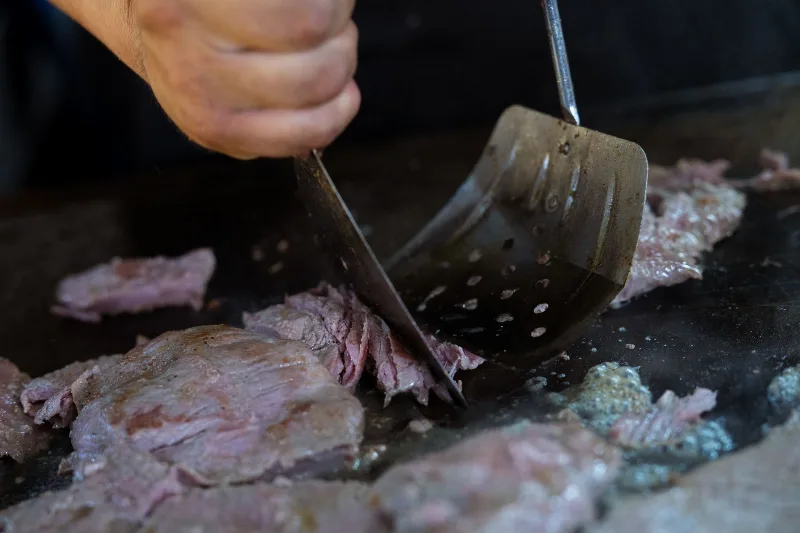
Tantuni
A Mersin street wrap built around finely chopped beef cooked with onion, tomato and pepper on a flat griddle, then rolled in thin lavash and finished with lemon and sumac onion.
Explore →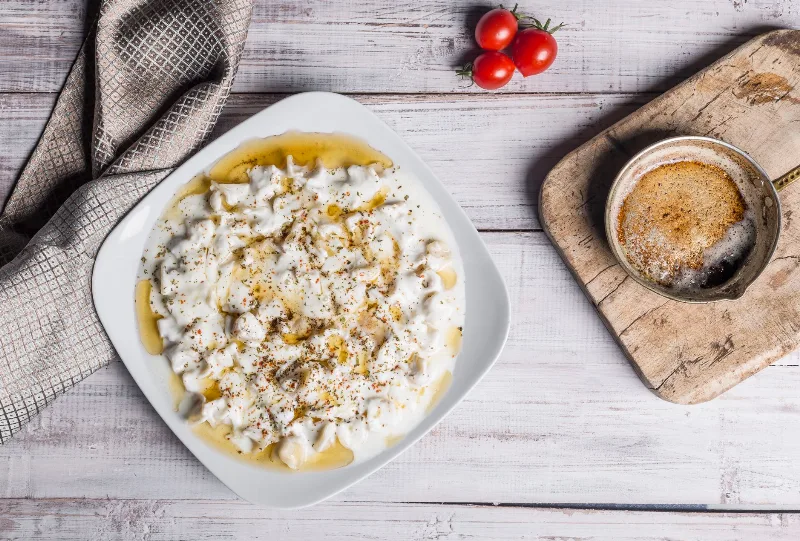
Mantı
Mantı are tiny boiled dumplings of thin dough filled with minced meat and onion, dressed with garlic yogurt and melted butter, and most closely associated with the central Anatolian city of Kayseri.
Explore →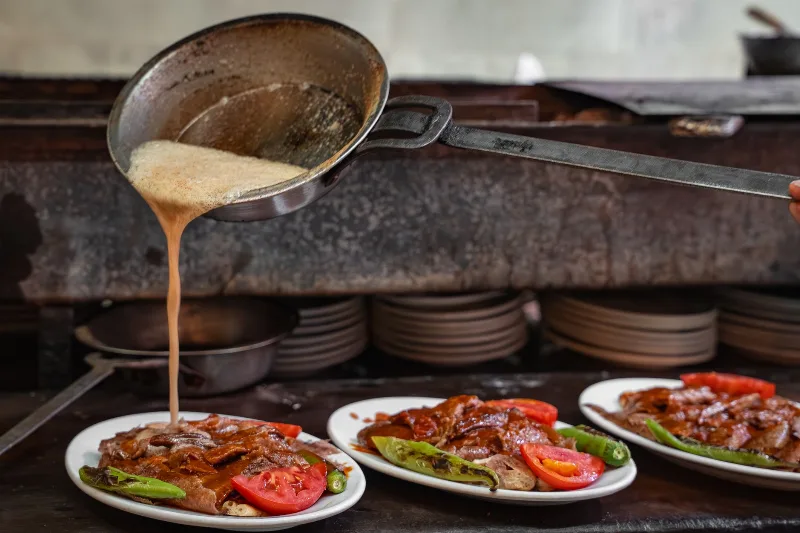
İskender Kebabı
İskender Kebabı is a Bursa dish made of sliced döner kebab laid over pieces of pita bread, dressed with warm tomato sauce and melted butter, and served with yogurt on the side.
Explore →Related content

Samsun
Samsun is a large Black Sea port city in northern Türkiye and the historic starting point of the Turkish War of Independence in 1919. It is a major metropolitan centre set between wide river deltas, coastal plains and the mountains of the Black Sea hinterland.

Ordu
Ordu is a Black Sea city in northern Türkiye and the centre of Ordu Province, built on a narrow coastal strip between the sea and the Pontic Mountains. It is best known for hazelnut production and for the panoramic views from Boztepe above the city.
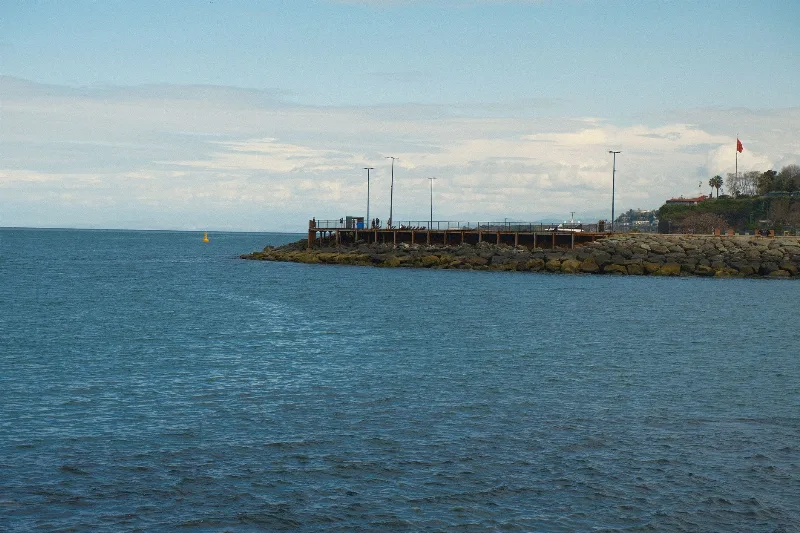
6-Day Central Black Sea Route
A six-day journey along Turkey's Central Black Sea coast from Samsun to Trabzon, visiting Ordu and Giresun with highland and beach stops.

5-Day Black Sea Coast Route
A five-day linear journey along Türkiye's central and eastern Black Sea coast, from Sinop to Trabzon, with an inland detour to Amasya and stops in Ordu and Giresun along the way.
Boztepe Paragliding and Hazelnut Orchards in Ordu
Boztepe is the green hill above Ordu on Turkey's Black Sea coast, where paragliders launch from a high viewpoint over a landscape of hazelnut orchards and open sea.
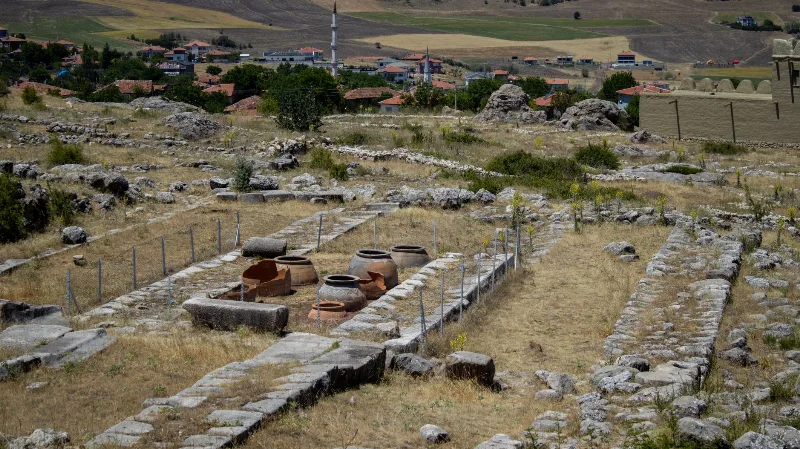
The Ancient Hittite Capital of Hattusa
Hattusa, the Hittite capital in Çorum, preserves monumental gates, temples and royal buildings from one of the ancient Near East's great powers.