
Osmancık Rice
Osmancık rice is a regional rice variety from the Osmancık district of Çorum in northern Türkiye, where the Kızılırmak River supports local paddies. It is known for its aroma and taste, especially in pilafs.
Osmancık rice is a rice variety linked to the Osmancık district of Çorum province in northern Türkiye. The district lies along the Kızılırmak River, and the river’s water, together with the local climate and agricultural land, supports rice paddies that have given the area a distinct rice-growing identity. The grain is known for its aroma and taste, and it is often used in pilafs.
Where Osmancık Rice Grows
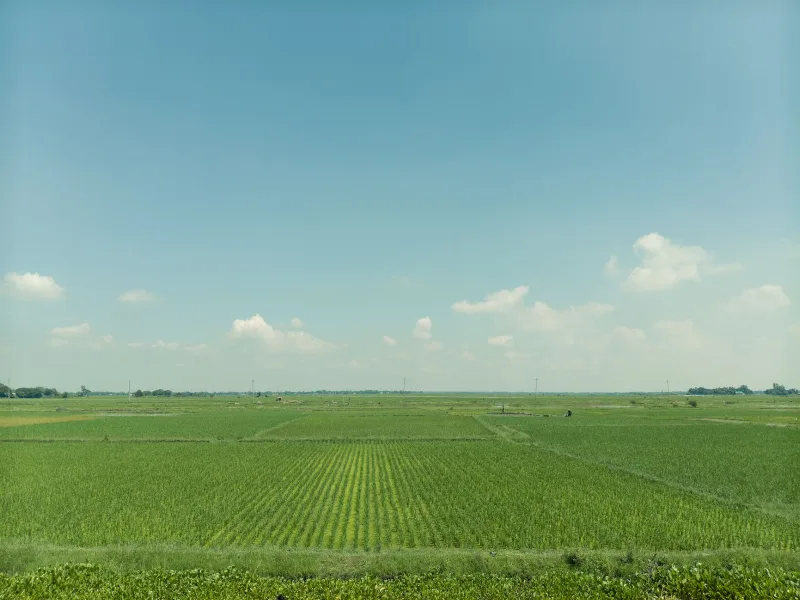
Osmancık is a district of Çorum, a province in northern Türkiye. The district sits inland from the Black Sea coast, in a setting where continental climate influences are stronger than on the coast. Rice is a warm-season crop that requires a dependable water supply, and the Kızılırmak provides it. The Kızılırmak is Türkiye’s longest river, and it creates a valley with flat and gently sloping land suitable for paddies. Rice fields are concentrated near the river and the irrigation channels that distribute its water. The surrounding landscape includes other field crops, but rice gives parts of the district a distinctive appearance during the growing season.
The Kızılırmak and the Local Climate
Rice cultivation is more water-dependent than most field agriculture. In Osmancık, the Kızılırmak and its canals allow farmers to flood fields during the growing period. The river also carries sediment that contributes to fertile alluvial soils in parts of the valley. These soils can retain water and support the root system of the rice plant. The local climate supplies the warmth rice needs to germinate, grow and ripen. Summers are warm enough for the crop, while winters are cooler than in the coastal Black Sea areas. The river valley itself helps create conditions in which rice can be grown successfully in an inland district.
The Rice Plant and Grain Characteristics
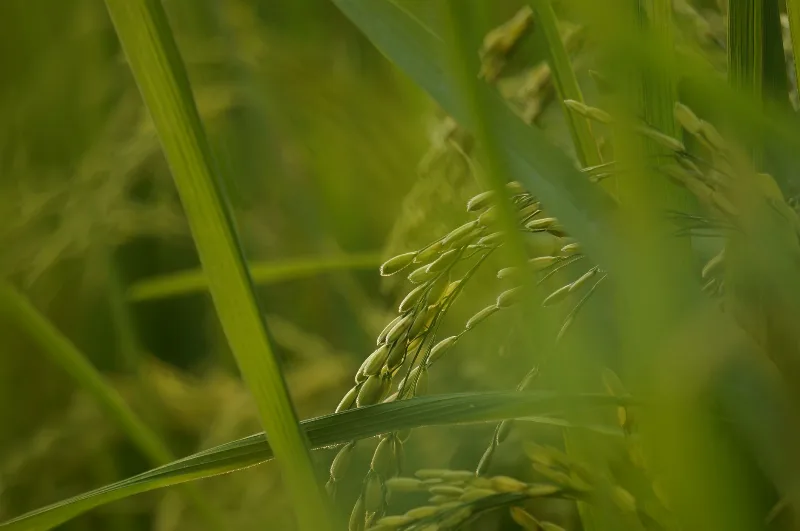
Rice is a semi-aquatic grass, Oryza sativa, and it is grown in flooded paddies. The plant produces tillers, long leaves and seed heads known as panicles. After flowering, the grains develop and harden. Osmancık rice is a regional rice type whose name is tied to the district where it is grown. It is valued for grains that cook into a relatively firm and separate texture, which makes it suitable for pilaf. Its aroma and flavor are the qualities most often associated with it in local cooking. The grain is usually milled before use, and the milling process removes the outer husk.
Growing Cycle and Harvest
Rice in Osmancık is planted in spring after the fields are prepared and flooded. The crop grows through the warm months, flowers in summer, and is harvested in late summer or autumn when the grains are mature. Harvesting involves draining the paddies and cutting the rice plants. After threshing, the grains are dried and stored, then milled to produce the rice used in kitchens. The exact timing can vary from year to year depending on weather conditions and water availability, but the cycle follows the warm season.
Traditional Cultivation and the Agricultural Landscape
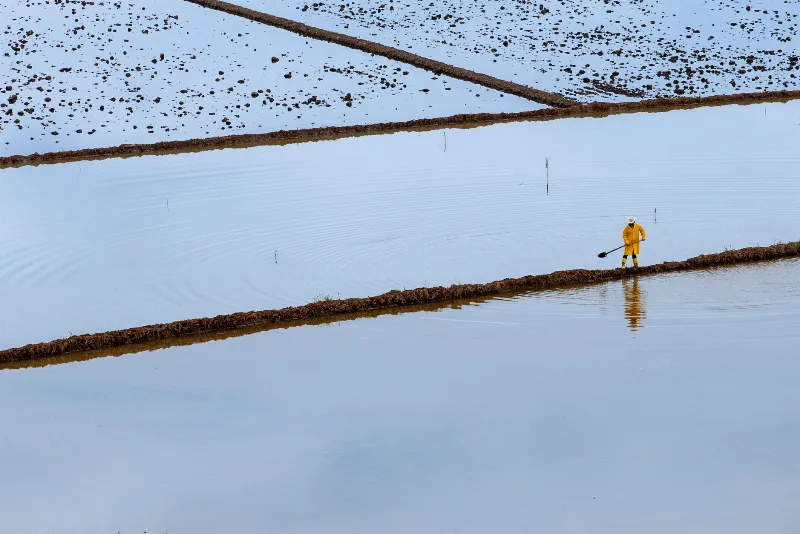
Rice paddies shape the look of parts of the Osmancık countryside. During the growing season, flooded fields reflect the sky and create a landscape different from the surrounding dryland fields. Because rice needs so much water, cultivation is concentrated near the Kızılırmak and the irrigation network. Farmers manage water levels, prepare fields and harvest the crop in a cycle that has been part of local agriculture for generations. The presence of rice farming influences the local rural economy and the seasonal work patterns of the district.
From Paddy to Pilaf
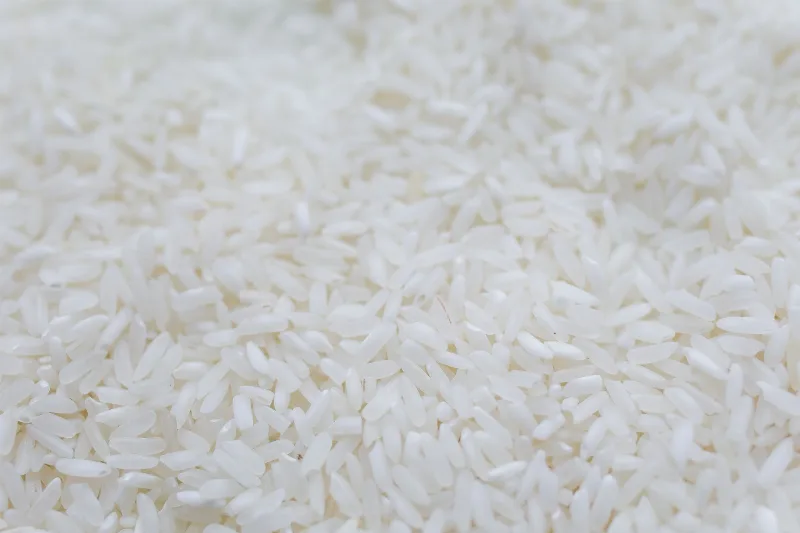
After harvest, Osmancık rice is dried, stored and milled. Milling removes the husk; further processing can produce white rice. The grain is a staple in local kitchens, especially for pilaf. Pilaf is a method of cooking rice with liquid, and the quality of the grain matters because the grains should remain separate rather than becoming overly sticky. Osmancık rice is also used in other rice-based dishes, but its reputation is closely tied to pilaf. It is not a prepared dish itself; it is the raw agricultural product that becomes part of meals.
Why Osmancık Is Associated with Rice
The association between Osmancık and rice comes from the combination of water, land and agricultural tradition. The Kızılırmak provides irrigation, the valley offers suitable fields, and local farmers have continued rice cultivation over generations. The district’s name and the rice type have become closely linked, so Osmancık rice is not simply a generic Turkish rice. It is a regional product whose identity points to a particular place in Çorum province. This connection is what distinguishes it from rice grown in other parts of Türkiye.
Osmancık Rice in Turkish Agriculture
Rice is grown in several parts of Türkiye, including regions with access to irrigation. Osmancık rice is one of the country’s locally recognized rice types, and it is specifically connected to Çorum’s Osmancık district. Within Türkiye, consumers may encounter rice from different growing areas, but Osmancık rice carries the name of its district. The crop contributes to the local economy and helps maintain the district’s agricultural identity. For anyone interested in regional produce, Osmancık rice is an example of how water, climate and land can create a product tied to one place.
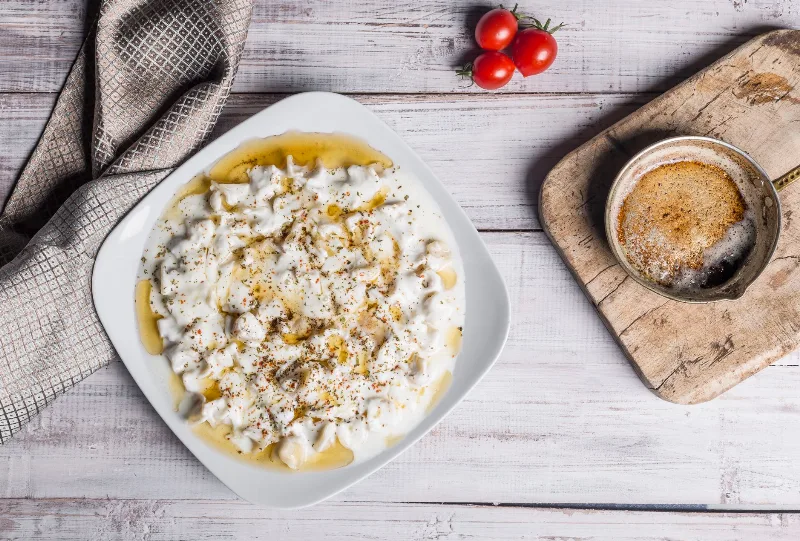
Mantı
Mantı are tiny boiled dumplings of thin dough filled with minced meat and onion, dressed with garlic yogurt and melted butter, and most closely associated with the central Anatolian city of Kayseri.
Explore →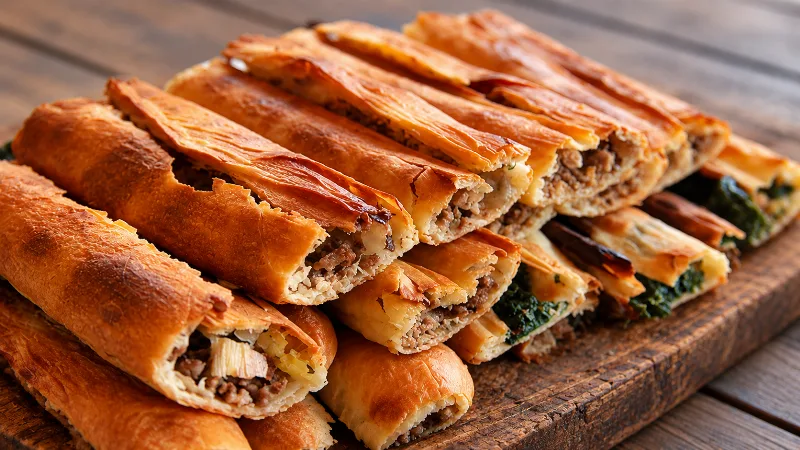
Bafra Pidesi
Bafra Pidesi is a soft, boat-shaped Turkish pide from the Bafra district of Samsun on the Black Sea coast, filled with ground meat, cheese or vegetables and baked quickly in a very hot oven.
Explore →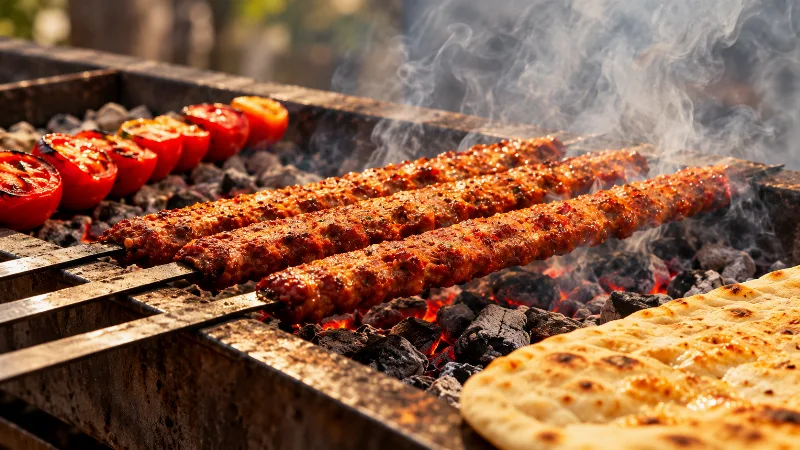
Adana Kebabı
Adana kebabı is a spicy minced-lamb kebab from the southern Turkish city of Adana, moulded onto wide flat skewers and grilled over charcoal. Its heat, its hand-chopped meat and its distinctive flat skewer set it apart from other Turkish kebabs.
Explore →Related content
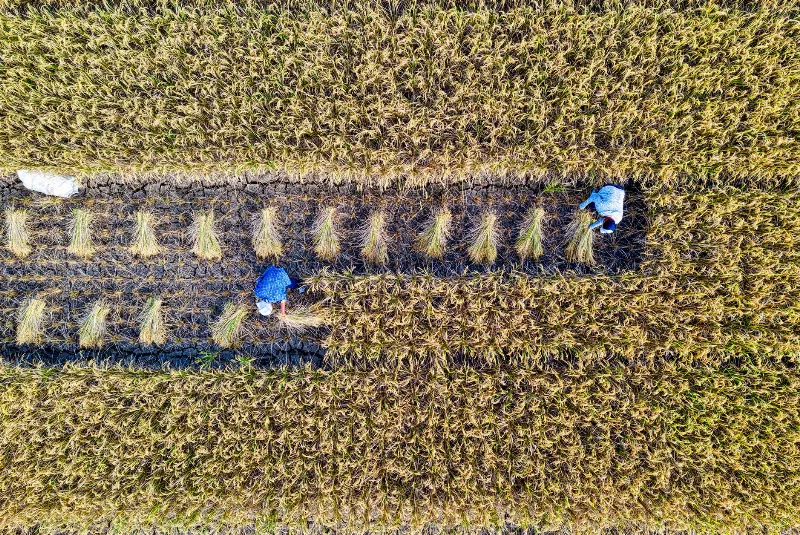
Rice Harvest in Osmancık, Çorum
Each September the rice paddies around Osmancık in Çorum Province turn golden and are harvested, a seasonal transformation tied to the Kızılırmak valley's climate and irrigation.
Trakya Baldo Rice
Baldo rice is a large-grain variety grown on the flood plains of Thrace in northwestern Türkiye, where river-fed paddies around Edirne produce grain prized for pilaf. Its long, glassy kernels and the region's water-rich alluvial soils are closely linked.
Tosya Rice
Tosya rice is a long-established rice grown in the Devrez valley around Tosya in Kastamonu province, where river irrigation, alluvial soils and a cool northern Anatolian climate shape the grain's firm texture and aroma.
İpsala Rice
Grown on the river-fed alluvial plain around İpsala in Edirne province, İpsala rice reflects the landscape of Thrace: flooded paddies, warm summers and a long local milling tradition.
Karacadağ Rice
Karacadağ rice is a rice grown in the Karacadağ area of Şanlıurfa province in southeastern Türkiye, where a hot regional climate and irrigation water drawn from the Karacadağ massif shape its distinctive taste and firm grain.
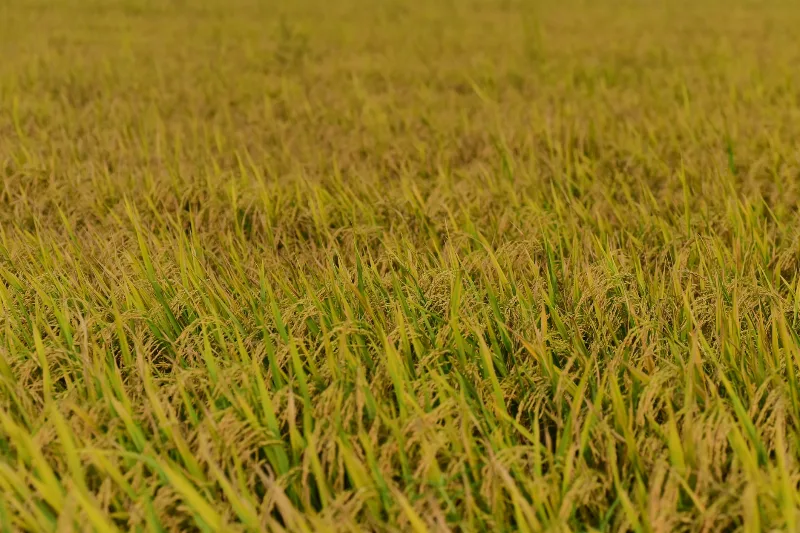
Rice Harvest in Tosya, Kastamonu
Every autumn the rice paddies around Tosya in Kastamonu are drained and cut, turning the Devrez valley from green to gold. The harvest normally falls in September and October, and it is the point in the year when the valley's rice fields are at their most visible and most active.