
Rice Harvest in Tosya, Kastamonu
Every autumn the rice paddies around Tosya in Kastamonu are drained and cut, turning the Devrez valley from green to gold. The harvest normally falls in September and October, and it is the point in the year when the valley's rice fields are at their most visible and most active.
Each autumn, the rice paddies around Tosya, a district of Kastamonu in Türkiye's Black Sea region, are drained and cut, turning the Devrez valley from green to gold. The harvest typically runs through September and October, and it is the point in the year when the valley's rice fields are at their most visible and most active. The period matters because rice is a flooded crop for most of its life: only when the water is deliberately let out and the grain hardens does the landscape change completely and the work of collecting the crop begin.
Where Tosya's Rice Fields Sit in the Landscape
Tosya is not on the Black Sea coast itself. It lies inland, in a sheltered basin where the Devrez stream and its tributaries have laid down flat, silty ground over a long period. The rice fields occupy these valley-floor parcels, usually in small, level plots separated by low earth banks that hold water in during the growing season. Around them rise wooded slopes and higher ground, and further off to the north-west the Ilgaz range forms the horizon. Because the rice ground is confined to the flattest and wettest parts of the valley, the fields do not stretch to the horizon in one continuous sheet; they appear in patches, following the stream and the villages that sit beside it.
What Happens in a Rice Field Before the Harvest
Rice is unlike the wheat and barley grown on the surrounding dry slopes, and that difference shapes the whole autumn. In spring the plots are flooded, seedlings are transplanted into standing water, and the fields are kept wet through the hot months. Through summer the plants are deep green and the plots reflect light like shallow ponds. As the grain fills and ripens, the colour changes first to a paler green, then to straw, and eventually to a dull gold. Shortly before cutting, the water is drawn off and the ground is allowed to dry so that machinery and people can enter without sinking. That draining is the visible signal that harvest is close.
When the Harvest Usually Begins and Ends
The cutting normally starts somewhere in September and generally continues into October. It does not begin on the same day across the valley. Plots are planted at slightly different times, some sit in colder spots, and farmers cut each field when the grain is ready rather than according to a calendar. Early fields may be down by the first half of September, while later or slower-ripening plots can still be standing well into October, occasionally into early November in a cool, wet year. Anyone planning around this window should treat September and October as the normal span rather than a fixed date.
How Weather Shifts the Timing
Because the crop depends on managed water and on dry weather at the end, the harvest is sensitive to the season that precedes it. A late, cold spring can push transplanting back and delay ripening. A hot, dry summer can bring the grain on faster. Water supply matters too: the Devrez and the snowmelt that feeds it determine how long the paddies can be kept flooded. Once September arrives, rain becomes the main variable. Wet weather softens the ground, makes cutting harder and slows the drying of the grain, so farmers often wait for a dry spell. This is why the exact week of harvest can move noticeably from one year to the next.
The Colours and Conditions of the Harvest Window
During the harvest the valley looks quite different from its summer state. The mirror-like flooded plots disappear and are replaced by dry, golden fields, then by pale stubble once the crop is down. Cut grain is often spread out or left in heaps to dry before it is taken away. Mornings are noticeably cooler than in mid-summer, and mist can sit in the valley bottom early in the day, clearing to warm, bright afternoons. Rain in this period turns field edges and village tracks muddy, and the ground between the plots can be soft underfoot for days after a shower.
What a Visitor Can Realistically Observe
This is working farmland, not a staged attraction. There is no single central site and no published schedule. What you can reasonably expect is the general scene: golden and stubble fields along the valley floor, drained paddies with their earth banks exposed, and the ordinary activity of a harvest in progress where a family happens to be cutting that day. Some days a given stretch of road will show nothing happening at all. Fields are private land, so the sensible approach is to watch from village roads and lanes rather than walking into plots, and to keep well clear of machinery. Photographs of the wider landscape are easy; close views of the crop depend entirely on where you are and what is being cut that week.
Why the Valley Suits Rice at All
Tosya's reputation for rice rests on fairly ordinary conditions that happen to combine well: level alluvial ground that can be flooded and drained, a reliable stream, hot summers for ripening, and cooler nights late in the season. That combination is generally credited with the firmness, aroma and taste the local grain is known for, and it is the reason rice rather than another crop dominates the wettest parts of the valley floor. The harvest season is the moment when all of that becomes visible at once, because the water goes out and the result of the summer stands in the fields.
Practical Timing and Nearby Ground
The most reliable window is the second half of September into the first half of October, when much of the crop is either standing gold or being cut. Arriving earlier in September may mean fields are still green; arriving late in October may mean bare stubble. Because timing shifts with the weather, it is worth treating any single date as approximate. The rice ground sits within a wider area that is easy to combine with the same drive: the Devrez valley road itself, the town of Tosya, the higher ground towards Ilgaz, and Kastamonu further north, along with the surrounding districts of the province. Each is a separate place with its own character, and the rice harvest is specifically a Tosya and Devrez valley phenomenon rather than a province-wide one.
EXPLORE BY THEME
All themes →

Related content
Tosya Rice
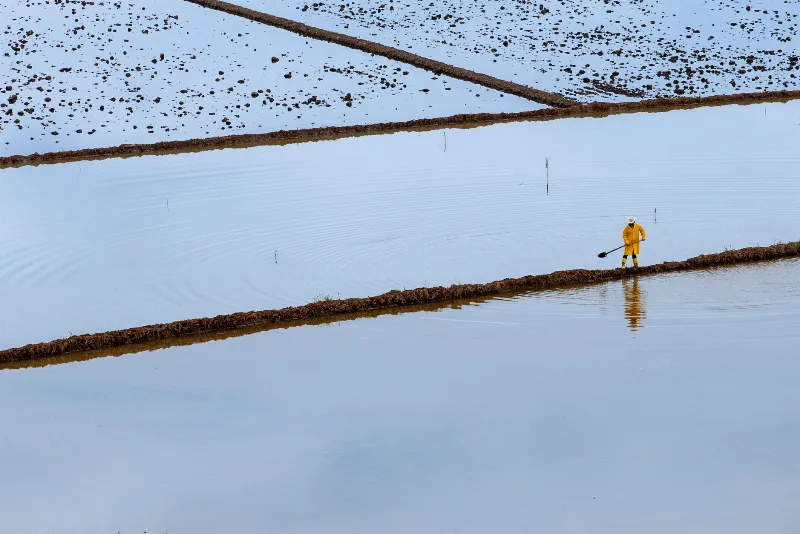
Tosya rice is a long-established rice grown in the Devrez valley around Tosya in Kastamonu province, where river irrigation, alluvial soils and a cool northern Anatolian climate shape the grain's firm texture and aroma.
Taşköprü Garlic
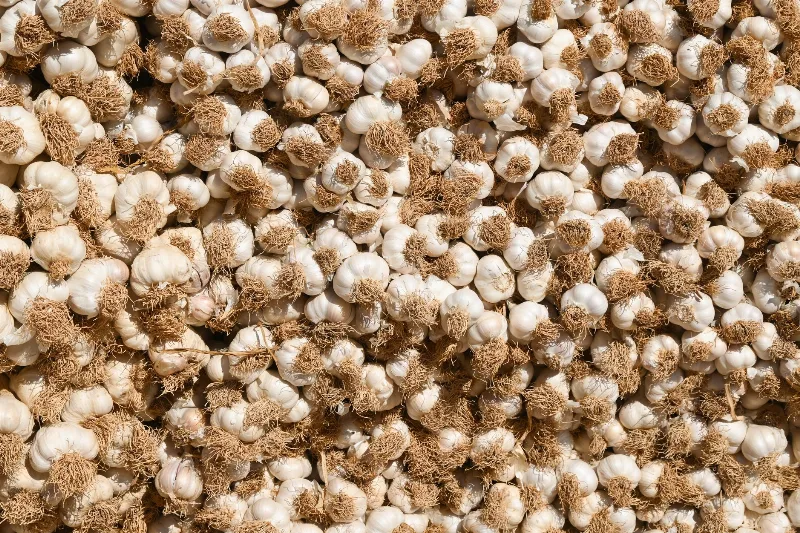
Taşköprü garlic is a pungent, long-keeping garlic grown around the Taşköprü district of Kastamonu in northern Türkiye, where the Gökırmak valley's soils and seasons give the bulbs their dense structure and pronounced aroma.
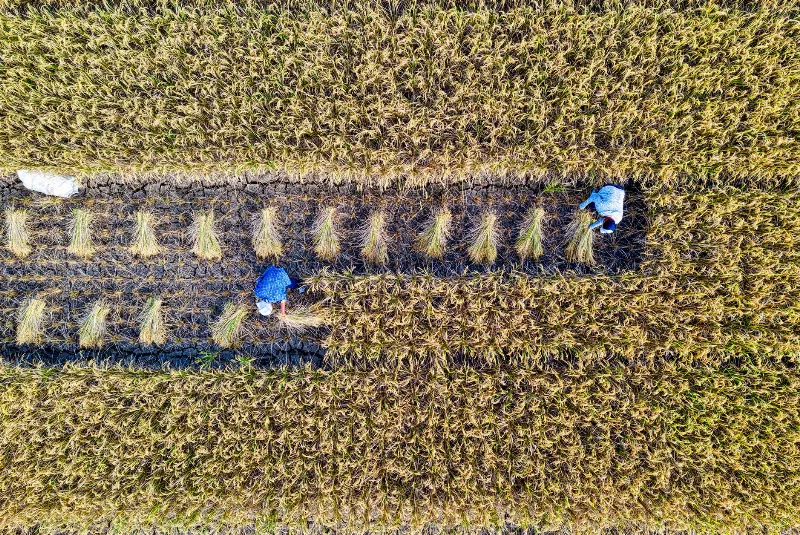
Rice Harvest in Osmancık, Çorum
Each September the rice paddies around Osmancık in Çorum Province turn golden and are harvested, a seasonal transformation tied to the Kızılırmak valley's climate and irrigation.
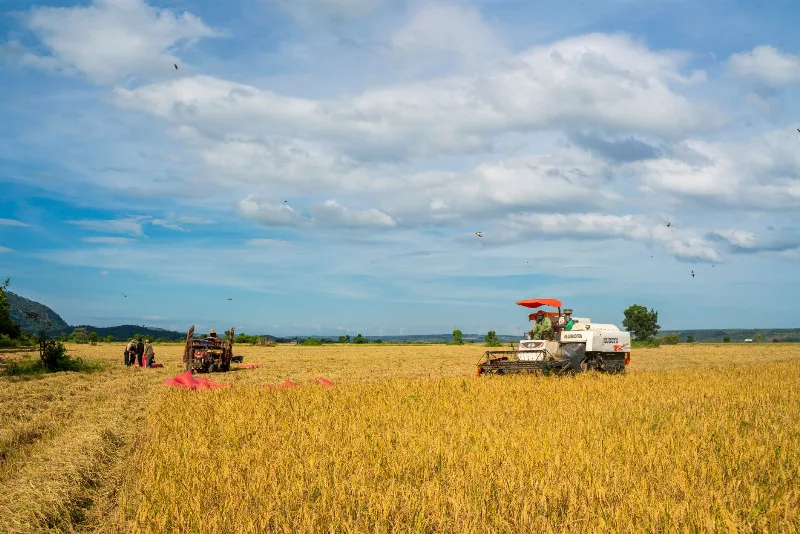
Rice Harvest in Edirne
Each autumn the flat rice plains around İpsala in Edirne Province turn from flooded green paddies into golden fields as Turkey's largest rice-growing area moves into harvest. The timing of this shift depends heavily on summer heat and early-autumn rainfall.
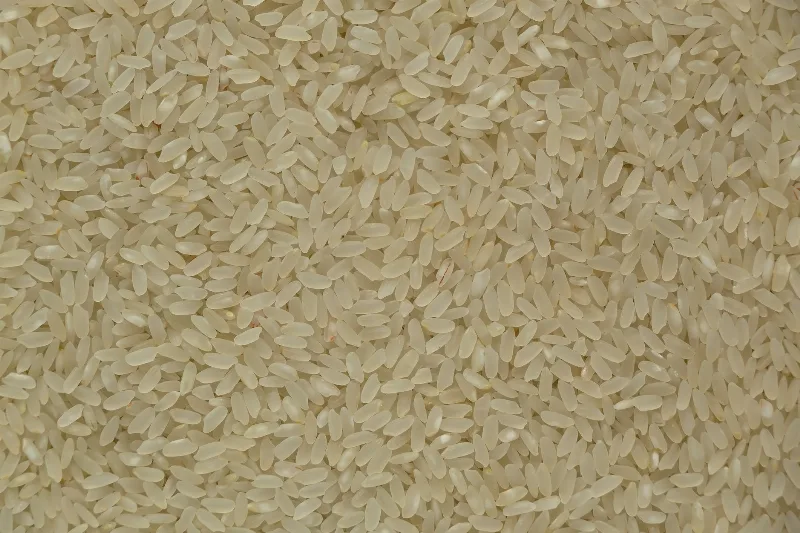
Osmancık Rice
Osmancık rice is a regional rice variety from the Osmancık district of Çorum in northern Türkiye, where the Kızılırmak River supports local paddies. It is known for its aroma and taste, especially in pilafs.
Bafra Plain Tobacco and Rice Fields in Samsun
The Bafra Plain in Samsun is a fertile delta built by the Kızılırmak, known for its thin-leaved tobacco, flooded rice paddies and bird-rich coastal wetlands.