
Taşköprü Garlic
Taşköprü garlic is a pungent, long-keeping garlic grown around the Taşköprü district of Kastamonu in northern Türkiye, where the Gökırmak valley's soils and seasons give the bulbs their dense structure and pronounced aroma.
Taşköprü garlic is the garlic grown in and around the Taşköprü district of Kastamonu province in the western part of Türkiye's Black Sea region. It is a local type of Allium sativum that has been cultivated in the district for generations and is closely linked to the town's identity, its markets and its rural economy. The garlic takes its name directly from the place where it is produced, and it holds protected geographical indication status, which recognises the tie between the product and its territory. What sets it apart is not simply where it is sold but how it grows: a long, cool, moisture-rich growing season followed by a hot, dry ripening period produces bulbs with high dry matter, firm cloves and a strong, lingering pungency that is noticeable as soon as the bulb is crushed.
Where Taşköprü Garlic Is Grown
Production is concentrated in Taşköprü, a district town in Kastamonu province, and in the farming villages scattered around it. The Gökırmak river and its tributaries run through the district, and the fields used for garlic lie largely on the flatter, workable ground beside the water and on the gentle slopes above it. Garlic is a rotational crop here rather than a permanent plantation: growers move it between parcels, usually following cereals or other field crops, which helps limit soil-borne problems and keeps the land productive.
Kastamonu as a whole is a province of wooded hills, deep valleys and small agricultural settlements, and garlic fits neatly into that pattern. It is grown in relatively small, hand-worked plots rather than in vast industrial fields, and the harvest is still very much a family and village activity. This scale is part of why the district's garlic has remained strongly associated with a single place rather than spreading into a generic regional crop.
The Climate and Soil Behind the Flavour
The Gökırmak valley sits in a transition zone. It receives the humidity and rainfall influence of the Black Sea to the north, but it also experiences continental conditions, with cold winters and summers that turn distinctly hot and dry as the season advances. That combination matters for garlic. The crop needs steady moisture while the leaves and bulb are forming, then drier conditions as it matures so that the outer skins tighten and the bulbs cure properly rather than rotting in wet ground.
The soils around the Gökırmak floodplain and its terraces are largely alluvial and well drained, often lighter in texture than the heavy clays found in some neighbouring areas. Garlic dislikes waterlogged roots, so free-draining ground on gentle slopes is well suited to it. Cold winter temperatures also play a role, since garlic requires a period of cold to develop normally; the district's winters provide that without the extreme frosts that would damage the crop.
The Plant and Its Growing Cycle
Taşköprü garlic is planted in autumn, typically from October into November, so that the cloves can root and establish before the coldest weather. Through winter the young plants sit low in the ground. Growth resumes in spring, when the leaves lengthen and the plant builds the structure that will support the bulb. Flowering stems, or scapes, are generally removed by hand where they appear, since allowing them to develop diverts energy away from the bulb.
Harvest comes in the summer, usually in July, when the lower leaves begin to dry and the plant signals that the bulb has finished sizing. Growers lift the bulbs carefully, often by hand or with simple tools, because the cured skin and the neck of the plant are part of what gives the product its keeping quality. After lifting, the plants are left to dry and cure in the field and then in airy, shaded storage, a step that is as important as the growing itself.
Appearance, Aroma and Texture
Mature bulbs are compact and tightly formed, with cloves that hold together well rather than splitting apart at the first touch. The outer skins are dry and papery after curing. The most commented-on quality is the aroma: Taşköprü garlic is notably pungent, and the smell becomes sharp and persistent when the cloves are cut or crushed. The flavour is strong and distinctly garlicky, with a depth that survives cooking but is equally apparent in raw use.
Because the bulbs are dense and well dried, they also keep unusually well. This is not a garlic that must be used within weeks; stored in a cool, dry, ventilated place, cured bulbs hold their firmness and pungency over a long period, which historically made the crop valuable for households that needed to store food through the winter.
Cultivation and Post-Harvest Handling
Much of the work is manual. Ground is prepared in autumn, cloves are set by hand at fairly close spacing, and the crop is weeded and tended through the spring. Once lifted, the garlic is commonly air-dried with the stalks attached, either laid out or bundled and hung in dry, shaded conditions. Growers select bulbs for replanting from their own material, which has helped maintain a type adapted to local conditions over a long period.
Storage follows the same logic. Garlic is kept in dry, airy spaces, sometimes hung in bunches or braided, and is sorted before sale. The emphasis throughout is on slow, natural curing rather than rapid processing, since the quality of the finished bulb depends on it.
Garlic in the Local Landscape and Economy
In Taşköprü, garlic is more than a crop; it shapes the district's seasonal rhythm and its reputation. Fields around the town are planted, weeded and harvested on a calendar that many households organise their year around, and the crop provides income for growers and for the traders and transporters who handle it after harvest. The sight of garlic drying in yards and under shelter is a familiar part of the late-summer landscape.
The product's geographical indication status reflects this deep local embedding. It also supports efforts to distinguish genuinely local garlic from similar bulbs grown elsewhere, a distinction that matters to growers whose reputation rests on a specific place.
How Taşköprü Garlic Is Used
In Turkish cooking, garlic is a foundational flavouring rather than a dish in itself. Taşköprü garlic is used raw in yoghurt-based sauces and dressings, cooked into soups, stews and vegetable dishes, mixed into meat preparations, and preserved in vinegar or brine. Its strength means that relatively little is needed to flavour a dish, and its high dry matter gives it a firm texture that holds up in cooking. It is also commonly kept at home in dried bulbs or hung bunches, used gradually through the winter months.
Kastamonu, Nearby Areas and Similar Garlics
Taşköprü remains the heart of production, but garlic is also grown in other parts of Kastamonu province and in neighbouring districts with comparable valley conditions. Buyers looking for the regional garlic should look for the place name rather than for a generic description, since the connection between the Gökırmak valley, its climate and the pungent, well-keeping bulbs is the whole point of the product's identity.

Beyti Kebabı
Beyti Kebabı is a Turkish kebab of grilled minced meat rolled inside thin lavash bread, dressed with warm tomato sauce and yogurt. It is a modern Istanbul dish rather than an old regional specialty, and it differs from İskender or Adana kebab in both its meat and its serving style.
Explore →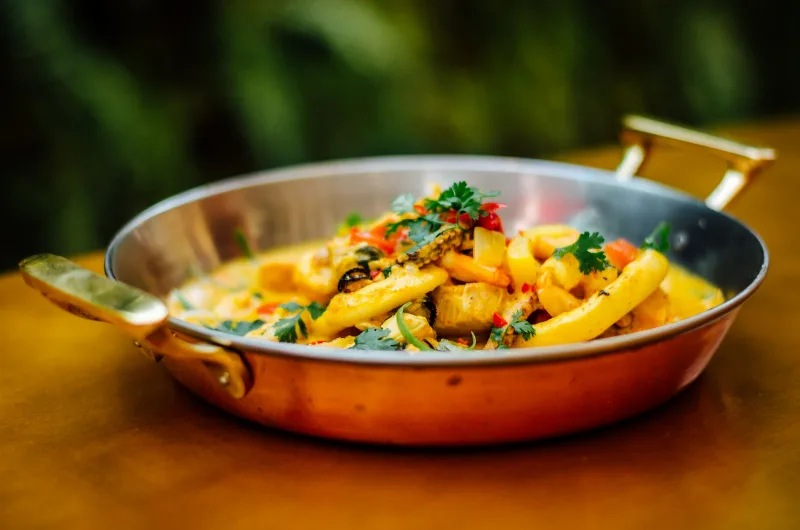
Kuymak
Kuymak is a hot Black Sea dish of cornmeal cooked in butter and blended with a melting local cheese. It is eaten mainly as a breakfast food across Trabzon, Rize, Giresun and the surrounding provinces.
Explore →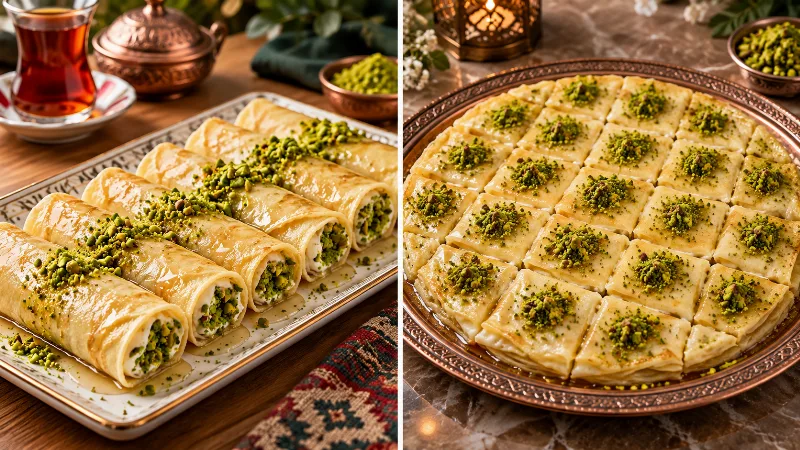
Şıllık Tatlısı
A traditional Şanlıurfa dessert made with thin pancakes, walnuts and sweet syrup.
Explore →Related content
Gaziantep Garlic
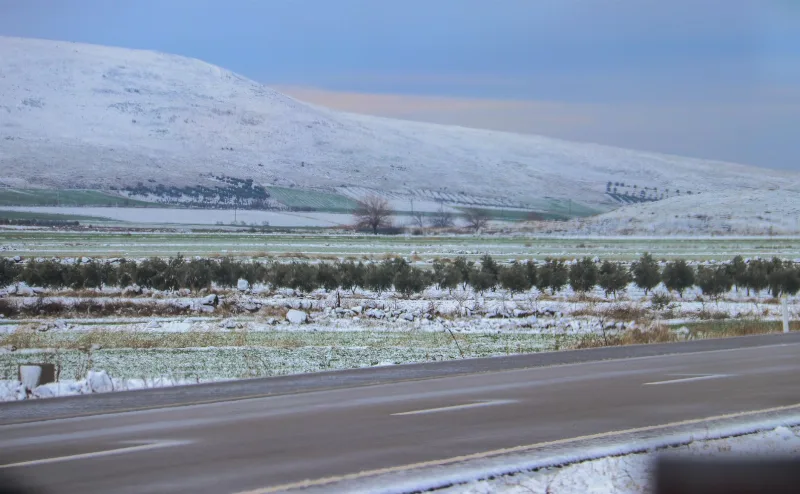
Gaziantep garlic is the pungent, sharply aromatic garlic grown in the irrigated garden plots and fields of Gaziantep province in southeastern Türkiye. Its character comes from a hot, dry ripening season, cold winters and the fertile, well-drained soils of the province.
How the Landscape Shapes Food Across Turkey
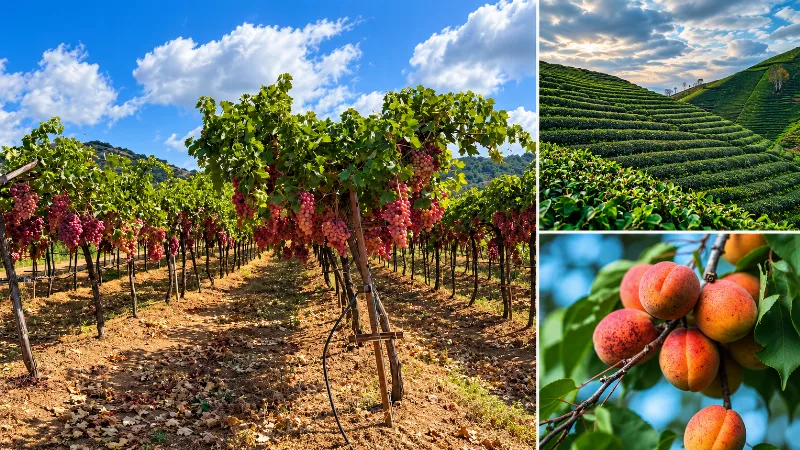
From Black Sea hazelnuts to Aegean olive oil and southeastern pistachios, Turkey’s regional food is closely connected with geography and agriculture.
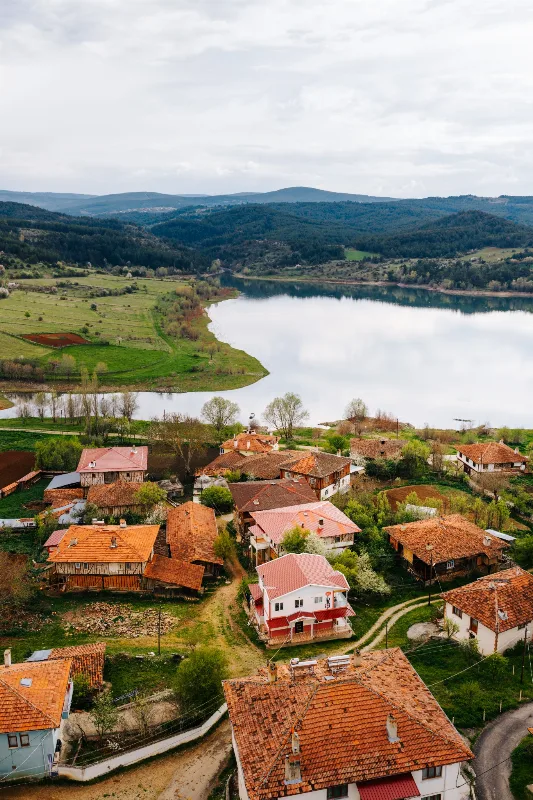
3-Day Kastamonu and Ilgaz Route
A three-day drive from Kastamonu's old town to the fir-covered slopes of Ilgaz National Park, combining Ottoman-era streets with mountain walking in Türkiye's Western Black Sea region.
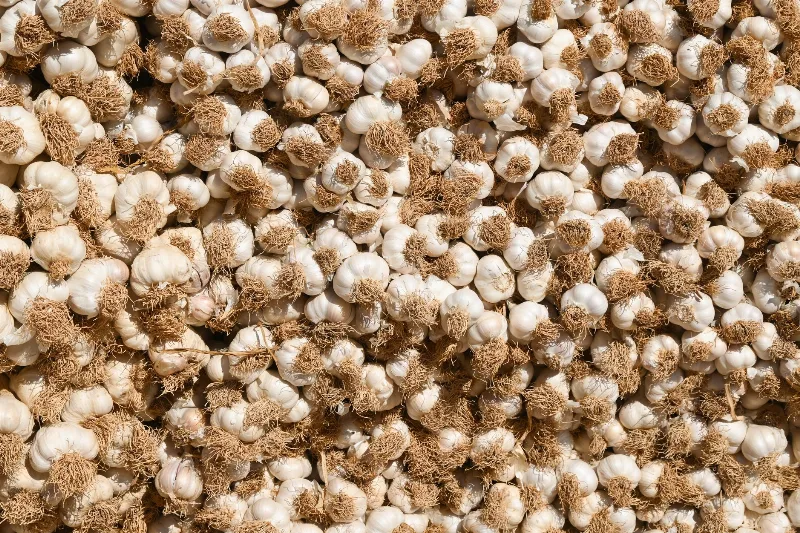
Çanakkale Garlic
Çanakkale garlic comes from the peninsulas of Türkiye's far northwest, where maritime weather and fertile valley soils give the bulbs a firm texture and a sharp, persistent aroma.
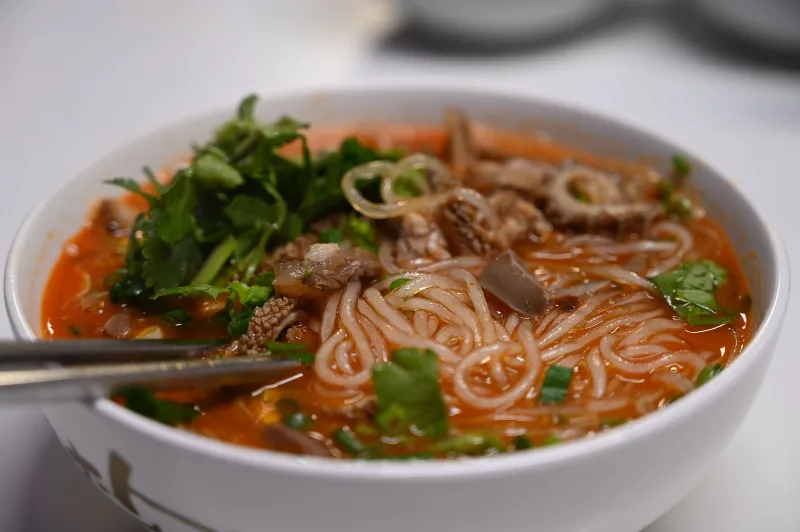
İşkembe Çorbası
İşkembe Çorbası is a traditional Turkish tripe soup flavored with garlic, vinegar, and red pepper. Often consumed late at night as a hangover cure, it is a staple of Turkish street food culture.
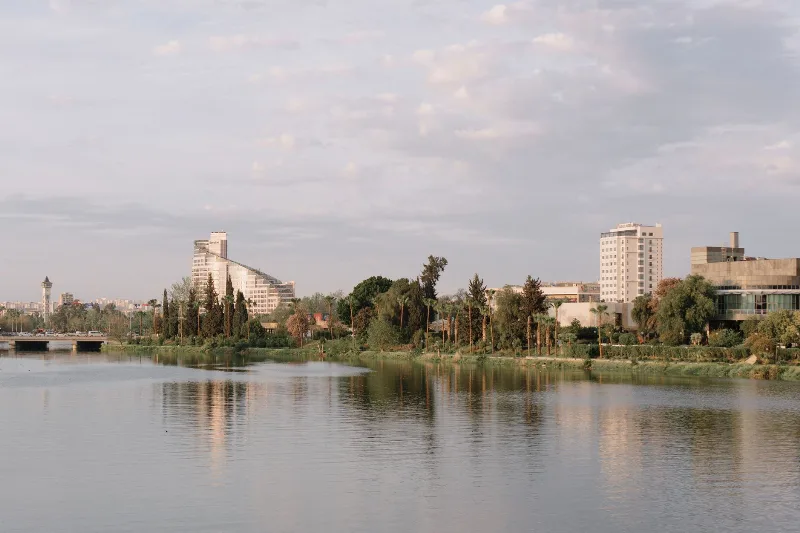
Adana
Adana is a major metropolitan city in southern Türkiye and the urban heart of the Çukurova plain, defined by the Seyhan River, a Roman-era stone bridge and a deeply rooted kebab and agricultural culture.