
3-Day Kastamonu and Ilgaz Route
A three-day drive from Kastamonu's old town to the fir-covered slopes of Ilgaz National Park, combining Ottoman-era streets with mountain walking in Türkiye's Western Black Sea region.
This three-day route begins in the old centre of Kastamonu and ends among the Ilgaz Mountains, where the province opens toward the road leading south to Çankırı. Over three days it covers two contrasting sides of the Western Black Sea region: the stone-and-timber streets of an inland Anatolian provincial capital, and the dense fir and beech forests of Ilgaz National Park. The journey is essentially linear, following one main corridor from the city eastward and then south into the mountains, and it works best with a car combined with walking — short strolls in Kastamonu, longer trails once the road climbs into the park.
Kastamonu is often imagined as a coastal Black Sea destination, but the city itself lies inland, surrounded by hills and farmland. That inland position is exactly what shapes the route: instead of beaches, the reward is a remarkably intact historic townscape followed by high-country forest, clean air and mountain scenery.
Day 1: Kastamonu Historic City Centre
The first day stays entirely within Kastamonu and needs no driving. Start at the castle that crowns the hill above the city, where the view explains the layout of the streets below and the surrounding valleys. From there, walk down into the historic core, where Kastamonu's famous mansions line the main street and the lanes behind it. These timber-framed and stone houses, with their projecting upper floors and enclosed bay windows, are among the best-preserved examples of traditional Anatolian town architecture, and several stand as museums or restored residences.
The city's religious and civic monuments sit within easy walking distance of each other. The Nasrullah Mosque and its surrounding complex anchor the old commercial quarter, while the Şeyh Şaban-ı Veli complex, with its mosque, tomb and courtyards, is one of the city's most important spiritual sites and a calm place to pause. Between them, the covered bazaar and the surrounding market streets are good for a slow wander, with local crafts and traditional goods on display.
Because everything on this day is compact, the pace can be relaxed. The point of Day 1 is orientation as much as sightseeing: by evening you will have a clear sense of the city's history and its place in the region, which makes the shift to the mountains on Day 2 all the more striking. Overnight in Kastamonu.
Day 2: Kastamonu to Ilgaz National Park via Kasaba
Leave Kastamonu heading east and south along the main road toward the Ilgaz district. Before the climb into the mountains begins, a worthwhile stop is the village of Kasaba, which lies on this corridor and is known both for its traditional mansions and for its historic wooden mosque — an unusual and beautifully crafted building whose interior is a highlight of the area. The village fits naturally into the route because it sits between the city and the mountains rather than requiring a detour.
From there, the road begins to rise and the landscape changes quickly: farmland gives way to forest, and the air cools as you enter the Ilgaz range. Ilgaz National Park protects a large area of fir, beech and pine forest along the ridge that separates Kastamonu from Çankırı, and it is the natural focus of the middle day. Marked walking trails lead through the woods to open slopes and panoramic points, and the park is well suited to a half-day or full-day walk at an easy pace. In spring and early summer the forest floor is green and wildflowers are common; in autumn the beech woods turn gold and bronze.
Because the park is mountainous, conditions can differ noticeably from Kastamonu even on the same day, with cooler temperatures and sudden changes in weather. Travelers should plan for layers and for walking shoes rather than city footwear. Overnight in or near the park, or in the Ilgaz district centre.
Day 3: Ilgaz Southern Slopes and Ilgaz Town
The final day continues through the same mountain corridor rather than turning back immediately. Spend the morning on the southern side of the range, where the forest opens into high meadows and the views stretch toward the interior of Anatolia. The Kadınçayırı area near Ilgaz is a protected natural site of a different character from the dense forest of the national park, and it shows how varied the mountain ecology is within a short distance.
From the high ground, descend to the Ilgaz district centre, a small mountain town that serves as the practical base for this part of the range and as a natural end point for the route. The town's market reflects the surrounding countryside, and local produce from the Kastamonu region — including the well-known garlic of Taşköprü further north, and the cured meats and dairy products typical of the province — appears in shops and simple eateries. This is a good place to slow down, look back at the ridge you have just crossed, and decide whether to continue south toward Çankırı and Ankara or return to Kastamonu.
Route Character, Season and Terrain
This is a short regional route rather than a long-distance journey, and the driving is moderate. Almost all of it follows a single corridor, so it can be driven in either direction, though starting in Kastamonu makes more sense if you are arriving from the north or west. The route is linear: it begins in the city and ends in the mountains, with the option of returning to Kastamonu if you prefer to finish where you started.
Spring, summer and autumn are the most comfortable seasons for the city and for walking in Ilgaz National Park. Winter transforms the range into a snow landscape and the higher ground becomes a seasonal destination in its own right, but snow and ice can affect mountain roads and trails, so winter travel requires more caution and flexibility. The main practical contrast on this route is between the warm, sheltered streets of Kastamonu and the cooler, higher forest above it — a difference worth packing for.
For travelers who want history and nature in one compact trip, this three-day combination is easy to follow and geographically logical: an old provincial capital first, a historic village on the way, and then the forests and meadows of the Ilgaz Mountains to close the journey.
Remarkable Places
See all places →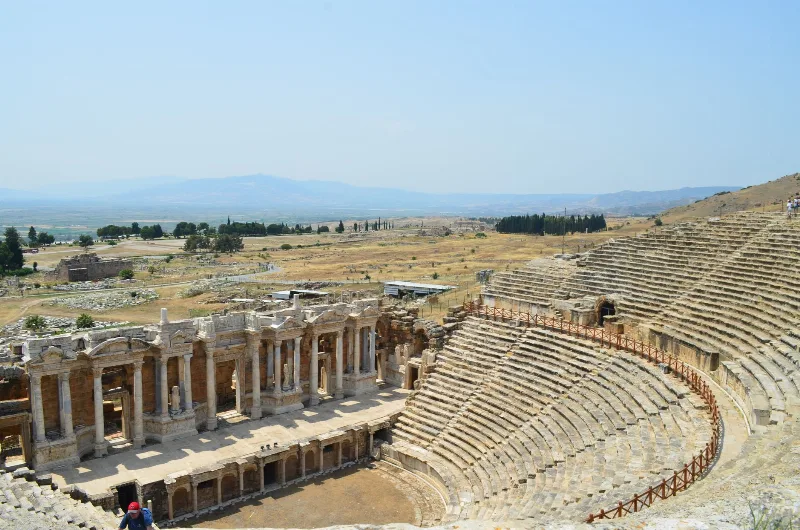
Letoon
Letoon is a Lycian sanctuary near Xanthos in Muğla Province, dedicated to Leto, Artemis and Apollo. Its three temples, theatre and trilingual inscription make it one of southwestern Turkey’s most significant archaeological sites.
Explore →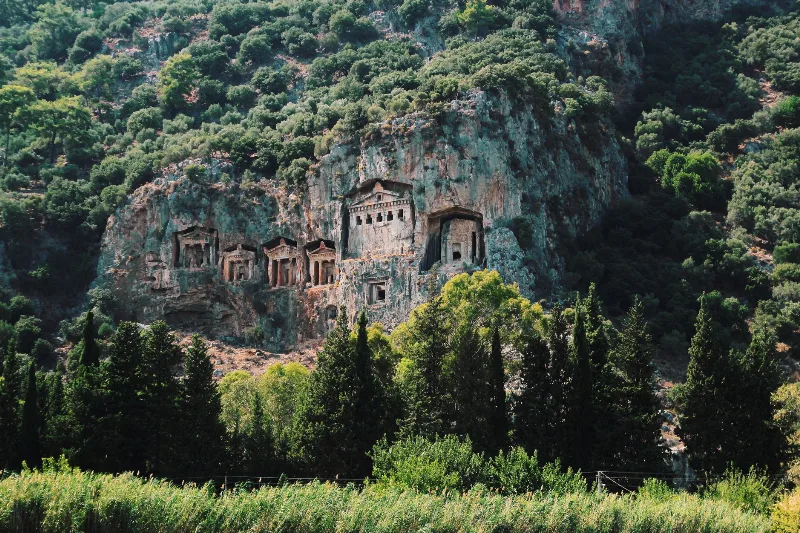
Kaunos
Kaunos is an ancient Carian city on the Dalyan River in Muğla Province, known for its temple-style rock-cut tombs and the extensive ruins of a harbour that silted up centuries ago.
Explore →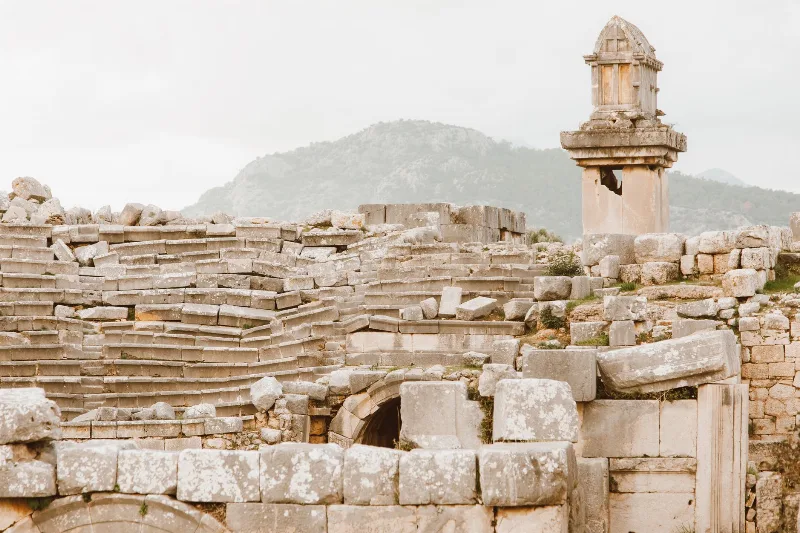
Xanthos
Xanthos is an ancient Lycian city in Antalya Province and a UNESCO World Heritage Site, known for its Lycian tombs, Roman theatre and role as a leading city of Lycia.
Explore →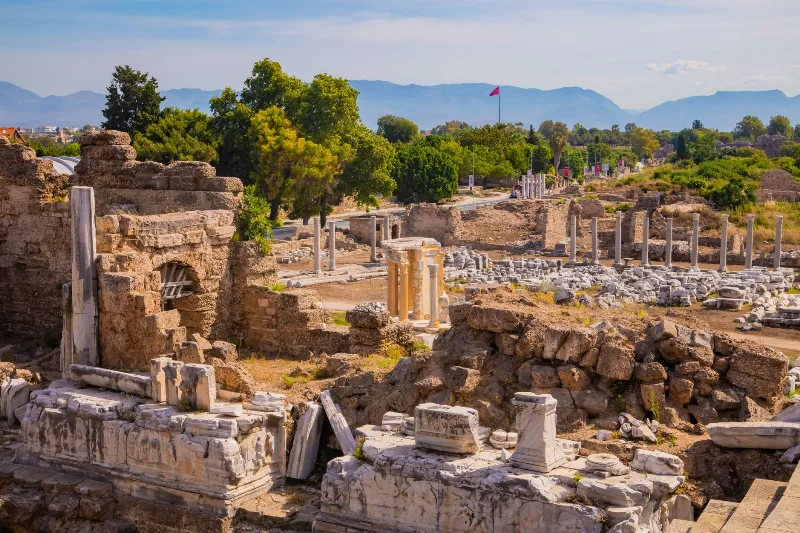
Phaselis
Phaselis is a Rhodian-founded port city on the eastern Lycian coast, where paved streets, agoras, baths and a small theatre stand among pines between three sheltered bays.
Explore →Related content
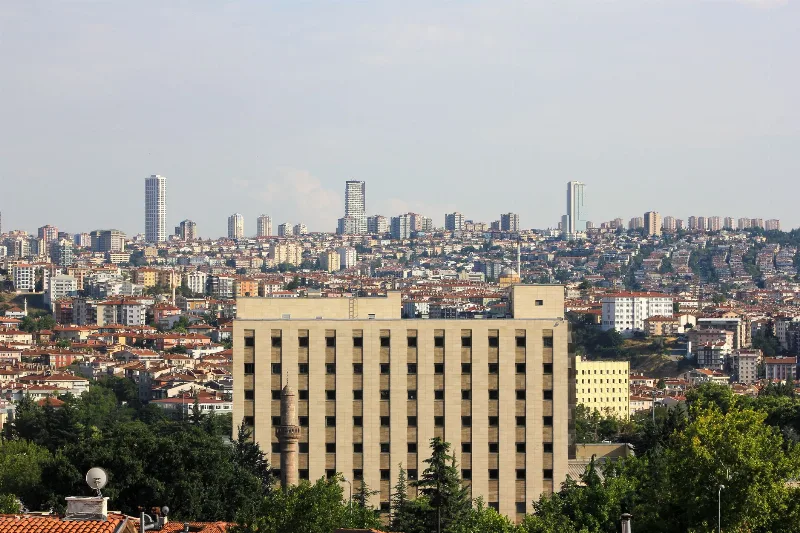
Ankara
Ankara is the capital of Türkiye and the country's second-largest city, set on the high plateau of Central Anatolia and defined by its republican institutions, its long pre-Ottoman history and the mausoleum of Mustafa Kemal Atatürk.
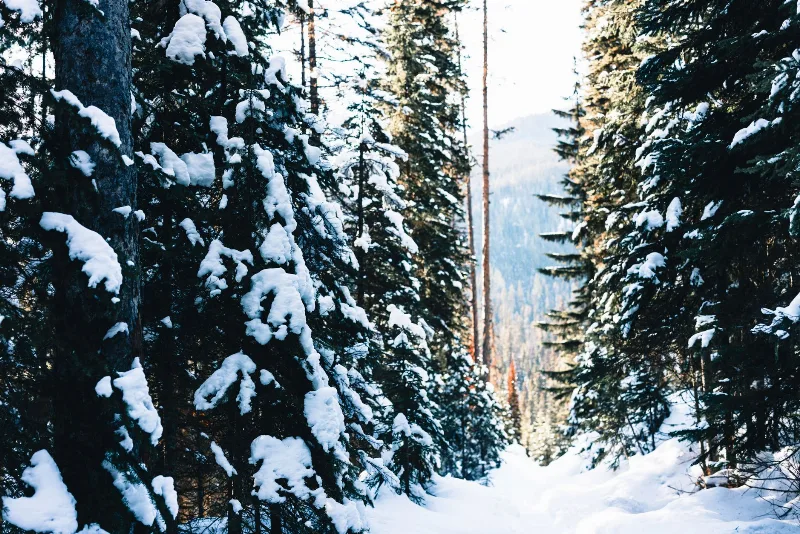
Snow Season in Ilgaz, Kastamonu
Ilgaz National Park in northern Anatolia usually holds snow from December into March, when fir-covered slopes above the Ilgaz Pass turn into the region's main winter landscape. The season's timing and depth shift noticeably from one year to the next.
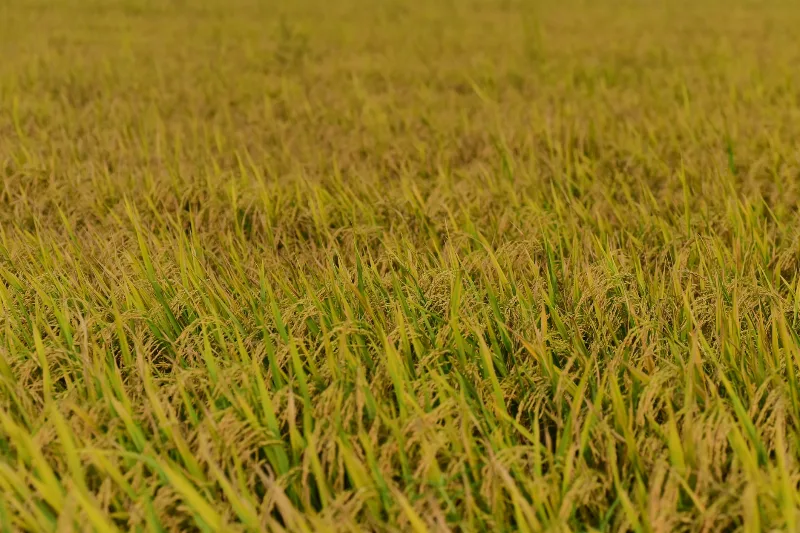
Rice Harvest in Tosya, Kastamonu
Every autumn the rice paddies around Tosya in Kastamonu are drained and cut, turning the Devrez valley from green to gold. The harvest normally falls in September and October, and it is the point in the year when the valley's rice fields are at their most visible and most active.
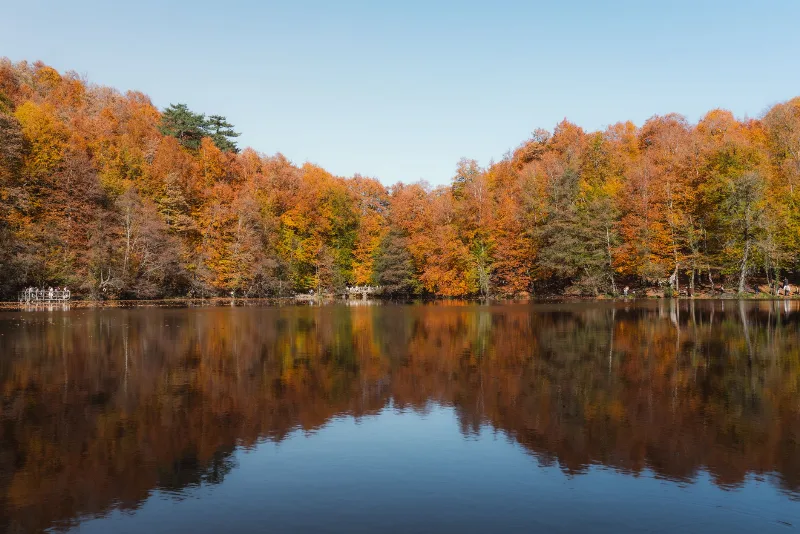
Nature Reserves of the Black Sea Region
Türkiye's Black Sea coast hides a chain of protected landscapes, from glacial lakes in the Kaçkar Mountains to canyons and old-growth forests in Kastamonu and Bartın.
Tosya Rice
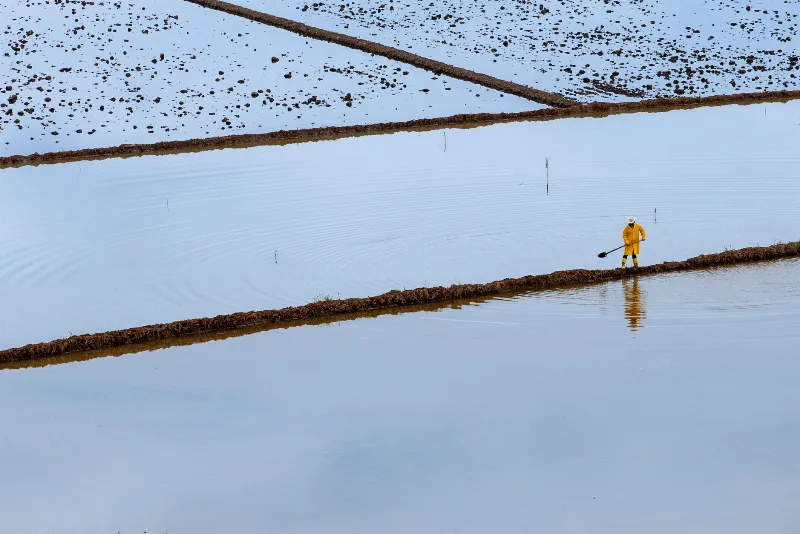
Tosya rice is a long-established rice grown in the Devrez valley around Tosya in Kastamonu province, where river irrigation, alluvial soils and a cool northern Anatolian climate shape the grain's firm texture and aroma.
2-Day Safranbolu and Amasra Route
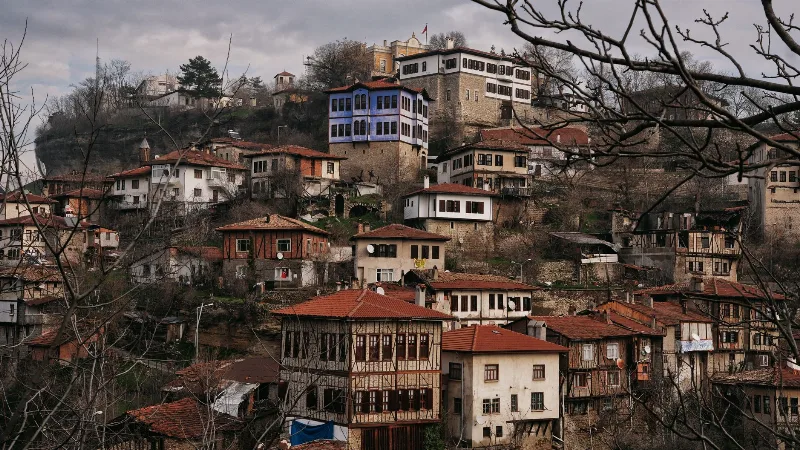
A two-day driving route that starts among the timber-framed houses of Safranbolu, crosses the uplands of Kastamonu and the Küre Mountains, and finishes at the small Black Sea harbour of Amasra.