
Snow Season in Ilgaz, Kastamonu
Ilgaz National Park in northern Anatolia usually holds snow from December into March, when fir-covered slopes above the Ilgaz Pass turn into the region's main winter landscape. The season's timing and depth shift noticeably from one year to the next.
Ilgaz National Park, which stretches across the Kastamonu–Çankırı border in northern Anatolia, typically holds a continuous snow cover from December through March. The core of the season sits on the high ground around the Ilgaz Pass, where the terrain rises to roughly 1,800–1,900 metres and where a ski resort has developed on the slopes above the pass. The period matters because it is the only stretch of the year when these normally green, fir-covered mountains become a sustained winter landscape rather than a place of occasional dustings. Snow does not merely fall here; it settles, accumulates and stays, and that persistence is what makes the season a distinct phenomenon rather than a passing weather event.
Why the Ilgaz Mountains Hold Snow So Consistently
The snow season in Ilgaz is the product of two things working together: elevation and moisture. The range sits close enough to the Black Sea for humid air masses to reach it, and when that moisture is forced up over the high ridges it cools and falls as snow. As a result, the northern Anatolian mountains receive relatively generous snowfall compared with plateau country further inland at similar latitudes. Altitude then does the rest. Above roughly 1,500 metres, temperatures stay low enough through the winter months that what falls tends to remain on the ground, particularly on north-facing slopes and in shaded valley floors where melt is slow.
The forest cover matters too. Ilgaz is known for its dense stands of Turkish fir and Scots pine, and these forests hold snow differently from open ground. Under the canopy the surface stays more sheltered, while cleared slopes and ridge tops collect deeper drifts. This is part of why the park reads as a genuine winter landscape rather than a briefly whitened one.
When the Snow Typically Arrives and How Long It Lasts
First significant snowfall in the park generally comes somewhere between late November and the end of December, though the exact timing varies considerably. Some years bring early snow that settles at altitude in November and then partially melts before the real season begins; others hold off until well into December. The reliable snow-cover window, when the ground above the pass is consistently white, is usually January and February, with December and March forming the shoulders of the season.
The season commonly extends into March, and at the highest elevations patches can persist into April in shaded hollows and along north-facing forest edges. That late-lying snow is not the same as a full winter cover, but it explains why the park can still look wintry well after lower ground has greened. Anyone planning around the season should treat December to March as the normal window rather than a fixed schedule.
What the Landscape Looks Like Under Snow
During the core of the season the fir forests above the pass turn dark green against white ground, a contrast that defines the park's winter appearance. Ridge lines soften, the road over the pass runs between snow banks, and the open slopes used for winter sports become broad white fields broken by tree lines. Lower down, the transition is gradual: the road climbs through forest that may be bare and wet at the foot of the range and fully snowbound near the top. Fog and low cloud are common, and on overcast days visibility on the upper slopes can drop sharply before clearing again.
Because the park is a protected area, the winter landscape remains largely free of built development outside the concentrated ski zone, so the dominant impression is forest, snow and sky.
Winter Sports and How the Slopes Are Used
The ski resort near the Ilgaz Pass is the reason the snow season draws visitors rather than simply being a scenic interval. Its runs sit in the forest belt at an elevation where snow usually holds, and the winter sports activity — skiing, snowboarding and general snow play — is concentrated in the months when cover is dependable. Snow quality changes through the season: early-winter snow is often lighter and drier, while late-season snow in March can become wet and heavy as temperatures rise during the day and fall again at night.
How Weather Makes Each Season Different
No two winters in Ilgaz are alike, and this variability is central to understanding the season. A winter with frequent Black Sea moisture can deliver deep, long-lasting cover; a drier winter can leave the upper slopes patchy for weeks. Mid-winter thaw periods occasionally interrupt the cover even in January. Snow depth, the start of the season and the date the last continuous cover breaks up all shift from year to year depending on prevailing weather patterns, so approximate timing should always be treated as an expectation rather than a guarantee.
Practical Conditions in the Snow Season
Cold is the defining practical factor, with temperatures at altitude frequently below freezing through January and February and wind making the upper slopes feel considerably colder. Snowfall can close the pass road temporarily, and the climb from either side is steep enough that conditions change quickly with height. Visitors should expect compacted snow and ice on roads and paths, shortened daylight, and the possibility of fog on the ridges. Waterproof footwear and layered clothing are more useful here than anything aimed at milder winter conditions.
Other Places in the Same Snow Belt
The same mountain system continues east and west along the range, so similar winter conditions can be found on the higher ground beyond the national park boundary, where forest and elevation produce comparable snow cover. Travellers moving between Kastamonu and Çankırı cross the range through the pass and see the transition for themselves — snow at the top, often none at the bottom. That contrast, contained within a single climb, is one of the clearest illustrations of what the Ilgaz snow season actually is.
EXPLORE BY THEME
All themes →
Seasonal Experiences
Harvests, festivals, natural seasons and local events throughout the year.
Explore →
Nature
Lakes, forests, rivers, canyons, mountains, wetlands and national parks across Türkiye.
Explore →
Routes
Road trips, coastal drives, cultural routes and scenic journeys across Türkiye.
Explore →Related content
3-Day Kastamonu and Ilgaz Route
A three-day drive from Kastamonu's old town to the fir-covered slopes of Ilgaz National Park, combining Ottoman-era streets with mountain walking in Türkiye's Western Black Sea region.
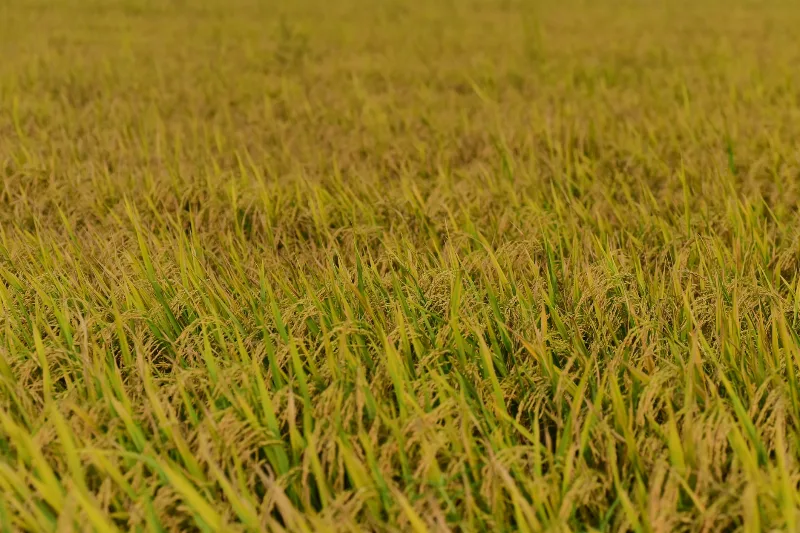
Rice Harvest in Tosya, Kastamonu
Every autumn the rice paddies around Tosya in Kastamonu are drained and cut, turning the Devrez valley from green to gold. The harvest normally falls in September and October, and it is the point in the year when the valley's rice fields are at their most visible and most active.
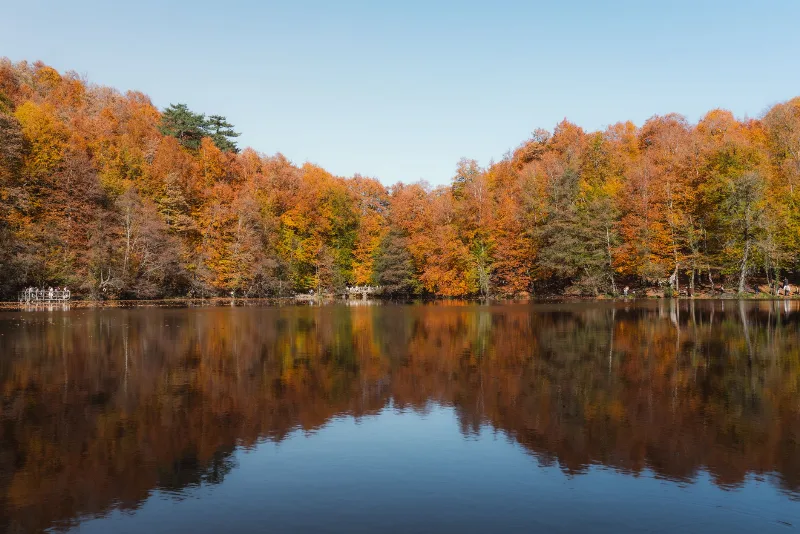
Nature Reserves of the Black Sea Region
Türkiye's Black Sea coast hides a chain of protected landscapes, from glacial lakes in the Kaçkar Mountains to canyons and old-growth forests in Kastamonu and Bartın.
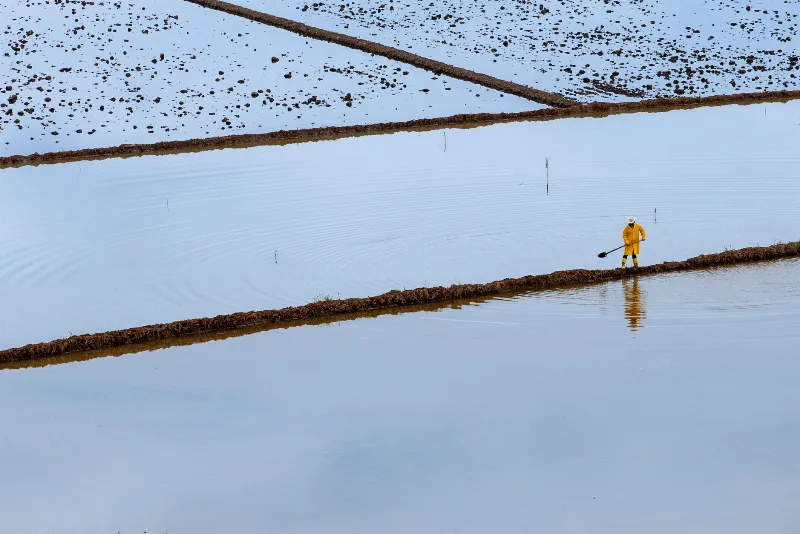
Tosya Rice
Tosya rice is a long-established rice grown in the Devrez valley around Tosya in Kastamonu province, where river irrigation, alluvial soils and a cool northern Anatolian climate shape the grain's firm texture and aroma.
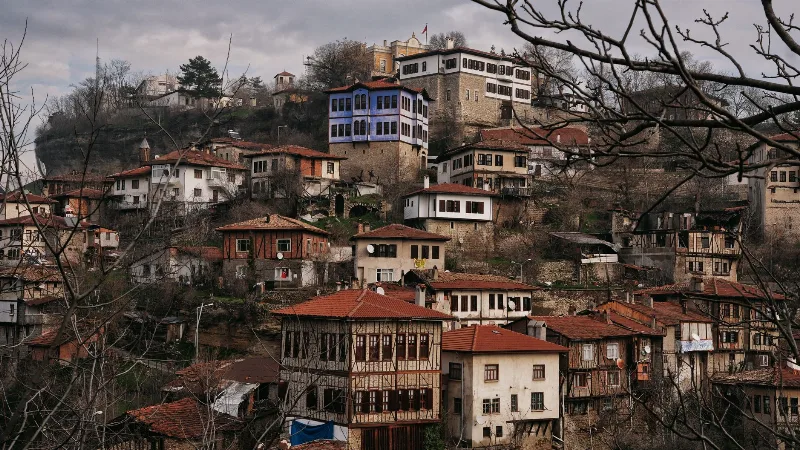
2-Day Safranbolu and Amasra Route
A two-day driving route that starts among the timber-framed houses of Safranbolu, crosses the uplands of Kastamonu and the Küre Mountains, and finishes at the small Black Sea harbour of Amasra.
4-Day Western Black Sea Route
A four-day driving route through Türkiye's Western Black Sea region, linking the historic town of Safranbolu with the coastal town of Amasra and the inland city of Kastamonu.