
Black Sea Region
The Black Sea Region of Türkiye is known for its lush green mountains, misty highlands, dense forests and traditional villages. Stretching along the country's northern coast, the region combines spectacular natural scenery with historic towns, tea-growing landscapes and distinctive local traditions.
Discover the Black Sea Region
Stretching across northern Türkiye, the Black Sea Region is one of the country's greenest and most distinctive geographical areas. Its landscape is shaped by forested mountains, river valleys, coastal towns, waterfalls and highland meadows.
The Black Sea coastline extends from the western parts of the country toward the northeastern border, creating a region with diverse natural environments and longstanding cultural traditions.
The relationship between the mountains and the sea is central to the region's identity. Along the coast, towns and cities overlook the Black Sea, while inland valleys lead toward mountain villages, plateaus and forests.
Cities and Cultural Heritage
Trabzon is one of the eastern Black Sea's most prominent cities, known for its historic architecture, coastal setting and mountain surroundings. The Sumela Monastery, built against a dramatic rock face in the Altındere Valley, is among the region's most recognizable historical landmarks.
Rize is particularly associated with tea plantations and green mountain scenery. The nearby valleys and highlands are known for traditional settlements and spectacular natural landscapes.
Farther west, Samsun, Ordu, Giresun, Sinop, Kastamonu, Bartın and Bolu contribute to the region's varied geographical and cultural identity.
Amasya is especially notable for its historic houses along the Yeşilırmak River and the ancient rock tombs overlooking the city. Safranbolu, in Karabük Province, is celebrated for its preserved Ottoman architecture and traditional urban character.
Mountains, Forests and Highlands
The Black Sea Region is famous for its rich natural landscapes. The Kaçkar Mountains rise above the northeastern coast, creating a remarkable environment of alpine meadows, glacial lakes and mountain valleys.
Highlands such as Ayder, Pokut, Gito and Perşembe are known for their open green scenery and traditional highland atmosphere.
The region also includes extensive forest landscapes, including the Küre Mountains and the forests of the western Black Sea.
Uzungöl, Borçka Karagöl and many smaller mountain lakes add to the area's scenic diversity. Rivers and waterfalls flow through valleys surrounded by dense vegetation, forming some of Türkiye's most recognizable green landscapes.
Food and Local Flavours
Black Sea cuisine reflects the region's geography, agriculture and traditional rural life.
Corn, cabbage, beans, local cheeses and regional breads are important ingredients in many dishes. The eastern Black Sea is especially associated with kuymak or mıhlama, a traditional dish prepared with cornmeal, butter and cheese.
Anchovies are closely connected with the coastal food culture, particularly in the eastern and central parts of the region.
Tea is one of the Black Sea's best-known agricultural products, especially around Rize. Hazelnut cultivation is also an important part of the landscape and local economy in areas such as Ordu and Giresun.
Architecture and Traditional Life
Traditional Black Sea architecture often reflects the mountainous terrain and abundant natural materials. Wooden houses, stone foundations and hillside settlements are characteristic of many rural communities.
Highland culture remains an important part of the region's identity, with seasonal traditions, local music, dances and community gatherings.
Historic wooden bridges, village mosques, traditional houses and local craft practices contribute to the area's cultural richness.
The Green Landscape of Northern Türkiye
The Black Sea Region offers a distinctive combination of forested mountains, historic towns, highland culture and coastal scenery.
From the tea-covered hills of Rize to the historic streets of Amasya and Safranbolu, the region presents a rich geographical and cultural landscape shaped by the sea, mountains and generations of local traditions.
Related content
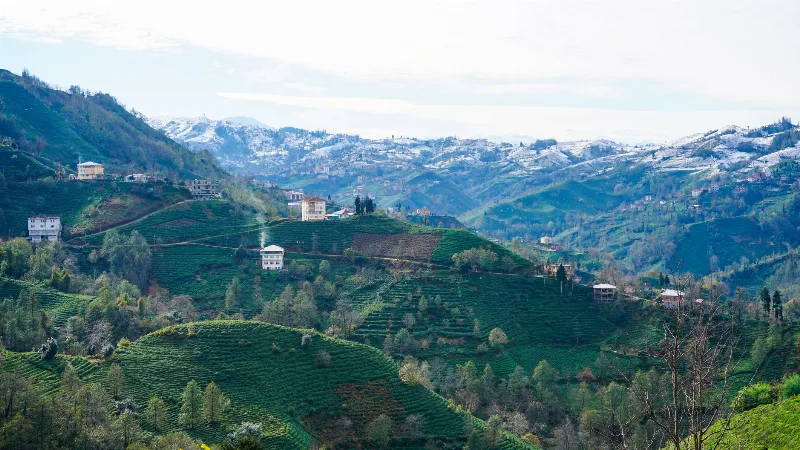
Rize
Rize is the capital of Rize Province on Türkiye's northeastern Black Sea coast, a city shaped by tea plantations, steep forested slopes and the high plateaus of the Kaçkar Mountains further inland.
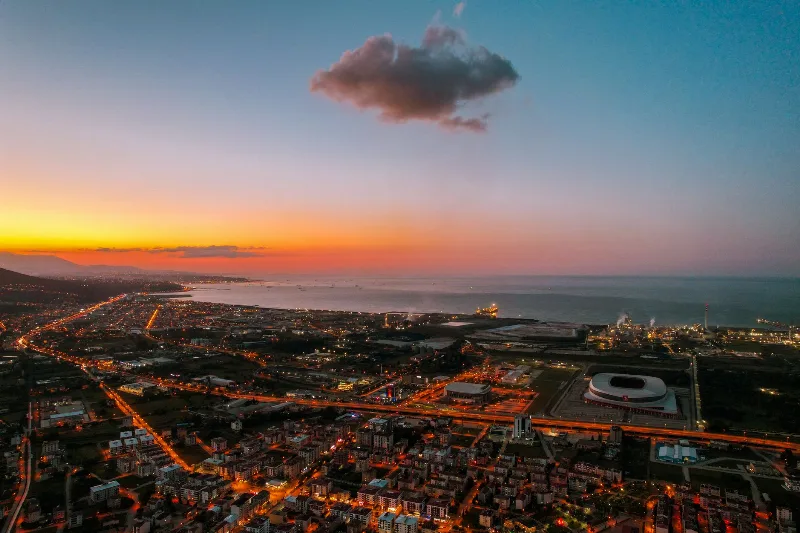
Samsun
Samsun is a large Black Sea port city in northern Türkiye and the historic starting point of the Turkish War of Independence in 1919. It is a major metropolitan centre set between wide river deltas, coastal plains and the mountains of the Black Sea hinterland.
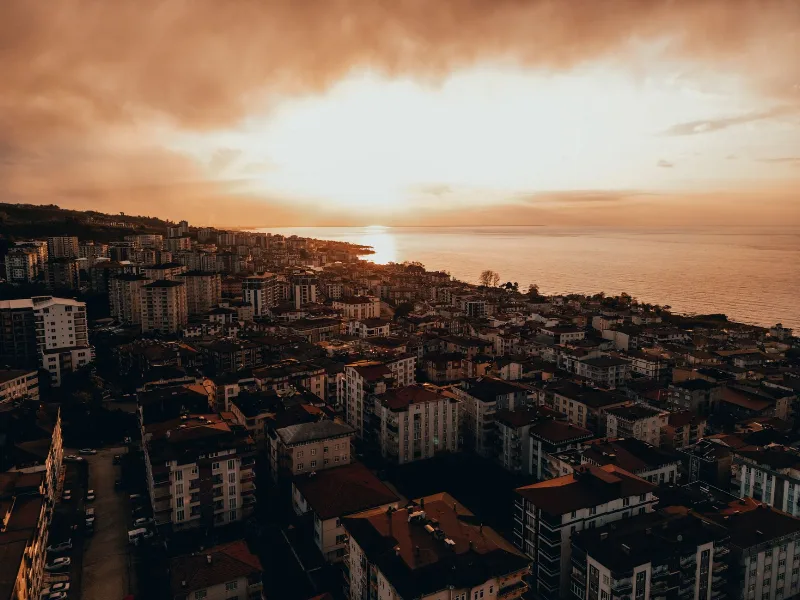
Ordu
Ordu is a Black Sea city in northern Türkiye and the centre of Ordu Province, built on a narrow coastal strip between the sea and the Pontic Mountains. It is best known for hazelnut production and for the panoramic views from Boztepe above the city.
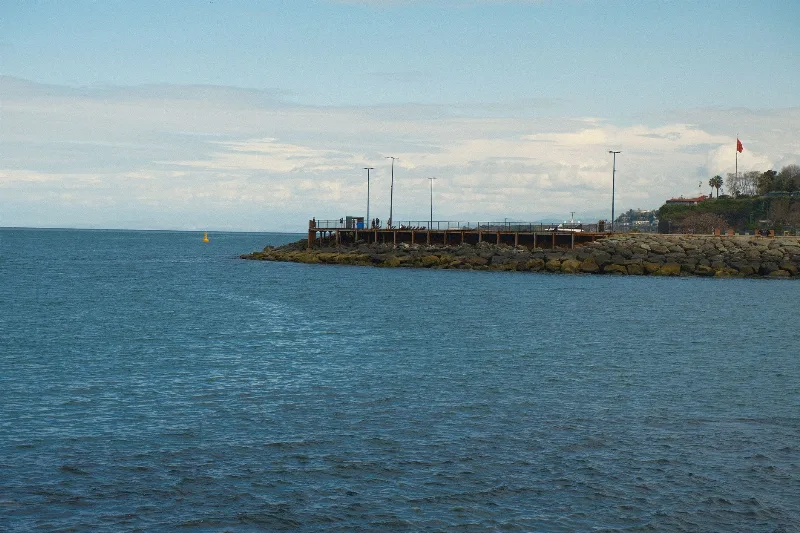
6-Day Central Black Sea Route
A six-day journey along Turkey's Central Black Sea coast from Samsun to Trabzon, visiting Ordu and Giresun with highland and beach stops.
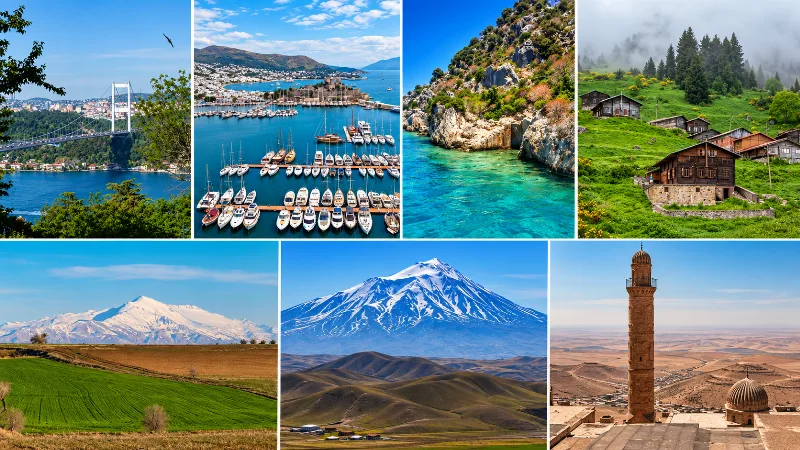
The Seven Geographical Regions of Turkey
An introduction to Turkey’s seven geographical regions and the landscapes, climates and cultural characteristics that distinguish them.
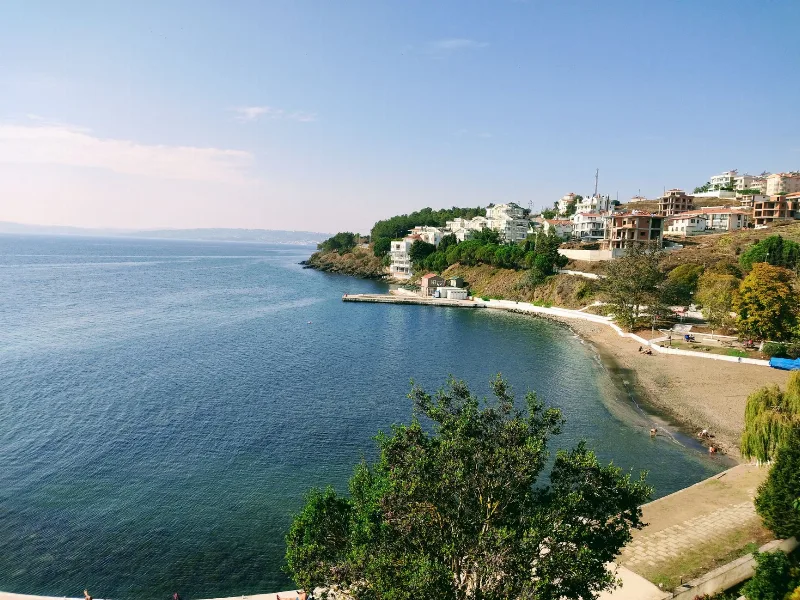
5-Day Black Sea Coast Route
A five-day linear journey along Türkiye's central and eastern Black Sea coast, from Sinop to Trabzon, with an inland detour to Amasya and stops in Ordu and Giresun along the way.