
Akyaka
Akyaka is a small settlement in Ula district, Muğla, on the Gulf of Gökova, recognised for its white Ula-style houses with timber bay windows and for the cold, clear Azmak River that runs through it to the sea.
Akyaka is a small coastal settlement in Ula district, Muğla province, in south-western Türkiye, positioned at the eastern end of the Gulf of Gökova where the flat Gökova plain reaches the sea. Administratively it is a neighbourhood of Ula, but in size and character it is a village: a compact group of low houses set around a spring-fed stream, the Azmak, which flows through the settlement and empties into the gulf. Two features define the place — a local building tradition known as Ula architecture, with whitewashed walls and dark timber detailing, and the Azmak itself, a cool, clear river that gives the village its shape and its rhythm.
Where Akyaka sits in the landscape
The village occupies a narrow band of ground between the Gulf of Gökova to the south and a wooded hillside to the north. Behind it, the Gökova plain opens inland towards Muğla as flat agricultural land, and across the water the mountains of the gulf's southern shore are visible for most of the year. The coastline around Akyaka is a mix of small bays, a sandy and pebbly beach near the river mouth, and low rocky stretches. The Akyaka area lies within the Gökova Special Environmental Protection Area, a status granted in the late 1980s, which limits new construction and helps explain why the village has kept its low, uniform skyline instead of growing upwards.
The position is what makes Akyaka unusual in Muğla: it is not a hill village and not a large resort, but a settlement built on the boundary between freshwater and saltwater, where a river, a plain, a forested slope and a gulf all meet within a few hundred metres.
The Ula-style houses that give Akyaka its character
Akyaka is best known for its houses. The local style, shared with the town of Ula inland and with several villages on the plain, uses a stone or masonry ground floor with a timber upper storey, finished in white and detailed with dark wood. The upper floor often projects outwards over the street as a closed bay window, supported on timber brackets, and windows are grouped in rows of small panes. Roofs are pitched and covered in tile, chimneys are modest, and garden walls are low, so fig trees, olives and bougainvillea spill over the street.
This architecture was nearly lost in the second half of the twentieth century. The poet and architect Nail Çakırhan restored a house in Akyaka and received the Aga Khan Award for Architecture in 1983 for the work, which drew national attention to the local building tradition. That recognition, together with the protected status of the area, encouraged owners to repair and rebuild in keeping with the Ula model rather than replace old houses with concrete blocks. Walking through the village today, the effect is consistent: narrow streets, white facades, brown timber, and very few buildings taller than two storeys.
The Azmak River
The Azmak is a spring-fed stream, not a rain-fed one, which means it carries water all year and stays cold even in midsummer. It rises from karst springs a short distance inland, crosses the Gökova plain, then passes through Akyaka in a channel lined with dense underwater vegetation before reaching the gulf. The water is clear enough to see the weed beds and the fish moving in it, and the current is gentle along most of the village stretch.
The river is the social centre of Akyaka. Its banks are shaded by tall trees, small boats move along the lower section, and the channel widens near the mouth, where it meets the sea across a shallow bar. Because the river and the sea come together here, the water in the bay stays calm, and the temperature difference between the two is noticeable if you swim in both.
Streets, shoreline and the gulf
Akyaka's streets are short and mostly flat, running between the riverbank, the beach and the wooded slope above the village. There is no old bazaar or monumental centre; the settlement is residential in plan, with open ground around the river and along the shore. The gulf here is a wide, enclosed bay, and the afternoon wind that builds across it in summer has made Akyaka a recognised spot for windsurfing and kitesurfing, with the bay used as a training area for both.
The shoreline near the village is a mix of sand and pebbles, backed by trees and low walls. Further along the coast, the fine-sand beach at İncekum, on the Gökova side, is the broadest stretch of sand in the immediate area.
History and the wider Gökova setting
The Gökova plain has been settled since antiquity. The ancient Carian city of Idyma is associated with this part of the coast and plain, and rock-cut tombs and fragments of ancient masonry survive in the hills and slopes around the plain rather than in Akyaka itself. For most of its later history the area was agricultural — olives, citrus, tobacco and grain — and Akyaka remained a small riverside settlement until the road along the gulf and the protection of the Gökova area changed its fortunes in the late twentieth century.
What you can realistically see on foot
A walk through Akyaka takes an hour or two at an easy pace. You can follow the Azmak from the upper village down to the river mouth, look at the houses along the side streets, cross to the beach, and continue a little way along the shore towards Gökova. The village is small enough that no plan is needed: the river, the beach and the wooded slope form the natural limits, and almost everything worth seeing lies between them. Distances are short and the ground is level near the water, with gentle inclines only on the streets climbing towards the hill.
Getting to Akyaka
Akyaka lies just off the Muğla–Marmaris highway, with its own exit, on the coastal side of the road. Muğla is roughly 25 kilometres inland via Ula, and Marmaris is about 30 kilometres to the west; the nearest airport is Dalaman, further along the coast to the south-east. Regular minibus and bus services connect Akyaka with Muğla, Ula and Marmaris, and the village is easy to reach by car. The road that follows the northern shore of the Gulf of Gökova continues west towards Akbük, Ören and eventually Bodrum, so Akyaka can be included in a route along the gulf rather than visited only as a dead end.
When to visit
Spring and early summer, roughly April to June, and the early autumn months of September and October are the most comfortable periods. Daytime temperatures are moderate, the surrounding hills are green in spring, and the village is quieter than in high summer. July and August are hot and busy, with strong afternoon winds on the gulf; the shade along the Azmak is the coolest place in the village at that time. Winter is mild and very quiet, with fewer services open, but the landscape and the river remain the main reasons to come.
Practical points before you go
Places nearby that are genuinely connected
Ula, the district centre, is inland on the Muğla road and shares the same architectural tradition. Gökova and Akçapınar are neighbouring settlements on the plain, close enough to walk or cycle to along quiet lanes. Muğla, with its old quarter and market, and Marmaris, with its harbour and long coastline, are the two main towns within easy reach. The northern shore of the Gulf of Gökova, with the small coastal settlements of Akbük and Ören on the road towards Bodrum, forms a natural continuation of a journey that begins or ends at Akyaka.
From the land
Find All →
Datça Almonds
Datça almonds are the almonds grown on the Datça peninsula in Muğla province, southwestern Türkiye, where mild Mediterranean winters, sea air and rocky, well-drained slopes have shaped a local almond-growing tradition centred on sweet, firm kernels.
Explore →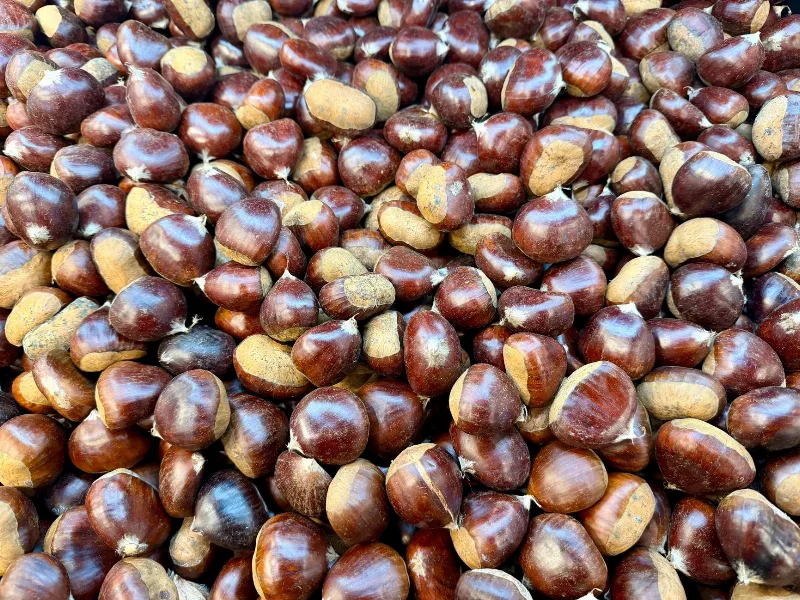
Aydın Chestnuts
Grown in the mountain areas of Aydın Province, Aydın chestnuts are sweet chestnuts shaped by the Aegean region's warm summers, mild winters and free-draining soils.
Explore →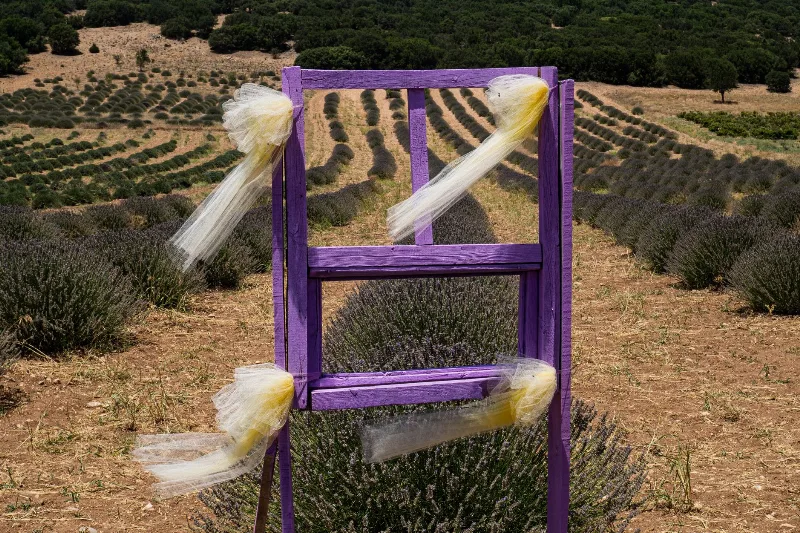
Isparta Lavender
Isparta lavender is the aromatic crop grown on the high, dry plateaus of Isparta province in southwestern Türkiye, where calcareous soils and sun-drenched summers produce essential oil, dried flowers and a purple summer landscape.
Explore →Related content
Muğla
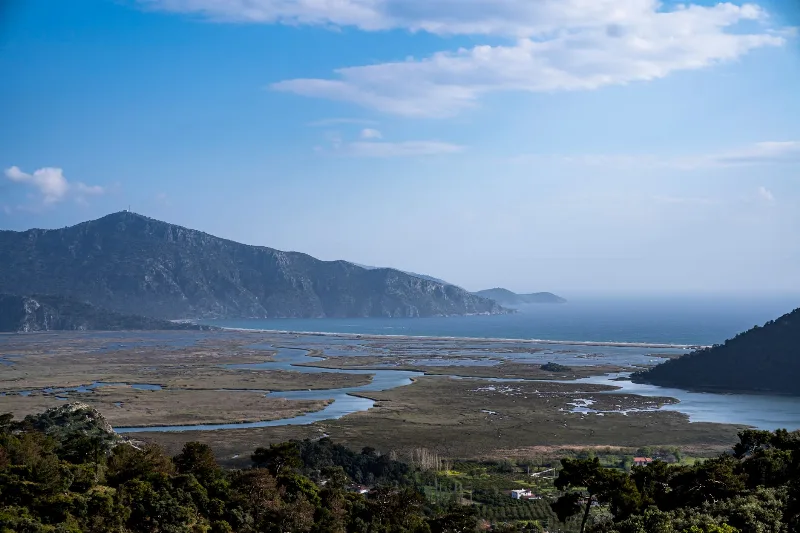
Muğla is a captivating province in southwestern Türkiye, renowned for its stunning Aegean coastline and rich cultural heritage.
Marmaris
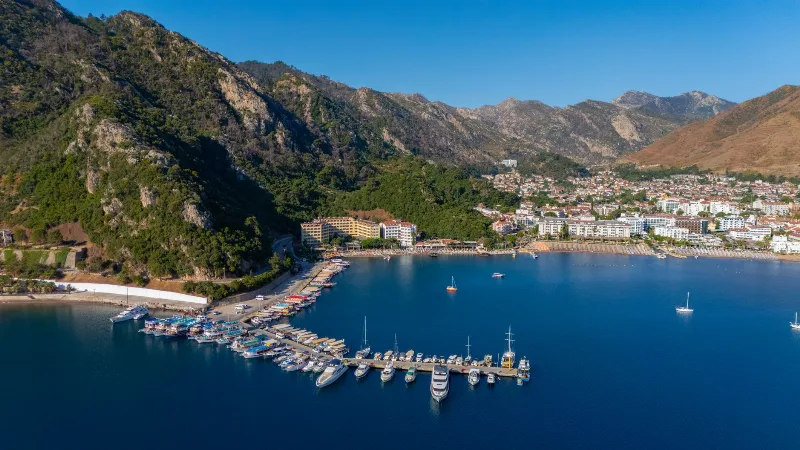
Marmaris is a dynamic port city on the Turquoise Coast, known for its vibrant marinas and lively nightlife, offering scenic harbor views.
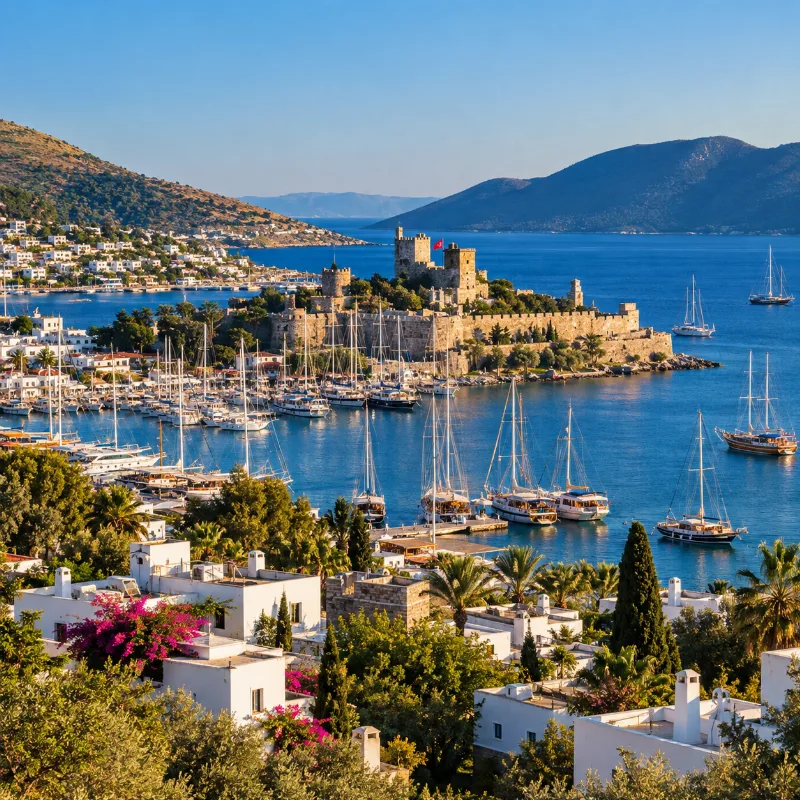
Bodrum
Bodrum is a coastal district of Muğla Province known for its whitewashed architecture, castle, Aegean coastline, bays and ancient Halicarnassus heritage.
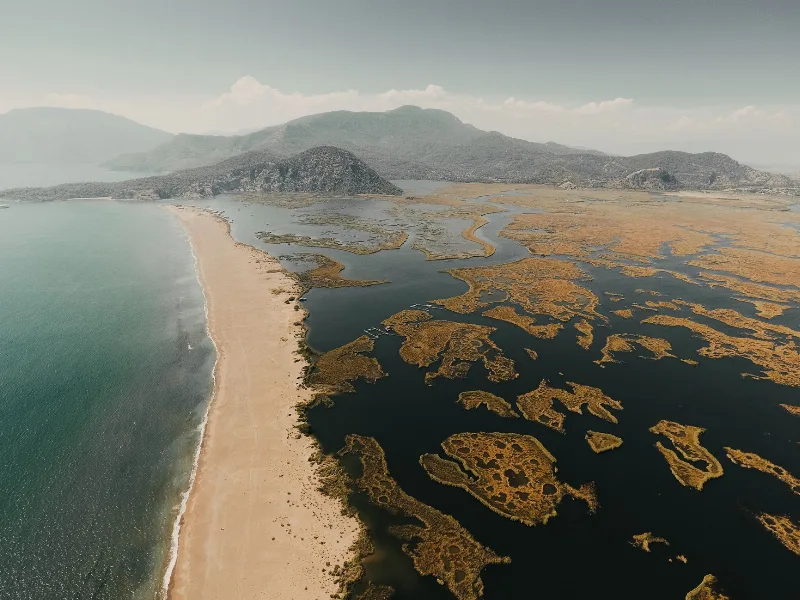
4-Day Marmaris and Dalyan Route
A four-day linear route that starts in Marmaris, crosses the Gulf of Gökova and Lake Köyceğiz, and ends around the river, rock tombs and turtle beach of Dalyan.
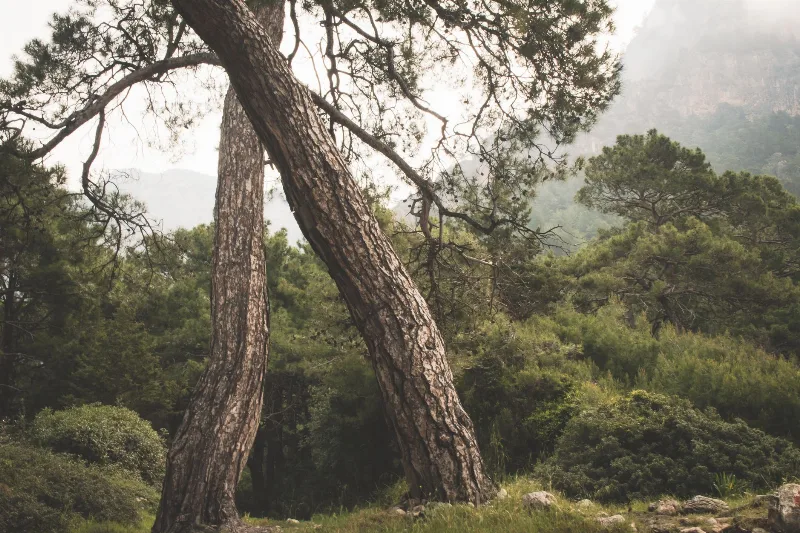
Pine Honey Harvest in Marmaris, Muğla
Every autumn, the pine forests around Marmaris in Muğla Province host Türkiye's pine honey harvest, when beekeepers collect honey made from pine-tree honeydew rather than flower nectar. The timing of this harvest depends heavily on how the season's weather unfolds.
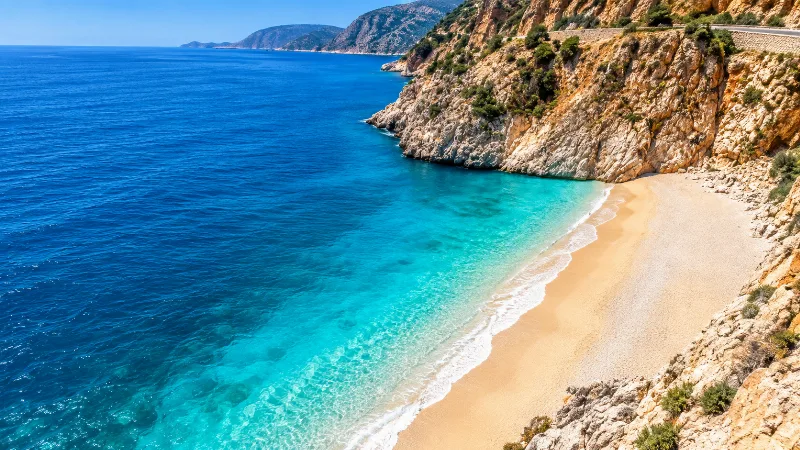
Beaches & Bays
Coasts, coves, islands and seaside places across Türkiye.