
Pine Honey Harvest in Marmaris, Muğla
Every autumn, the pine forests around Marmaris in Muğla Province host Türkiye's pine honey harvest, when beekeepers collect honey made from pine-tree honeydew rather than flower nectar. The timing of this harvest depends heavily on how the season's weather unfolds.
Each autumn, the pine forests around Marmaris in Muğla Province become the focus of Türkiye's pine honey harvest. Normally from around late September into November, beekeepers working across the wooded hills behind the town collect honey that bees have produced not from flower nectar but from the honeydew of the region's pine trees. This fairly short window, which shifts from year to year with the weather, is what gives the district its specific role in Turkish beekeeping and why the harvest is tied so closely to the natural rhythm of the forest.
Why the Honey Comes from Pine Trees Instead of Flowers
In most of Türkiye, honey comes from flowering plants, and beekeepers follow blooms through the spring and summer. The forests around Marmaris work differently. The dominant tree here is the Turkish red pine, and during the hot, dry months a small insect that lives on the bark and branches feeds on the tree's sap and excretes a sugary liquid known as honeydew. Bees collect this honeydew instead of nectar and turn it into the dark, aromatic honey that is associated with the Muğla region.
This matters because the pine forests are naturally poor in nectar-producing flowers during the height of summer. When flowering plants fade, the honeydew remains available, and the bees continue to work it. By the time autumn arrives, hives across the district are often heavy with honey that carries the resinous, slightly bitter character typical of the region. That flavour is tied directly to the forest, which is why the same honey is not produced in the same way elsewhere.
Approximately When the Harvest Takes Place
The harvest generally happens in autumn, once the bees have finished the main honeydew flow and the beekeeper judges that the combs are capped and ready. In most years this falls between late September and early November, though the exact start is not fixed. An early or late season depends on the summer and early-autumn weather, on how much honeydew the insects produced, and on how quickly the bees stored it.
Because the harvest is driven by natural conditions rather than a calendar date, beekeepers watch the hives rather than the diary. Some years the work begins earlier; in other years it is pushed later. Visitors hoping to witness the activity should treat the autumn months as a general window rather than a guaranteed date.
How the Autumn Season Develops
The season builds gradually. Through the warm months, hives placed in and around the pine woods collect honeydew as it appears on the trees. As nights cool in early autumn, the honeydew flow typically declines and the bees begin to seal the honey in the comb. Beekeepers then remove the honey-laden frames, and much of the extraction and processing in Muğla Province is carried out in the district's established honey facilities, where the crop is separated from the wax.
The pace is uneven. A warm, settled autumn can extend the work, while early rain and cooler temperatures can bring it to a close sooner. This variation is normal, and experienced beekeepers plan around it.
Weather and Year-to-Year Differences
Rainfall, heat and humidity all shape the honeydew season. A dry, stable summer often supports better honeydew production, while unusual cold or heavy rain can interrupt the insects' activity and reduce the flow. Because of this, the volume of honey harvested in Marmaris and the surrounding villages changes noticeably from one year to the next, and the same applies to when the harvest is carried out.
This is why no reliable source gives a single fixed harvest date. The season is best understood as a natural process that follows the weather, not a scheduled event.
What the Pine Forests Look Like During the Season
By autumn, the landscape around Marmaris is still predominantly green, dominated by pine rather than broadleaf trees, so there is no dramatic turning of the leaves as in some other parts of Türkiye. What changes is the light and the atmosphere: the heat of midsummer eases, the air is often clearer, and the wooded slopes behind the town and the coastal hills become more comfortable to walk. Maquis shrubs and the undergrowth of the pine forest remain largely evergreen.
Terrain in the area is hilly and in places steep, and paths through the pine woods can be dusty in dry conditions and muddy after autumn rain. Anyone exploring the forests should expect uneven ground and should not rely on perfectly maintained trails.
What a Visitor Can Realistically Observe
Visitors in autumn are most likely to see beekeeping activity at the edges of the forest, where rows of hives are often placed among the pines. The movement of vehicles and equipment is part of the seasonal routine, and the honey itself frequently appears in local markets and shops once the harvest has been processed. It is worth remembering that the harvest is a working agricultural period, not a public attraction, so visitors should keep a respectful distance and avoid disturbing hives.
The main thing to appreciate is the connection between the forest and the honey. In autumn, the season's character in this part of Muğla comes less from colour or blossom and more from the quiet, practical work of bringing in a crop that could not exist without the pine woods.
Nearby Places Tied to the Same Season
The pine honey season is not limited to Marmaris itself. Other parts of Muğla Province, including the wooded areas around Gökova, Köyceğiz and the hills toward Datça, share the same pine forests and, in many cases, the same autumn harvest rhythm. Travellers interested in the wider picture can reasonably consider these neighbouring districts as part of the same seasonal landscape, since the trees and the honeydew that define the harvest extend across the region.
EXPLORE BY THEME
All themes →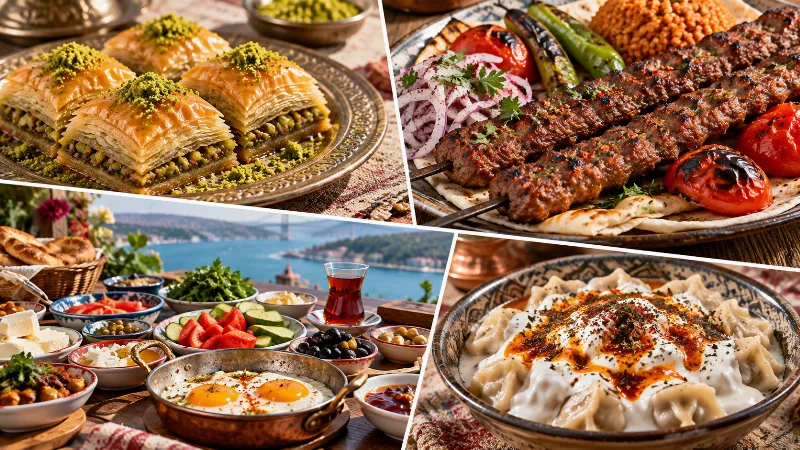
Food
Regional dishes, desserts, local ingredients and culinary traditions across Türkiye.
Explore →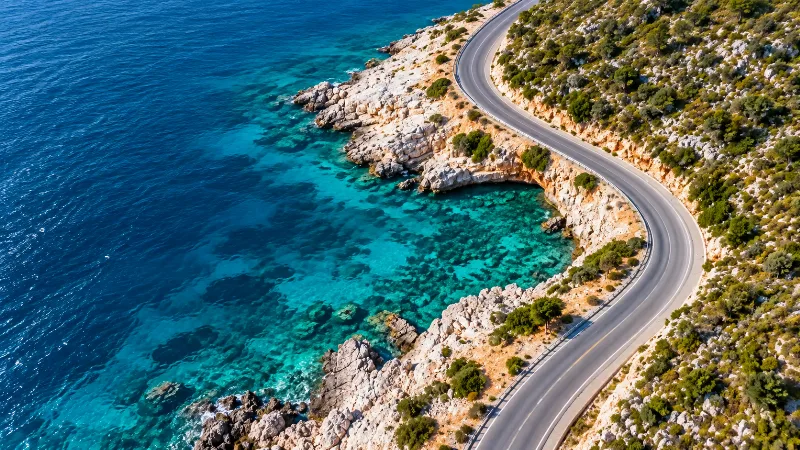
Routes
Road trips, coastal drives, cultural routes and scenic journeys across Türkiye.
Explore →
Seasonal Experiences
Harvests, festivals, natural seasons and local events throughout the year.
Explore →Related content
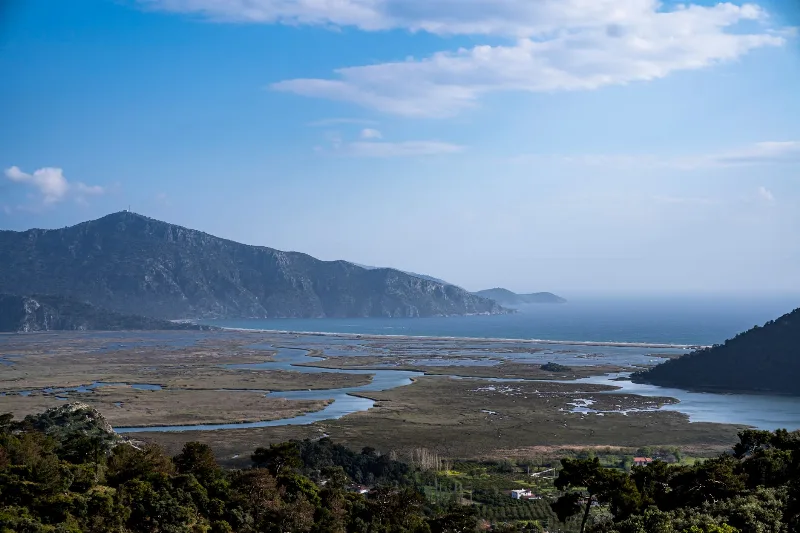
Marmaris
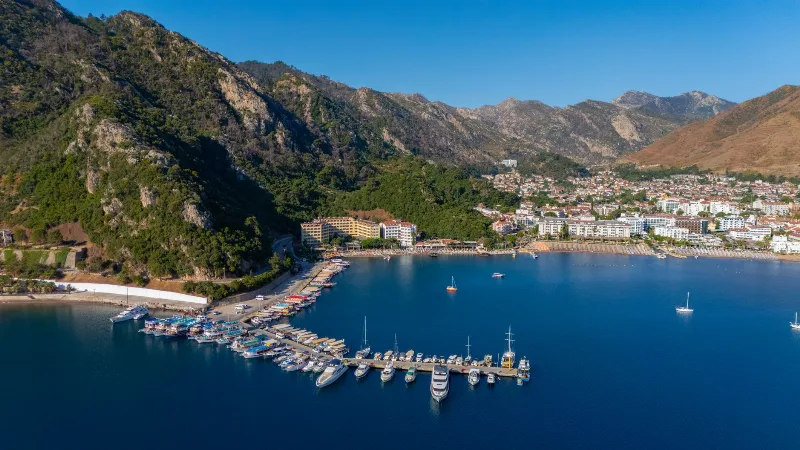
Marmaris is a dynamic port city on the Turquoise Coast, known for its vibrant marinas and lively nightlife, offering scenic harbor views.
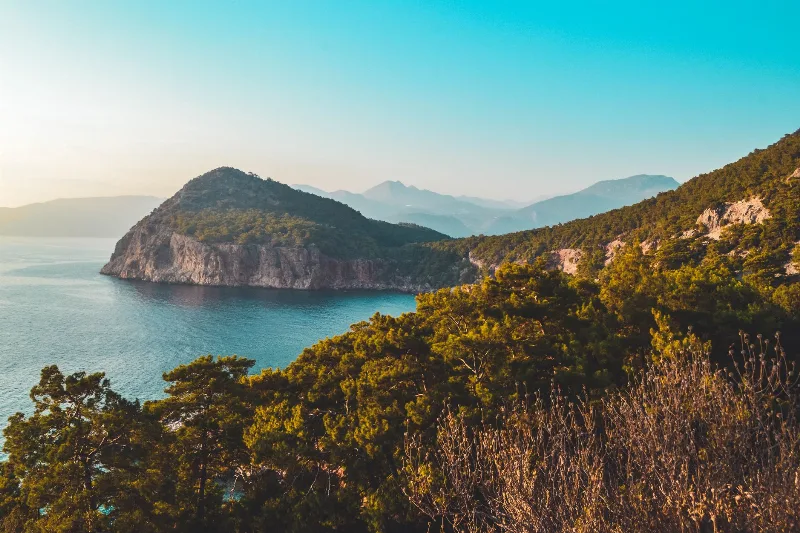
Muğla
Muğla is a captivating province in southwestern Türkiye, renowned for its stunning Aegean coastline and rich cultural heritage.
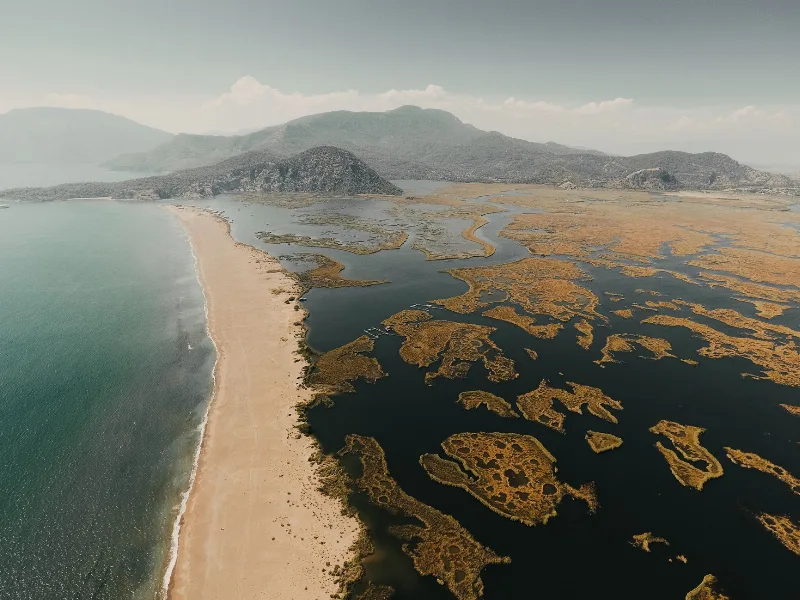
Datça
Datça Peninsula offers serene beaches, lush almond groves, and unspoiled beauty, making it a unique getaway in Türkiye.
4-Day Marmaris and Dalyan Route
A four-day linear route that starts in Marmaris, crosses the Gulf of Gökova and Lake Köyceğiz, and ends around the river, rock tombs and turtle beach of Dalyan.
Datça Almond Orchards and Olive Oil Tradition in Muğla
The Datça peninsula in Muğla pairs a dry, wind-shaped landscape with almond orchards and a long-established olive-oil culture. Its groves, terraces and seasonal harvests reveal a quieter side of the Aegean.
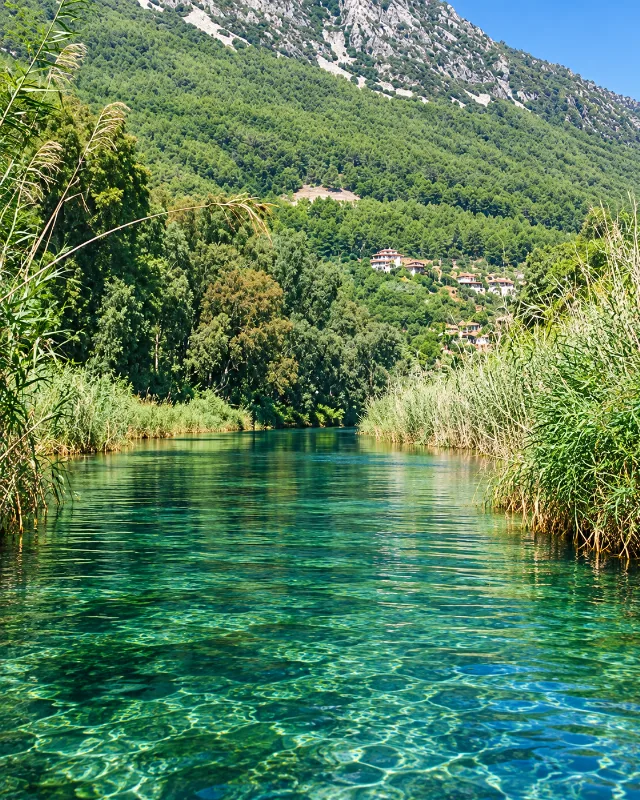
Akyaka
Akyaka is a small settlement in Ula district, Muğla, on the Gulf of Gökova, recognised for its white Ula-style houses with timber bay windows and for the cold, clear Azmak River that runs through it to the sea.