
Kabak
Kabak is a secluded village and beach in Muğla, Turkey, known for its unspoiled beauty and relaxed atmosphere. It is a popular stop on the Lycian Way, offering a pebble beach, steep cliffs, and simple accommodations.
Kabak is a small village and beach located in the Fethiye district of Muğla Province, on Turkey's southwestern Mediterranean coast. It sits at the end of a steep valley that opens onto a pebble beach, backed by pine-covered cliffs. Unlike the more developed resorts nearby, Kabak has retained a quiet, unspoiled character, making it a popular stop for backpackers and nature lovers travelling along the Lycian Way.
Where Kabak Is Located
Kabak is situated about 20 kilometres south of Fethiye, beyond the better-known resort of Ölüdeniz. The village lies within the boundaries of the Faralya neighbourhood, although it is often treated as a separate settlement. The coastline here is part of the Turkish Riviera, but the geography is rugged: the Taurus Mountains meet the sea in a series of steep slopes and deep valleys. Kabak is one such valley, with the village itself perched on the hillside above the beach. The beach is at the mouth of the valley, where a small stream often flows into the Mediterranean.
The Character of the Village and Beach
Kabak is not a traditional Turkish village in the sense of a historic centre with a mosque and square. It is a scattered settlement of simple buildings, many of which function as guesthouses, campsites, and bungalows during the summer months. The permanent population is very small, and outside the peak season the place feels almost deserted. The atmosphere is relaxed and informal, with a distinctly bohemian vibe that has earned it a reputation as a hippie hangout. There are no large hotels or organised entertainment; instead, visitors come for the natural surroundings and the chance to disconnect.
The beach itself is made of pebbles rather than sand, and the water is clear and cool, sometimes chilled by underground springs. The beach is not very long, but it is wide enough for sunbathing and swimming. Behind the beach, the valley rises steeply, covered in pine and olive trees. There are limited facilities, and visitors should bring what they need.
Landscape and Natural Features
The landscape around Kabak is dramatic. The valley is enclosed by high cliffs, and the sea is a deep blue. The area is part of the Lycian Way, a long-distance hiking trail that runs from Fethiye to Antalya. Hikers often descend into Kabak from the village of Faralya, following a path that offers expansive views of the coast. The beach is also accessible by a rough road that winds down from the main Fethiye-Ölüdeniz road. The surrounding hills are dry and scrubby, typical of the Mediterranean climate, but the valley floor is greener due to the stream.
One notable feature is the Kabak Canyon, a deep gorge that cuts into the mountains behind the village. It is possible to hike into the canyon, but the trails are not well marked and require caution. The canyon is known for its rock formations and small waterfalls, though these may dry up in summer.
Hiking and the Lycian Way
Kabak is a key stop on the Lycian Way. The section from Faralya to Kabak is particularly popular, as it descends through pine forests and offers views of the famous Butterfly Valley (Kelebekler Vadisi) from above. The trail then continues from Kabak towards Alınca and other coastal villages. Hikers can also walk from Kabak to Ölüdeniz, a journey of about four to five hours. The paths are generally well-trodden but can be rocky and steep in places. Proper footwear and plenty of water are essential, especially in the heat of summer.
How to Reach Kabak
Kabak can be reached by road from Fethiye or Ölüdeniz. The drive takes about 30 to 40 minutes from Ölüdeniz, following a narrow, winding road that climbs over a ridge before descending into the valley. The road is paved but steep and has sharp turns; drivers should be cautious. Minibuses (dolmuş) operate from Fethiye to the nearby village of Faralya, from where it is possible to hike or arrange transport to Kabak. Many visitors arrive on foot via the Lycian Way, either from Faralya (about 1.5 to 2 hours) or from Ölüdeniz (a longer hike).
There is limited parking near the beach, and the final stretch of road down to the beach is particularly steep and may not be suitable for large vehicles.
When to Visit and What to Expect
The best time to visit Kabak is from May to October, when the weather is warm and the sea is suitable for swimming. July and August are the hottest months, with temperatures often exceeding 30°C. The beach can get busy during these months, especially at weekends, but it never feels overcrowded compared to Ölüdeniz. Spring (April-May) and autumn (September-October) offer milder temperatures and fewer people, making them ideal for hiking.
Visitors should be aware that facilities are limited. There are no ATMs or shops. It is advisable to bring cash, water, and sun protection. The beach is pebbly, so water shoes can be useful. Mosquitoes can be present in the evenings, so repellent is recommended.
Nearby Places of Interest
Kabak is close to several other noteworthy places. Ölüdeniz, with its famous Blue Lagoon and paragliding from Babadağ mountain, is just a short drive away. Faralya is a small village perched on the cliffs above Butterfly Valley, which can be visited by boat from Ölüdeniz or by a steep hike. The Lycian Way continues in both directions, offering opportunities for longer treks. The town of Fethiye, with its harbour, market, and historic sites such as the Lycian rock tombs, is about 30 kilometres away.
For those interested in ancient history, the nearby ruins of Pinara and Tlos are within driving distance, though they require a longer journey inland.
From the land
Find All →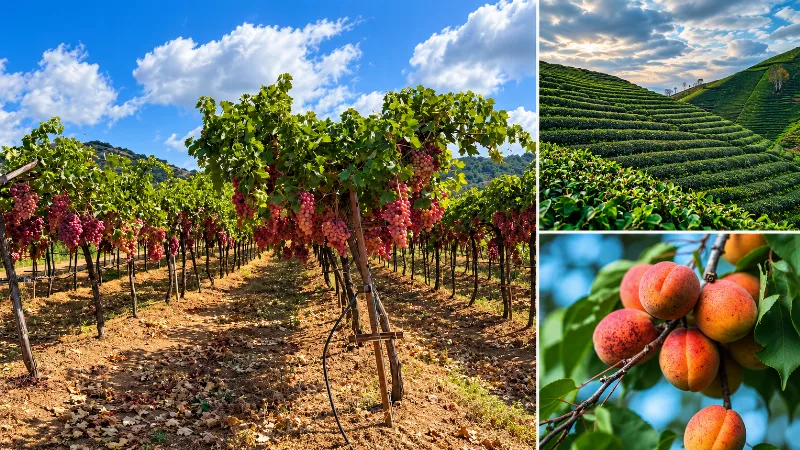
Malatya Apricots
Malatya apricots are the apricots grown in the upper Euphrates basin of eastern Türkiye, where cold winters and hot, dry summers shape the fruit that is mostly dried and traded far beyond the province.
Explore →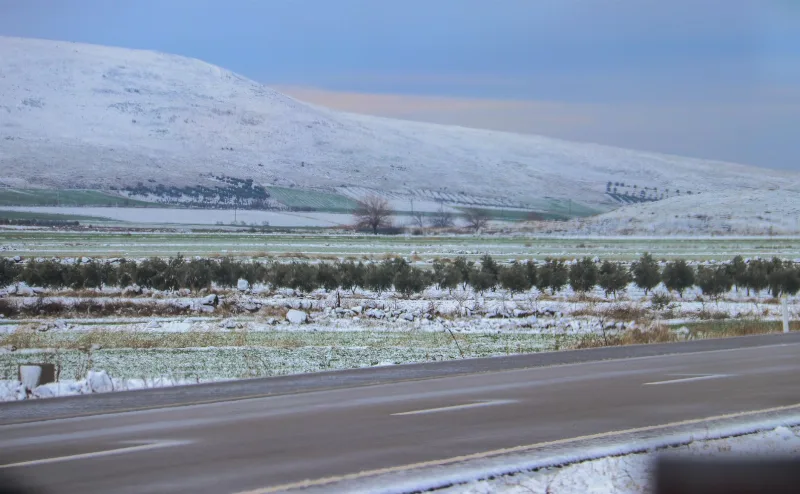
Gaziantep Garlic
Gaziantep garlic is the pungent, sharply aromatic garlic grown in the irrigated garden plots and fields of Gaziantep province in southeastern Türkiye. Its character comes from a hot, dry ripening season, cold winters and the fertile, well-drained soils of the province.
Explore →
Erzurum Potatoes
Erzurum potatoes are highland potatoes from Erzurum province in Eastern Anatolia, shaped by cool summers, volcanic soils and a short growing season. They are known for their starch-rich texture and full flavour.
Explore →Related content
Muğla
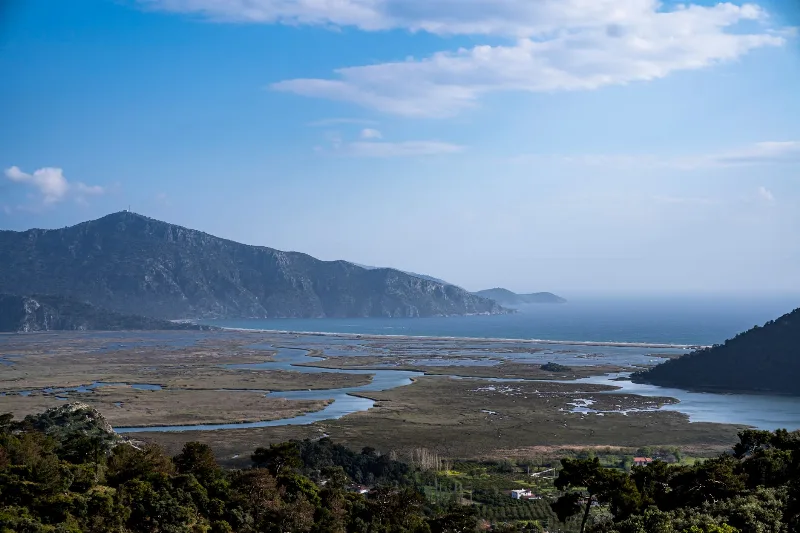
Muğla is a captivating province in southwestern Türkiye, renowned for its stunning Aegean coastline and rich cultural heritage.
Fethiye
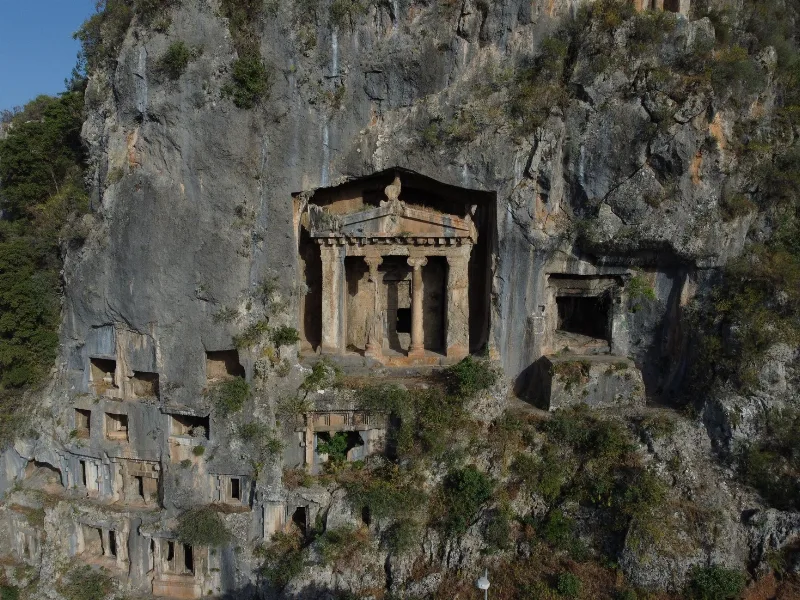
Fethiye is a captivating coastal town known for its stunning blue lagoon, thrilling paragliding experiences, and ancient rock tombs.
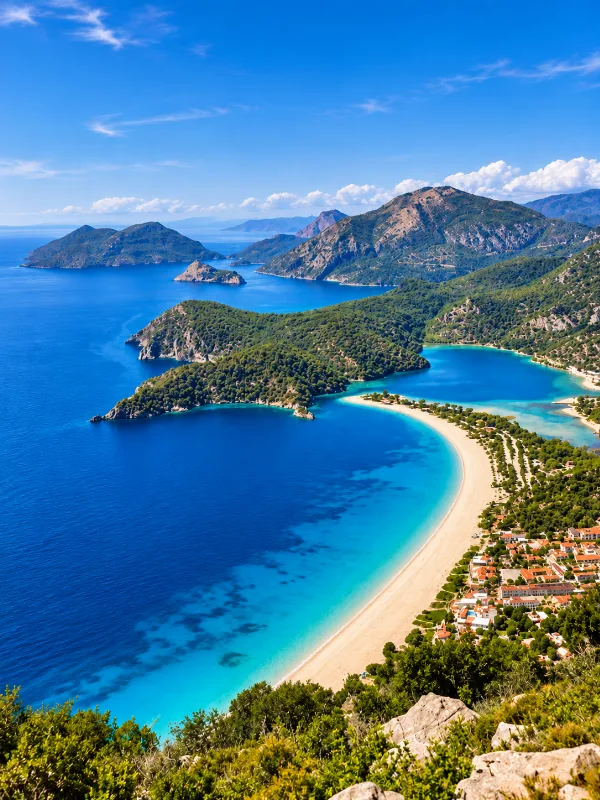
Ölüdeniz
A coastal area near Fethiye in southwestern Türkiye, known for its sheltered lagoon, turquoise water, surrounding mountains, beaches and Mediterranean landscape.
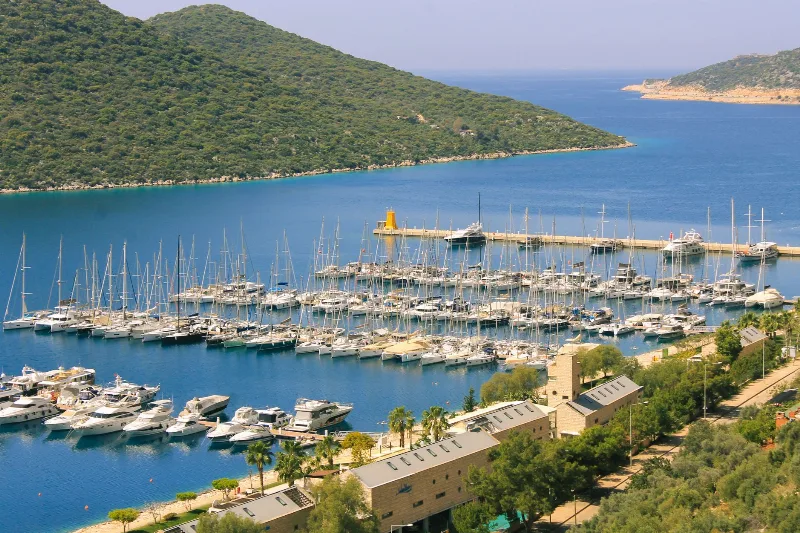
5-Day Fethiye to Kaş Lycian Coast Route
A five-day linear route along the Lycian coast from Fethiye to Kaş, linking Ölüdeniz, Kabak, the Xanthos valley, Patara and Kalkan by road and on foot.
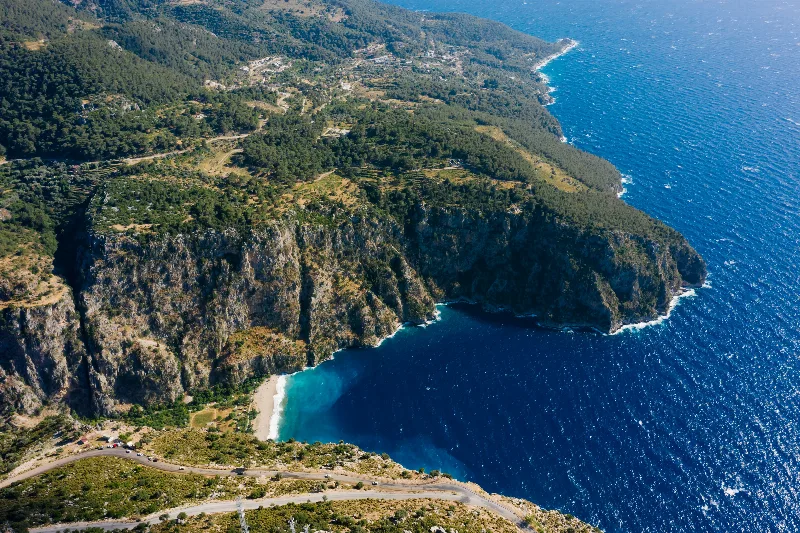
Faralya
Faralya is a small village in the Fethiye district of Muğla, perched on a pine-covered ridge directly above Butterfly Valley and used as a stage point on the Lycian Way. Its position high above the sea, rather than at the shoreline, is what sets it apart from the resorts around it.
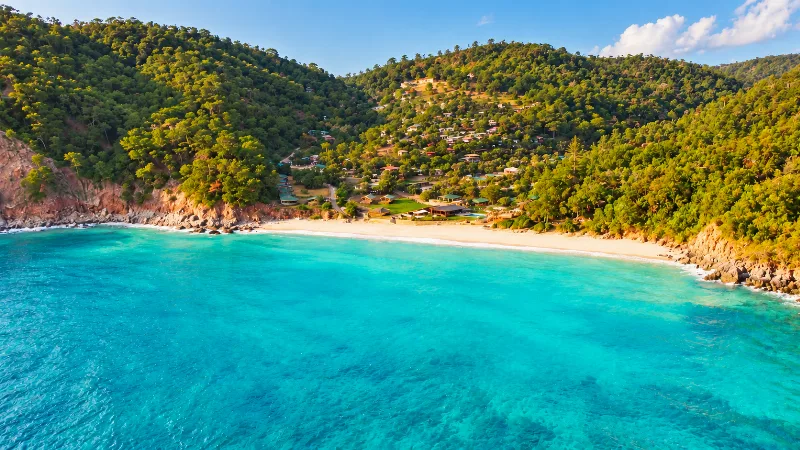
Kabak Bay
Kabak Bay is a serene spot on Türkiye's southwestern coast, featuring a pebble beach surrounded by pine forests and known for its hiking trails.