
Amasya's Ottoman Houses
Amasya, set in a river valley in Türkiye's Black Sea region, preserves a remarkable row of Ottoman-era houses along the Yeşilırmak River. Their timber bay windows, courtyards and whitewashed façades reveal how a prosperous Anatolian town once lived.
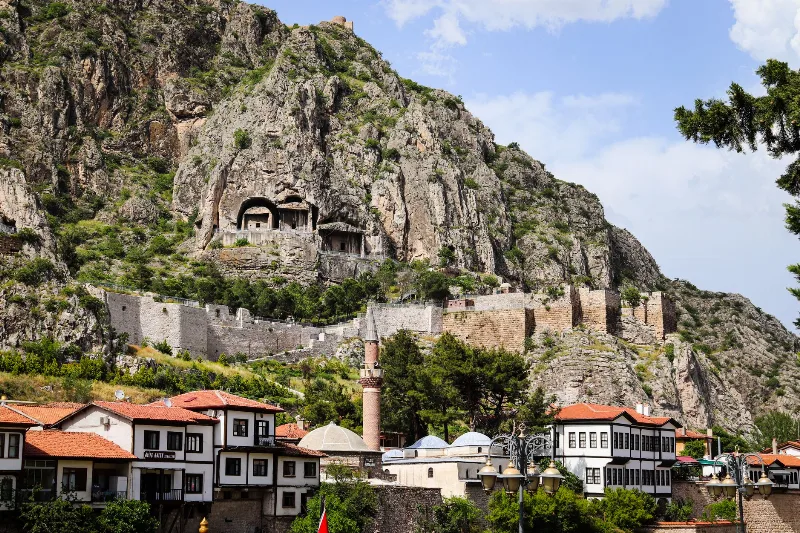
Amasya is a city in Türkiye where the Ottoman past still shapes daily life. It sits in a valley cut by the Yeşilırmak River in the Black Sea region, with rock-cut tombs of the Pontic kings looking down from the cliffs and an old Ottoman quarter spread along the southern bank. The restored houses that line the water give visitors a clear picture of domestic Ottoman architecture and of everyday life in a prosperous Anatolian town.
Riverside Houses of the Yalıboyu District
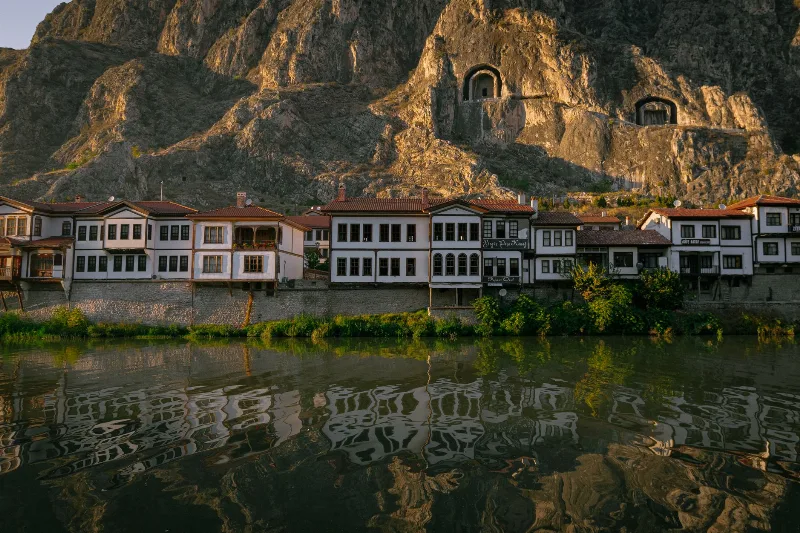
The best-known group of houses runs along the Yalıboyu, the riverside quarter that follows the Yeşilırmak. Most were built in the 18th and 19th centuries, and their design answers both the climate and the narrow plots between the river and the castle rock. Ground floors are usually stone, while upper storeys use a timber frame filled with brick or plaster and finished in white. The most recognisable feature is the cumba, a projecting bay window carried on wooden brackets that leans out over the street or the water. It brings light and air into the rooms and gives the row of houses its stepped silhouette. Behind many of them lie small gardens, courtyards and terraces facing the river.
Inside a Traditional Amasya House
Several houses have been restored and opened to visitors, and Hazeranlar Konağı on the riverside is the best known of them. A typical interior is arranged around a wide hall that connects the rooms. Family rooms have low divan seating along the walls, wooden ceilings, painted decoration and niches used for bedding and household items. Kitchens, storerooms and cellars sit on the lower floor, while some houses also have an open gallery, or hayat, overlooking the courtyard. The layout reflects an ordered family life in which guests, household members and storage were kept in separate parts of the building.
Ottoman Amasya Beyond the Houses
Amasya was known in the Ottoman period as the city of princes, because sons of sultans were sent here to govern and gain experience before taking higher office. That role supported mosques, madrasas, tombs, fountains and bridges that still stand close to the riverside houses, among them the Bayezid II complex, built at the end of the 15th century. Older Seljuk buildings, such as the Burmalı Minare Mosque, survive from the period before the Ottomans. Above the city, the Kral Kaya Mezarları, or royal rock tombs, are carved into the limestone of Mount Harşena and look out over the valley. Amasya is also associated with the Anatolian love story of Ferhat ile Şirin, in which Ferhat is said to have cut a channel through the rock to bring water to the city.
Seasons and Local Flavours
Spring and autumn are gentle in the valley, and the riverside is comfortable to walk in both seasons. Amasya is best known for its apple, a small and aromatic variety that has long been grown in the surrounding orchards. Local cooking uses wheat, legumes and vegetables from the valley, and dishes such as toyga çorbası, keşkek and bakla dolması appear on family tables and in simple local kitchens. Apples also turn up in desserts and drinks, and the fruit gives the city an identity that reaches beyond its architecture.
A Walk Through the Old Quarter
The old quarter is compact and easy to explore on foot. Paths climb from the riverside towards the castle, passing stone walls, wooden gates and garden terraces, and the view widens with every turn. From the higher streets, the cumba windows, the river and the rock tombs appear together in a single scene that explains why Amasya's Ottoman heritage is treated as a whole rather than as a group of separate buildings.
Related content
Amasya
Amasya is a river city in the interior of Türkiye's Black Sea region, where Pontic rock tombs, Ottoman riverside mansions and apple orchards sit along the narrow valley of the Yeşilırmak.
The Timeless Beauty of Amasya's Ottoman Houses
A look at the historic Ottoman houses of Amasya in northern Türkiye, from their riverside setting and timber construction to the gardens and rooms that shaped daily life along the Yeşilırmak.
Yalıboyu Houses and Riverfront Architecture in Amasya
A row of Ottoman houses lines the Yeşilırmak in Amasya, where stone lower storeys and projecting timber upper floors have shaped the town's riverside character for generations.
5-Day Black Sea Coast Route
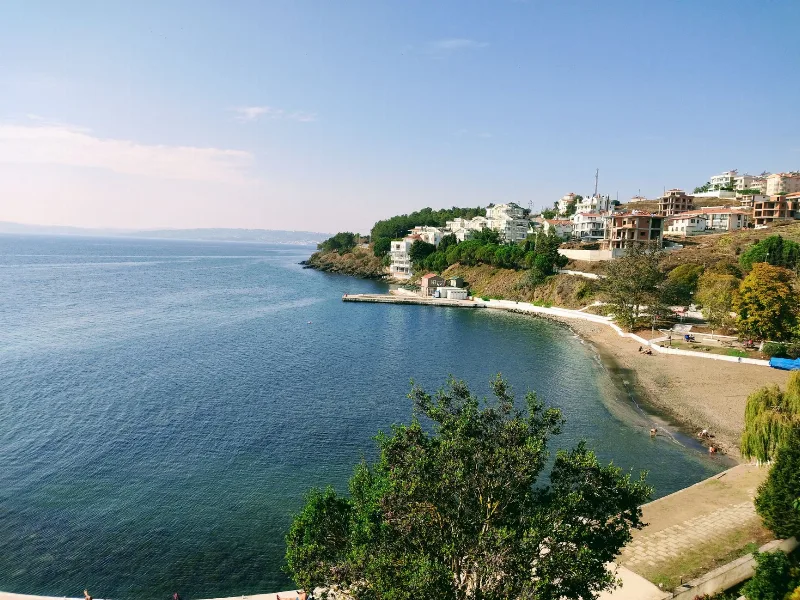
A five-day linear journey along Türkiye's central and eastern Black Sea coast, from Sinop to Trabzon, with an inland detour to Amasya and stops in Ordu and Giresun along the way.
Amasya Onions
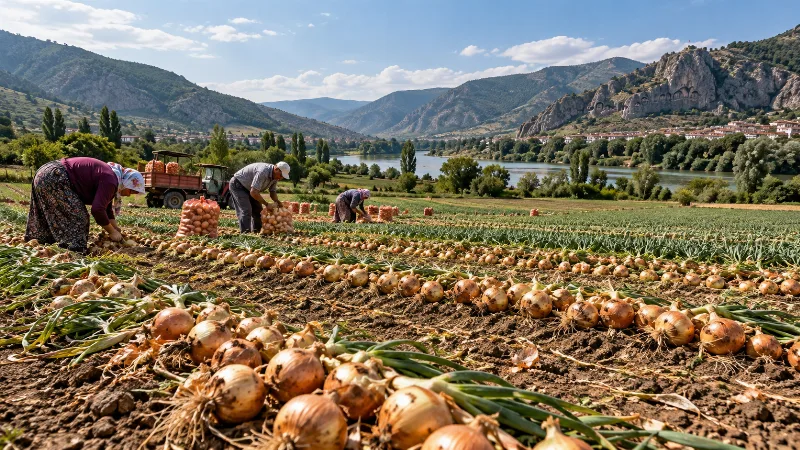
Amasya onions are a pungent, long-keeping onion variety tied to the plains and river valleys of Amasya province in northern Türkiye. The region's transitional climate and fertile alluvial soils give the crop its firm bulbs and storage quality.
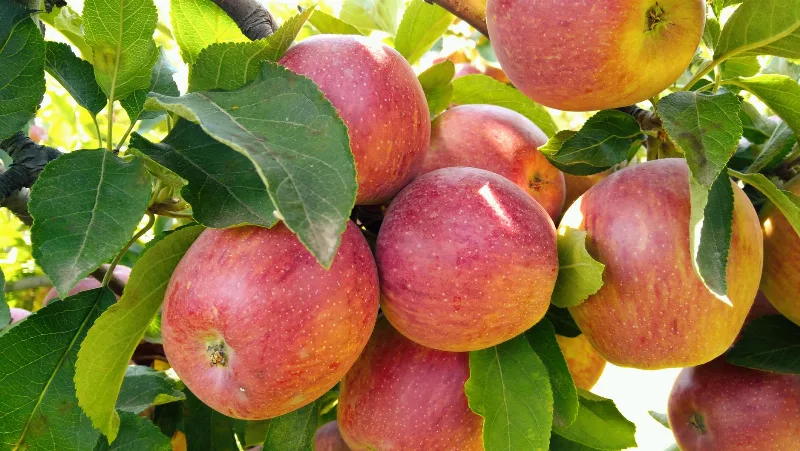
Amasya Apples
Amasya apples are apples grown in the sheltered river valleys of Amasya province in northern Türkiye, where cold winters and warm summers shape fruit known for its firm, crisp bite and balanced sweet-tart flavour.
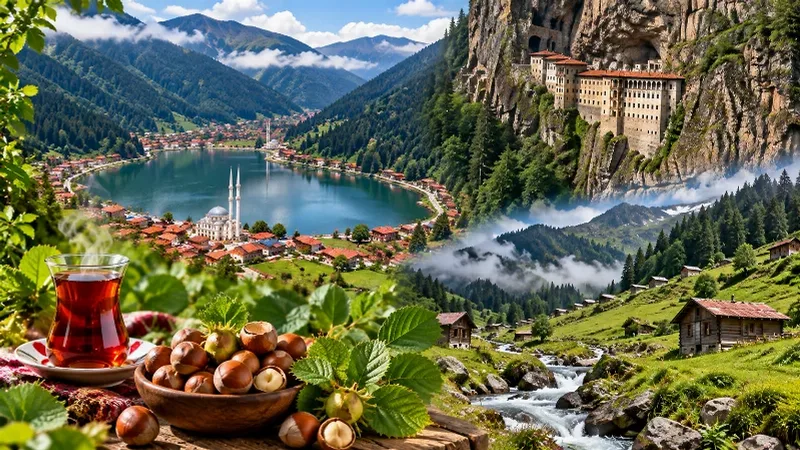
Black Sea Region
The Black Sea Region of Türkiye is known for its lush green mountains, misty highlands, dense forests and traditional villages. Stretching along the country's northern coast, the region combines spectacular natural scenery with historic towns, tea-growing landscapes and distinctive local traditions.
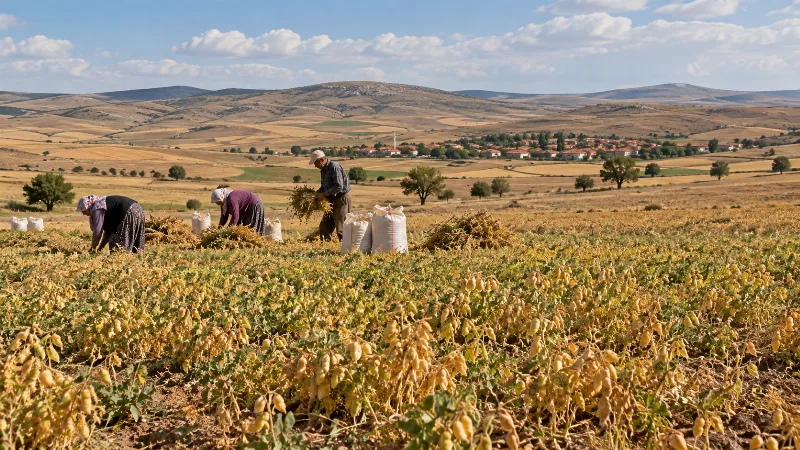
Yozgat Lentils
Yozgat lentils are the green lentils grown on the high interior plateau of Yozgat province in Central Anatolia, where cold winters, dry summers and thin, well-drained soils suit a drought-tolerant legume better than most crops.