
The Ebru Art of Marbling in Turkish Culture
STORIES FROM TÜRKİYE
Ebru, the traditional Turkish art of paper marbling, is a captivating craft that transforms simple materials into intricate, swirling designs. Practiced in Türkiye for centuries, this art form involves floating pigments on water and transferring the resulting patterns onto paper. It is a treasured part of Turkish cultural heritage, celebrated for its meditative process and stunning visual effects.
The Origins of Ebru
Ebru has its roots in Central Asia, where early forms of marbling were used in bookbinding and calligraphy. The art traveled along trade routes to Anatolia, where it flourished during the Ottoman Empire. By the 15th century, Ebru had become a distinct Turkish art, with master artisans developing unique techniques and patterns.
The Ottoman court highly valued Ebru, using it to decorate official documents, religious texts, and poetry books. The art was passed down through generations via a strict master-apprentice relationship, ensuring its continuity and refinement.
The Marbling Process
Creating Ebru involves a shallow tray filled with water thickened with a substance like carrageenan or gum tragacanth. Artists add ox gall to the water to help the paint spread, then carefully drip pigments onto the surface using brushes made of horsehair and rosewood. The colors float and expand, forming patterns that the artist manipulates with needles and combs.
Once the desired design is achieved, a sheet of paper is gently laid onto the water. The pigments adhere to the paper, and the sheet is lifted off, rinsed, and dried. The result is a one-of-a-kind piece of art, as the water can never be replicated exactly.
Common Ebru patterns include the battal, a large swirling design; the gelgit, or “come-and-go,” which features rhythmic waves; and the şal, a shawl-like pattern. Each pattern requires precision and years of practice to master.
Ebru in Ottoman and Turkish Culture
In Ottoman times, Ebru was not only decorative but also functional. It was used as a background for calligraphy, particularly for important documents like fermans (royal decrees) and treaties. The marbled paper prevented forgery, as each sheet was unique.
Ebru also held spiritual significance. Many practitioners viewed the art as a form of meditation, with the floating colors symbolizing the transient nature of life. The art form was closely tied to Sufi traditions, and some dervish orders incorporated Ebru into their rituals.
Today, Ebru remains a vital part of Turkish cultural identity. In 2014, it was inscribed on UNESCO’s Representative List of the Intangible Cultural Heritage of Humanity, recognizing its importance and the need to safeguard it.
Regional Styles and Contemporary Practice
Different regions in Türkiye have developed their own Ebru styles. İstanbul, as the former Ottoman capital, has long been a center for the art, with distinctive floral and geometric patterns. Bursa and İzmir also have vibrant Ebru traditions, each with subtle variations in color palette and motif.
Contemporary Ebru artists continue to innovate while respecting tradition. Some experiment with abstract designs, while others incorporate Ebru into modern art forms like textile design and digital media. Despite these evolutions, the core techniques remain unchanged.
Experiencing Ebru in Türkiye
For those interested in Ebru, Türkiye offers numerous opportunities to learn about and witness this art. Historic examples can be seen in the collections of Topkapı Palace and the Museum of Turkish and Islamic Arts in İstanbul. These institutions preserve exquisite marbled manuscripts and provide insight into the art’s evolution.
Ebru is also taught in fine arts faculties at universities across the country, and cultural centers in cities like Ankara and İzmir host workshops and demonstrations. During cultural festivals, artisans often set up live marbling demonstrations, allowing visitors to see the process firsthand.
Whether as a hobby or a profession, Ebru continues to enchant people with its blend of spontaneity and control. Its enduring appeal lies in its ability to create beauty from the harmonious interaction of water, paint, and paper.
Historic places
Explore history →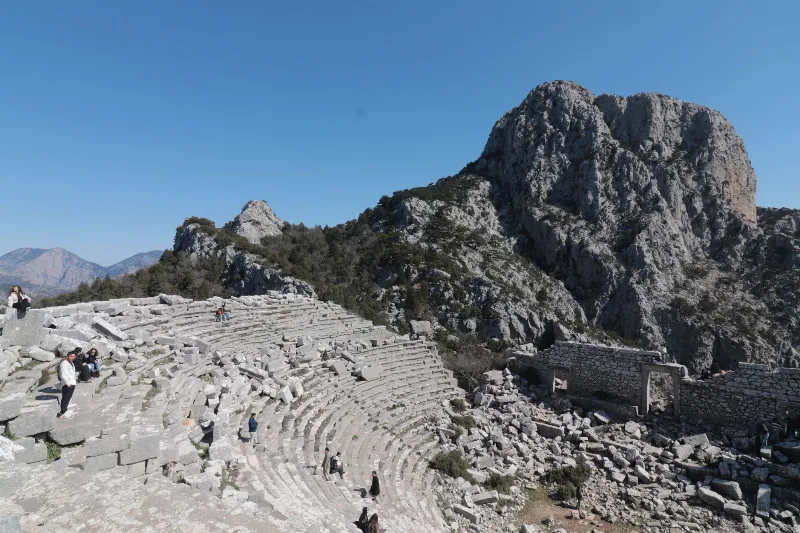
Termessos: The Pisidian Mountain City of Antalya
Termessos is an ancient Pisidian city set high in the Taurus Mountains of Antalya Province, Türkiye. Its abandoned ruins, including a theatre, gymnasium, cisterns and a sprawling necropolis, form one of the most complete archaeological landscapes of the Pisidian region.
Explore →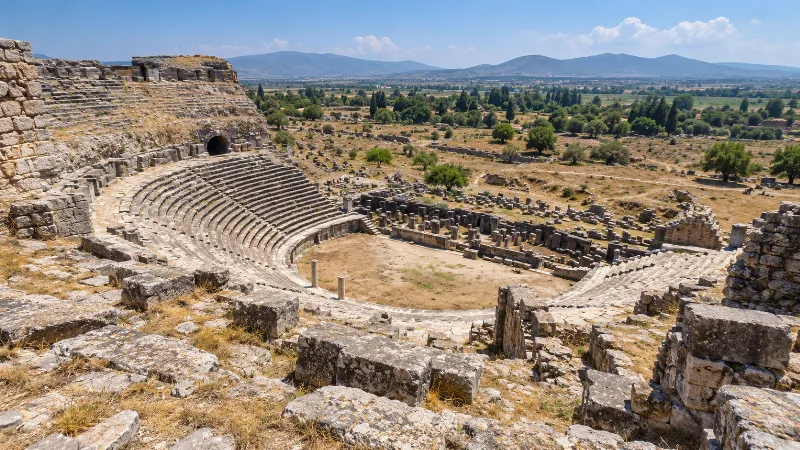
Miletus
Miletus was one of the great Ionian Greek cities of western Anatolia, a major maritime power and the birthplace of the Milesian school of philosophy. Today its extensive ruins near Balat in Aydın Province include one of Anatolia's largest ancient theatres.
Explore →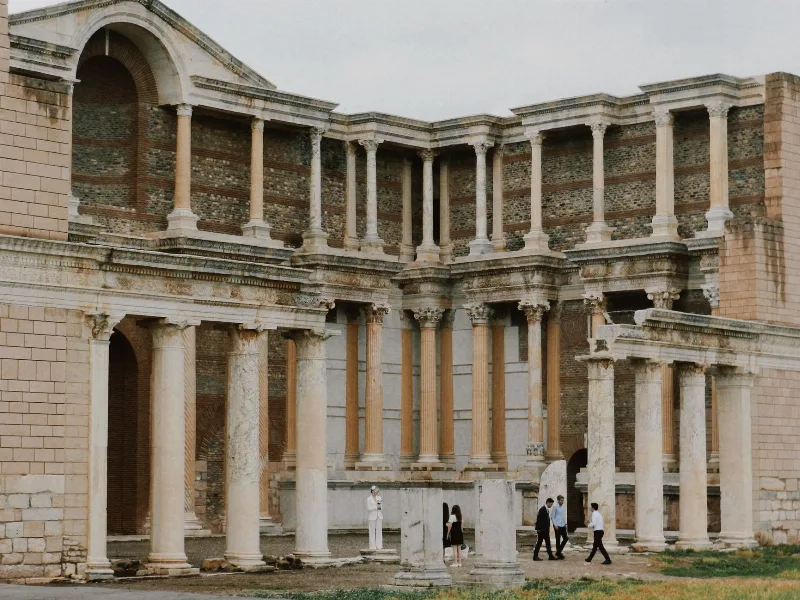
Sardis
Sardis was the Iron Age capital of the Lydian Kingdom in western Anatolia and later a major Roman and Byzantine city. Its surviving monuments include the Temple of Artemis, a vast bath-gymnasium complex and one of the largest ancient synagogues ever found.
Explore →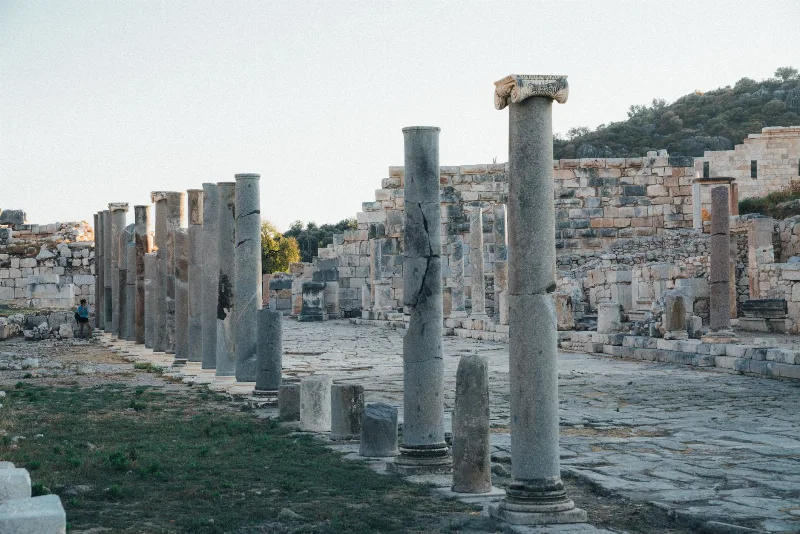
Patara
Patara is an ancient Lycian city in Antalya Province, Türkiye, that served as the meeting place of the Lycian League and preserves a Roman theatre, triumphal arch, bath complexes and an assembly hall beside a long sandy beach.
Explore →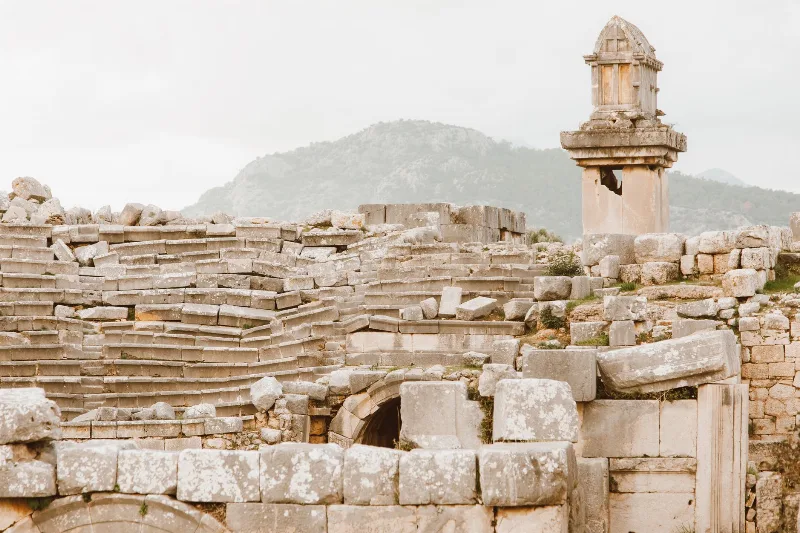
Xanthos
Xanthos was a leading city of Lycia and the seat of the Lycian League, on the frontier between the Antalya and Muğla provinces of Türkiye. Its surviving theatre, agora and tomb monuments, together with the nearby sanctuary of Letoon, form a UNESCO World Heritage Site.
Explore →Related content
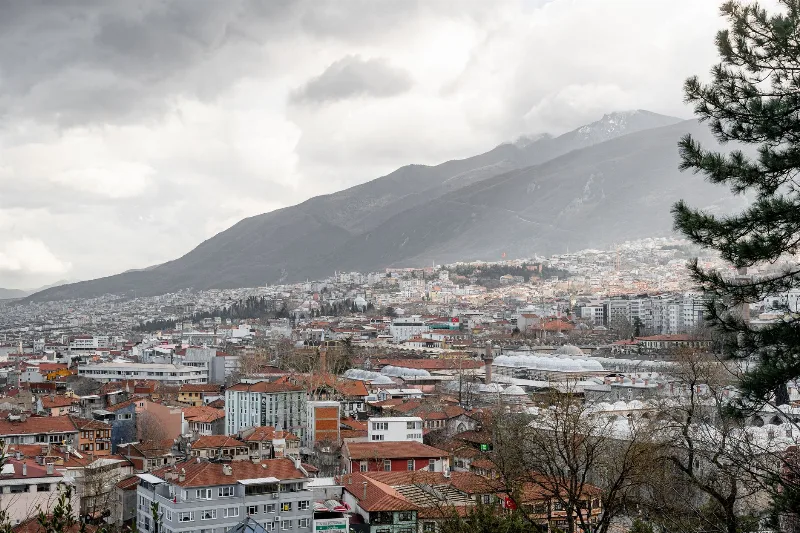
Bursa
Bursa is a major metropolitan city in northwestern Türkiye and the first great capital of the Ottoman Empire, known for its silk heritage, thermal springs and the mountain of Uludağ rising directly behind it.
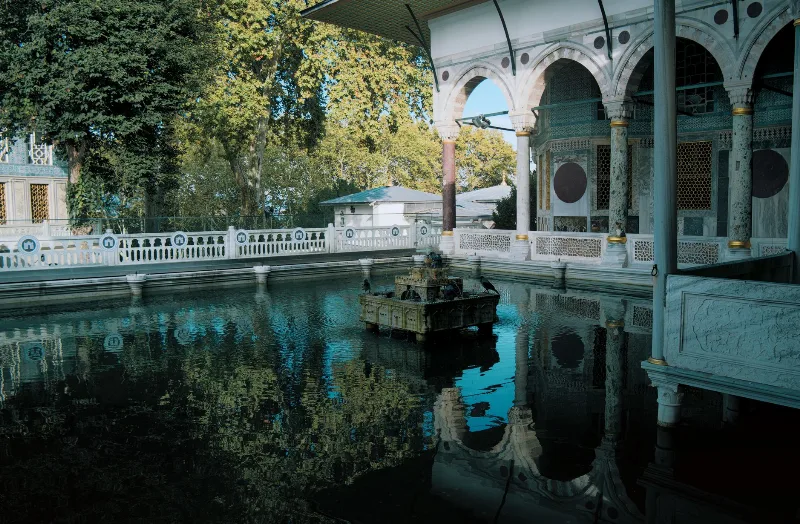
Topkapı Palace
Topkapı Palace on Istanbul's Seraglio Point served as the residence and administrative heart of the Ottoman sultans for nearly four centuries, and today it is a museum displaying its courtyards, opulent interiors and the imperial collections of the Sacred Relics.
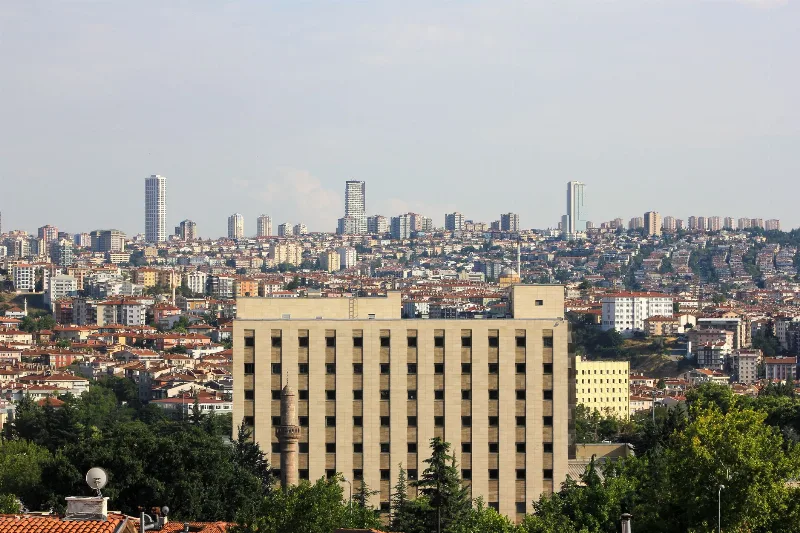
Ankara
Ankara is the capital of Türkiye and the country's second-largest city, set on the high plateau of Central Anatolia and defined by its republican institutions, its long pre-Ottoman history and the mausoleum of Mustafa Kemal Atatürk.
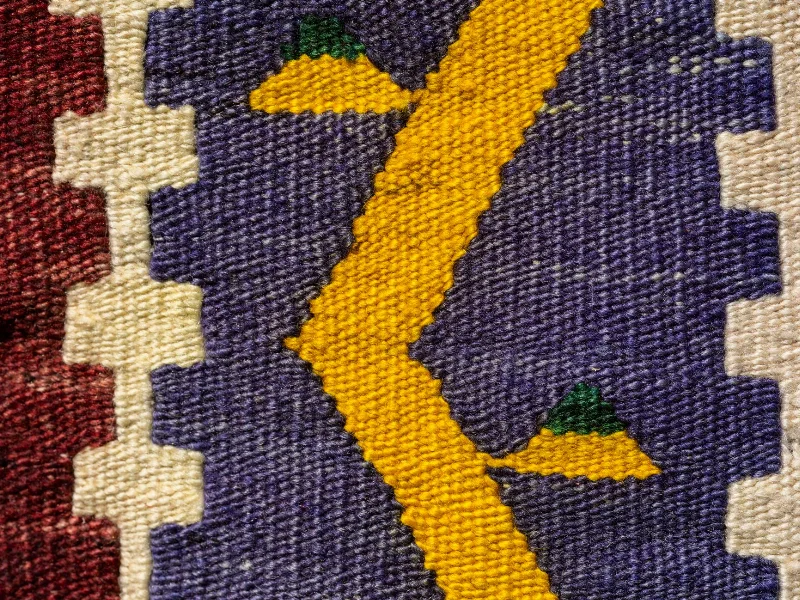
Traditional Crafts of a Turkish Bazaar
Türkiye's bazaars are living archives of craft, where copper, çini ceramics, kilims and ebru marbling are still shaped by hand. This page explores the trades, materials and traditions behind them.
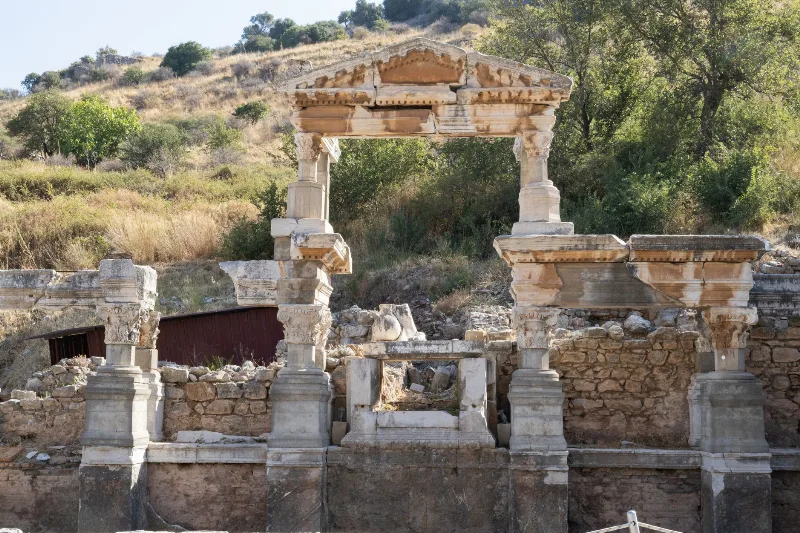
Cultural Heritage of Anatolia
Anatolia's cultural heritage spans millennia, blending ancient civilizations, architectural marvels, and living traditions across Türkiye.
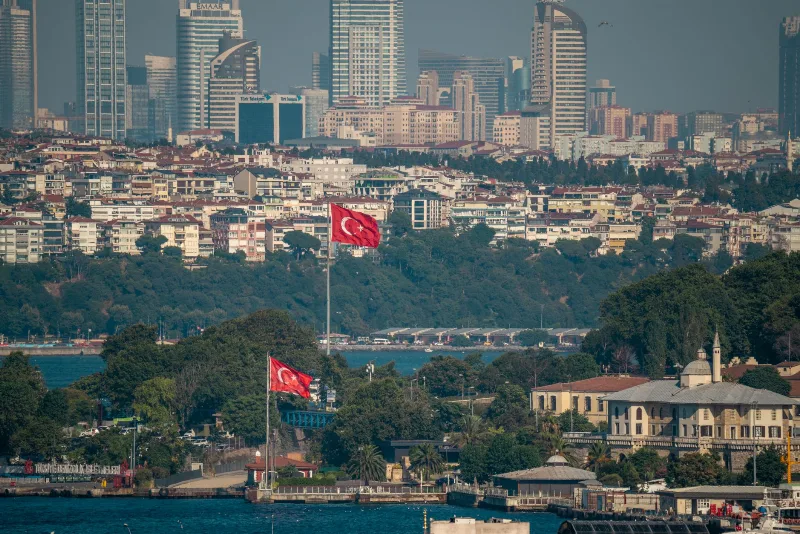
Cities in Türkiye
Discover Türkiye's vibrant cities, each offering unique traditions and sights, making them captivating travel destinations.