
Harbiye Waterfalls and Daphne Springs in Hatay
In the green valley of Harbiye, south of Antakya, spring water spills through shaded gardens and laurel groves that were once part of the ancient sanctuary of Daphne.
Just a short distance south of Antakya, the capital of Hatay Province in southern Türkiye, the small town of Harbiye sits where the lower slopes of the Nur mountains meet the plain of the Orontes. Its most distinctive feature is water: a group of strong karst springs that rise from limestone and tumble through a narrow, tree-filled valley in a series of small waterfalls and channels. Cool, shaded and remarkably green in a region known for hot summers, Harbiye has drawn visitors since antiquity, when the same springs were celebrated as Daphne, one of the most famous sanctuaries of the eastern Mediterranean.
The Springs That Fed an Ancient City
The water emerges from the ground at several points around the town and quickly gathers into a stream that runs down towards the plain. In the Roman and late antique periods this supply was considered so valuable that aqueducts and channels carried it to Antioch, the great city on the Orontes a few kilometres to the north. Ancient writers described Daphne as a cool, wooded suburb of Antioch, a place of groves, shrines and running water where the heat of the plain could be left behind. The name itself refers to the laurel, and groves of laurel still cover the slopes above the springs today, giving the district its modern Turkish name, Defne.
The springs are not a single pool but a scattered system feeding different parts of the valley. Some rise close to the centre of the town, while others appear further up the slopes among rocks and vegetation. Their flow is strong and constant, and the sound of moving water is present almost everywhere in the lower part of Harbiye.
Where the Water Falls
The waterfalls are modest in scale rather than dramatic, and this is part of their character. Water drops in short cascades over rocks and ledges, forming pools between plane trees, figs and oleanders. Ferns, moss and water-loving plants grow along the channels, and the dense canopy keeps the air noticeably cooler than in the surrounding farmland. Stone steps, low bridges and narrow paths link the different levels of the valley, making it easy to walk from one cascade to the next.
Tea gardens and small open-air cafés have long occupied the flatter terraces beside the stream, a tradition that goes back generations in Harbiye. Visitors sit close to the water under the trees, and the combination of shade, sound and greenery gives the place a calm, almost enclosed atmosphere. The valley is at its most lush in spring, when the surrounding hills are green and the flow is at its fullest.
Apollo, Daphne and the Laurel Grove
The sanctuary of Daphne was founded in the Seleucid period and later became one of the most celebrated religious sites of the Roman east. It was dedicated above all to Apollo and Artemis, and its sacred grove was protected by custom and law. Temples, colonnades and elaborate buildings were added over the centuries, and the site became a favoured retreat for the wealthier citizens of Antioch.
Greek myth connects the place with the nymph Daphne, who was pursued by Apollo and transformed into a laurel tree to escape him. The story was told in different versions across the Greek world, but it was in this valley, with its groves and springs, that it found an especially fitting setting. Laurel was sacred to Apollo, and wreaths of it were used to honour victors and poets. The association between the plant, the water and the god shaped how the site was understood for centuries.
Laurel Harvest and Local Craft
The hills around Harbiye are still worked for laurel, and the harvest is part of the seasonal rhythm of the district. Leaves and berries are collected from trees growing on the slopes, and laurel oil is extracted by boiling the berries in water and skimming off the oil that rises to the surface. This oil is the basis of the traditional laurel soap of Hatay, made by combining it with olive oil. The soap is cut by hand and left to cure, and it remains one of the region's best-known local products.
Harvesting is usually family work, carried out in the cooler months, and it links the town to a wider culture of olive and laurel growing that stretches across the hills between Antakya and the coast.
Exploring the Surrounding Valley
Harbiye makes an easy half-day excursion from Antakya, and the surrounding area offers more than the waterfalls alone. The old streets of Antakya, its market and its remarkable mosaic collections tell the story of the city that once looked to Daphne for its water and its leisure. The cave church of Saint Peter on the slopes of Mount Habib Neccar and the villages of the Orontes valley lie within a short drive, while the forested heights above Harbiye provide walking routes with views across the plain.
What makes the town distinctive is the way nature, myth and everyday life occupy the same small space. Spring water still runs through the tea gardens, laurel still scents the hillsides, and the ancient reputation of Daphne survives in the shade of the valley rather than in monuments.
Related content
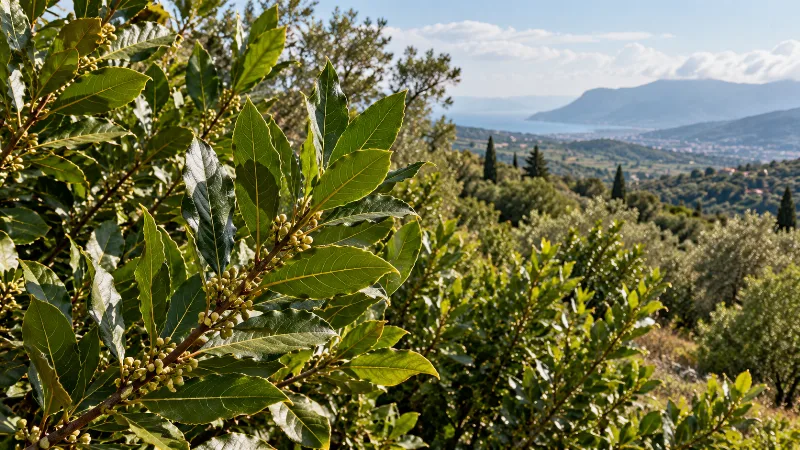
Hatay Bay Leaves
Hatay bay leaves are the aromatic leaves of the bay laurel tree, gathered across Türkiye's southernmost Mediterranean province. The region's mild, rainy winters, limestone slopes and evergreen scrub give the crop a natural home.
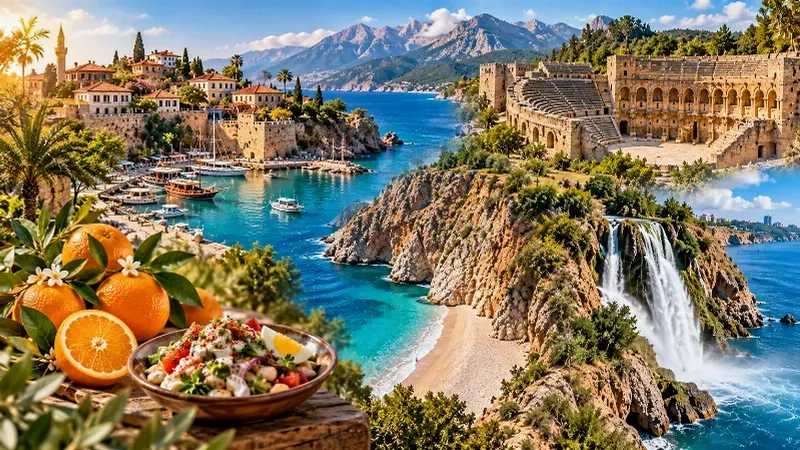
Mediterranean Region
Türkiye's Mediterranean Region combines turquoise coastlines, dramatic mountains, ancient cities and fertile landscapes. From Antalya's beautiful beaches to the historic settlements of the eastern Mediterranean, the region offers a rich blend of natural scenery, cultural heritage and traditional local life.
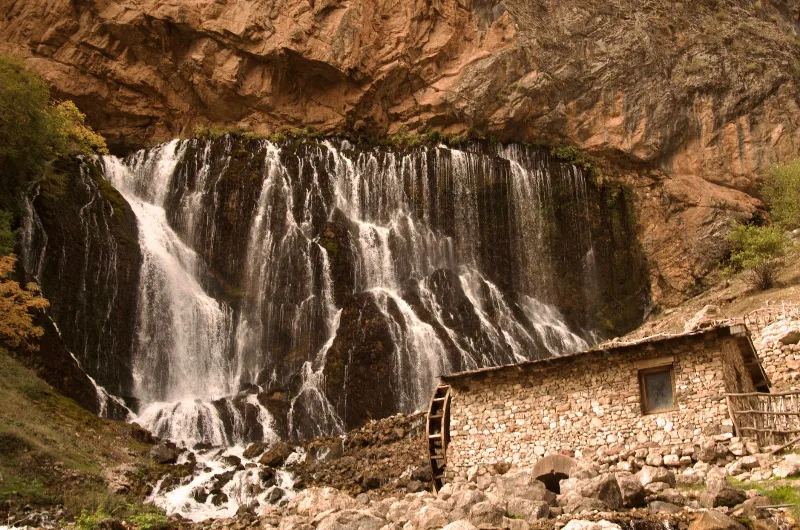
Kapuzbaşı Waterfall
Kapuzbaşı Waterfall is a cluster of karst spring waterfalls in the Aladağlar Mountains of Kayseri, Turkey. Fed by limestone springs, it forms a distinctive multi-chute cascade that varies with snowmelt and season.
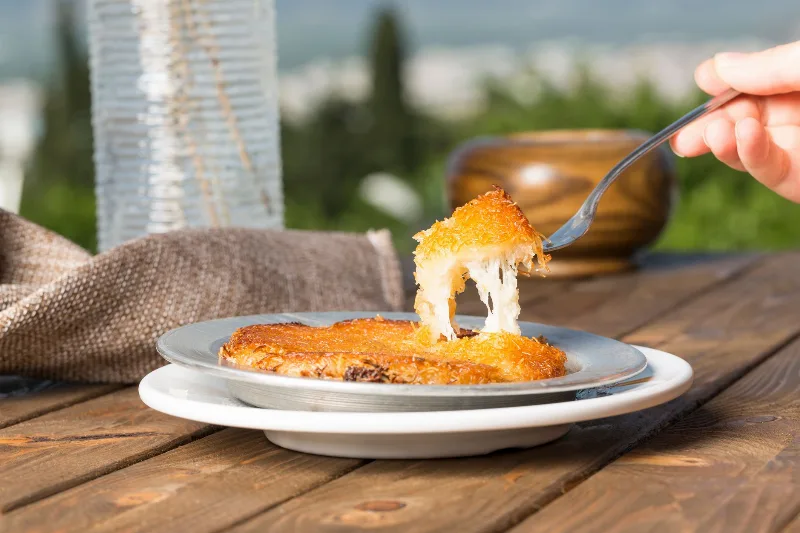
The Local Cuisine of Hatay
Hatay's cuisine reflects centuries of cultural exchange, offering spicy kebabs, vibrant mezze, and distinctive desserts such as künefe. The food traditions of Antakya and the surrounding region are shaped by local ingredients and seasonal rhythms.

Künefe
Künefe is a hot, syrup-soaked dessert made from finely shredded kadayıf pastry wrapped around a mild, stretchy cheese, most closely associated with Hatay and the city of Antakya in southern Türkiye.
Ayder
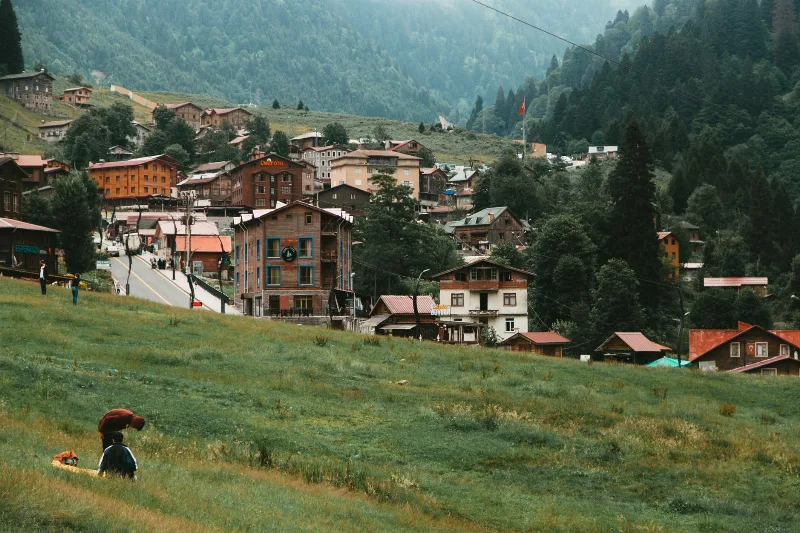
Ayder is a highland village in the Çamlıhemşin district of Rize, set in the Kaçkar Mountains and known above all for its thermal springs, timber architecture and waterfalls.
Why Turkish Food Changes from Region to Region
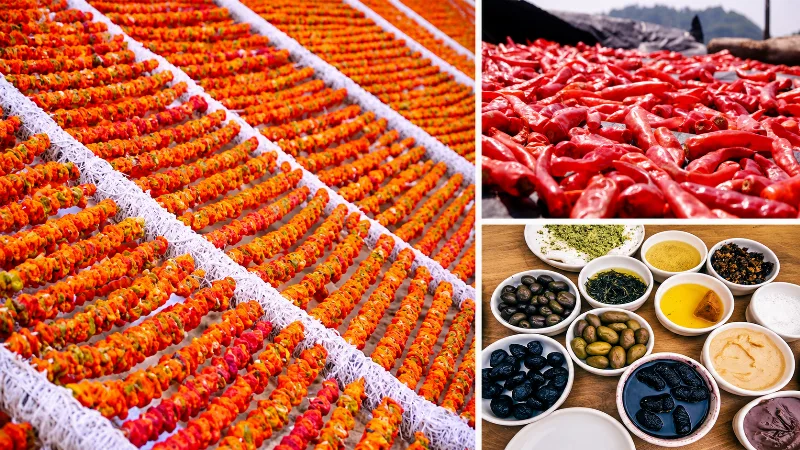
Climate, geography, agriculture and local history shape the ingredients, cooking methods and everyday dishes found across Türkiye. Türkiye’s cuisine is often described as a single national tradition, but food changes considerably from one region to another. Coastal climate, mountain geography, agricultural production, local history and available ingredients all influence what is cooked and how meals are prepared. A dish common on the Black Sea coast may be uncommon in southeastern Türkiye, while ingredients associated with the Aegean can play a much smaller role in the interior. These regional differences form one of the main characteristics of Turkish food culture.
2-Day Rize and Ayder Route
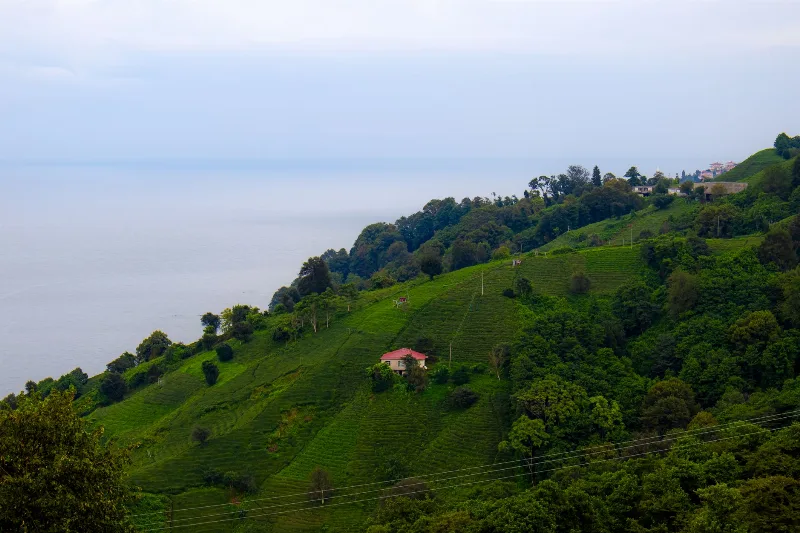
A two-day linear route from Rize city through the coastal tea gardens and the Fırtına Valley to the Ayder Plateau in the Kaçkar Mountains.