
Istanbul's Historic Sultanahmet
Sultanahmet is Istanbul's historic core, a walkable peninsula of Byzantine and Ottoman monuments facing the Bosphorus and the Sea of Marmara.
Sultanahmet is the historic heart of Istanbul, a compact district on the old city peninsula where the Bosphorus, the Sea of Marmara and the Golden Horn come together. Its skyline of domes and minarets is among the most recognisable in Türkiye, and its streets hold traces of Greek, Roman, Byzantine and Ottoman life layered one over the other.
Geography of the Old Peninsula
The district sits at the eastern tip of the historic peninsula, close to the entrance of the Bosphorus strait. The Greeks knew the settlement as Byzantion; the Romans later renamed it Constantinople, and it served as an imperial capital for more than a thousand years. Water shaped its growth: the sheltered Golden Horn to the north offered a natural harbour, while the Sea of Marmara to the south linked the city to the Aegean and the Mediterranean.
Because the peninsula was easy to defend and well supplied, emperors and sultans invested heavily in it. The result is a dense historic quarter that can be explored largely on foot, with monuments standing a few minutes apart.
Byzantine and Roman Remains
Hagia Sophia is the area's best-known monument. Built in the sixth century as a cathedral, it later served as a mosque, and its vast dome and marble-clad interior influenced architecture across the eastern Mediterranean.
Beside it, the Hippodrome was the ceremonial centre of Byzantine Constantinople, where chariot races drew large crowds. The long racetrack is now a public square, still marked by the Egyptian obelisk, the Serpent Column brought from Delphi and the Walled Obelisk. Underground, the Basilica Cistern stored water for the imperial palace; its forest of reused columns, two of them resting on carved Gorgon heads, can be visited.
Ottoman Landmarks
Ottoman builders gave Sultanahmet its familiar outline. The Sultan Ahmed Mosque, often called the Blue Mosque, rises with six minarets and an interior decorated with handmade İznik tiles in blues, greens and reds. Topkapı Palace occupies the very point of the peninsula, a walled complex of courtyards, pavilions and gardens that housed the sultans for centuries and today holds imperial collections.
Other traces are quieter: stone medreses, fountains and tombs scattered through the lanes, and courtyards where plane trees shade old façades.
Museums and Collections
Near Topkapı, the İstanbul Archaeology Museums display finds from Anatolia and the eastern Mediterranean, including sculpted sarcophagi and objects from ancient cities such as Troy, Ephesus and Pergamon. The Museum of Turkish and Islamic Arts gathers calligraphy, ceramics, metalwork and carpets, while the Great Palace Mosaics Museum preserves floor mosaics from the Byzantine imperial residence.
Food, Craft and Daily Life
The district is also a place of everyday culture. Turkish cuisine appears in many forms around the old city, from kebab and pide to lahmacun, stuffed vegetables and sweets such as baklava and Turkish delight. Tea served in tulip-shaped glasses and Turkish coffee are part of the rhythm of street life.
Craft traditions continue as well, from ceramics inspired by İznik tiles to woven carpets, copperware and calligraphy. The historic covered markets of the old city, including the Grand Bazaar and the Spice Bazaar near Eminönü, preserve the layout of Ottoman trade.
When to Explore
Spring and autumn bring mild temperatures and long daylight, which suit walking between the monuments. Summer is warm and the squares fill early, while winter is quieter and cooler, with occasional snow settling on the domes.
In any season, Sultanahmet offers a starting point for understanding Istanbul: an ancient peninsula where Byzantine churches, Ottoman mosques and present-day neighbourhood life share the same few hectares.
Related content
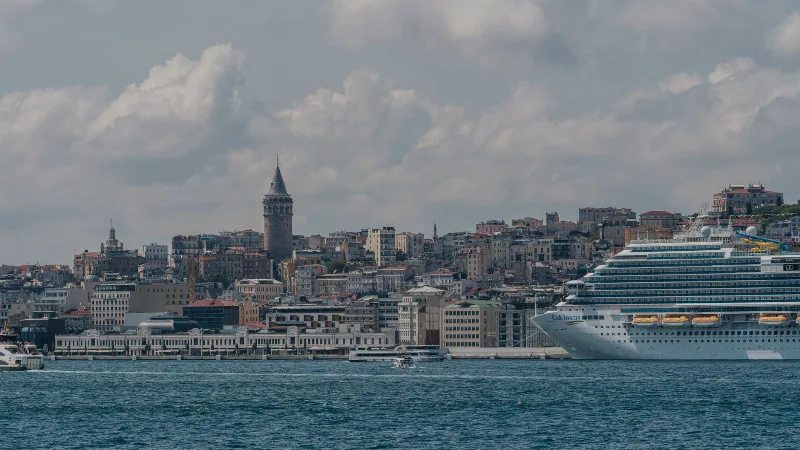
Istanbul
Istanbul is Türkiye's largest city and the country's only metropolis that spans two continents, divided by the Bosphorus strait into a European and an Asian half. Its long run as an imperial capital left a historic core of palaces, mosques and bazaars that still shapes the city's identity.
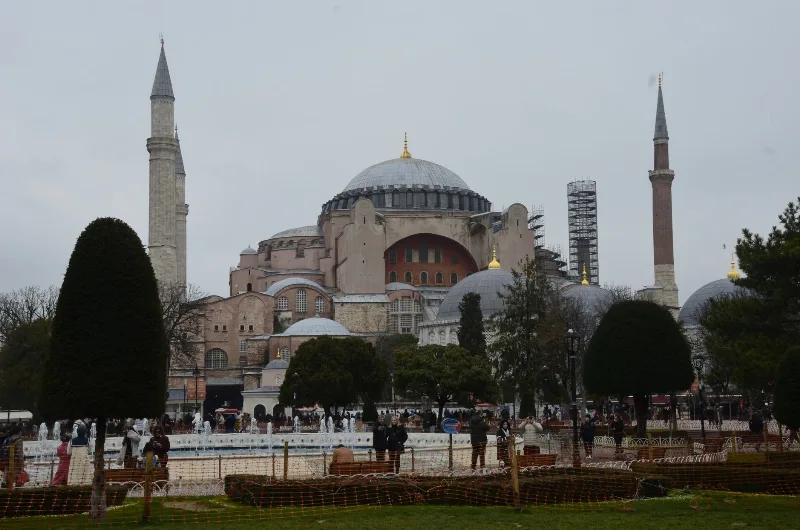
Hagia Sophia
Hagia Sophia in Istanbul is a monumental religious building begun under the Byzantine emperor Justinian I in 537 CE, later converted into an Ottoman mosque and today serving again as a mosque and UNESCO-listed monument.
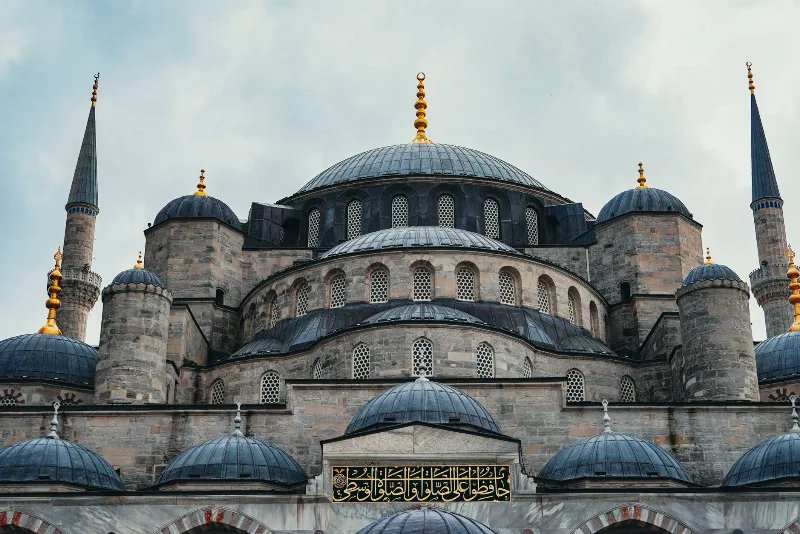
Blue Mosque
The Blue Mosque, known formally as the Sultan Ahmed Mosque, is an early 17th-century Ottoman mosque in Istanbul famous for its hand-painted blue Iznik tiles and six minarets.
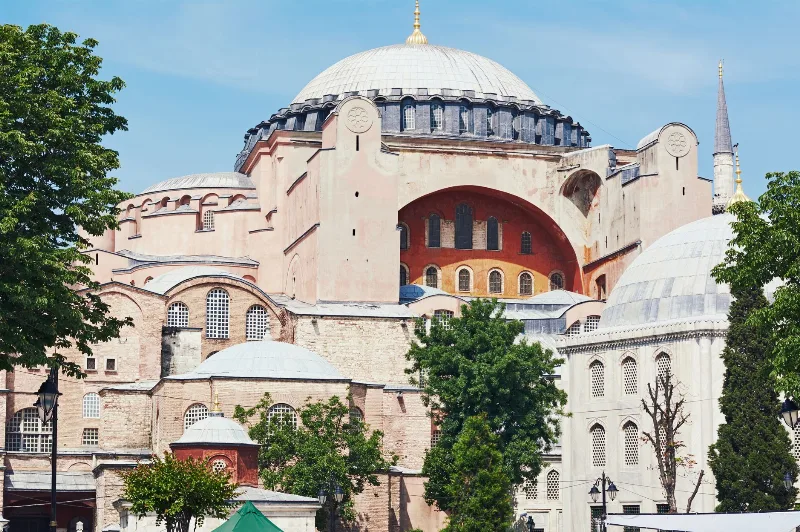
1-Day Istanbul Historic Peninsula Route
Explore Istanbul's Historic Peninsula in one day on foot, visiting Hagia Sophia, the Blue Mosque, Topkapı Palace, and the Grand Bazaar. This compact walking route covers the highlights of Sultanahmet with a logical, easy-to-follow order.
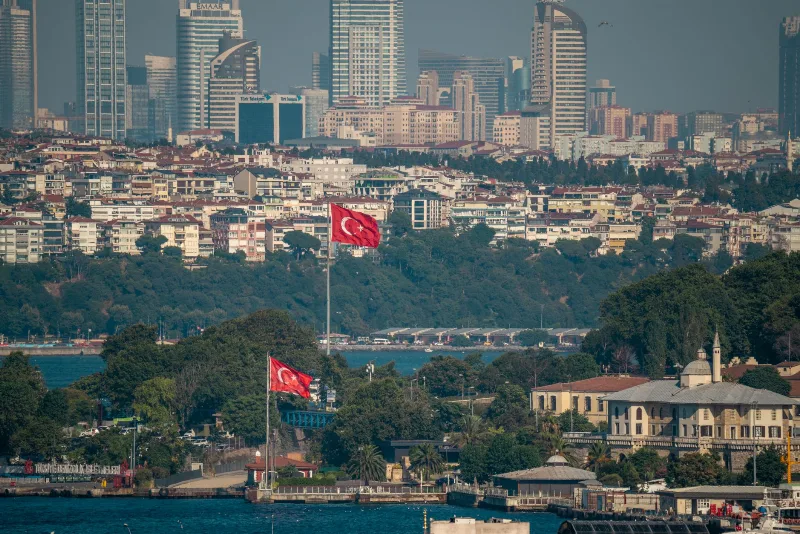
Cities in Türkiye
Discover Türkiye's vibrant cities, each offering unique traditions and sights, making them captivating travel destinations.
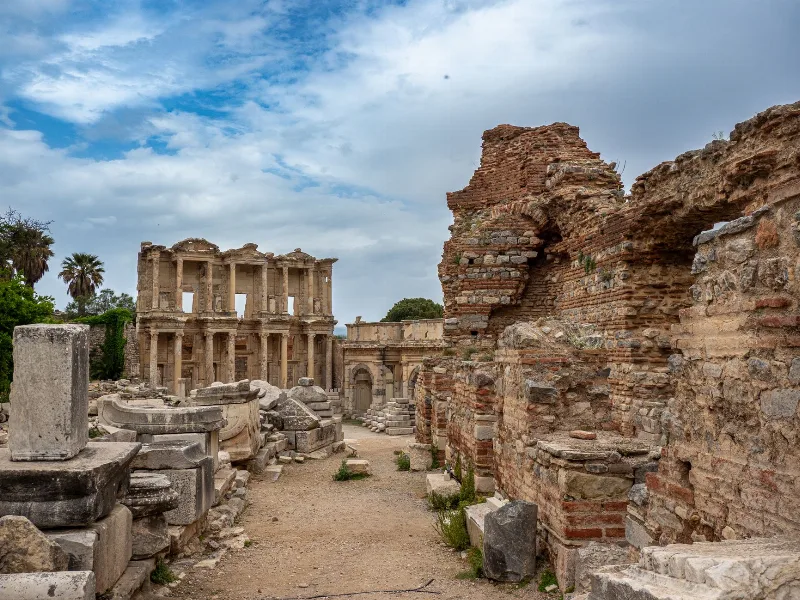
Historic Places in Türkiye
Discover Türkiye's rich history through its ancient cities and iconic landmarks.
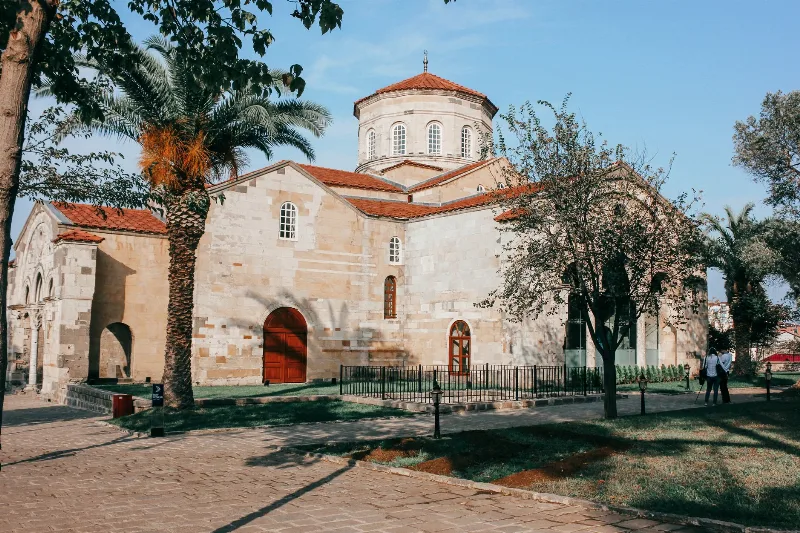
3-Day Trabzon and Uzungöl Route
This 3-day route in Türkiye's Eastern Black Sea region starts and ends in Trabzon, visiting Hagia Sophia, Sümela Monastery, and Uzungöl Lake. It blends city sightseeing, mountain driving, and lakeside relaxation.
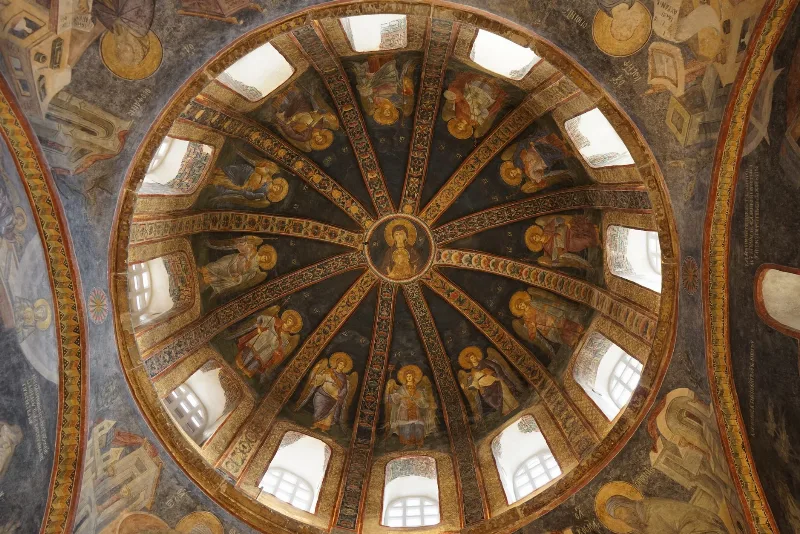
Chora Church
The Chora Church in Istanbul is a Byzantine monument whose 14th-century mosaics and frescoes are among the finest surviving examples of late Byzantine art, preserved inside a building that later served as a mosque.