
Chora Church
The Chora Church in Istanbul is a Byzantine monument whose 14th-century mosaics and frescoes are among the finest surviving examples of late Byzantine art, preserved inside a building that later served as a mosque.
The Chora Church, also known as the Church of the Holy Saviour in Chora and today as the Kariye Mosque, is a Byzantine religious building in the Edirnekapı quarter of the Fatih district in Istanbul, Türkiye. It stands close to the land walls of the city, not far from the Edirne Gate, in a part of the historic peninsula that lies some distance from the main imperial and commercial centre around Hagia Sophia. The building is significant above all for the mosaics and frescoes created in the early fourteenth century, which are widely regarded as masterpieces of the late Byzantine, or Palaiologan, style of art. The surviving decoration covers the walls of the church, its narthexes and a side chapel, and it remains one of the most complete decorative programmes to survive from the Byzantine world.
Location and Setting
The Chora Church occupies a small site in the western part of the walled city, within the district of Fatih. It sits on relatively level ground inside the Theodosian Walls, the great defensive line that protected Constantinople from the fifth century onward. The neighbourhood around it, known as Edirnekapı, takes its name from the nearby gate in those walls. The area is residential and historic, and the church is set among streets that follow the old street pattern of the city. Its position near the walls is meaningful, because the name "Chora" refers to a place outside or away from the settled centre; the monastery that originally stood here lay outside the earlier Constantinian walls, in what was once a more rural zone.
Early History of the Monastery
A monastic complex existed at this location well before the present building. Tradition and early sources associate the foundation with the period when the site lay beyond the Constantinian city walls, which gave the monastery its name. Over the centuries the church was rebuilt more than once, and the structure that survives today is the result of several phases of construction and repair rather than a single campaign. The standing church largely reflects an eleventh-century rebuilding, undertaken in the late eleventh century when the monastery was restored and endowed by members of the imperial family. This phase established the core of the building that later painters and mosaicists would decorate.
The Palaiologan Decoration
The most celebrated aspect of the Chora Church is its decoration, created in the early fourteenth century during the reign of the Palaiologan dynasty. The patron responsible for this work was Theodore Metochites, a scholar and statesman who served as a senior official under the emperor Andronikos II Palaiologos. Metochites funded a substantial restoration and embellishment of the church, and the mosaic and fresco programme associated with him dates to the second decade of the fourteenth century. This decoration reflects the refined, narrative and richly coloured style characteristic of late Byzantine art, in which figures are arranged in layered compositions and set against gold grounds or painted backgrounds.
The Mosaics
The mosaics of the Chora Church are concentrated in the inner and outer narthexes and in the nave. They present a coherent cycle drawn largely from the life of the Virgin Mary and from the infancy and ministry of Christ. Scenes include the ancestry and early life of the Virgin, her presentation in the temple, the annunciation, the nativity, and episodes from the public life of Christ. The figures are executed in small glass and stone tesserae, and the surviving surfaces preserve much of their original colour and detail. Because the cycle is so extensive, the mosaics allow viewers to follow a continuous narrative rather than isolated images, which is one reason the building is studied so closely by historians of Byzantine art.
The Frescoes of the Side Chapel
Attached to the main church is a side chapel, or parecclesion, which contains a separate programme of wall paintings in fresco rather than mosaic. These frescoes depict themes suited to a funerary chapel, including the resurrection and last judgment, together with scenes of the Virgin and other figures. The frescoes are notable for their colour and for the way the compositions fill the curved surfaces of the chapel, including its vaults and apse. The combination of a mosaic programme in the main church and a fresco programme in the chapel makes the building unusual, and it allows comparison between two techniques used side by side in the same monument.
From Byzantine Church to Ottoman Mosque
After the Ottoman conquest of Constantinople in the fifteenth century, the Chora Church was eventually converted for Muslim worship and became known as the Kariye Mosque. As part of this change, the building acquired a minaret and its interior was adapted in ways typical of converted Byzantine churches in the city. The mosaics and frescoes were not permanently destroyed; in many areas they were covered or obscured, which helped preserve them. The building functioned as a mosque for several centuries, and its outward character changed as the surrounding neighbourhood developed under Ottoman rule.
Museum and UNESCO Status
In the mid-twentieth century the building was restored and its surviving decoration was uncovered and conserved, and it was opened as a museum. This long period as a museum allowed the mosaics and frescoes to be studied and presented to visitors. The Chora Church forms part of the UNESCO World Heritage Site designated as the Historic Areas of Istanbul, inscribed in 1985, which recognises the layered Byzantine and Ottoman heritage of the historic peninsula. In the twenty-first century the building's use changed again, returning to function as a mosque, following a further period of conservation work.
What Visitors Can See Today
Visitors to the Chora Church can see the principal architectural elements of the Byzantine structure, including the nave, the narthexes and the side chapel. The mosaics and frescoes remain the central attraction. Because the interior is comparatively small and the decoration covers its surfaces closely, the experience is concentrated rather than grand in scale. The mosaics in the narthexes reward careful viewing, since many scenes are placed at eye level and above on the walls and vaults. The frescoes of the side chapel occupy a distinct space, and visitors pass from one decorative scheme into the other as they move through the building.
Visiting the Area
The church is located in the Edirnekapı area of Fatih, near the land walls on the western side of the historic peninsula. It can be reached from central Istanbul by road, and the surrounding district can be explored on foot, although the terrain includes gradual slopes. Because the building is used for worship as well as visited for its art, access to parts of the interior may vary, and visitors should expect that some areas are reserved for prayer. Modest dress is advisable, and quiet behaviour is expected inside. Seasonal conditions, opening arrangements and crowd levels can change, so checking current local information before a visit is sensible. The nearby land walls and gate are themselves historic features of the city and add context to the church's position.
Related Historic Places
The Chora Church is part of a wider group of Byzantine monuments in Istanbul, and it is often considered alongside other churches that preserve mosaics and frescoes from the middle and late Byzantine periods. Its position near the Theodosian Walls connects it to the city's defensive history, and the Edirne Gate and the surviving stretches of wall are close by. Other historic structures in the Fatih district and along the historic peninsula share its setting within the walled city, making the area around the church relevant for anyone interested in the layered Byzantine and Ottoman past of Istanbul.
Routes
All routes →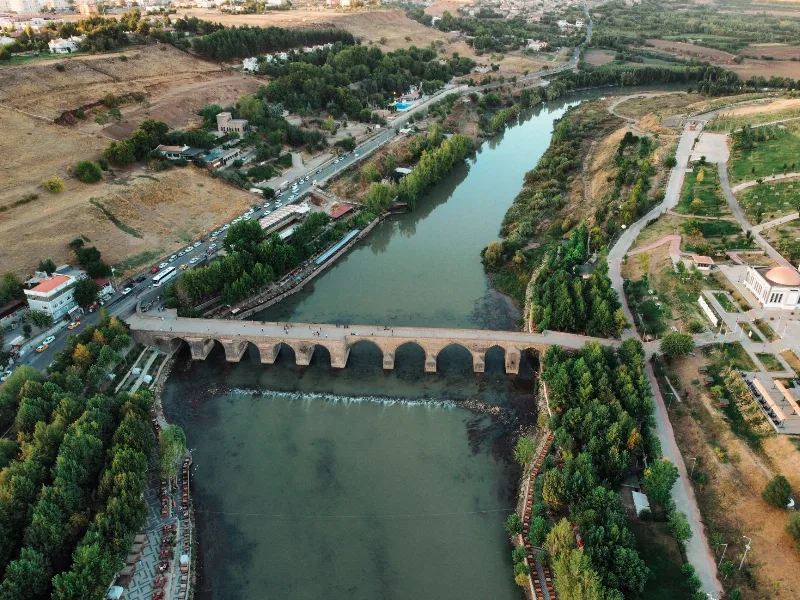
5-Day Tigris and Euphrates Route
A five-day, east-to-west journey across Southeastern Anatolia from Diyarbakır to Gaziantep, following the Tigris and Euphrates through Mardin, Şanlıurfa, Göbeklitepe and Harran.
Explore →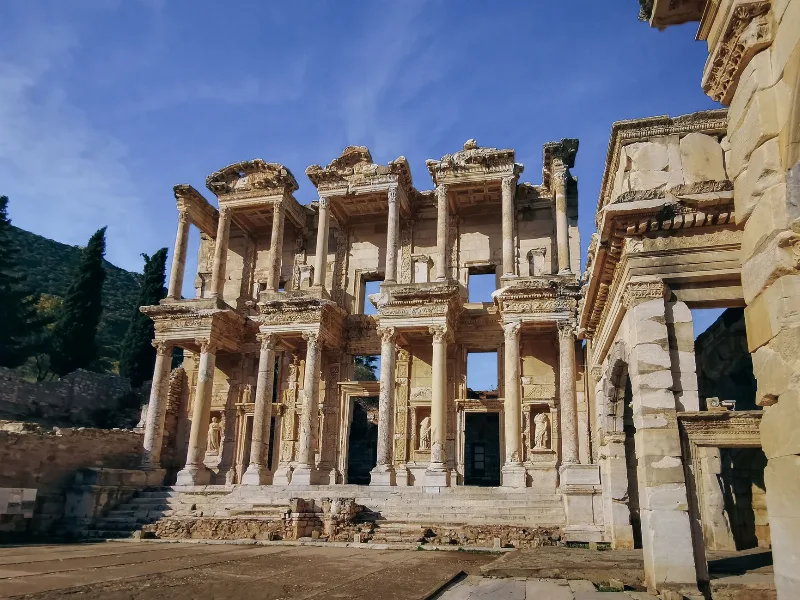
6-Day Aegean Ancient Cities Route
A six-day linear journey from Izmir to Denizli through the great ancient cities of the Aegean, linking Ephesus, Priene, Miletus, Didyma, Lake Bafa, Pamukkale, Laodicea and Aphrodisias in one coherent corridor.
Explore →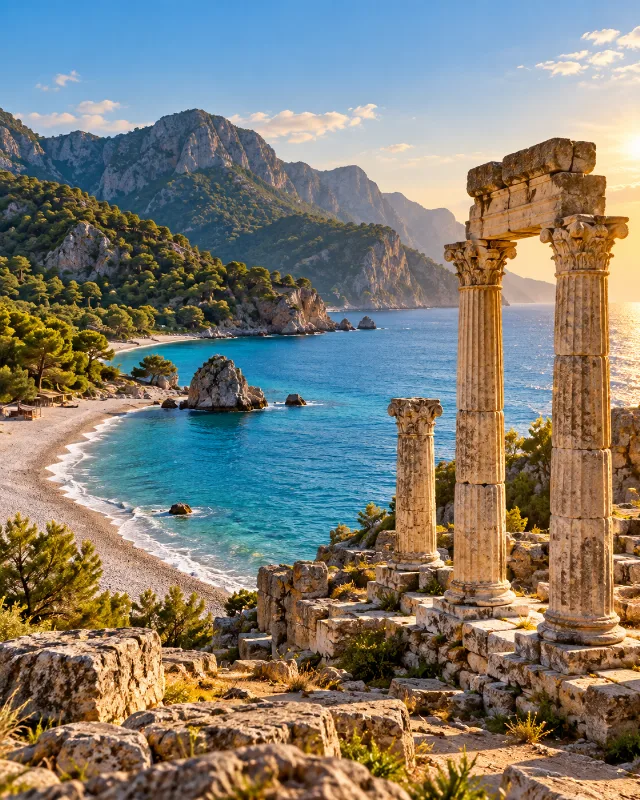
3-Day Antalya Ancient Coast Route
A three-day route combining Antalya’s old city with Perge, Aspendos, Side, Olympos and the Mediterranean landscapes around Çıralı.
Explore →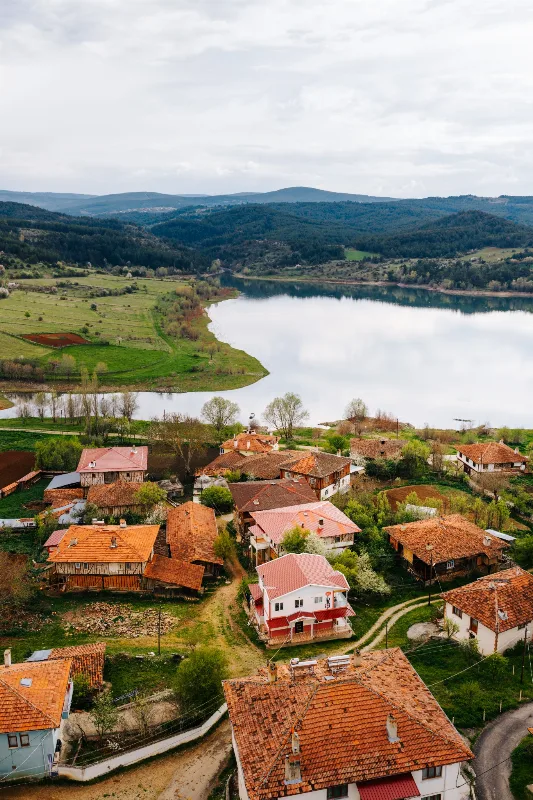
3-Day Kastamonu and Ilgaz Route
A three-day drive from Kastamonu's old town to the fir-covered slopes of Ilgaz National Park, combining Ottoman-era streets with mountain walking in Türkiye's Western Black Sea region.
Explore →Related content
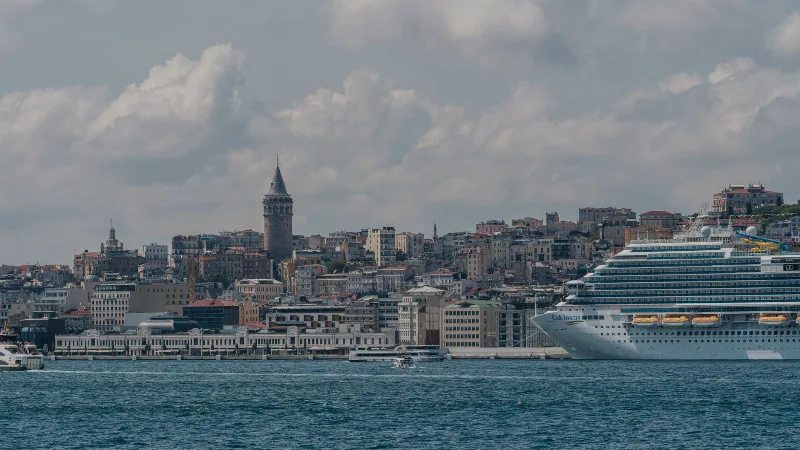
Istanbul
Istanbul is Türkiye's largest city and the country's only metropolis that spans two continents, divided by the Bosphorus strait into a European and an Asian half. Its long run as an imperial capital left a historic core of palaces, mosques and bazaars that still shapes the city's identity.
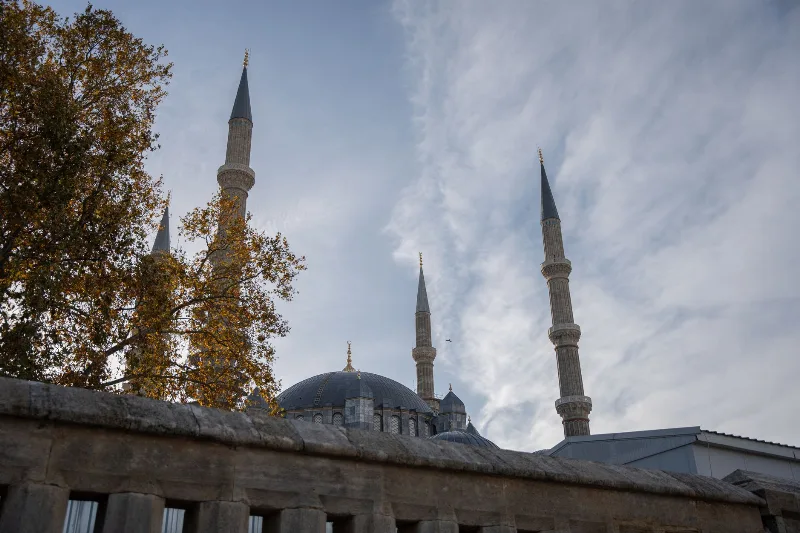
Edirne
Edirne is a northwestern Turkish city near the Greek and Bulgarian borders, renowned for its Ottoman heritage, particularly the Selimiye Mosque, and for hosting the annual Kırkpınar oil wrestling festival.
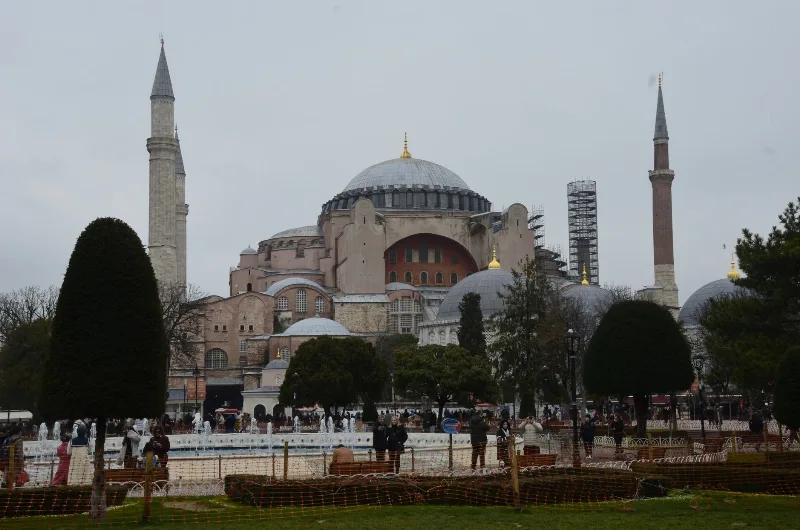
Hagia Sophia
Hagia Sophia in Istanbul is a monumental religious building begun under the Byzantine emperor Justinian I in 537 CE, later converted into an Ottoman mosque and today serving again as a mosque and UNESCO-listed monument.
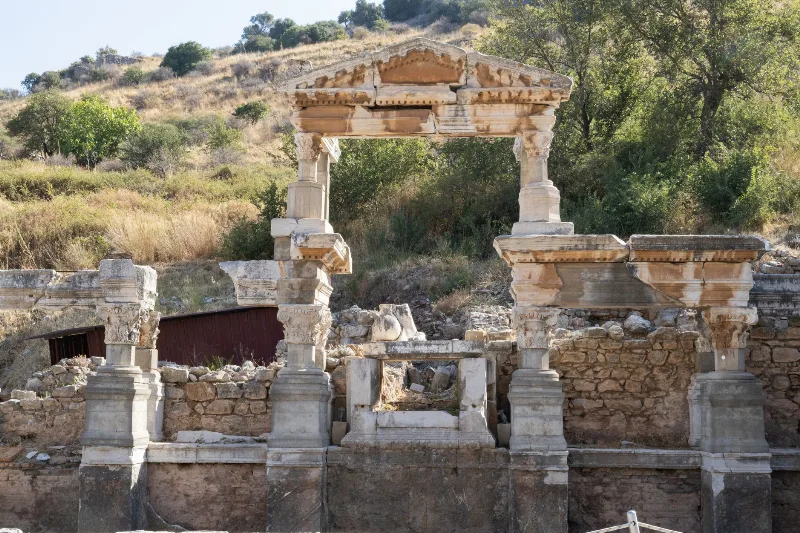
Cultural Heritage of Anatolia
Anatolia's cultural heritage spans millennia, blending ancient civilizations, architectural marvels, and living traditions across Türkiye.
Marmara Region
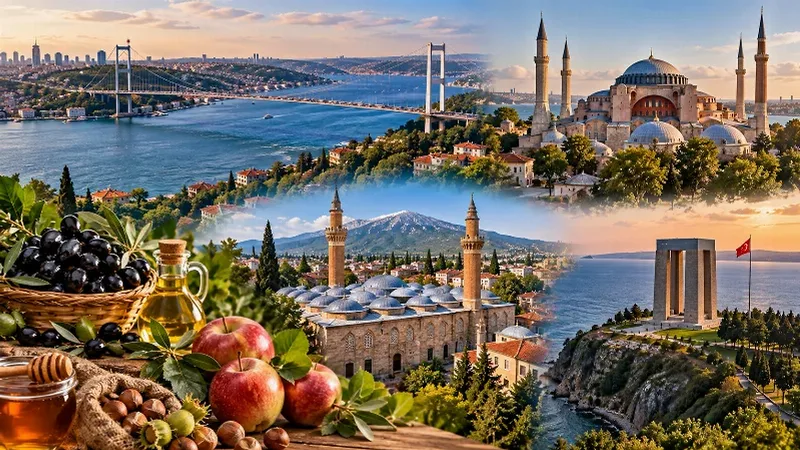
The Marmara Region connects Europe and Asia, bringing together historic cities, beautiful coastlines, green landscapes and a rich cultural heritage. From Istanbul's iconic skyline to the peaceful shores of the Marmara Sea, the region offers a remarkable variety of places to discover.
1-Day Istanbul Historic Peninsula Route
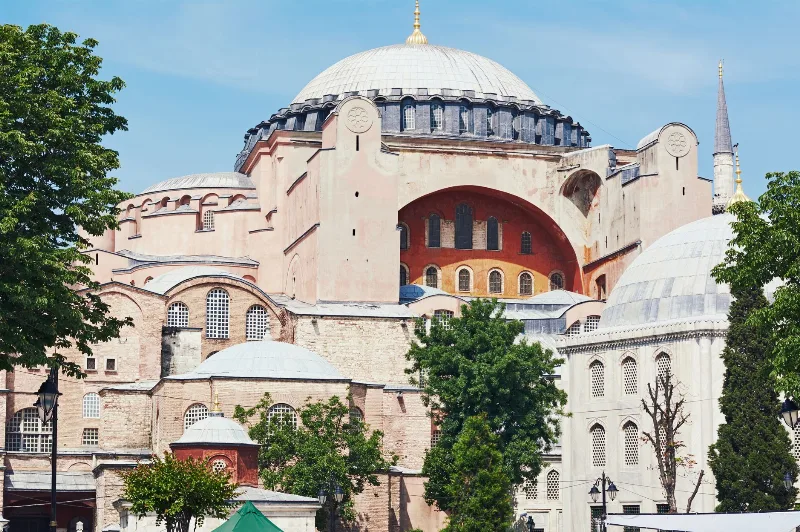
Explore Istanbul's Historic Peninsula in one day on foot, visiting Hagia Sophia, the Blue Mosque, Topkapı Palace, and the Grand Bazaar. This compact walking route covers the highlights of Sultanahmet with a logical, easy-to-follow order.