
Marmara Region
The Marmara Region connects Europe and Asia, bringing together historic cities, beautiful coastlines, green landscapes and a rich cultural heritage. From Istanbul's iconic skyline to the peaceful shores of the Marmara Sea, the region offers a remarkable variety of places to discover.
Discover the Marmara Region
Located in northwestern Türkiye, the Marmara Region is where Europe and Asia meet. Surrounded by the Marmara Sea, the Black Sea and the Aegean Sea, the region combines centuries of history with beautiful landscapes, lively cities, traditional towns and a rich cultural heritage.
Its geographical position has made Marmara an important meeting point for civilizations, cultures and trade routes throughout history. Today, the region offers an extraordinary variety of experiences, from discovering historic streets to exploring peaceful coastal villages and green countryside.
Cities and Cultural Heritage
Istanbul is the region's best-known city, celebrated for its extraordinary setting along the Bosphorus. Its historic peninsula, grand mosques, palaces, traditional neighborhoods and waterfront views reflect the city's Byzantine and Ottoman heritage.
Beyond Istanbul, Edirne is known for its magnificent Ottoman architecture, particularly the Selimiye Mosque, a UNESCO World Heritage Site. Bursa, once an early capital of the Ottoman Empire, is famous for its historic bazaars, mosques, thermal waters and the natural beauty of Uludağ.
Çanakkale adds another dimension to the region's cultural landscape. The ancient city of Troy, the Gallipoli Peninsula and the shores of the Dardanelles connect the region's scenery with thousands of years of history.
Natural Beauty and Coastal Landscapes
The Marmara Region features a diverse natural landscape of forests, hills, lakes, islands and scenic coastlines.
The Princes' Islands near Istanbul are known for their historic architecture, wooded surroundings and peaceful atmosphere. Along the southern coast of the Marmara Sea, charming seaside settlements offer beautiful waterfront views and a relaxed coastal character.
Uludağ, rising above Bursa, is one of the region's most recognizable mountain landscapes. Its forests, mountain meadows and seasonal scenery make it an important destination for nature lovers.
Sapanca Lake, Lake İznik and the green countryside around Yalova and Kocaeli contribute to the region's natural diversity. The northern parts of Marmara also feature extensive forests and Black Sea coastal landscapes.
Food and Local Flavours
Marmara's culinary culture reflects its long history and geographical diversity.
Bursa is particularly associated with İskender kebab, chestnut sweets and traditional Ottoman-inspired dishes. Edirne is known for its distinctive fried liver, while Tekirdağ has a longstanding culinary tradition centered on its well-known meatballs.
Olives and olive oil are important parts of local food culture, particularly around the southern Marmara coast. Fresh seafood, seasonal vegetables, local cheeses and traditional pastries are also common throughout the region.
Istanbul brings together regional cuisines from across Türkiye, creating an especially diverse food culture ranging from traditional street food to historic recipes.
Traditions and Everyday Life
Traditional markets, waterfront promenades, historic neighborhoods and local festivals contribute to Marmara's cultural identity.
In smaller towns, visitors can discover stone houses, traditional craftwork, local markets and everyday customs that have been preserved across generations.
The region's rich architectural heritage includes Ottoman houses, Byzantine structures, historic bridges, mosques, churches and ancient archaeological sites.
A Region of Many Experiences
The Marmara Region offers a distinctive combination of urban culture, natural beauty and historical discovery. Its cities, villages, islands, mountains and coastlines reveal different aspects of Türkiye within a geographically compact and remarkably varied region.
From the famous landmarks of Istanbul to the historic streets of Bursa and Edirne, Marmara brings together some of the country's most memorable cultural and natural landscapes.
Related content
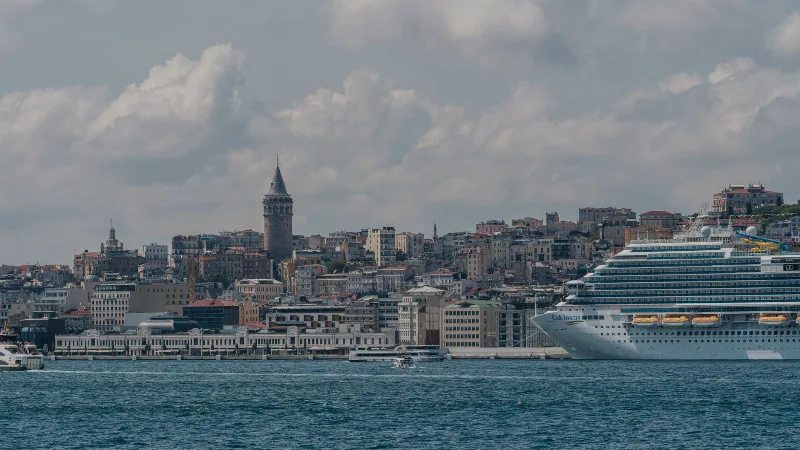
Istanbul
Istanbul is Türkiye's largest city and the country's only metropolis that spans two continents, divided by the Bosphorus strait into a European and an Asian half. Its long run as an imperial capital left a historic core of palaces, mosques and bazaars that still shapes the city's identity.
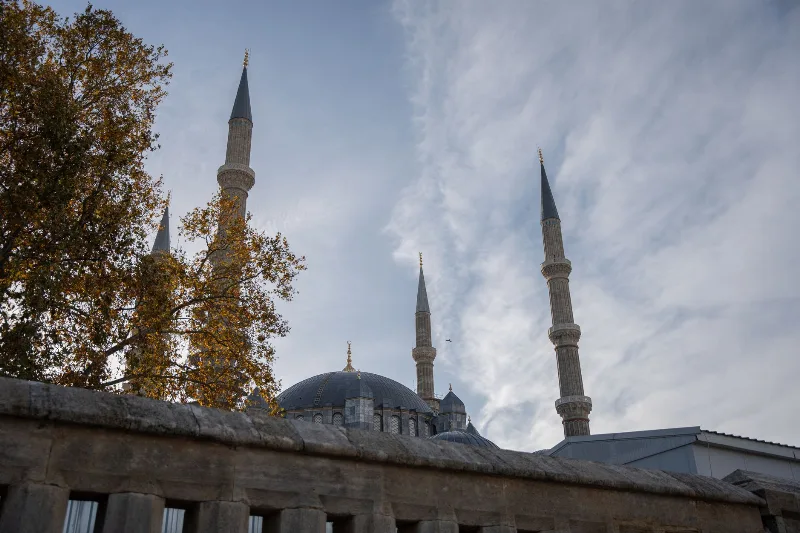
Edirne
Edirne is a northwestern Turkish city near the Greek and Bulgarian borders, renowned for its Ottoman heritage, particularly the Selimiye Mosque, and for hosting the annual Kırkpınar oil wrestling festival.
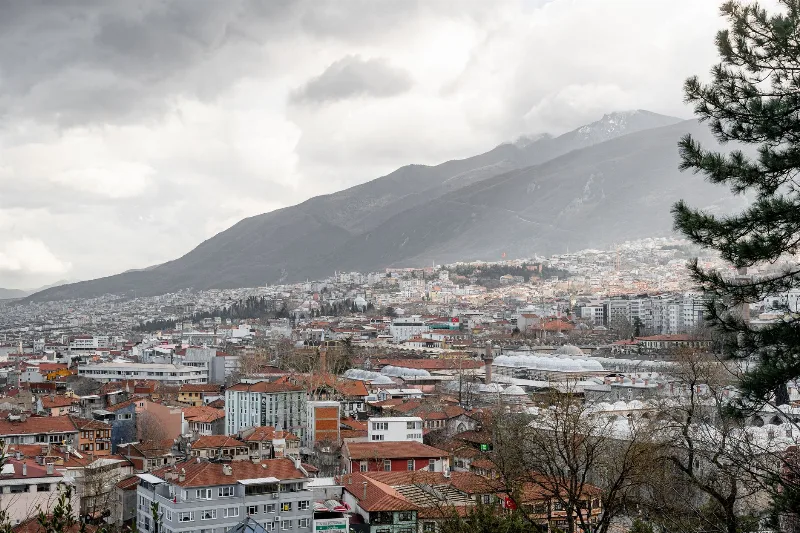
Bursa
Bursa is a major metropolitan city in northwestern Türkiye and the first great capital of the Ottoman Empire, known for its silk heritage, thermal springs and the mountain of Uludağ rising directly behind it.
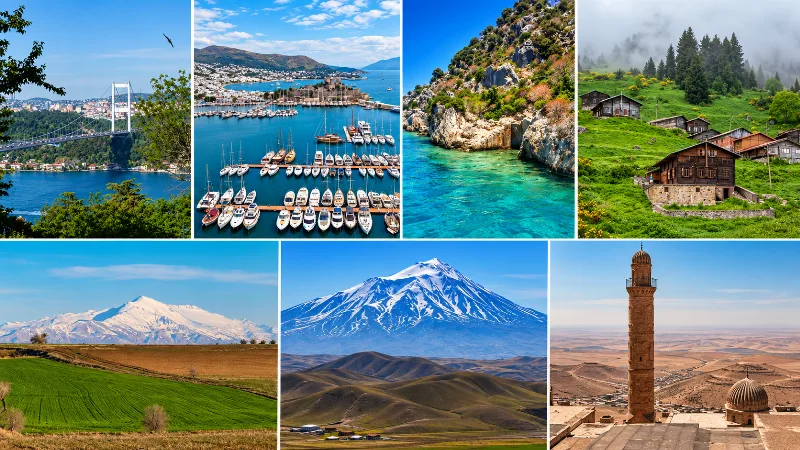
The Seven Geographical Regions of Turkey
An introduction to Turkey’s seven geographical regions and the landscapes, climates and cultural characteristics that distinguish them.
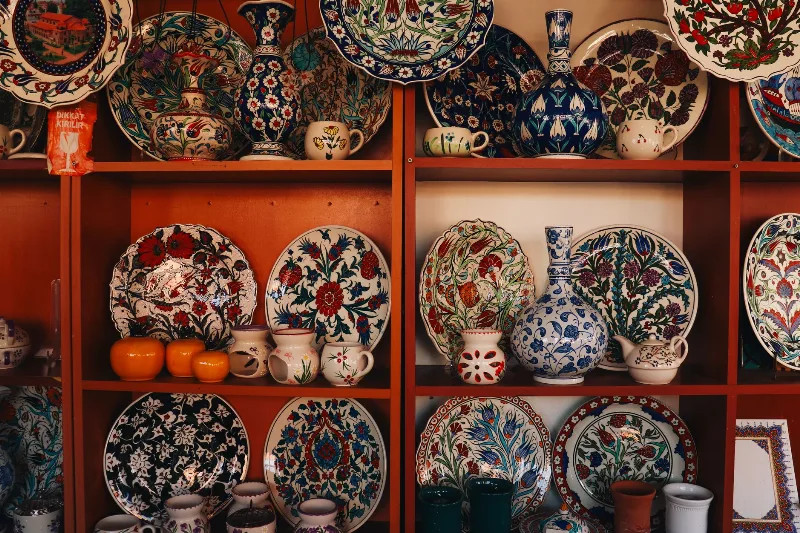
Turkish Ceramics and Pottery
Turkish ceramics and pottery reflect centuries of Anatolian craftsmanship, from Ottoman İznik tiles to the clay workshops of Avanos and Kütahya. Their colours, forms and motifs remain part of Türkiye's living cultural heritage.
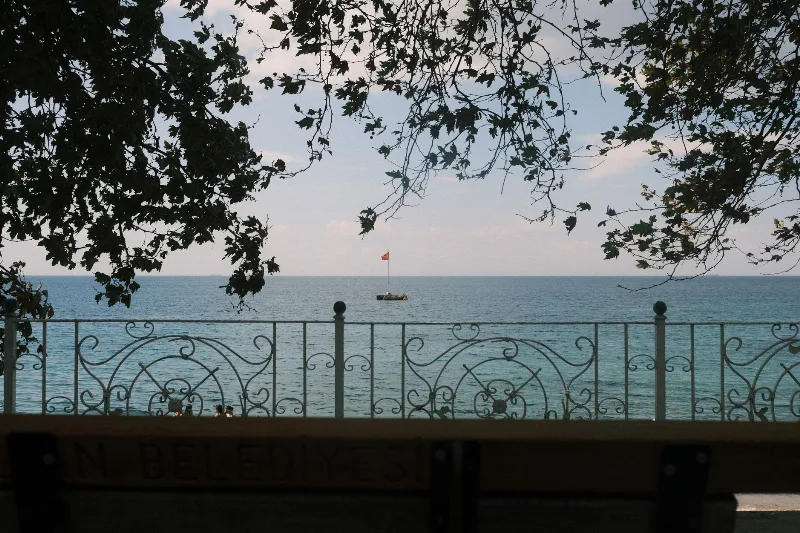
4-Day Marmara Sea Route
A four-day loop around the Sea of Marmara that starts in Istanbul, crosses to Yalova, travels inland to Bursa and finishes among the ruins of Troy and the memorials of the Gallipoli peninsula. The itinerary is built around short, logical daily drives rather than long transfers.