
Hagia Sophia
Hagia Sophia in Istanbul is a monumental religious building begun under the Byzantine emperor Justinian I in 537 CE, later converted into an Ottoman mosque and today serving again as a mosque and UNESCO-listed monument.
Hagia Sophia is a vast domed monument in the Sultanahmet district of Istanbul, Türkiye, standing on the European side of the city near the Bosphorus and the Sea of Marmara. It was built as a Christian cathedral between 532 and 537 CE under the Byzantine emperor Justinian I, converted into a mosque after the Ottoman conquest of Constantinople in 1453, turned into a museum in the 1930s, and returned to use as a mosque in 2020. As part of the Historic Areas of Istanbul, it is inscribed on the UNESCO World Heritage List, and it is one of the most influential buildings in the history of architecture because of its enormous central dome and the way that dome is carried over a vast open interior.
Where Hagia Sophia Stands
The building occupies the heart of the old peninsula of Istanbul, in the Fatih municipality, on the square known historically as the Augusteion and now flanked by Sultanahmet Square. It sits a short distance from the Blue Mosque (Sultan Ahmed Mosque), Topkapı Palace, the Basilica Cistern and the Hippodrome, so almost every visitor to the historic core of the city passes it. The site lies on the first hill of Byzantine Constantinople, a position chosen deliberately so the cathedral would dominate the skyline above the sea walls and the imperial palaces. Today the surrounding area is served by tram and metro stops in the Sultanahmet and Eminönü area, and the whole quarter is largely walkable, though the terrain is a gentle hill rather than flat ground.
The Earlier Churches on the Same Site
Hagia Sophia was not the first church on the site. Byzantine tradition records that an earlier church, sometimes called the Great Church, was founded in the fourth century during the reign of Constantius II and consecrated around 360 CE. A second church was built under Theodosius II in the early fifth century. Both were destroyed during urban revolts; the second was burned in 532 during the Nika riots, the same uprising that nearly toppled Justinian. It was after that destruction that Justinian ordered the present building, entrusting its design to two scholars rather than to professional builders of the day: the physicist Anthemius of Tralles and the mathematician Isidore of Miletus.
Construction and the First Dome
The church was completed remarkably quickly and was consecrated in 537. Materials were brought from across the empire, including columns and marble reused from older monuments. The central feature is a huge dome resting on pendentives, the curved triangular elements that transfer the weight of a circular dome onto a square base. In the original design the dome was lower and wider than the one seen now; it was damaged by earthquakes and rebuilt in the sixth century by Isidore the Younger, and it has been repaired repeatedly since, including a major reconstruction of the western part of the dome and arches in the ninth century under the direction of the architect Trdat after further earthquake damage. The dome that visitors see today is therefore the product of many centuries of careful engineering, not a single act of construction.
Architecture and Interior Features
The building is a domed basilica combined with a centrally planned structure. A long nave leads towards the apse, and above it the dome rises on a ring of windows that gives the upper shell a sense of lightness. Two semi-domes step down from the central dome, supported by massive piers and lateral aisles. The interior was richly decorated with marble revetment, coloured stone columns and mosaic, and the galleries above the aisles contain some of the most important surviving Byzantine mosaics, including the Deësis mosaic, the mosaic of the Virgin and Child in the apse, and imperial portraits in the south gallery. The building's dimensions, the span of the dome and the arrangement of windows and structural supports are studied today as landmarks in the development of domed architecture.
From Cathedral to Mosque
After Constantinople was taken by the Ottomans in 1453, Sultan Mehmed II converted Hagia Sophia into a mosque. The Christian furnishings were removed or altered, and Islamic elements were gradually added. A mihrab indicating the direction of prayer, a minbar for the Friday sermon and a raised lodge for the sultan were installed, and large calligraphic roundels were hung between the piers. The Ottomans also strengthened the structure. The architect Mimar Sinan, working in the sixteenth century, added buttresses and other supports that helped the ancient shell resist earthquakes, and he is also associated with work on the building during the reign of Selim II. Minarets were added at different times; the earliest is attributed to the fifteenth century, and later minarets gave the monument its present multi-towered silhouette. Tombs of several Ottoman sultans stand in the grounds, along with a fountain for ritual washing and a primary school building.
Museum Years and Return to a Mosque
In the 1930s the building was closed for worship and reorganised as a museum, a decision that made its Byzantine mosaics and Ottoman additions accessible to a very wide public and turned the monument into a major cultural attraction. Many of the figural mosaics were uncovered or cleaned during this period. In 2020 the status of the building was changed again, and it was reopened for Muslim prayer while remaining open to visitors outside prayer times. Because this status has changed within living memory, travellers should expect that access arrangements, entry points and the balance between worship and tourism may vary, and they should check current conditions locally rather than relying on older descriptions.
What Survives to Be Seen Today
Visitors encounter a single continuous interior space rather than a ruin, and the main elements to look for are the central dome and its window ring, the semi-domes and great arches, the marble columns and revetment, the surviving figural mosaics in the upper galleries and the apse, the Ottoman mihrab and minbar, the large calligraphic medallions, and the imperial lodge. In the grounds outside, the mausoleums of Ottoman sultans, the ablution fountain and the surrounding minarets can be seen, along with the remains of the earlier Theodosian church discovered during twentieth-century excavations near the western entrance. The building's setting within Sultanahmet Square, with the Hippodrome, the Blue Mosque and Topkapı Palace nearby, makes it easy to understand its position at the ceremonial and religious centre of both Byzantine and Ottoman Istanbul.
Significance and UNESCO Status
Hagia Sophia is significant on several levels at once. Architecturally, it solved the problem of placing a vast dome over a rectangular hall in a way that influenced later Byzantine, Ottoman and European building. Historically, it stood at the centre of Byzantine imperial ceremony and later became a model for Ottoman mosque design, including the great mosques of Istanbul built by Mimar Sinan and his successors. Culturally, the combination of Byzantine mosaic, marble decoration and Ottoman Islamic furnishing in one building makes it an unusually clear record of the transition between two major empires. As part of the Historic Areas of Istanbul, it is recognised on the UNESCO World Heritage List, alongside monuments such as the Hippodrome, the churches of the Chora and the walls of the city.
Practical Visiting Context
The monument is in the historic centre of Istanbul, and the most straightforward approach is through Sultanahmet, which is well connected by public transport and by walking routes from Eminönü, Sirkeci and the Grand Bazaar area. Because the building functions as a working mosque, modest dress is expected, and shoes are removed at the entrance. The interior floor is largely flat, but the upper galleries, when accessible, involve stairs and narrow passageways. Entry arrangements and opening times have changed with the building's status, so it is sensible to verify current entry procedures and prayer-time restrictions close to the date of travel. Spring and autumn generally offer more comfortable weather for exploring the surrounding historic quarter, while the summer months bring larger numbers of visitors to Sultanahmet Square and the neighbouring monuments.
Nearby Historic Places
Hagia Sophia belongs to a dense cluster of monuments within walking distance. Immediately adjacent are the Blue Mosque and the Hippodrome, where obelisks and a serpent column from the Byzantine period still stand. To the north-east lies Topkapı Palace, the Ottoman imperial residence, and underneath the square is the Basilica Cistern, an underground Byzantine water reservoir. A short walk away are the Archaeological Museums and the Great Palace mosaics, and slightly further are the Church of the Holy Saviour in Chora, the Land Walls of Constantinople and the shoreline of the Golden Horn, all of which help place Hagia Sophia within the wider history of the city.
Routes
All routes →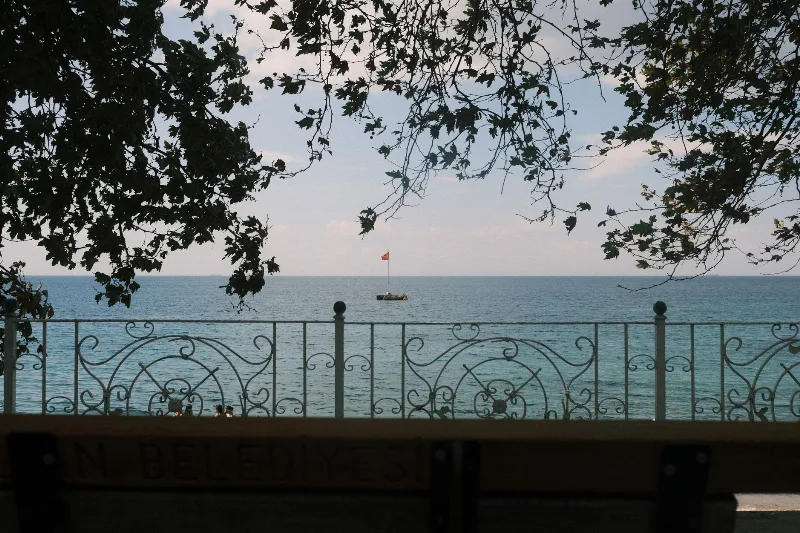
4-Day Marmara Sea Route
A four-day loop around the Sea of Marmara that starts in Istanbul, crosses to Yalova, travels inland to Bursa and finishes among the ruins of Troy and the memorials of the Gallipoli peninsula. The itinerary is built around short, logical daily drives rather than long transfers.
Explore →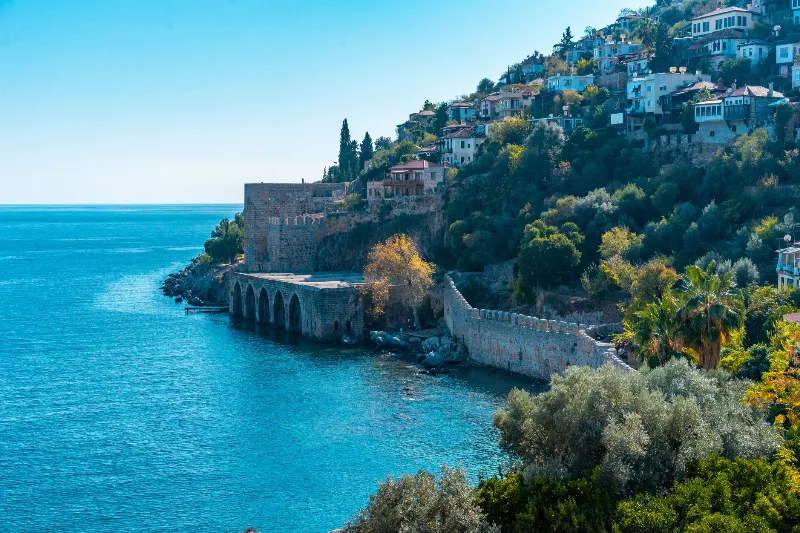
3-Day Alanya and Side Route
A three-day route along Türkiye's eastern Mediterranean coast, starting at Alanya Castle, continuing west to the ancient city of Side, and ending at the Manavgat Waterfalls.
Explore →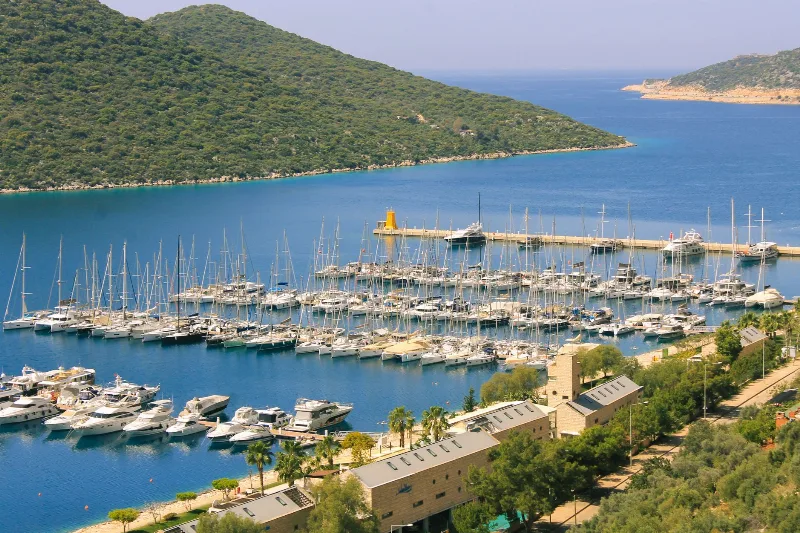
2-Day Kaş and Kalkan Route
Two unhurried days on Türkiye's Turquoise Coast, linking the harbour town of Kaş and its Lycian tombs with a boat trip toward Kekova, the beach at Kaputaş and the old quarter of Kalkan.
Explore →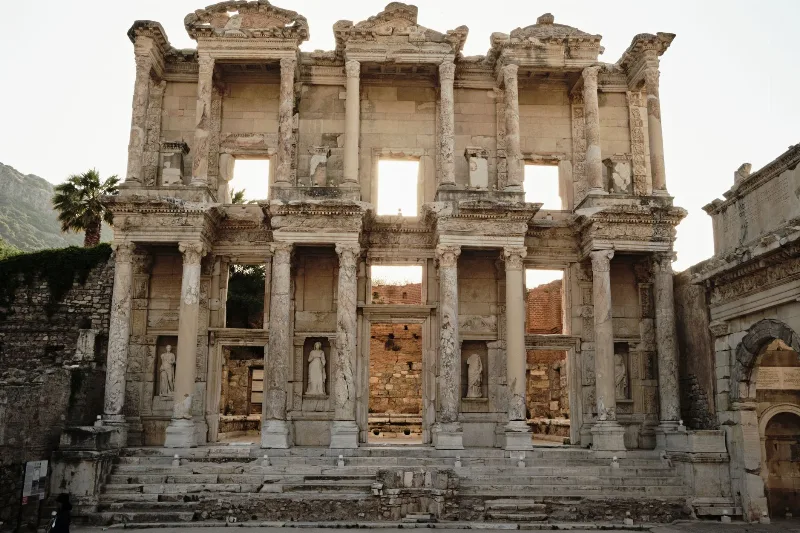
4-Day Ephesus and Pamukkale Route
A four-day west-to-east Aegean route that links the ancient city of Ephesus and the House of Virgin Mary in Selçuk with the white travertine terraces and Hierapolis ruins at Pamukkale, near Denizli.
Explore →Related content
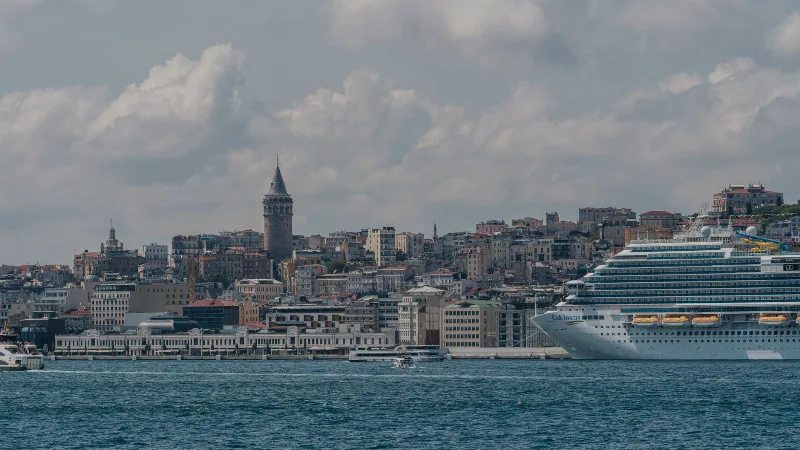
Istanbul
Istanbul is Türkiye's largest city and the country's only metropolis that spans two continents, divided by the Bosphorus strait into a European and an Asian half. Its long run as an imperial capital left a historic core of palaces, mosques and bazaars that still shapes the city's identity.
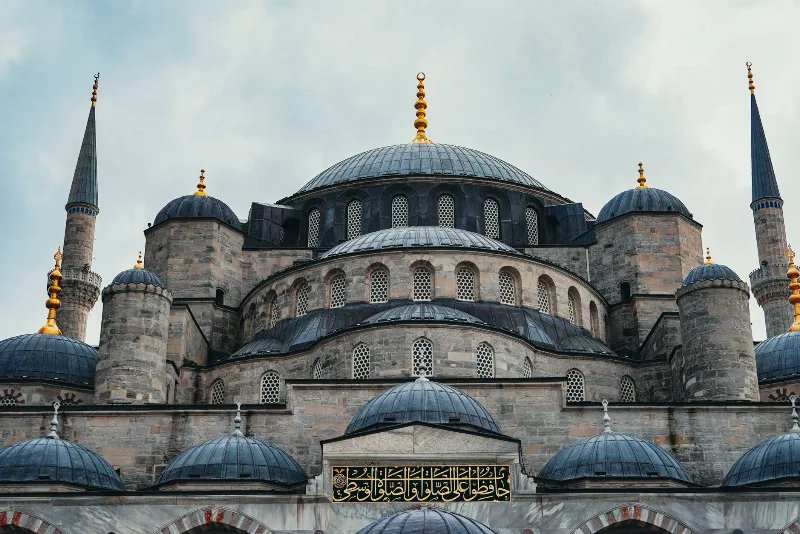
Blue Mosque
The Blue Mosque, known formally as the Sultan Ahmed Mosque, is an early 17th-century Ottoman mosque in Istanbul famous for its hand-painted blue Iznik tiles and six minarets.
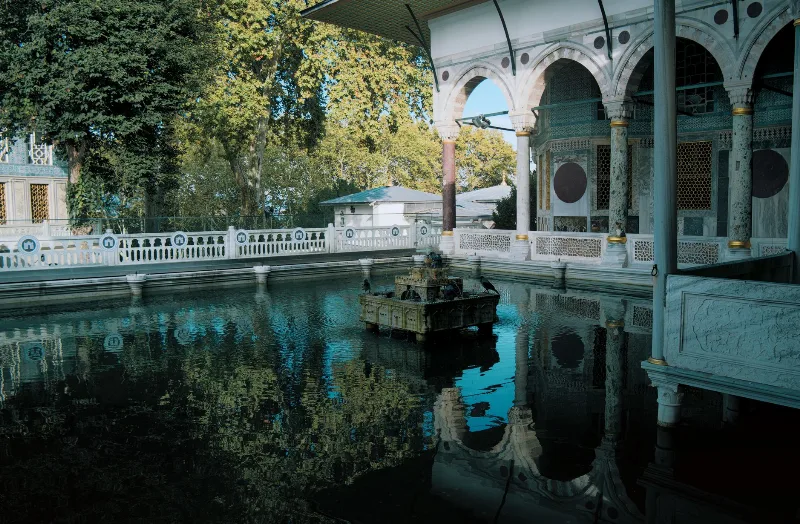
Topkapı Palace
Topkapı Palace on Istanbul's Seraglio Point served as the residence and administrative heart of the Ottoman sultans for nearly four centuries, and today it is a museum displaying its courtyards, opulent interiors and the imperial collections of the Sacred Relics.
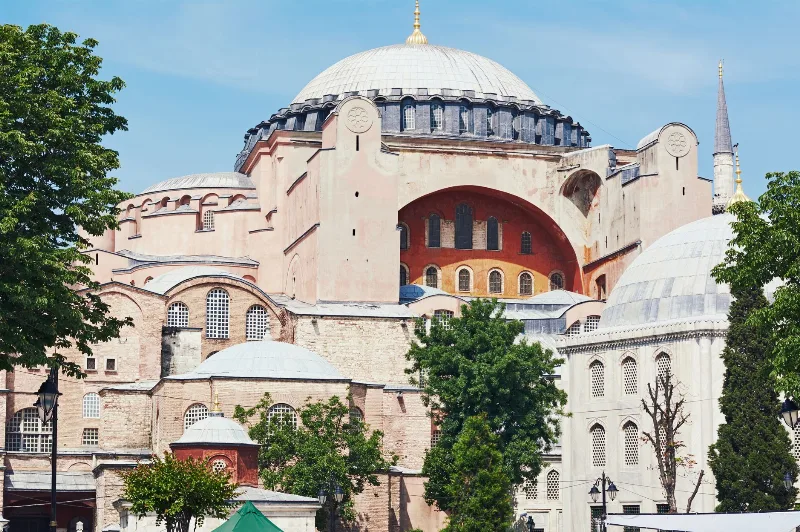
1-Day Istanbul Historic Peninsula Route
Explore Istanbul's Historic Peninsula in one day on foot, visiting Hagia Sophia, the Blue Mosque, Topkapı Palace, and the Grand Bazaar. This compact walking route covers the highlights of Sultanahmet with a logical, easy-to-follow order.
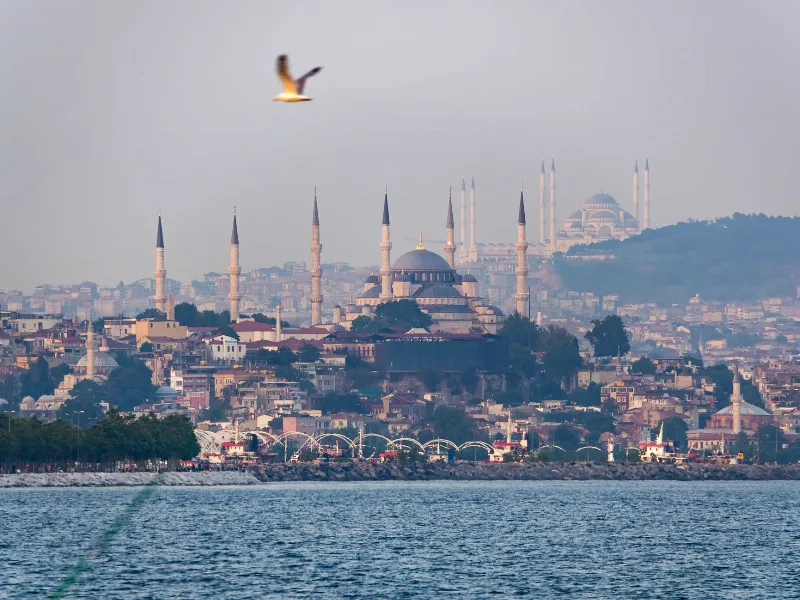
Istanbul's Historic Sultanahmet
Sultanahmet is Istanbul's historic core, a walkable peninsula of Byzantine and Ottoman monuments facing the Bosphorus and the Sea of Marmara.
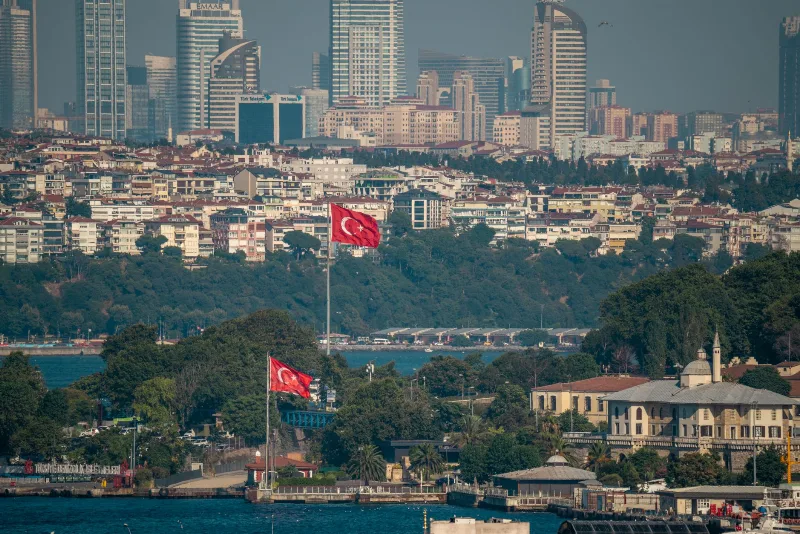
Cities in Türkiye
Discover Türkiye's vibrant cities, each offering unique traditions and sights, making them captivating travel destinations.