
Mardin's Stone Architecture
Mardin is a historic city in southeastern Türkiye where honey-coloured limestone shapes houses, arcades and terraces across a hillside above the Mesopotamian plain.
Mardin is a historic city in southeastern Türkiye whose identity is bound to stone. Set on a slope that rises above the Mesopotamian plain, the settlement grew around local limestone, a dry climate and centuries of exchange between communities. The result is a compact urban landscape where walls, roofs, courtyards and stairways share the same warm tone, making stone architecture the clearest expression of the city's character.
The Honey-Coloured Stone of Mardin
Much of Mardin is built from a light, sandy limestone quarried in the surrounding area. The stone is easy to cut when first extracted and hardens as it dries, which made it practical for both monumental buildings and ordinary homes. Because the material is used almost everywhere, the city reads as a single continuous surface rather than a collection of separate structures. Sunlight changes the colour through the day, from pale cream at midday to deeper amber in the late afternoon.
A City Built in Layers
Mardin's layout follows the shape of the hill. Streets step downward in terraces, and buildings are stacked so that the roof of one house often serves as a terrace for the one above. This arrangement keeps the town cool in summer and sheltered in winter. Along the main axis, historic religious and civic buildings from different periods stand close together, including mosques, churches and old madrasas, reflecting the cultural diversity that has long marked the region.
Architectural Features to Notice
Several details repeat throughout the old quarters and give Mardin its visual rhythm:
- Pointed and round stone arches framing doorways and windows
- Carved stone lintels decorated with geometric patterns and inscriptions
- Deep window recesses that shade interiors from strong sun
- Vaulted rooms and cellars cut partly into the bedrock
- Flat stone roofs used as open terraces
- Narrow passages and covered lanes connecting courtyards
The craft behind these elements is visible in the tidy joints and the fine carving of façades, where local masons worked stone with remarkable precision.
Districts and Views Across the Plain
The old town spreads across several connected quarters, each with its own small square and mosque. From the upper edges of the hillside, the view opens over the flat plain far below, a contrast that makes the elevation of the city immediately understandable. Historically, this position offered both defence and a wide horizon, and it still shapes how visitors experience Mardin today, moving upward through lanes and downward toward the plain.
Stone, Craft and Daily Life
Stone in Mardin is not only a building material but part of everyday culture. Thresholds, fountains, benches and courtyard walls are all made from the same local rock, and repairs traditionally followed the original techniques. Local cuisine reflects the region's mixed heritage, with dishes based on bulgur, lamb, aubergine and spices such as sumac and pepper, often prepared in stone-lined kitchens. Together, architecture and daily custom show how closely the city's identity is tied to its geological setting.
For travellers interested in architecture, heritage and urban form, Mardin offers a rare chance to see a historic city where one material shapes almost everything, from grand monuments to modest homes on the slope.
Related content
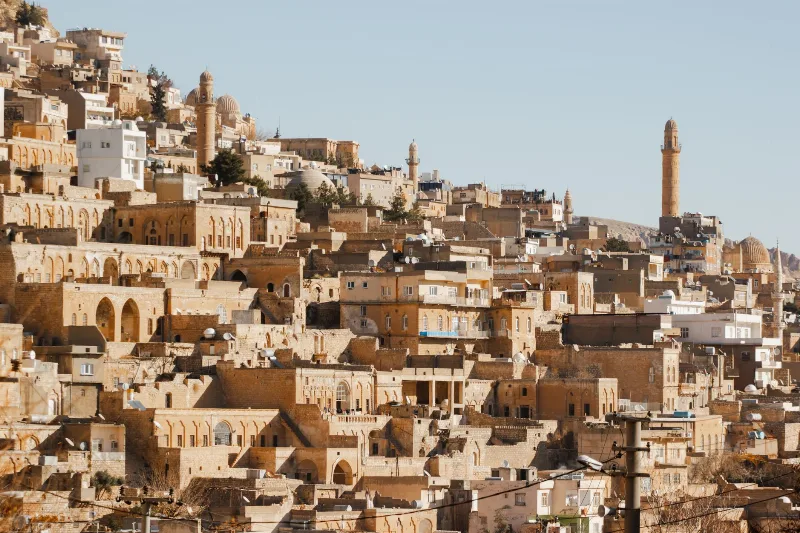
Mardin
Mardin is a historic city in southeastern Türkiye, built on a rocky hillside above the Mesopotamian plain and known for its honey-coloured stone architecture and Syriac Christian heritage.
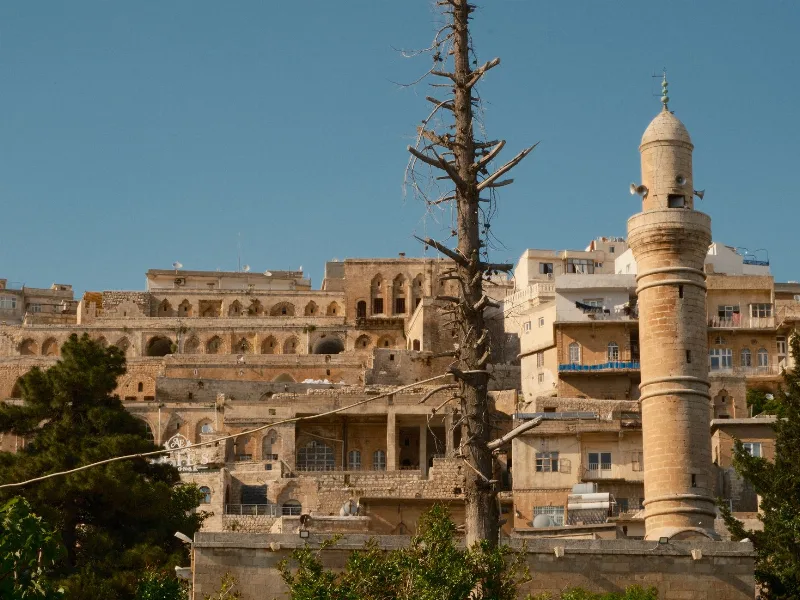
The Architectural Wonders of Mardin
Mardin showcases a blend of ancient architectural styles and natural landscapes, reflecting its rich history and cultural heritage.
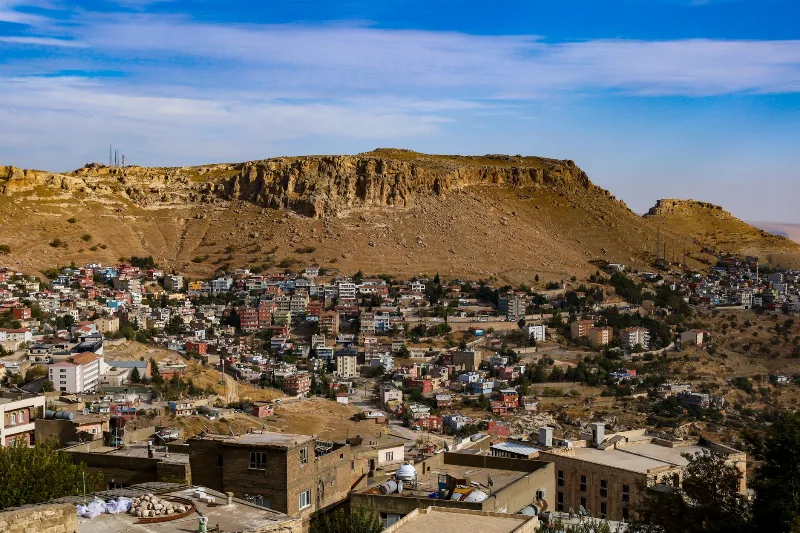
Ottoman Architecture of Mardin
Mardin's historic centre shows how Ottoman design merged with local stone-building traditions in south-eastern Türkiye. Its domes, minarets, hans and courtyard houses form a distinctive urban landscape.
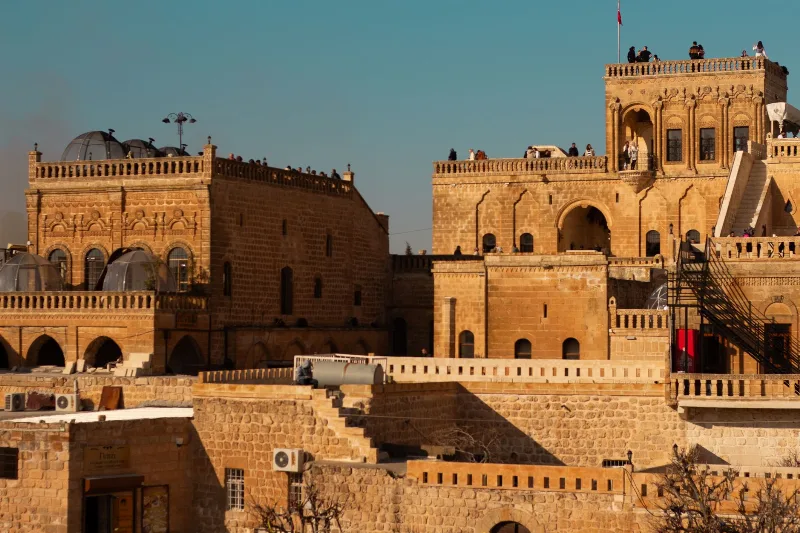
3-Day Mardin and Midyat Route
Explore the stone architecture of Mardin's old city and the historic monasteries of Midyat on this 3-day route through southeast Türkiye. The itinerary starts in Mardin, travels east to Midyat, and visits Deyrulzafaran and Mor Gabriel monasteries.
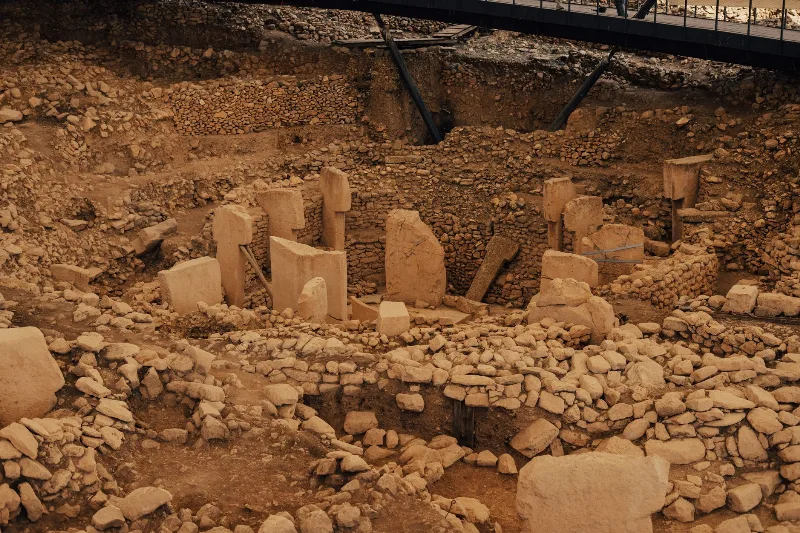
4-Day Southeastern Anatolia Route: Gaziantep to Mardin via Şanlıurfa
A four-day linear route across Southeastern Anatolia, linking the historic cities of Gaziantep, Şanlıurfa and Mardin by road, with the Neolithic site of Göbeklitepe and the ancient settlement of Harran fitted into the middle of the journey.
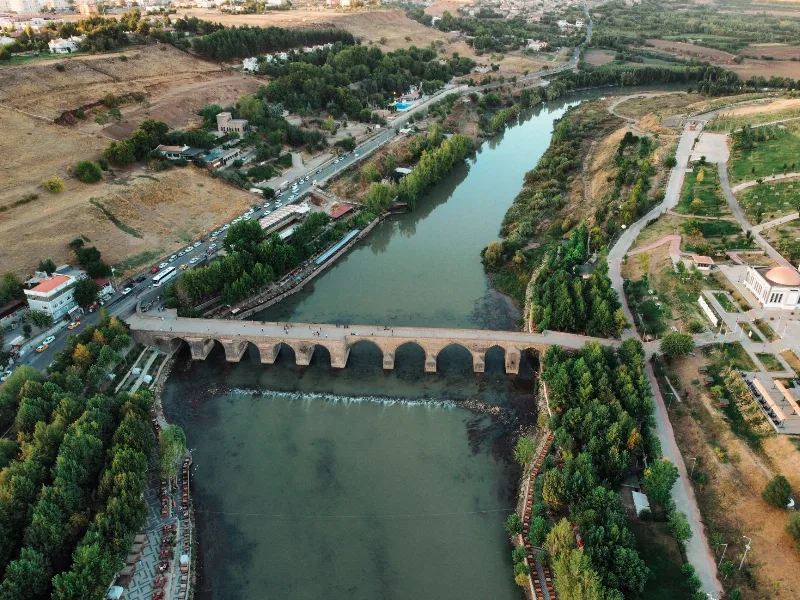
5-Day Tigris and Euphrates Route
A five-day, east-to-west journey across Southeastern Anatolia from Diyarbakır to Gaziantep, following the Tigris and Euphrates through Mardin, Şanlıurfa, Göbeklitepe and Harran.
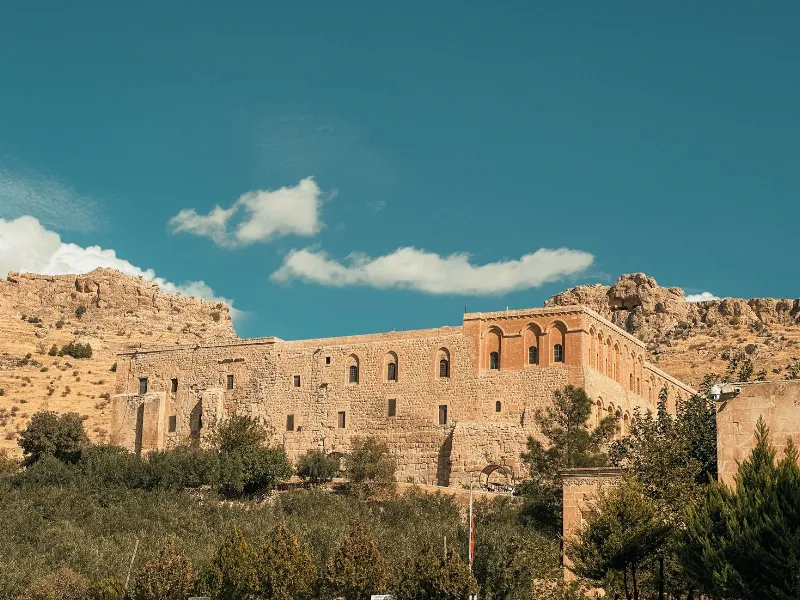
Deyrulzafaran Monastery
Deyrulzafaran, also called Mor Hananyo, is a working Syriac Orthodox monastery near Mardin that was built over a much older pagan sun temple and long served as the seat of the Syriac Orthodox Patriarchate.

Southeastern Anatolia Region
Southeastern Anatolia is known for its ancient cities, extraordinary archaeological heritage, traditional stone architecture and rich culinary culture. From the historic streets of Mardin to the monumental landscapes of Şanlıurfa and the Euphrates River, the region reflects thousands of years of civilization.