
Ottoman Architecture of Mardin
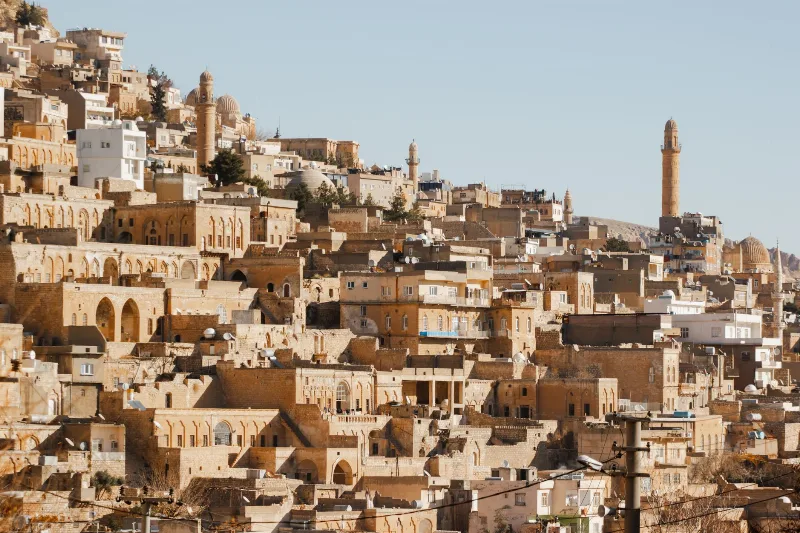
Mardin's historic centre shows how Ottoman design merged with local stone-building traditions in south-eastern Türkiye. Its domes, minarets, hans and courtyard houses form a distinctive urban landscape.
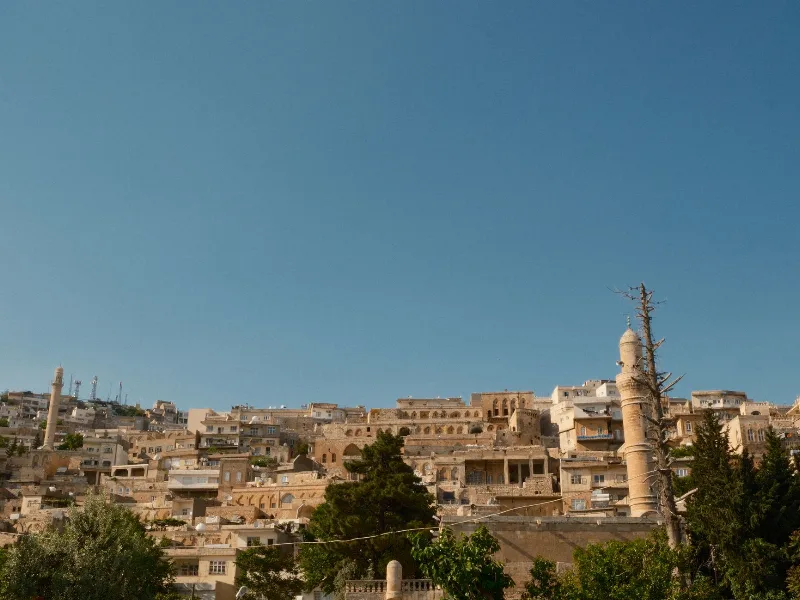
Mardin is a city of pale honey-coloured stone, stacked in terraces on the southern flank of a hill overlooking the Mesopotamian plain in south-eastern Türkiye. Its mosques, madrasas, hans, hamams and courtyard houses have been built and refined over many centuries, and the Ottoman period left a lasting mark on the way the city looks and works. Walking through its stepped streets, visitors meet carved portals, vaulted passages, domed prayer halls and slender minarets that together give the old town its unmistakable character.
A City Layered Across Empires
Long before the Ottomans arrived, Mardin had already passed through Roman, Byzantine, Artuqid and Akkoyunlu hands. When the city entered the Ottoman Empire in the early sixteenth century, it became an administrative and commercial centre on the routes linking Anatolia with the plains of northern Mesopotamia. Ottoman rule brought stability, new public buildings and a recognisable set of architectural ideas that blended with the local building tradition rather than replacing it. The result is a historic quarter where older stonework and later Ottoman additions stand side by side, often in the same street.
Local Stone, Ottoman Forms
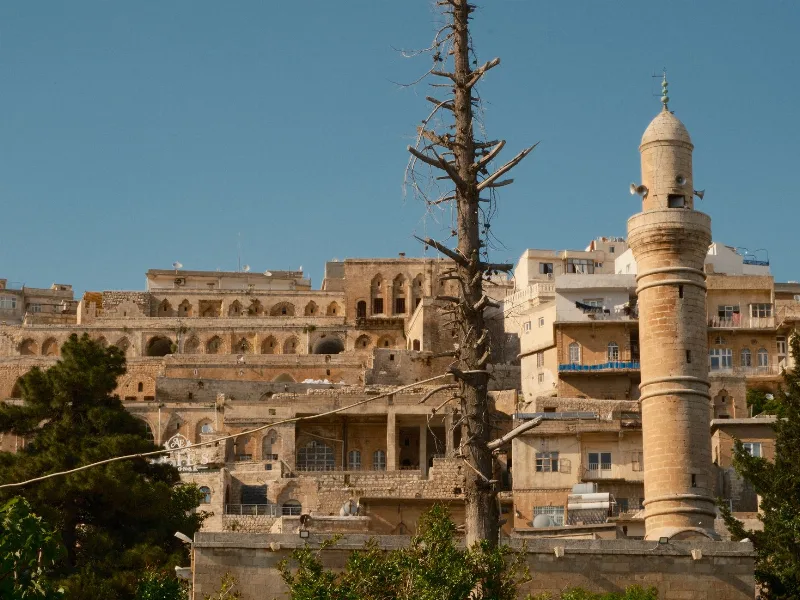
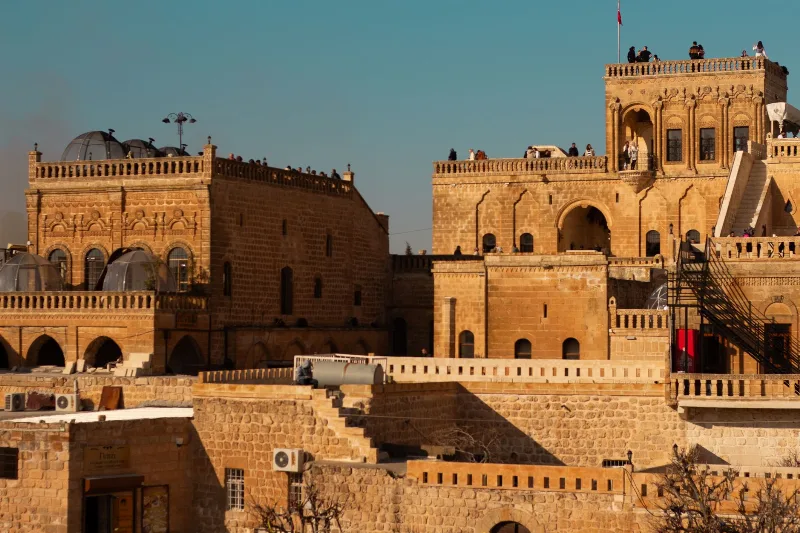
The defining material of Mardin is a soft limestone quarried nearby. It hardens as it is exposed to the air and shifts in colour from cream to amber as the light changes through the day. Local masons used it for every kind of structure, and Ottoman builders adapted it to their own vocabulary: broad domes over prayer halls, pointed conical caps on minarets, arcaded courtyards and decorative bands of carving. Arches, vaults and muqarnas — the cascading niches that soften corners and transitions — appear across the city, in religious buildings and private houses alike.
Mosques, Madrasas and Public Buildings
Much of Mardin's Ottoman-era heritage consists of buildings that served everyday needs. Mosques with domed prayer halls and courtyards lined with arcades gathered worshippers and students. Madrasas provided rooms for teaching and study, while hans offered shelter and storage space to travellers and traders moving between towns. Hamams, with their heated stone floors and domed roofs pierced by small openings for light, remained important social spaces. Public fountains and wells, often built as charitable endowments, supplied water to neighbourhoods on the dry hillside. Older monuments such as the Great Mosque, Ulu Cami, continued in use and were renewed during the Ottoman centuries, so the city's skyline reflects both continuity and change.
Houses, Courtyards and Daily Life
Ottoman-era houses in Mardin follow the slope of the hill, arranged so that rooms, windows and terraces look out over the plain. Inside, courtyards with iwans create cool, shaded space, and vaulted ground floors provide storage, while flat roofs were used for drying fruit and other produce. Carved doorways and window surrounds carry geometric and floral motifs. Because the buildings are stacked one above the other, the roof of one house often becomes the terrace of another, giving the old town its stepped, honeycomb appearance.
Preserving a Shared Heritage
Mardin's historic fabric is recognised on Türkiye's tentative list for UNESCO World Heritage as a cultural landscape. Conservation efforts focus on traditional masonry, the continued use of local limestone and the careful repair of damaged structures. The city is also home to a remarkable mix of communities, including Muslim, Syriac Christian, Chaldean and Armenian traditions, whose churches, mosques and shared neighbourhoods contribute to the architectural richness. For travellers interested in design and history, Mardin offers a rare chance to see how Ottoman ideas took root in a very particular landscape and were reshaped by it.
Related content
Mardin
Mardin is a historic city in southeastern Türkiye, built on a rocky hillside above the Mesopotamian plain and known for its honey-coloured stone architecture and Syriac Christian heritage.
The Architectural Wonders of Mardin
Mardin showcases a blend of ancient architectural styles and natural landscapes, reflecting its rich history and cultural heritage.
Mardin's Stone Architecture
Mardin is a historic city in southeastern Türkiye where honey-coloured limestone shapes houses, arcades and terraces across a hillside above the Mesopotamian plain.
3-Day Mardin and Midyat Route
Explore the stone architecture of Mardin's old city and the historic monasteries of Midyat on this 3-day route through southeast Türkiye. The itinerary starts in Mardin, travels east to Midyat, and visits Deyrulzafaran and Mor Gabriel monasteries.
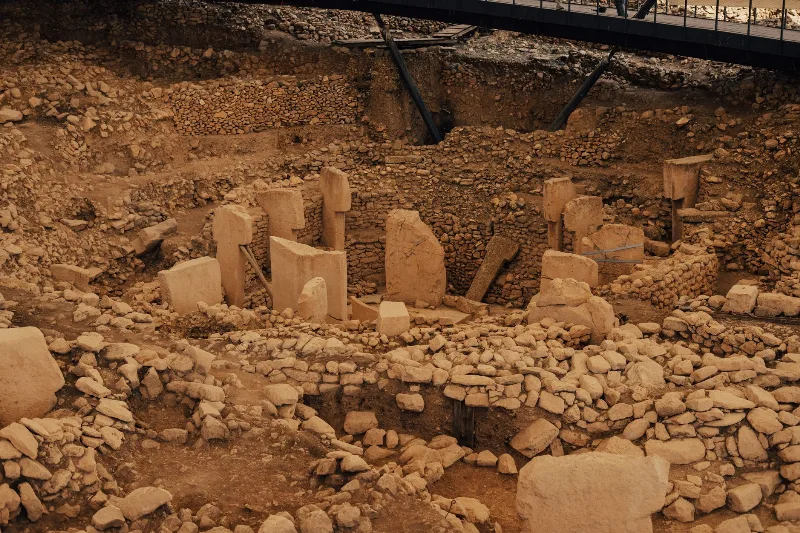
4-Day Southeastern Anatolia Route: Gaziantep to Mardin via Şanlıurfa
A four-day linear route across Southeastern Anatolia, linking the historic cities of Gaziantep, Şanlıurfa and Mardin by road, with the Neolithic site of Göbeklitepe and the ancient settlement of Harran fitted into the middle of the journey.
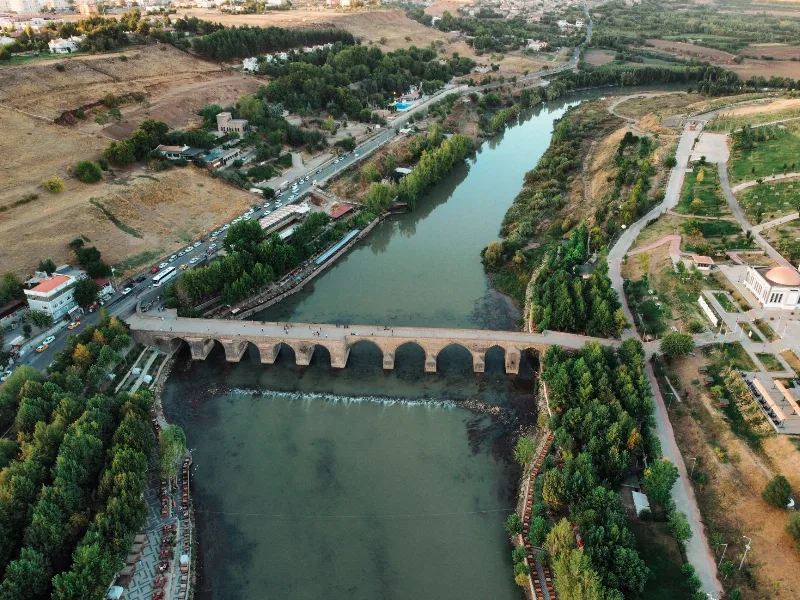
5-Day Tigris and Euphrates Route
A five-day, east-to-west journey across Southeastern Anatolia from Diyarbakır to Gaziantep, following the Tigris and Euphrates through Mardin, Şanlıurfa, Göbeklitepe and Harran.
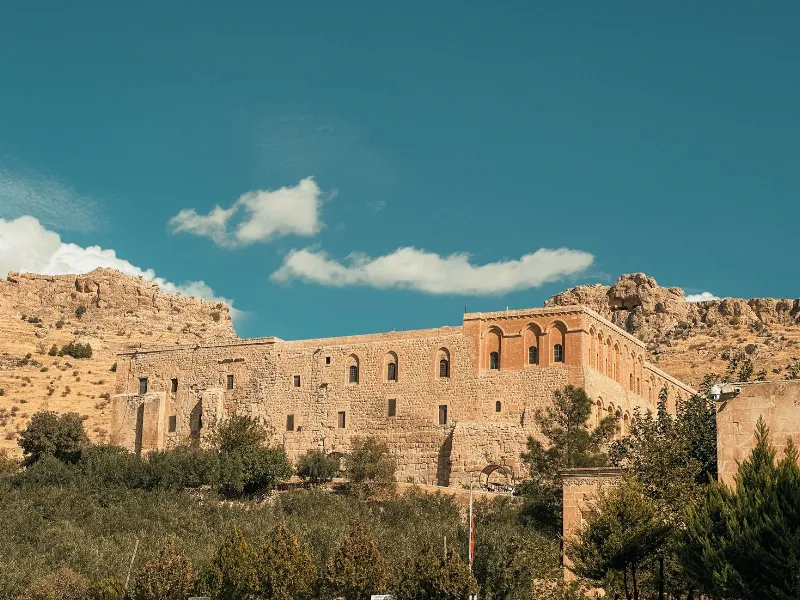
Deyrulzafaran Monastery
Deyrulzafaran, also called Mor Hananyo, is a working Syriac Orthodox monastery near Mardin that was built over a much older pagan sun temple and long served as the seat of the Syriac Orthodox Patriarchate.

Southeastern Anatolia Region
Southeastern Anatolia is known for its ancient cities, extraordinary archaeological heritage, traditional stone architecture and rich culinary culture. From the historic streets of Mardin to the monumental landscapes of Şanlıurfa and the Euphrates River, the region reflects thousands of years of civilization.