
The Architectural Wonders of Mardin
STORIES FROM TÜRKİYE
Mardin, a city in southeastern Türkiye, is renowned for its stunning architecture and rich history. The city’s unique blend of ancient architectural styles harmonizes with its natural surroundings, creating a picturesque landscape that has captivated travelers for centuries.
Historical Significance
Throughout history, Mardin has been a crossroads of various civilizations, each leaving its mark on the city’s architectural landscape. The city’s buildings reflect influences from the Romans, Byzantines, Seljuks, and Ottomans, creating a diverse tapestry of styles. This historical confluence is visible in the intricate carvings and designs that adorn many of Mardin's structures.
Iconic Structures
The city is home to numerous iconic buildings, including the Deyrulzafaran Monastery and the Great Mosque of Mardin. The Deyrulzafaran Monastery, with its stunning stonework and religious significance, is a testament to the city’s diverse past. Meanwhile, the Great Mosque, with its impressive minaret and elegant design, highlights the Islamic architectural influences that permeate the region.
Seamless Blend with Nature
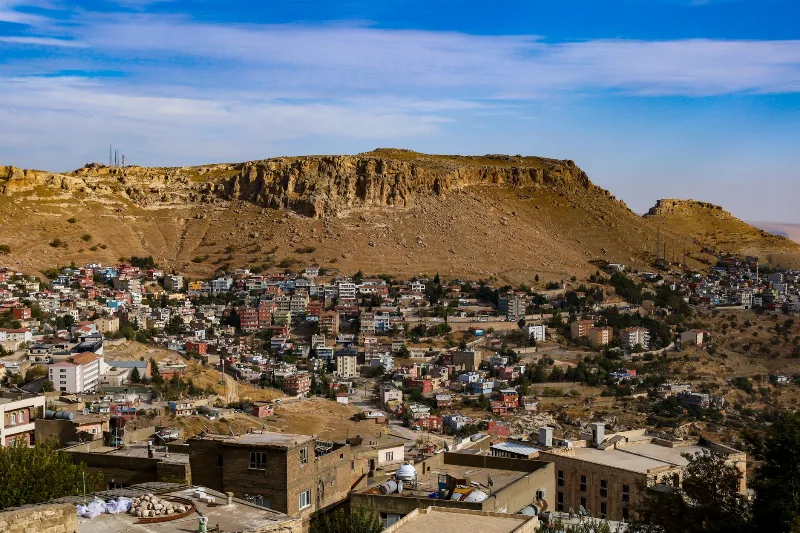
What sets Mardin apart is how its architecture seamlessly integrates with the natural landscape. The city is built on a hillside, allowing for panoramic views of the Mesopotamian plains. This strategic positioning not only provides breathtaking vistas but also demonstrates the ingenuity of ancient architects who utilized the terrain to enhance the city’s aesthetic appeal.
Preservation Efforts
Efforts to preserve Mardin’s architectural heritage are ongoing, with initiatives aimed at maintaining the integrity of its historic buildings. These preservation projects ensure that the city remains a living museum, offering visitors a glimpse into the past while preserving its cultural identity for future generations.
Historic places
Explore history →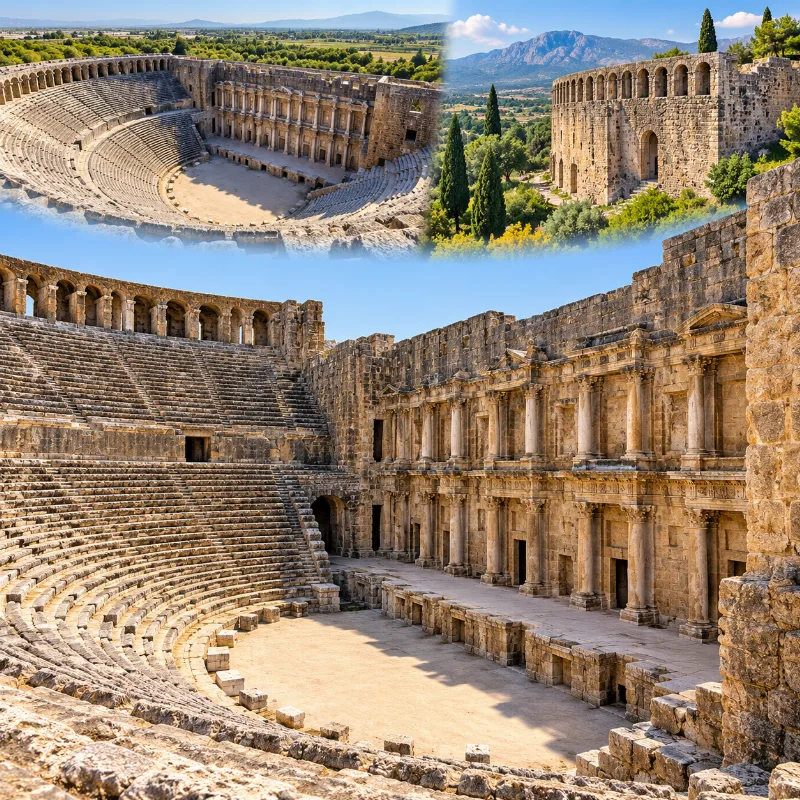
Aspendos
An ancient city near Antalya best known for its large Roman theatre and other surviving structures.
Explore →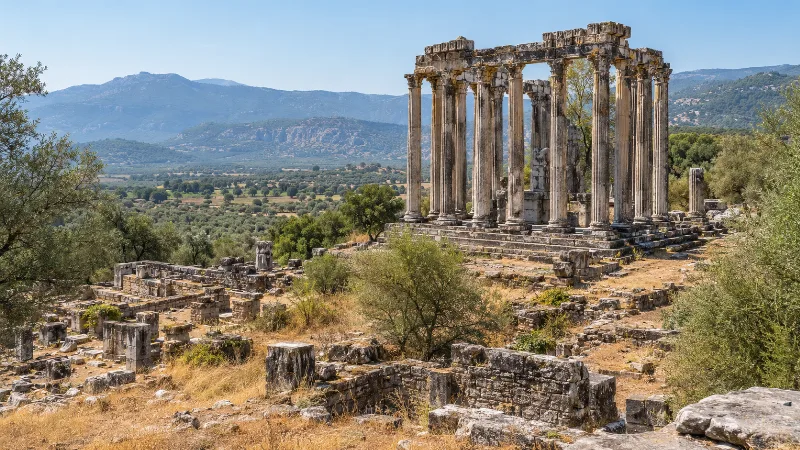
Euromos
Euromos is an ancient Carian city in Muğla Province, Türkiye, whose standing Temple of Zeus Lepsynos is among the best-preserved Roman-period temples in the country. Its theatre, agora, bath and city walls survive on a low hill above the Milas plain.
Explore →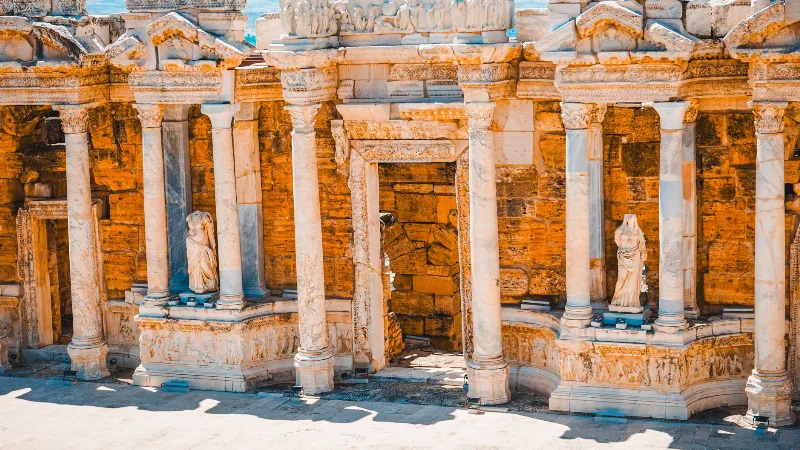
Hierapolis
Hierapolis is an ancient city in Denizli Province, Türkiye, built beside the hot springs and travertine terraces of Pamukkale. Its Roman theatre, vast necropolis, baths and the sanctuary of Apollo make it one of the most extensively preserved Greco-Roman cities in Anatolia and a UNESCO World Heritage Site.
Explore →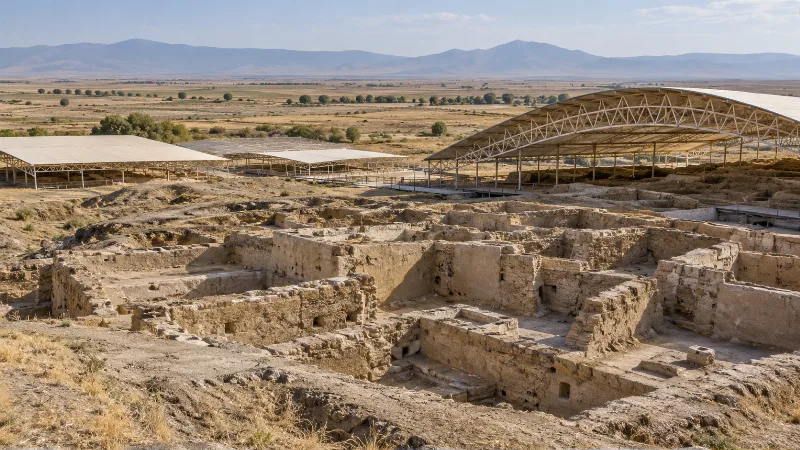
Çatalhöyük
Çatalhöyük is a Neolithic and Chalcolithic settlement mound in the Konya Plain whose tightly packed mudbrick houses, painted walls and floor burials changed how archaeologists understand early farming communities. This article explains what survives at the site, how it was excavated and what a visitor can realistically expect to see.
Explore →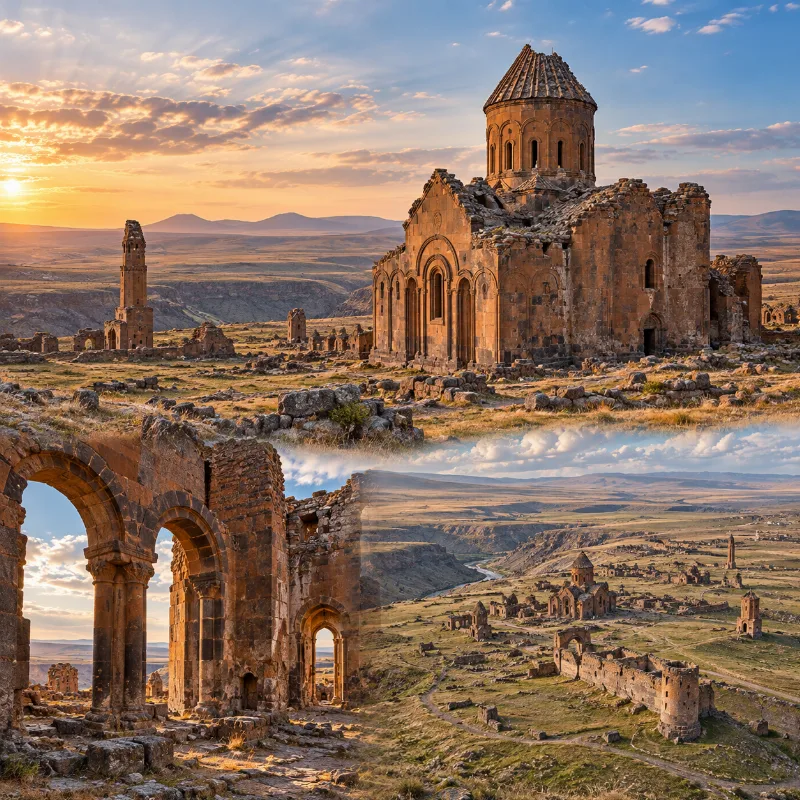
Ancient City of Ani
A medieval archaeological city near the Turkish-Armenian border, with churches, fortifications and monumental stone buildings.
Explore →Related content
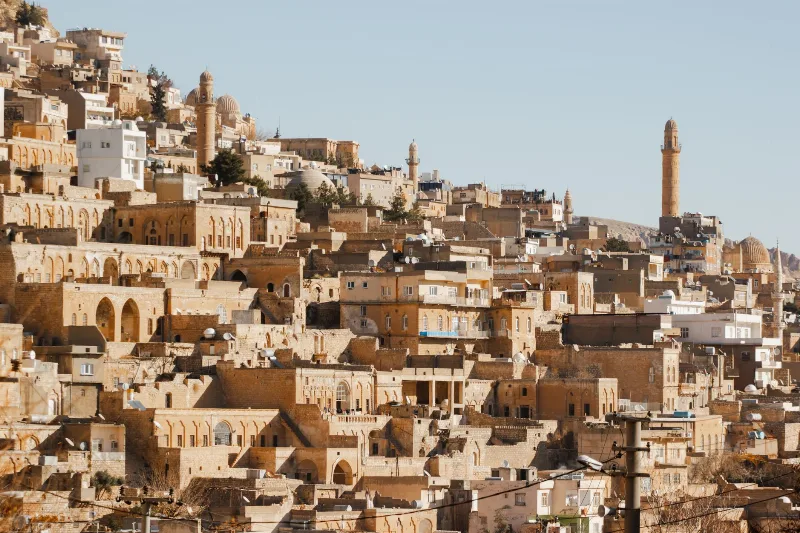
Mardin
Mardin is a historic city in southeastern Türkiye, built on a rocky hillside above the Mesopotamian plain and known for its honey-coloured stone architecture and Syriac Christian heritage.
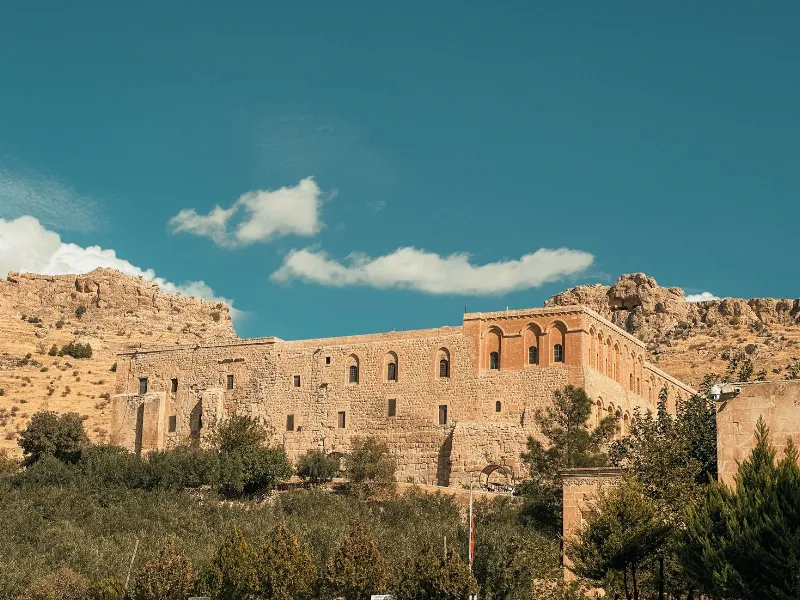
Deyrulzafaran Monastery
Deyrulzafaran, also called Mor Hananyo, is a working Syriac Orthodox monastery near Mardin that was built over a much older pagan sun temple and long served as the seat of the Syriac Orthodox Patriarchate.

Nature
Lakes, forests, rivers, canyons, mountains, wetlands and national parks across Türkiye.
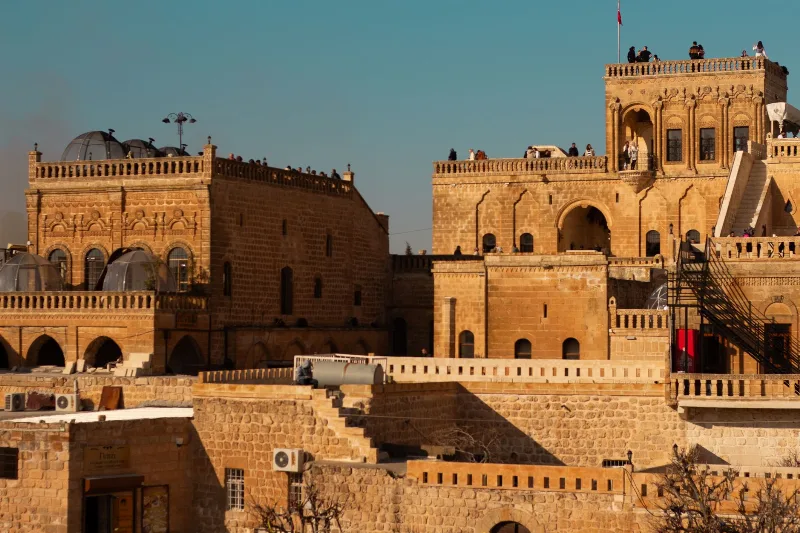
3-Day Mardin and Midyat Route
Explore the stone architecture of Mardin's old city and the historic monasteries of Midyat on this 3-day route through southeast Türkiye. The itinerary starts in Mardin, travels east to Midyat, and visits Deyrulzafaran and Mor Gabriel monasteries.
5-Day Tigris and Euphrates Route
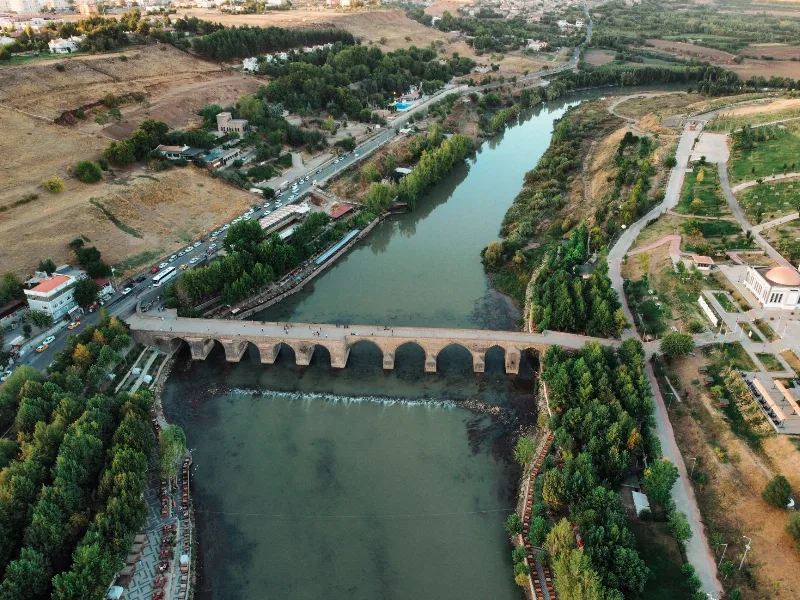
A five-day, east-to-west journey across Southeastern Anatolia from Diyarbakır to Gaziantep, following the Tigris and Euphrates through Mardin, Şanlıurfa, Göbeklitepe and Harran.
Ottoman Architecture of Mardin
Mardin's historic centre shows how Ottoman design merged with local stone-building traditions in south-eastern Türkiye. Its domes, minarets, hans and courtyard houses form a distinctive urban landscape.