
Aspendos
An ancient city near Antalya best known for its large Roman theatre and other surviving structures.
Aspendos
Aspendos is located in the Serik district of Antalya Province in southern Turkey. The ancient city stands near the Köprüçay River and is especially known for its large Roman theatre.
The theatre dominates the archaeological site and is one of the most complete surviving examples of its type in the region. Its tall stage building remains standing, together with much of the seating area.
The structure was designed so that large audiences could watch performances from the curved rows of stone seats. The enclosed relationship between the seating and stage building creates a strong sense of the theatre’s original scale.
Aspendos was more than a theatre complex. The upper part of the site contains remains of other major buildings from the ancient city.
These include parts of a basilica, agora, nymphaeum and other public structures.
From the higher sections, the surrounding agricultural plains and distant mountains can be seen, helping to place the city within the wider landscape of Pamphylia.
The remains of the Aspendos Aqueduct are another important feature of the area. Sections of the system survive outside the main city and demonstrate how water was transported to support the ancient settlement.
Aspendos developed in a region connected with important routes across southern Anatolia. Its location near the river helped link the city with surrounding agricultural areas and wider networks of trade.
The theatre is the best-preserved and most visually dominant element today, but the surrounding ruins make clear that Aspendos was once a much larger urban centre.
Stone architecture, open plains and the backdrop of the Taurus Mountains give the site a distinct setting within Antalya Province.
Aspendos remains an important place for understanding the scale and design of Roman public architecture in ancient Pamphylia.
Routes
All routes →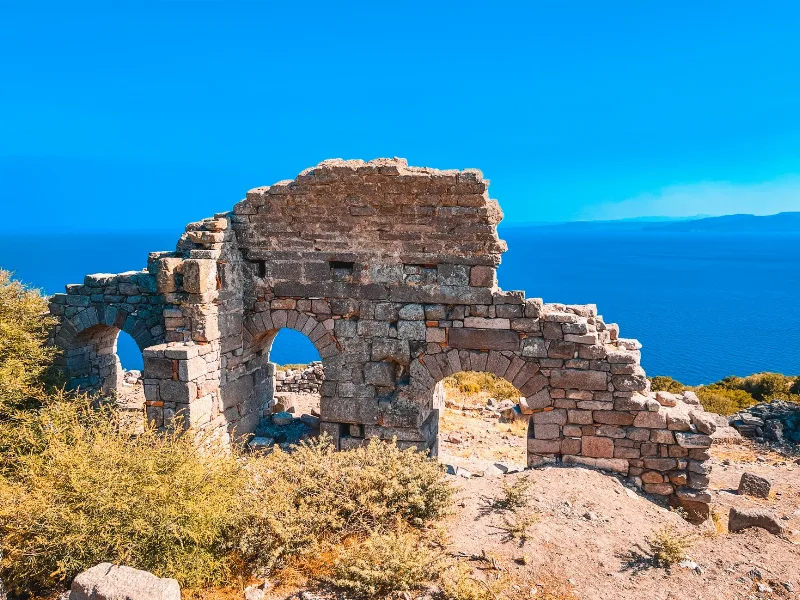
3-Day Assos and Troy Route
A three-day route through Turkey's Troad region, starting in Çanakkale and finishing at the clifftop village and ancient harbour of Assos, with Troy and the lesser-known classical ruins in between.
Explore →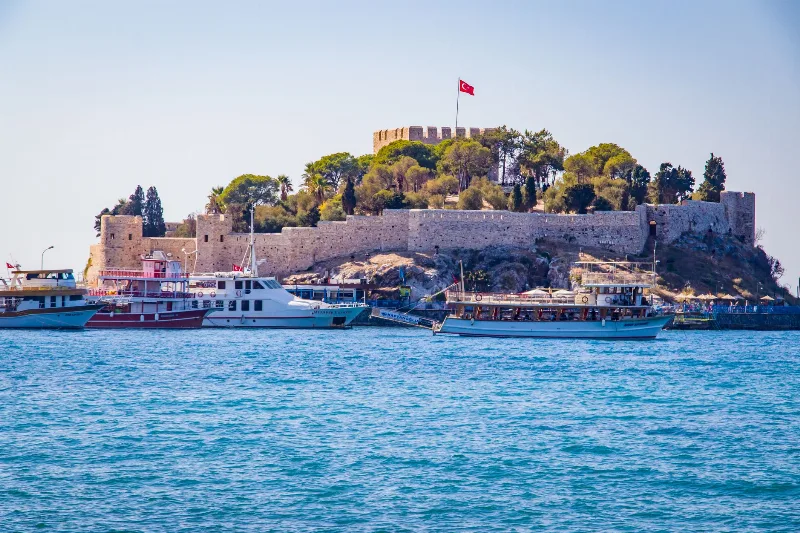
3-Day İzmir and Çeşme Route
A three-day Aegean journey from central İzmir to the Çeşme Peninsula, pairing a historic bazaar and waterfront with a castle, coastal bays, and the stone houses of Alaçatı.
Explore →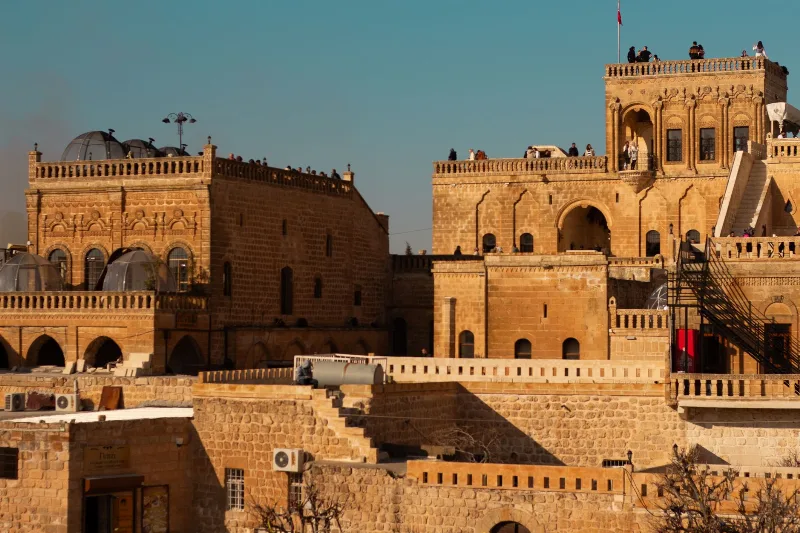
3-Day Mardin and Midyat Route
Explore the stone architecture of Mardin's old city and the historic monasteries of Midyat on this 3-day route through southeast Türkiye. The itinerary starts in Mardin, travels east to Midyat, and visits Deyrulzafaran and Mor Gabriel monasteries.
Explore →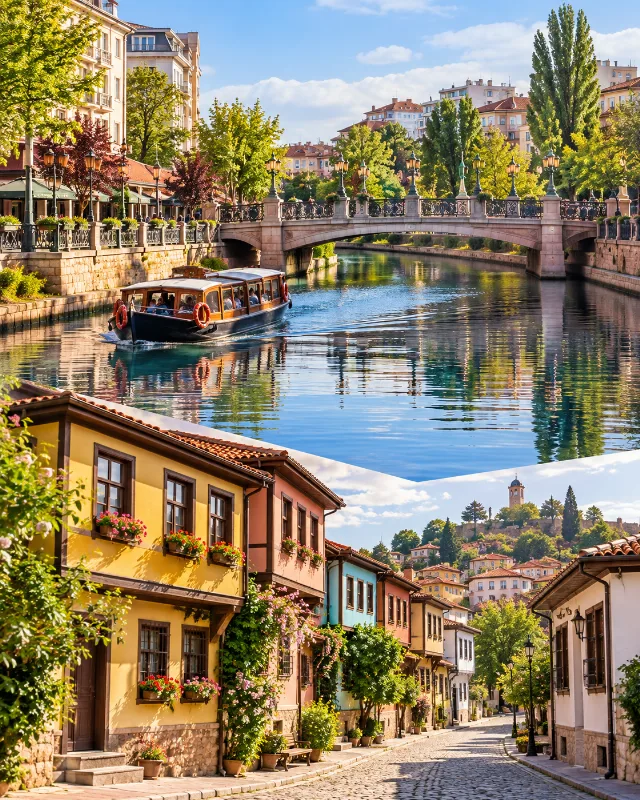
1-Day Eskişehir Route
A one-day route through Eskişehir combining Odunpazarı’s historic streets, local food, the Porsuk River and some of the city’s best-known public spaces.
Explore →Related content
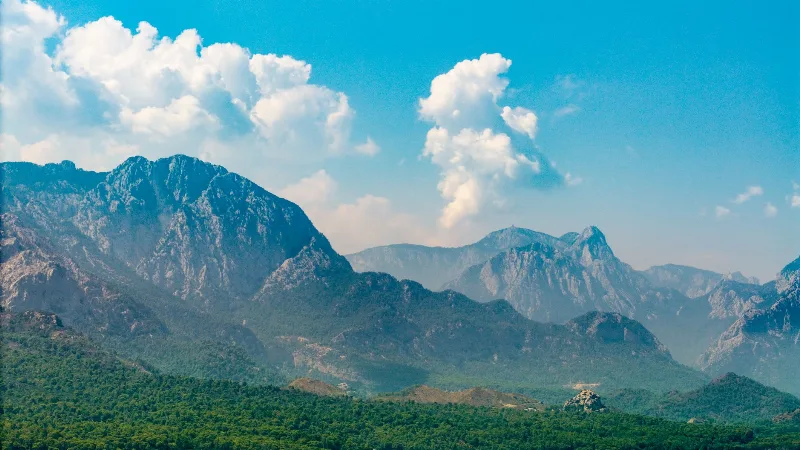
Antalya
Antalya offers a unique blend of vibrant history and stunning natural beauty, making it a must-visit destination in Türkiye.
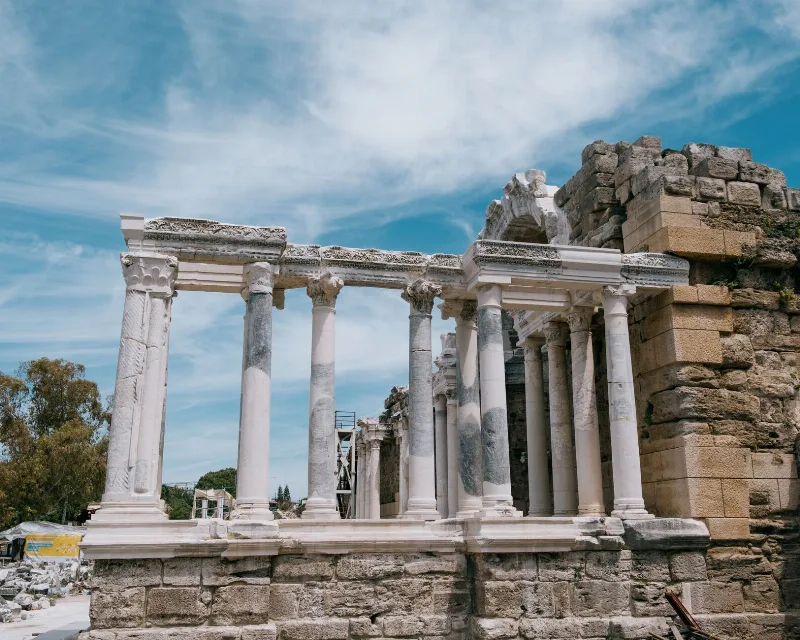
3-Day Antalya to Side Ancient Coast Route
A three-day coastal journey from Antalya to Side that links the archaeological sites of Perge and Aspendos with the Manavgat Waterfall and the ruins of Side, with a clear day-by-day sequence of stops.
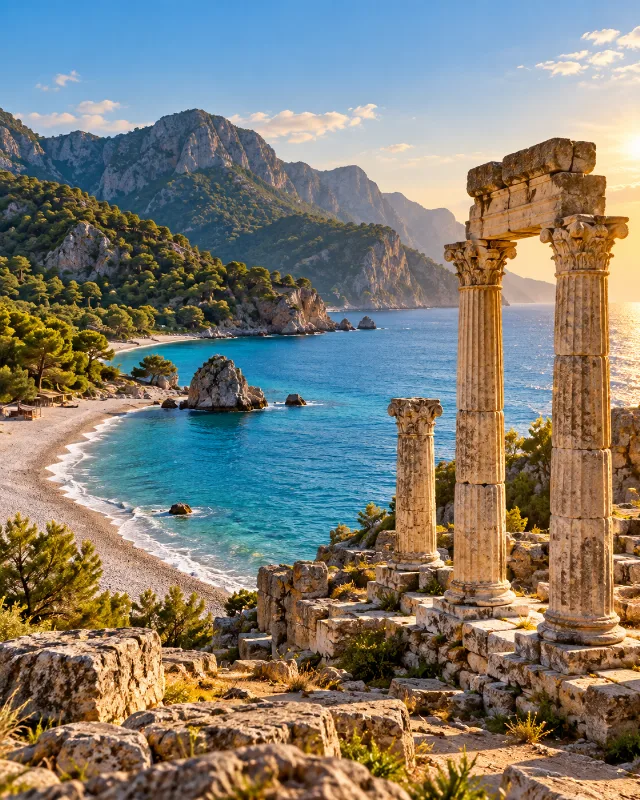
3-Day Antalya Ancient Coast Route
A three-day route combining Antalya’s old city with Perge, Aspendos, Side, Olympos and the Mediterranean landscapes around Çıralı.
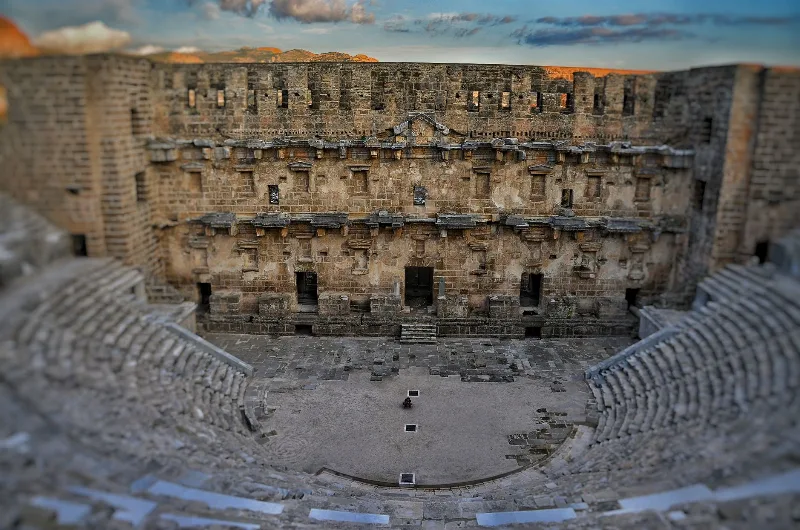
Aspendos and its Roman Theatre
Aspendos in Antalya Province preserves a strikingly complete Roman theatre, where tiered seating, a towering stage wall and a nearby aqueduct reveal how Roman Pamphylia was built and lived.
Aspendos
Aspendos is a Pamphylian ancient city near Serik in Antalya Province, dominated by a second-century Roman theatre that survives almost intact. Its aqueduct, acropolis and lower-city ruins sit in the flat farmland of the Köprüçay plain.
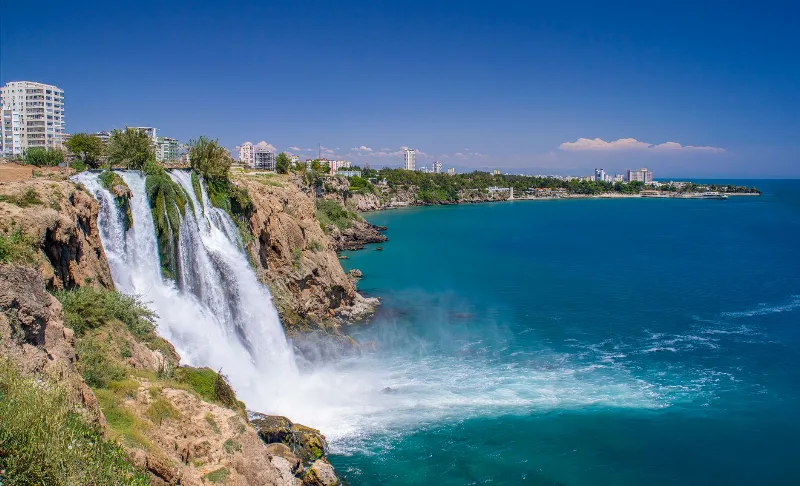
2-Day Antalya Waterfalls and Ancient Cities Route
A circular two-day route based in Antalya that pairs the Düden and Kurşunlu waterfalls with the ancient cities of Perge, Aspendos and Termessos, following the eastern coastal plain on the first day and the Taurus foothills on the second.