
3-Day İzmir and Çeşme Route
A three-day Aegean journey from central İzmir to the Çeşme Peninsula, pairing a historic bazaar and waterfront with a castle, coastal bays, and the stone houses of Alaçatı.
This three-day route starts in central İzmir and finishes on the Çeşme Peninsula, at the western edge of the Aegean coast. It links three connected areas: the historic bazaar quarter and waterfront of İzmir on the first day, the coastal town and shoreline of Çeşme on the second, and the stone-house village of Alaçatı on the third. The journey is linear rather than circular, moving steadily west from the city out to the peninsula, and it suits travellers who have a car, because the final stages reach smaller coastal settlements where public transport options are limited. Spring and early autumn generally give the most comfortable conditions, while midsummer is hot and the shoreline is at its busiest.
Day 1: İzmir — Kemeraltı Bazaar and the Kordon
The route opens in the commercial and historic heart of İzmir, around Konak. Kemeraltı Bazaar is the city's old market district, a dense web of lanes and covered passages where small workshops, coffee houses and stalls sit side by side. It is a historic area in its own right, and walking it slowly is the point rather than ticking off individual shops. Konak Square, with its clock tower, marks the edge of the bazaar and works as a natural orientation point for the rest of the day.
From Konak, the day continues along the waterfront in the direction of Alsancak, where the Kordon promenade runs beside the bay. This is the city's main open-air gathering space, used for walking and watching the water, and it forms a calm contrast to the packed lanes of the bazaar. If time allows, the historic Asansör in the Karataş quarter and the hill of Kadifekale both give wide views across the gulf and help place the city's geography in your mind before the drive west the next morning.
Day 1 is best done on foot combined with short local transport, since the centre is busy and parking is restricted. The aim is not to exhaust the city but to see its two most characteristic faces — the bazaar and the seafront — and to end the day ready to leave İzmir by road.
Why these stops fit together
Kemeraltı, Konak and the Kordon sit within a short distance of one another along the same central axis, so they can be covered without long transfers. They also form a logical introduction to the region: an urban, historic İzmir as the starting point, before the route turns toward the coast.
Day 2: İzmir to Çeşme
The second day begins in İzmir and heads west out of the city, following the coast toward the Çeşme Peninsula. The road passes through the Urla area, where the landscape shifts from dense urban streets to lower hills, olive groves and glimpses of the sea, before reaching the peninsula itself. This is the main driving stage of the trip, and it is worth taking at a relaxed pace rather than rushing through.
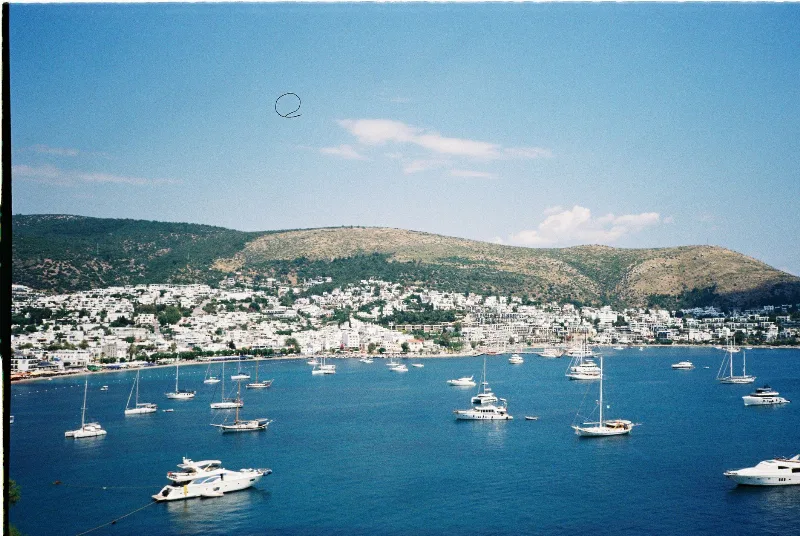
Çeşme town is the focus of the day. Its most recognisable landmark is Çeşme Castle, which stands close to the shoreline and anchors the older part of the settlement. Around the town, the peninsula is known for its beaches and bays — Ilıca, Altınkum and Ayayorgi among them — as well as for the thermal springs that have long shaped its character. The beaches face different directions, so wind and water conditions vary from one bay to the next, which is part of why the area draws visitors across a long season.
Çeşme works well as an afternoon and evening stop: the castle and town centre, then the coast. Travellers can either stay in Çeşme or make the short onward drive to Alaçatı to position themselves for the final day. Either way, the progression is straightforward — from city, to peninsula town, to village.
Day 3: Alaçatı and the Western Peninsula
The third day centres on Alaçatı, a small town within the Çeşme district whose identity comes from its stone houses, narrow streets and the windmills standing on the low hill above it. The older architecture and the compact scale make it easy to explore on foot, and the windmills give a clear vantage point over the surrounding peninsula. The steady wind that sweeps this coast has also given the nearby bay a lasting reputation for windsurfing, which has become part of the area's modern character.
Alaçatı is a natural closing point because it sits close enough to Çeşme to be reached easily, yet feels distinctly different from the coastal town — quieter, more village-like, and oriented around its historic core. The day can be spent slowly, moving between the windmills, the stone streets and the surrounding countryside, where olive groves and the wider Aegean produce of the region are part of the landscape. Regional produce, particularly olive oil, is a genuine thread running through this part of the coast.
From Alaçatı, travellers either return to Çeşme for a final stretch of coastline or drive back east toward İzmir, which closes the loop of the route. Since the itinerary is linear, most people retrace the same corridor on the way home rather than circling back by a different road.
Route Character and Practical Points
This is a mixed urban-and-coastal route rather than a long-distance expedition. Day 1 is essentially a city day on foot; Day 2 is the significant driving stage, moving west from İzmir to the peninsula; Day 3 is a slower, walkable village day. A car gives the most freedom, especially for reaching the smaller bays, but the route can also be handled with intercity buses for the main İzmir–Çeşme stretch combined with local transport around the peninsula.
Conditions differ noticeably across the three days. Central İzmir is dense and busy at almost any time, while the peninsula is open, breezy and exposed to the sea. In winter the coast is quieter and the wind stronger; in high summer the heat and the crowds peak together. Because the route stays at low elevation along the Aegean, it is not affected by mountain or winter road limitations — but the coastal wind is a constant factor on the peninsula and shapes how the place feels at different times of year.
Read together with the individual TürkiyeKart entries for İzmir, Çeşme and Alaçatı, this itinerary shows how the three fit into a single, geographically coherent journey from city to coast to village.
Remarkable Places
See all places →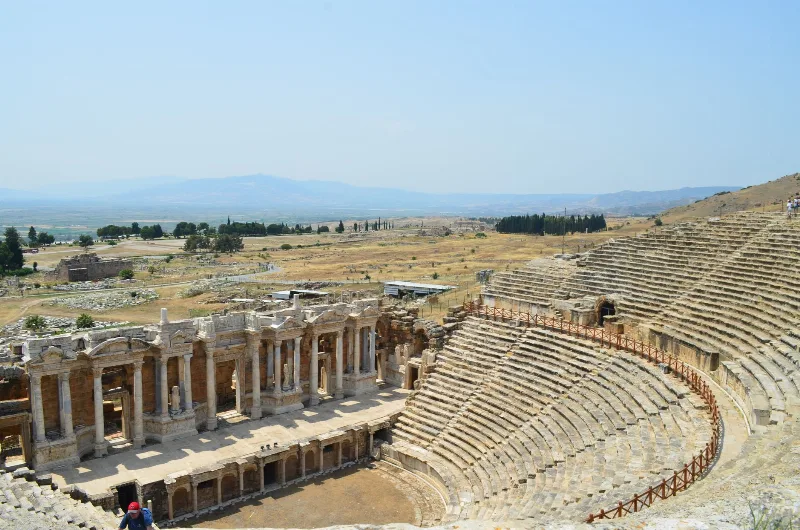
Letoon
Letoon is a Lycian sanctuary near Xanthos in Muğla Province, dedicated to Leto, Artemis and Apollo. Its three temples, theatre and trilingual inscription make it one of southwestern Turkey’s most significant archaeological sites.
Explore →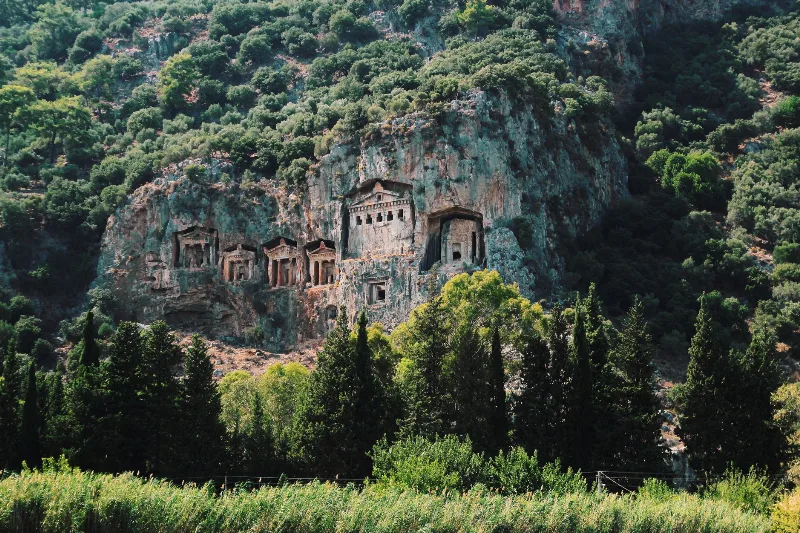
Kaunos
Kaunos is an ancient Carian city on the Dalyan River in Muğla Province, known for its temple-style rock-cut tombs and the extensive ruins of a harbour that silted up centuries ago.
Explore →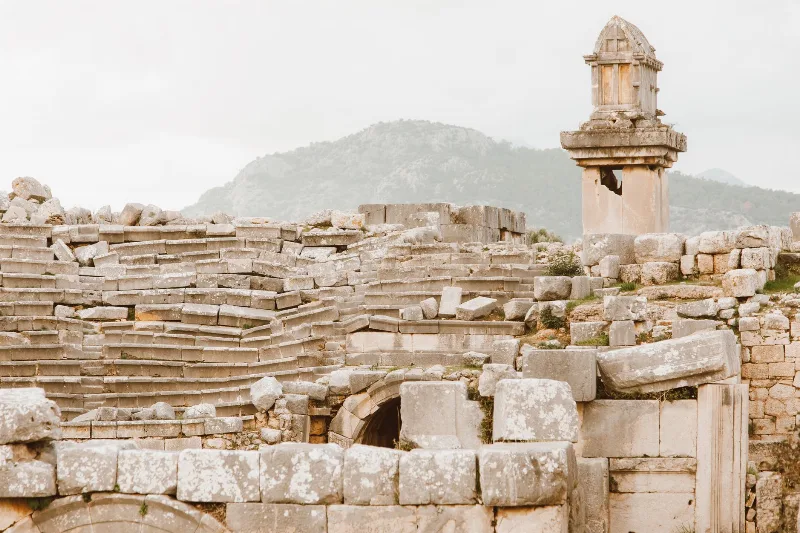
Xanthos
Xanthos is an ancient Lycian city in Antalya Province and a UNESCO World Heritage Site, known for its Lycian tombs, Roman theatre and role as a leading city of Lycia.
Explore →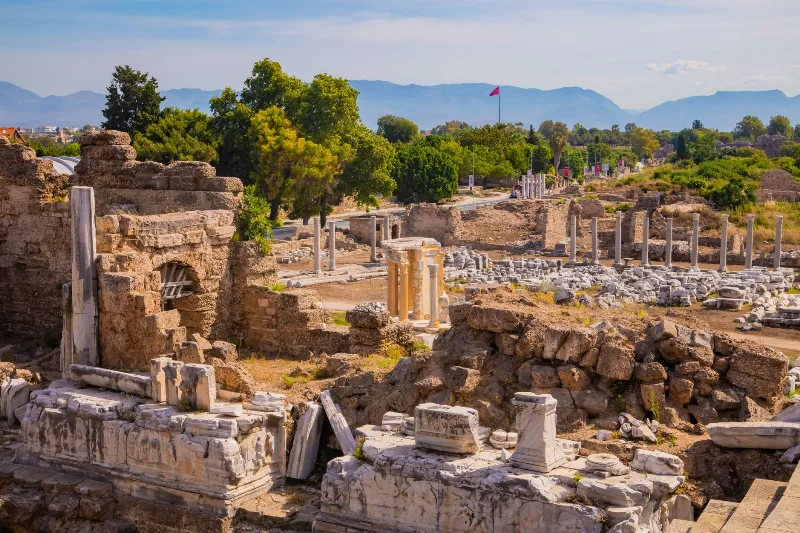
Phaselis
Phaselis is a Rhodian-founded port city on the eastern Lycian coast, where paved streets, agoras, baths and a small theatre stand among pines between three sheltered bays.
Explore →Related content
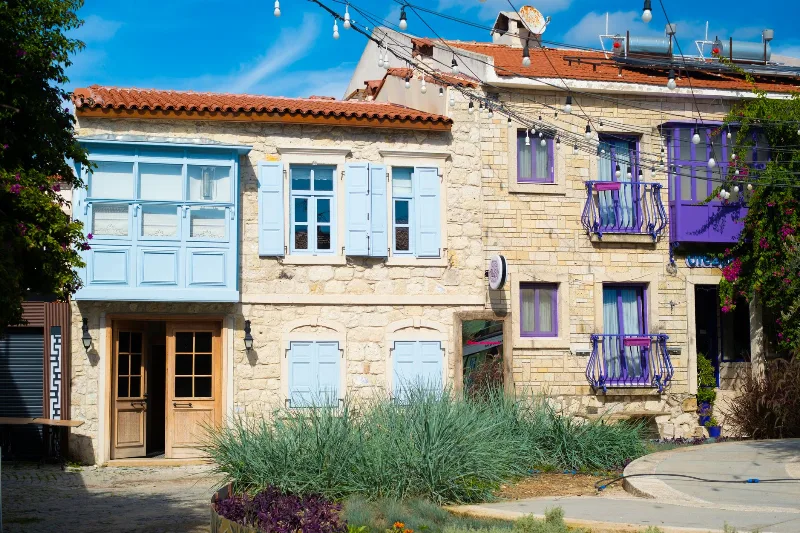
Çeşme
A coastal district at the western tip of İzmir Province, known for its Aegean beaches, thermal springs and the stone houses and windsurfing waters of Alaçatı.
Alaçatı
Alaçatı is a small Aegean town on the Çeşme Peninsula in İzmir Province, recognised for its stone houses, hilltop windmills and the steady wind that has made its bay a centre for windsurfing.
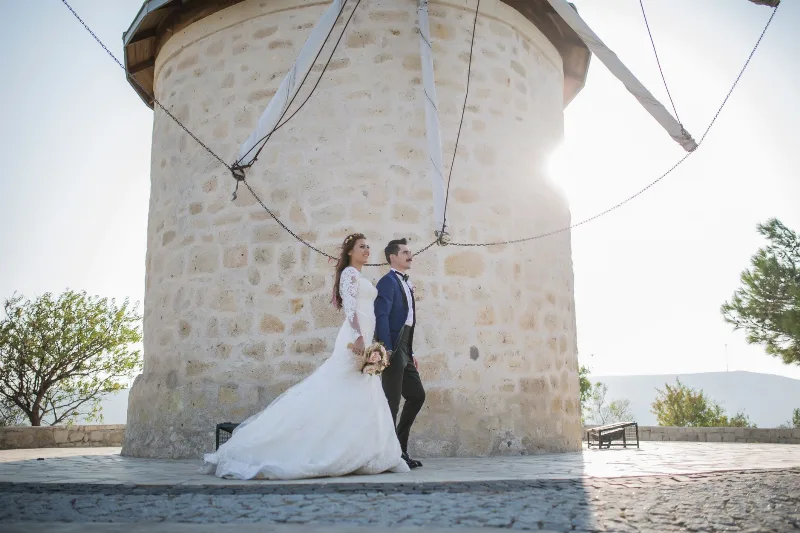
2-Day Alaçatı and Çeşme Route
A compact two-day Aegean route that starts among the windmills and stone lanes of Alaçatı and finishes at the castle, harbour and thermal beaches of Çeşme, all on the same peninsula west of İzmir.
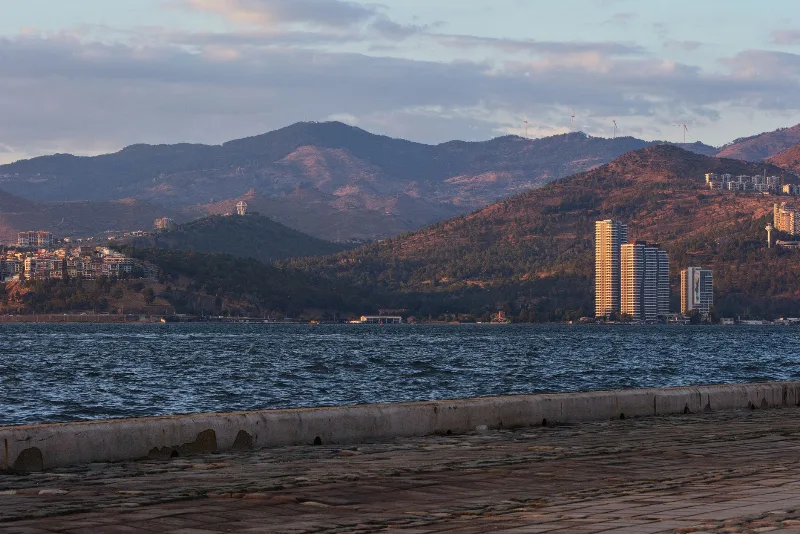
Izmir's Coastal Charm
İzmir is a western Turkish city built around a gulf of the Aegean Sea, where a long waterfront, nearby coves, ancient sites and Aegean cooking shape its coastal character.
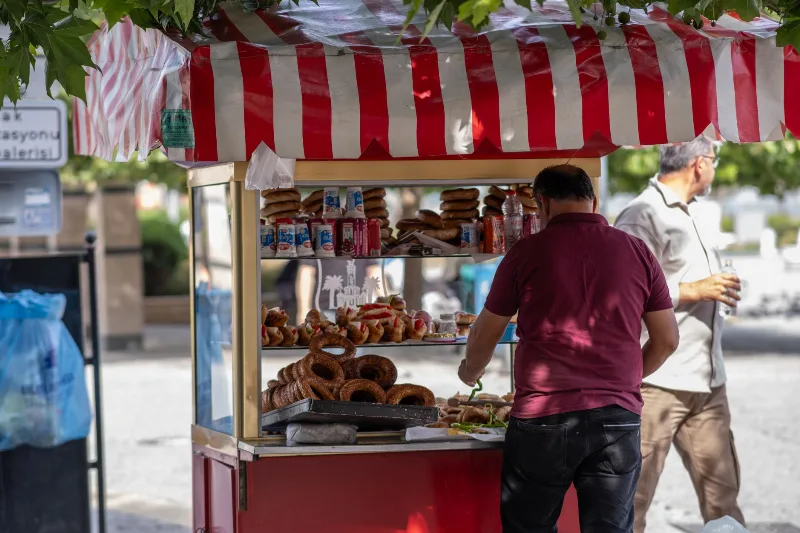
Sampling the Unique Flavors of İzmir's Street Food
İzmir's street food follows its own calendar, from sesame gevrek at sunrise to stuffed mussels and grilled kokoreç after dark. The city's Aegean setting shapes a cuisine built on olive oil, herbs and seafood.
Aegean Coast of Türkiye
Explore the Aegean coast of Türkiye, renowned for its picturesque towns and stunning azure waters.