
Çeşme
A coastal district at the western tip of İzmir Province, known for its Aegean beaches, thermal springs and the stone houses and windsurfing waters of Alaçatı.
Çeşme is a district and seaside town on the Aegean coast of İzmir Province, in western Türkiye. It lies at the western end of the peninsula that reaches out from İzmir towards the Aegean, and the town's Turkish name means fountain — a reference to the springs that have shaped its identity. The district is known above all for its beaches, its thermal waters, and Alaçatı, the stone-built settlement within its boundaries that has become a centre for windsurfing.
Where Çeşme Lies
Çeşme stands at the tip of the Çeşme Peninsula, the long arm of land that extends west from the city of İzmir. To the east, along the same peninsula, lie the districts of Urla and, further round the gulf, Karaburun; to the north the waters of the Gulf of İzmir open towards the Aegean, and to the west the Greek island of Chios lies a short distance offshore, separated from the Turkish coast by a narrow channel. Being the westernmost point of the peninsula gives the district an open outlook to the sea on several sides and a coastline made up of bays, headlands and small coves.
The Peninsula and Its Coastline
The character of the district is defined by the sea. Its shoreline alternates between sheltered bays and longer stretches of sand and shingle, and several of the better-known beaches — including those around Ilıca, Şifne and the bays close to the town itself — draw on the same thermal sources that give Çeşme its name. Because the coast is varied, conditions differ from one bay to the next: some are calm and shallow, while others face the open Aegean and the prevailing northerly winds. Individual stretches of coast are covered in dedicated beach and bay guides; here it is enough to note that it is the coastline as a whole, rather than any single beach, that shapes the district.
Çeşme Town and Its Landmarks
The town of Çeşme gathers around a small harbour and a compact centre. Its most prominent landmark is Çeşme Castle, the fortress that stands close to the water and dates from the reign of the Ottoman sultan Bayezid II, in the late fifteenth and early sixteenth centuries. The castle and the museum associated with it hold material from the district's long history. The bay has also given its name to a famous naval engagement: in 1770 the Ottoman and Russian fleets fought the Battle of Çeşme in these waters, an event that left a mark on the wider region. The town today combines this historic core with a marina and a seafront that fills with activity through the summer months.
Alaçatı
Alaçatı lies a short distance inland from the town of Çeşme and is now a neighbourhood within the district. It grew as a settlement of Greek and Ottoman stone houses, and its old streets, low doors and shuttered windows have survived in large numbers, giving the place an architectural character that distinguishes it from the resort development along the coast. Once a separate small town with a mixed population, it was later absorbed into Çeşme and has since become one of the most visited parts of the district.
Windsurfing and the Winds
The bay beside Alaçatı is shallow and receives steady, reliable summer winds, which is why it developed into one of Türkiye's main windsurfing centres. The same winds are a familiar feature of the whole peninsula and give the coast its particular feel in the warmer months. On the hills above the settlement, old windmills once used to grind grain stand as reminders of its agricultural past.
Thermal Waters
Thermal springs are one of the defining features of Çeşme, and the district's name is derived from them. Water heated underground emerges along parts of the coast, most notably in the Ilıca and Şifne areas, and has been used for bathing for a very long time. This combination of sea and warm spring water in the same place is unusual and is one of the things that sets Çeşme apart from other Aegean resorts.
Climate and When to Visit
Çeşme has a Mediterranean climate, with hot, dry summers and mild, wetter winters. The northerly winds that characterise the Aegean blow most strongly through the summer, keeping the heat in check but also making the exposed coast breezy. The main visiting season runs from late spring through early autumn, when the sea is warm enough for swimming; spring and early autumn tend to be quieter and gentler, while winter is mild and largely given over to residents rather than visitors.
Getting There and Local Connections
Çeşme is reached by road from İzmir, at the end of the motorway and main road that run west along the peninsula through Urla and Alaçatı. The nearest major airport is İzmir Adnan Menderes, from which the district is connected by road. Across the channel, ferry services link the area with the Greek island of Chios, underlining Çeşme's position at the meeting point of the Turkish Aegean coast and the eastern Aegean islands.
The Wider District and Neighbouring Places
Beyond the town and Alaçatı, the district includes farming villages and small coastal settlements. To the south-west lies Ildırı, a village beside the site of ancient Erythrae; the archaeological remains there belong to separate historic-place coverage, but the village itself is part of Çeşme's everyday geography. Urla to the east and Karaburun across the gulf are the other districts of the same peninsula, and together they form the coastal belt west of İzmir. Çeşme is the westernmost of them, and its mix of beaches, springs, old stone streets and steady winds is what defines it.
Discover Food in Türkiye
All food →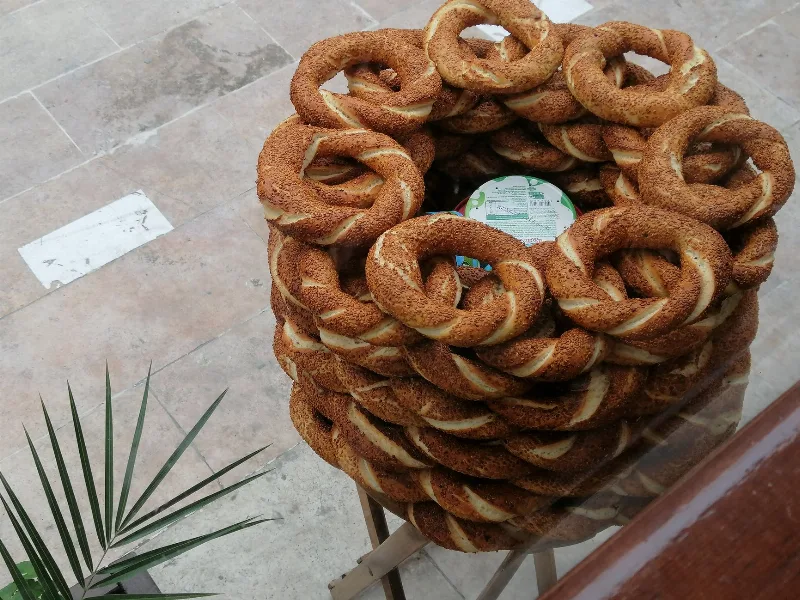
Simit
Simit is a ring-shaped Turkish bread covered in sesame seeds, strongly associated with Istanbul and sold as everyday street food. It is eaten fresh, most often with tea, and has a crisp crust around a chewy crumb.
Explore →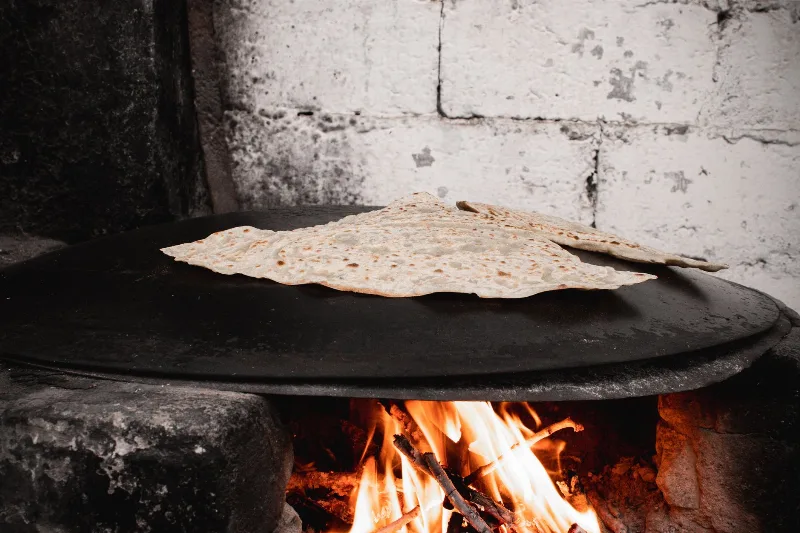
Bazlama
Bazlama is a soft, thick Turkish flatbread made from a leavened dough and cooked on a hot griddle. It is a staple of village baking across Anatolia, eaten warm with butter or used to wrap other foods.
Explore →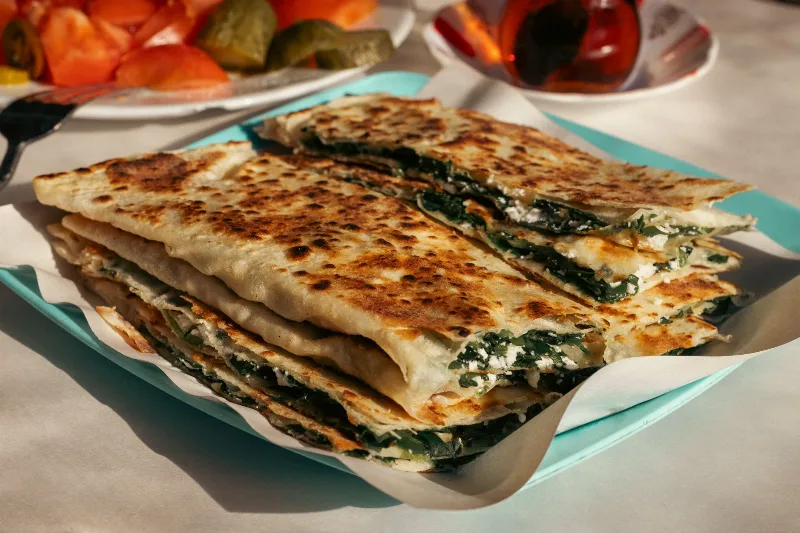
Gözleme
Gözleme is a thin, hand-rolled Anatolian flatbread folded around savory fillings such as cheese, spinach, or minced meat and cooked on a sac griddle. The article covers its regional variations, cooking method, texture, and traditional serving style.
Explore →Related content
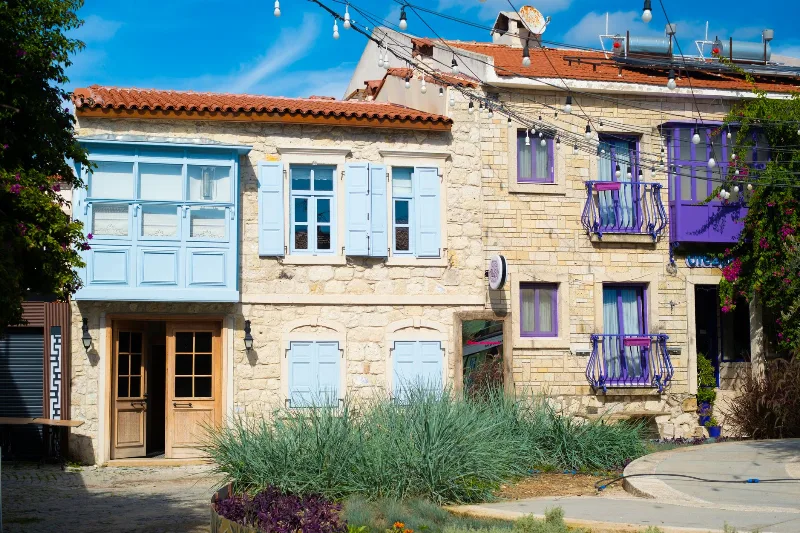
Alaçatı
Alaçatı is a small Aegean town on the Çeşme Peninsula in İzmir Province, recognised for its stone houses, hilltop windmills and the steady wind that has made its bay a centre for windsurfing.
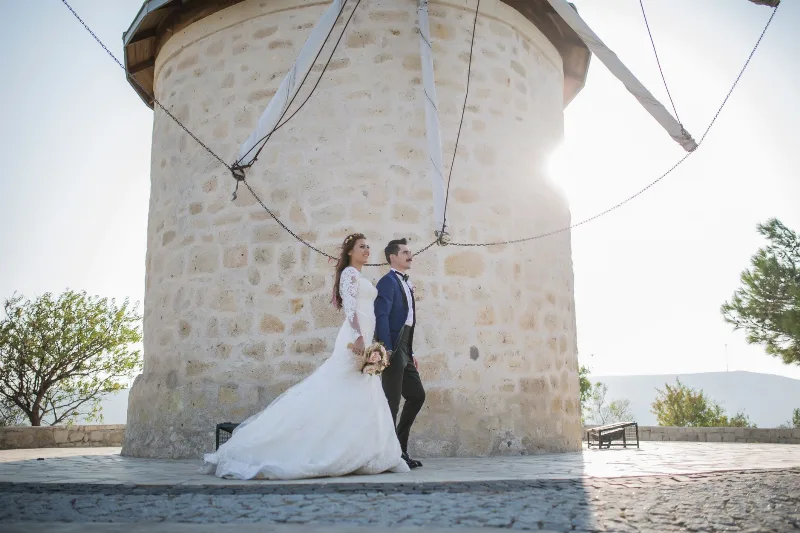
2-Day Alaçatı and Çeşme Route
A compact two-day Aegean route that starts among the windmills and stone lanes of Alaçatı and finishes at the castle, harbour and thermal beaches of Çeşme, all on the same peninsula west of İzmir.
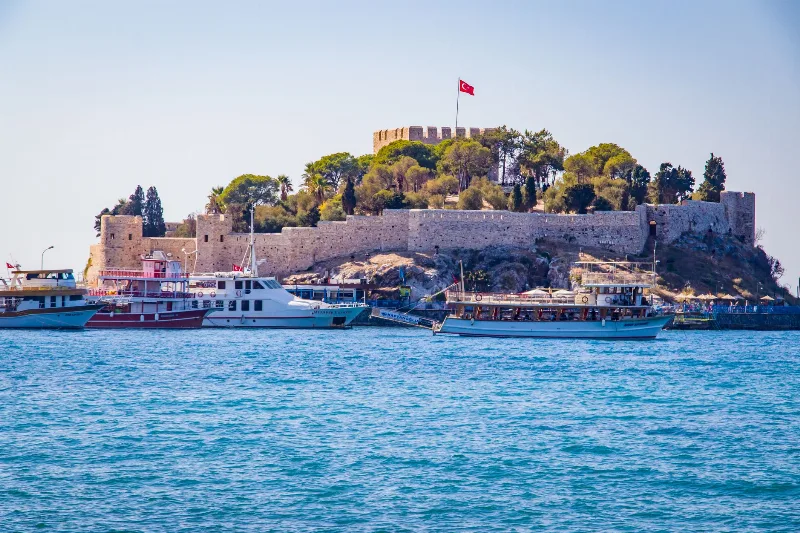
3-Day İzmir and Çeşme Route
A three-day Aegean journey from central İzmir to the Çeşme Peninsula, pairing a historic bazaar and waterfront with a castle, coastal bays, and the stone houses of Alaçatı.
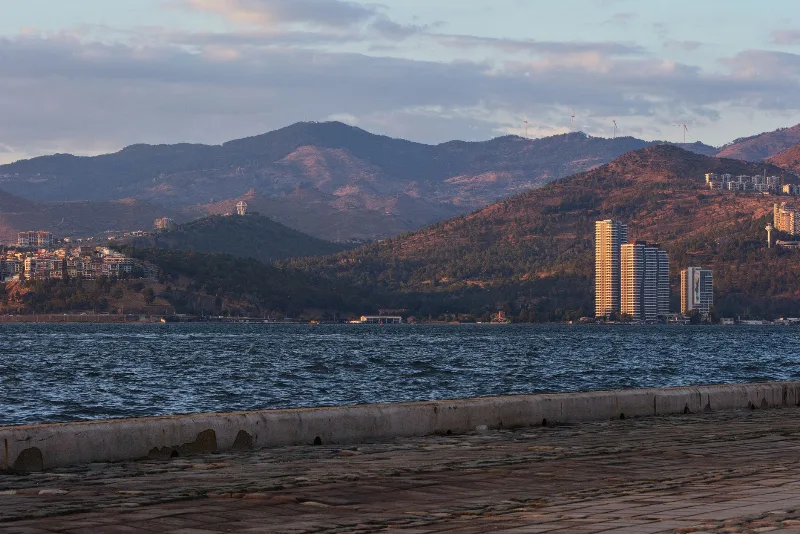
Izmir's Coastal Charm
İzmir is a western Turkish city built around a gulf of the Aegean Sea, where a long waterfront, nearby coves, ancient sites and Aegean cooking shape its coastal character.
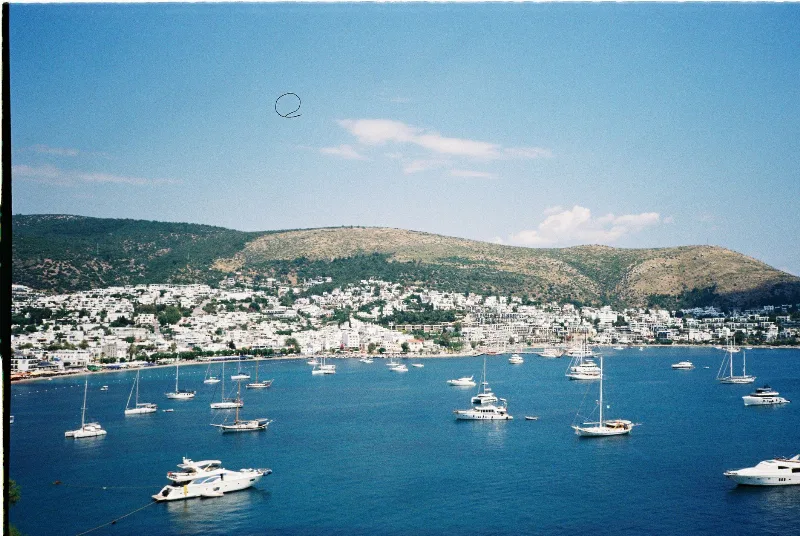
Aegean Coast of Türkiye
Explore the Aegean coast of Türkiye, renowned for its picturesque towns and stunning azure waters.
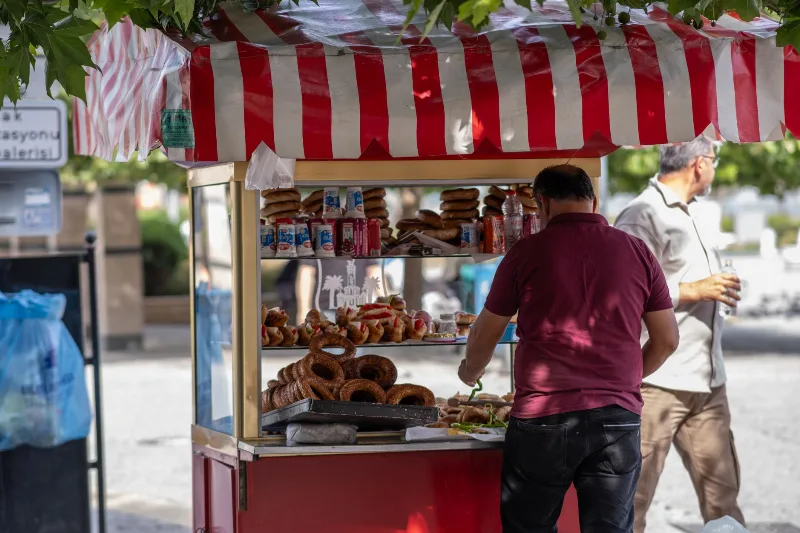
Sampling the Unique Flavors of İzmir's Street Food
İzmir's street food follows its own calendar, from sesame gevrek at sunrise to stuffed mussels and grilled kokoreç after dark. The city's Aegean setting shapes a cuisine built on olive oil, herbs and seafood.