
Sampling the Unique Flavors of İzmir's Street Food
STORIES FROM TÜRKİYE
Street food in İzmir is not a snack squeezed between other plans. It is a rhythm that runs through the whole day, from the first sesame ring bought on the way to school or work to the mussels and grilled bites shared long after sunset. The city's position on the Aegean coast shapes all of it: the light, the herbs, the seafood, and the habit of eating outdoors for much of the year.
A Culinary Melting Pot by the Aegean
İzmir has always been a port city, and its street food carries the traces of that history. Levantine traders, Sephardic Jewish families, Greek and Armenian communities, and later arrivals from the Balkans and Anatolia all left recipes behind. The result is a local table that feels Mediterranean and Anatolian at the same time.
Olive oil, fresh vegetables, wild greens and seafood sit at the centre of it. Many of the city's favourite street dishes are light, herby and quick to eat, designed for warm evenings and long walks along the waterfront.
Gevrek and Boyoz: Morning on the Street
Gevrek is İzmir's own version of the sesame ring known elsewhere in Türkiye as simit. The dough is dipped in grape molasses before it meets the sesame seeds, which gives the crust a deeper colour and a faint sweetness. Trays and small carts appear early, and the smell of warm bread is one of the city's most reliable morning signals.
Boyoz is more distinctly İzmir. It arrived with Sephardic families and became a local staple: a small, flaky, spiral pastry made from layered dough and oil, baked until the outside shatters. Plain boyoz is eaten alongside a glass of tea, while savoury versions may hold cheese, spinach or a soft egg. Locals often pair it with a simple breakfast of tomatoes, olives and white cheese.
Kumru, Midye Dolma and Evening Bites
The kumru is the city's signature sandwich, named after the dove because of the shape of its roll. A soft, slightly sweet bun is filled with grilled sucuk, melting cheese, tomato, green pepper and pickles, then pressed until everything softens together. It is a late-afternoon and evening food, eaten standing up near a grill.
As the light fades, other carts take over. Midye dolma — mussels stuffed with spiced rice, pine nuts, currants and a hint of cinnamon — are sold by the shell with lemon. Söğüş brings chopped boiled meats with parsley, onion, tomato and lemon, while kokoreç is grilled over charcoal, chopped fine and served in bread with spices. Each has its own small ritual and its own regular customers.
Wild Greens and Olive Oil
İzmir's markets are full of ot, the wild greens gathered in spring and early summer. Names such as arapsaçı, radika, şevketibostan and deniz börülcesi appear on the same stalls, the last collected from salty coastal flats. They are usually boiled briefly, then dressed with olive oil, lemon and garlic.
This herb culture reflects the wider Aegean kitchen, where vegetables are often the main event rather than a side dish. The peninsula around Urla and Çeşme adds olives and olive oil, artichokes, mandarins and other produce that reaches the city's street stalls and home kitchens within hours.
Sweet Endings and Seasonal Treats
Şambali is a syrup-soaked semolina sweet with a firm, golden top, usually finished with peanuts. It belongs to İzmir in the same way boyoz does, and it appears in the bazaar alongside trays of lokma, small fried dough balls dipped in syrup and shared on special days.
Season changes the sweets. Summer brings buzlu badem, iced almonds sold from carts on hot afternoons, while winter returns roasted chestnuts and cups of warm salep. The Çeşme peninsula is also known for mastic, the aromatic resin used in desserts, ice cream and drinks.
The Districts Where İzmir Eats
Much of this street life gathers around Kemeraltı, the historic bazaar area of Konak, where narrow lanes mix food stalls with old stone buildings and courtyards. Not far away, the Kordon along the waterfront fills with families, walkers and vendors as the day cools.
Across the bay, Karşıyaka has its own busy streets and evening trade, while Alsancak and Bornova offer a younger, faster pace. The pleasure of İzmir's street food lies less in any single dish than in the way the city moves through them, hour by hour, from gevrek to mussels to syrup-soaked sweets.
Historic places
Explore history →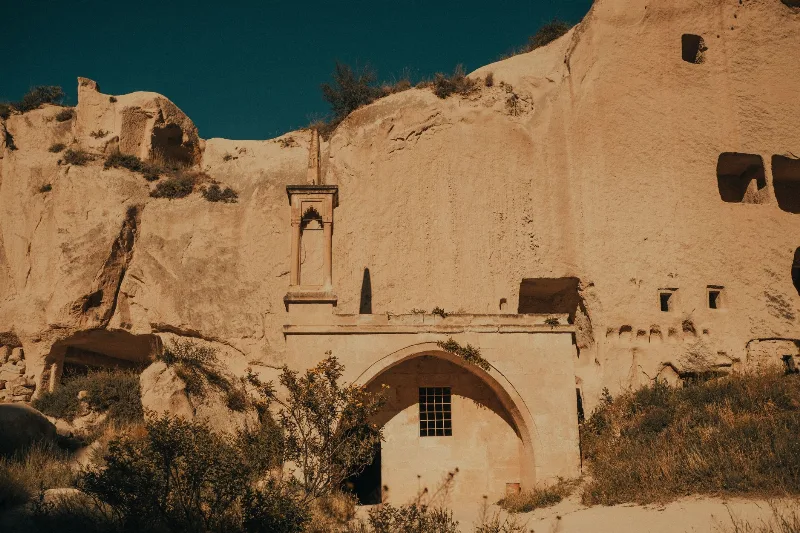
Göreme Open Air Museum
Göreme Open Air Museum is a rock-cut Byzantine monastic complex in the Göreme valley of Cappadocia, Nevşehir Province, whose churches preserve fresco cycles painted between the 10th and 13th centuries. It forms part of the UNESCO World Heritage Site of Göreme National Park and the Rock Sites of Cappadocia.
Explore →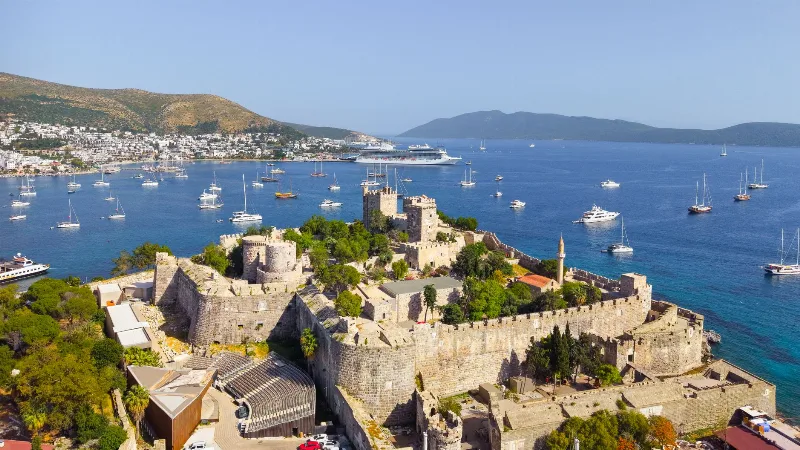
Bodrum Castle
Raised by the Knights Hospitaller above ancient Halicarnassus, Bodrum Castle is both a medieval fortress and the home of one of the world's leading museums of underwater archaeology.
Explore →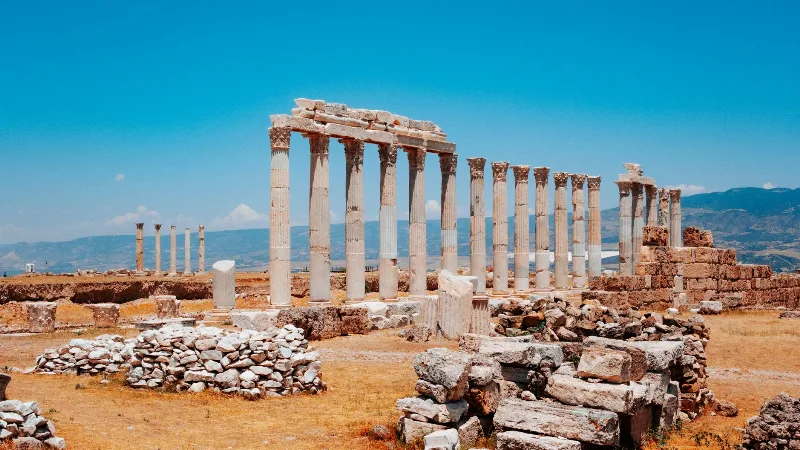
Laodicea
Laodicea is a Hellenistic and Roman city near Denizli in Türkiye, known for its theatre, stadium and early Christian remains. It was a wealthy commercial centre and one of the Seven Churches of Asia.
Explore →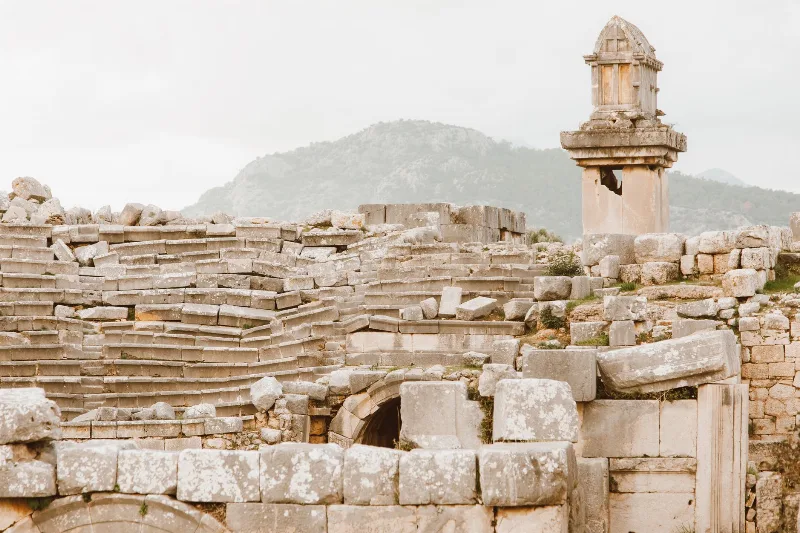
Xanthos
Xanthos was a leading city of Lycia and the seat of the Lycian League, on the frontier between the Antalya and Muğla provinces of Türkiye. Its surviving theatre, agora and tomb monuments, together with the nearby sanctuary of Letoon, form a UNESCO World Heritage Site.
Explore →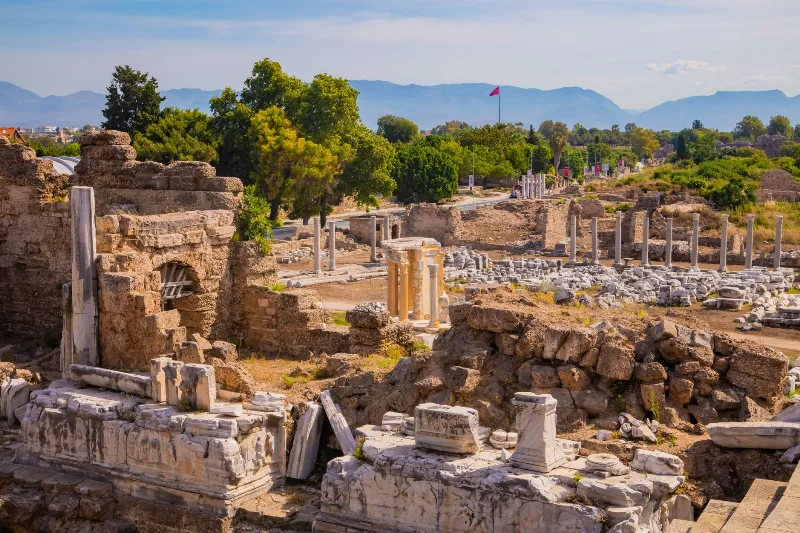
Anemurium
Anemurium is an ancient city on a windswept promontory at Cape Anamur, the southernmost point of Anatolia, in Mersin Province. Its Roman and Byzantine ruins — theatre, baths, walls and a vast necropolis — make it one of the most substantial archaeological sites on Turkey's Mediterranean coast.
Explore →Related content
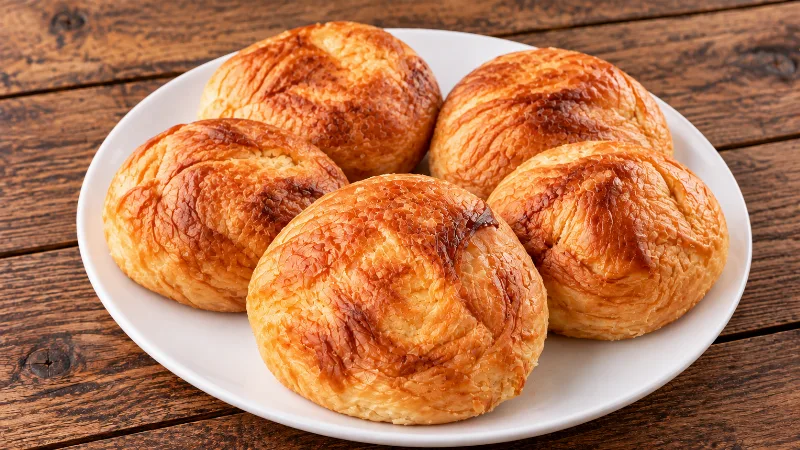
Boyoz
A flaky baked pastry closely associated with İzmir and commonly eaten as part of breakfast.
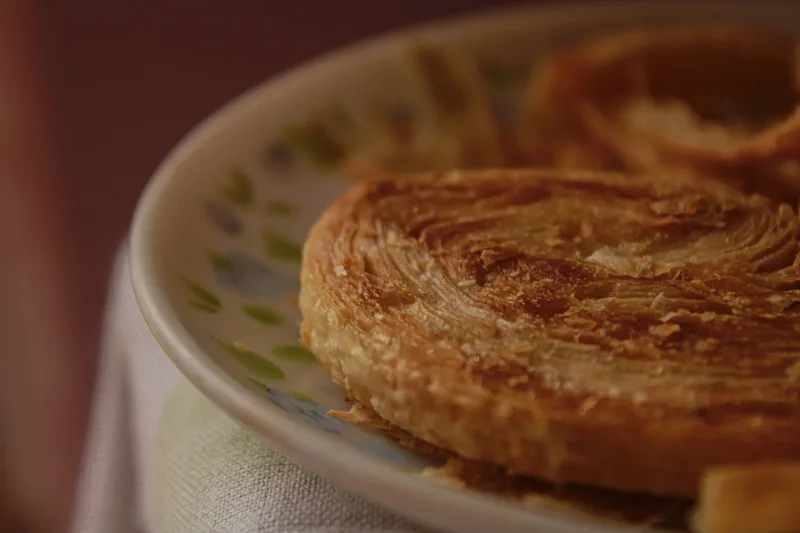
Boyoz
Boyoz is a round, flaky pastry from İzmir, made from a coiled flour-and-oil dough and traditionally eaten at breakfast with a boiled egg and tea.
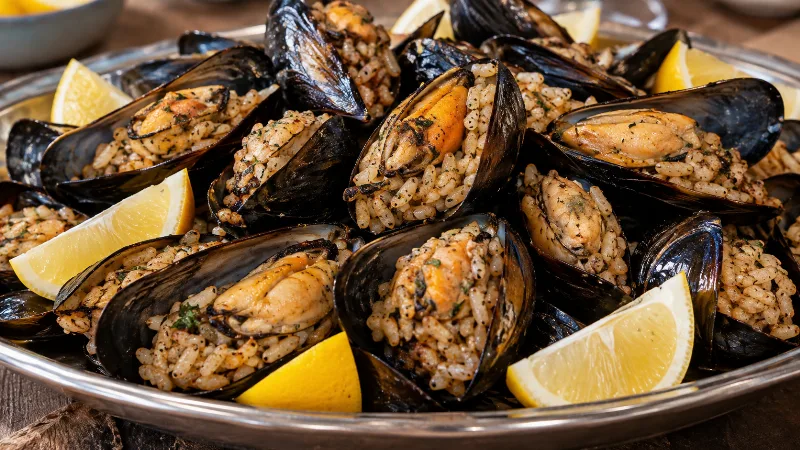
Midye Dolma
Midye dolma are mussels filled with a spiced rice mixture of pine nuts, currants and herbs, sold from trays on street corners and prepared at home along Türkiye's Aegean and Marmara coasts.
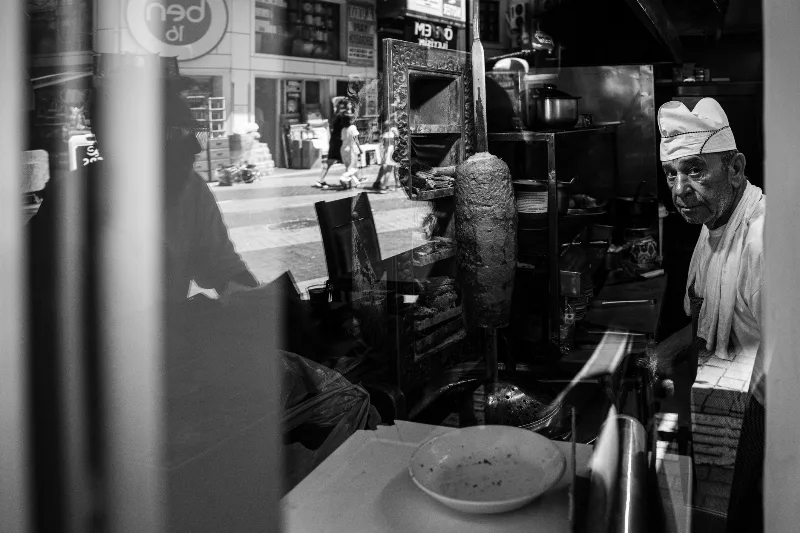
Traditional Food in Türkiye
Explore Türkiye's rich culinary landscape, featuring iconic dishes like kebabs and baklava that reflect its diverse cultural heritage.
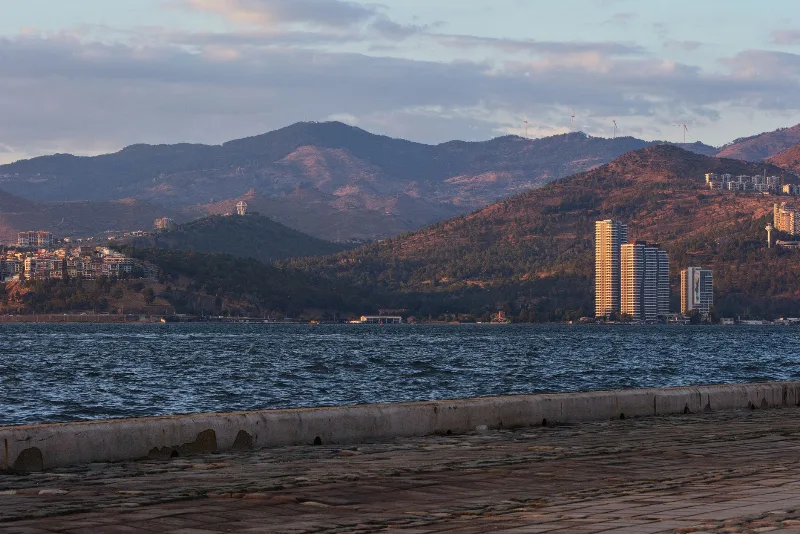
Izmir's Coastal Charm
İzmir is a western Turkish city built around a gulf of the Aegean Sea, where a long waterfront, nearby coves, ancient sites and Aegean cooking shape its coastal character.
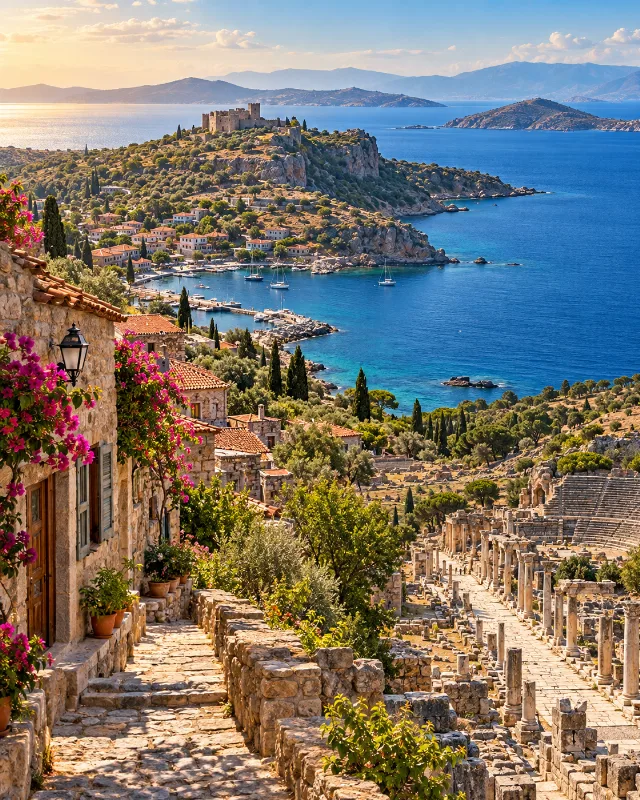
7-Day North Aegean to Ephesus Route
A seven-day southbound route through Troy, Assos, Bozcaada, Ayvalık, Bergama, İzmir and Ephesus, combining archaeology, coastal towns and Aegean culture.