
Ayvalık Olives
Ayvalık olives are the fruit of a named olive cultivar grown around Ayvalık on Türkiye's northern Aegean coast, valued both for pressing and for curing as table olives. The stony, sloping groves of the Edremit Gulf in Balıkesir province give the variety its strong regional identity.
Ayvalık olives come from a distinct olive cultivar cultivated on the northern Aegean coast of Türkiye, centred on the town of Ayvalık in Balıkesir province. The same variety is also known as the Edremit olive, after the gulf that curves along this stretch of coastline between Ayvalık, Burhaniye and Edremit. Its firm association with the area comes from the way the tree matches the land: sloping, stony, well-drained hillsides, a long dry summer and a mild, rainy winter, all tempered by the Aegean Sea. The Ayvalık cultivar serves two purposes at once, pressed for olive oil and cured as a table olive, and this double role has shaped farming in the district for generations.
Where Ayvalık Olives Grow
The centre of production lies in the Ayvalık district of Balıkesir and the chain of settlements around the Edremit Gulf, including Cunda (Alibey) Island, Küçükkuyu, Altınoluk, Edremit, Burhaniye and Havran. From there the olive belt continues north towards Çanakkale and south into İzmir province around Dikili, so the variety is not confined by a single administrative boundary but follows the coastal climate of the northern Aegean.
Along this shoreline the groves appear as long bands of silver-green foliage on the lower slopes. Trees are planted on hillsides and gentle terraces rather than on flat, heavy ground, and the foothills of the Kaz Dağı massif rise behind much of the growing area. Family plots sit beside larger blocks, and the olive is present in almost every village landscape, from the edge of the town to the rocky ground above the sea.
The Ayvalık Olive Variety
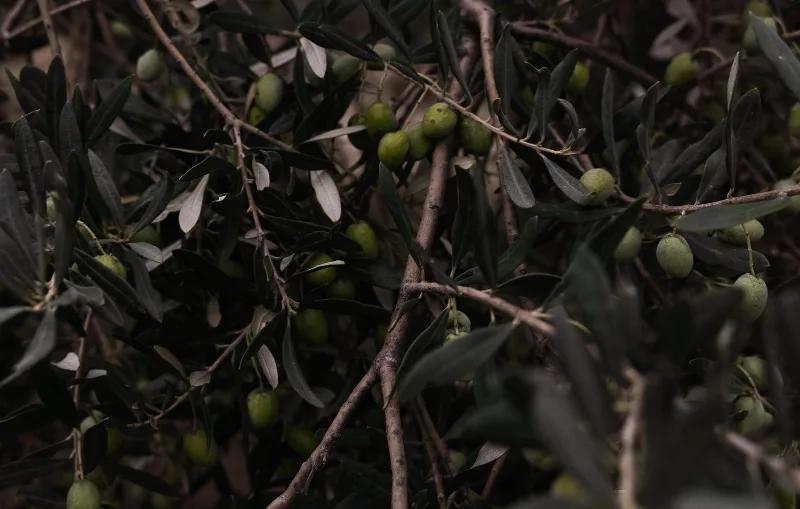
The tree is compact and sturdy, with narrow silver-grey leaves that reflect light and help it withstand summer heat. Its fruit is of medium size, oval in shape, and carries a relatively high oil content, which is the main reason the cultivar is so closely tied to oil production. The same fruit can be taken early while still green for table olives, or left on the tree to ripen for pressing.
As the fruit matures it shifts from green to a purple tone and then towards near-black, and the choice of picking moment strongly influences the character of the final product. Oil pressed from the variety is generally described as fruity and well balanced, with a mild bitterness and a peppery sensation that lingers at the back of the throat. Table olives from the same trees are usually cured in brine, and in some cases simply salted and left to lose their natural bitterness slowly.
Why the Northern Aegean Suits the Olive
The Edremit Gulf has the classic Mediterranean pattern that olive trees require: hot, dry summers with little rain, and mild winters when most of the annual rainfall arrives. The proximity of the sea moderates temperatures throughout the year, keeping winter cold within limits that the olive can tolerate and reducing the risk of hard frost near the coast. Steady air movement from the Aegean also helps keep the canopy and fruit relatively dry.
Soil matters just as much as temperature. Olive trees cope well with poor, rocky and calcareous ground, but they suffer in waterlogged conditions, which makes the sloping hillsides of the district ideal. Rain drains away through the stone and gravel rather than collecting around the roots, and the shallow soils of the lower slopes force the trees to send their roots deep in search of moisture. Elevation here is low to moderate, mostly from sea level up to a few hundred metres on the foothills, which keeps the groves inside the mild coastal band the variety prefers.
Flowering, Ripening and the Harvest Calendar
The growing cycle follows the rhythm of the Aegean year. Flowering takes place in late spring, when small cream-white blossoms open along the branches and are pollinated largely by wind. Fruit set follows quickly, and the young olives develop through the hot summer months, drawing on stored moisture in the soil. By autumn the fruit begins its colour change, and the groves move from green to a mottled purple as the harvest approaches.
Picking generally runs from October through to January, with different moments chosen for different ends. Green olives for the table are taken early, while fruit intended for oil is left longer so that it ripens further and yields more oil. Because many groves sit on slopes that machines cannot easily reach, harvesting is still done largely by hand, with pickers working from ladders or using hand rakes to bring the fruit down onto nets spread beneath the trees. The crop is then gathered, sorted and moved on quickly.
From Grove to Press and Curing Jar
Timing after picking is critical for oil. Fruit that sits too long before pressing begins to deteriorate, so olives are usually taken to a mill within a short time of harvest and processed by mechanical extraction without heat, a method that preserves the fresh, fruity qualities associated with the region. The result is a green-toned oil whose aroma carries notes of cut grass and green almond, with the mild bitterness and peppery finish typical of the Ayvalık cultivar.
Table olives follow a different route. They are treated to remove their natural bitterness, most commonly by soaking and storing in brine, and are then kept in salted water until they reach the firm texture and rounded flavour expected of the variety. Olive oil pressed in the district also forms the base of much local Aegean cooking, where vegetables, beans and wild greens are prepared simply with oil, onion and lemon. The olive is not merely an ingredient here but the foundation of the everyday kitchen.
The Olive in the Life of the District
Olive growing dominates the agricultural landscape and the working calendar of Ayvalık and the surrounding gulf settlements. The harvest brings seasonal labour to the hillsides, mills operate intensively through the winter months, and many families maintain groves that have passed between generations. Because the tree lives for many decades and produces reliably once established, the groves give the district a stable agricultural identity that is visible in the terraces, stone walls and dense bands of trees along the coast.
This concentration of olive cultivation has also shaped how the area is understood by those outside it. Ayvalık and the Edremit Gulf are associated above all with olives and olive oil, and the name of the variety has become a shorthand for the coastal climate and the stony ground in which it thrives. That connection between land, climate and a single cultivar is what distinguishes these olives from those grown elsewhere along the Aegean and Mediterranean coasts of Türkiye.
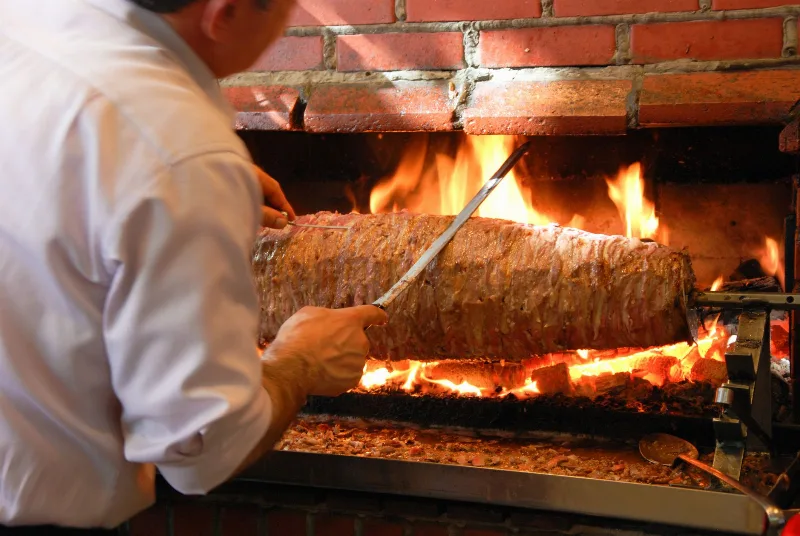
Cağ Kebabı
A regional lamb kebab from Erzurum, Cağ Kebabı is cooked on a horizontal rotisserie and served on skewers. Its tender, juicy meat and simple accompaniments make it a celebrated dish in eastern Turkey.
Explore →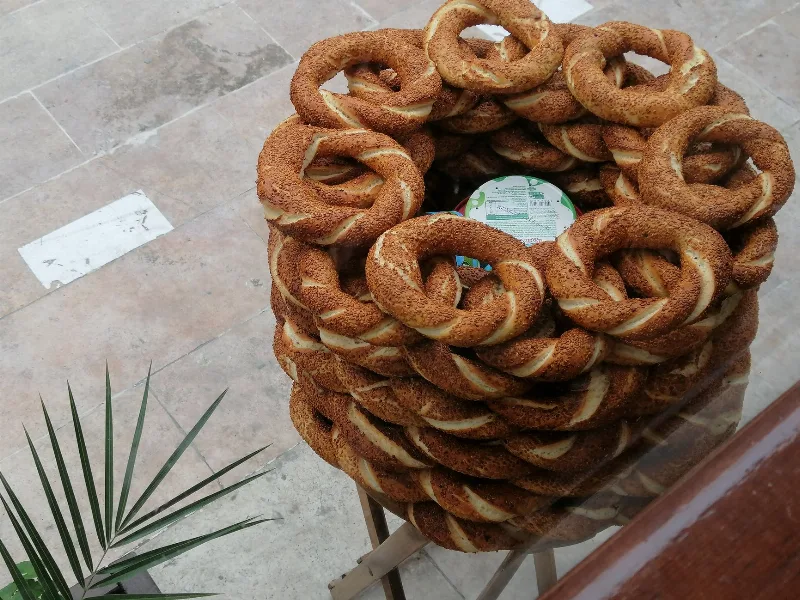
Simit
Simit is a twisted ring bread coated in sesame seeds, sold across Türkiye as an everyday street food and breakfast staple. This article explains its ingredients, how it is baked, its textures and flavours, and the regional divide between Istanbul simit and İzmir gevrek.
Explore →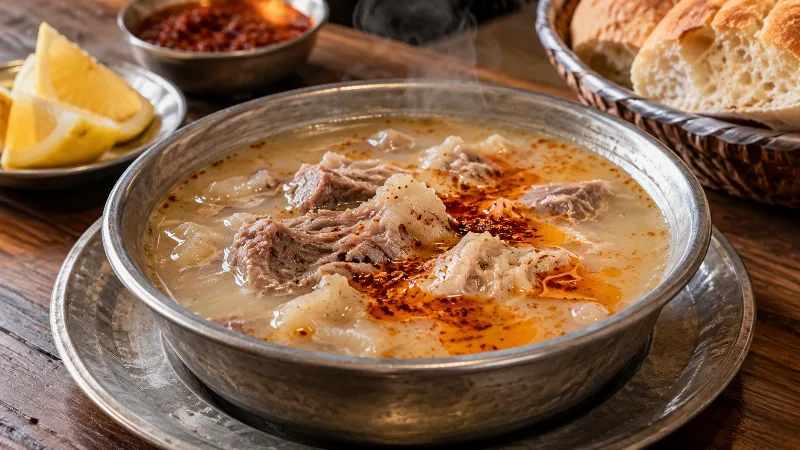
Kelle Paça Çorbası
Kelle Paça Çorbası is a traditional Turkish soup made from sheep's head and feet, known for its thick, gelatinous texture and restorative qualities. It is especially popular in Eastern and Southeastern Anatolia and is commonly eaten for breakfast or as a late-night meal.
Explore →Related content
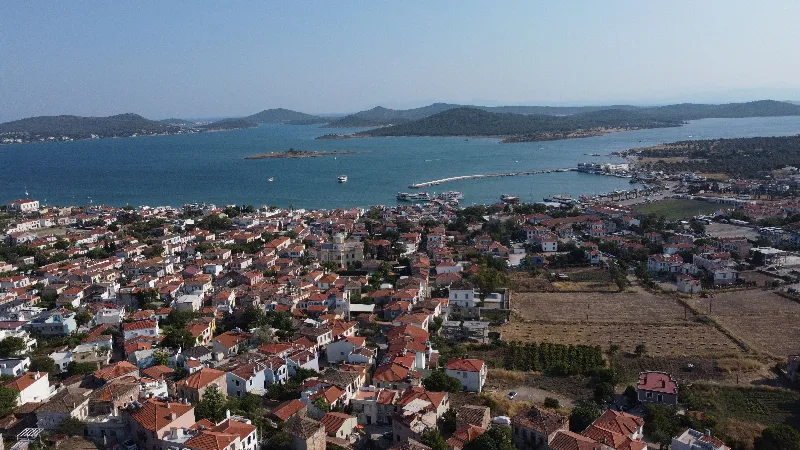
Ayvalık
Ayvalık is a coastal district of Balıkesir Province in western Türkiye, known for its olive oil, its Greek-influenced old town and the offshore island of Cunda.
Küçükkuyu
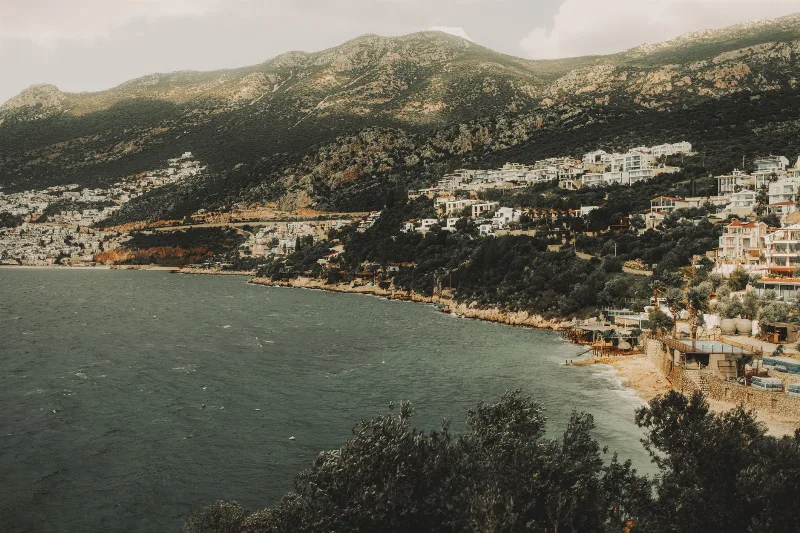
Küçükkuyu is a coastal town in Çanakkale Province, Turkey, at the foot of Kazdağı and surrounded by olive groves. Known for its seafood and proximity to ancient Assos, it offers a mix of Aegean coastline and mountain scenery.
Çanakkale
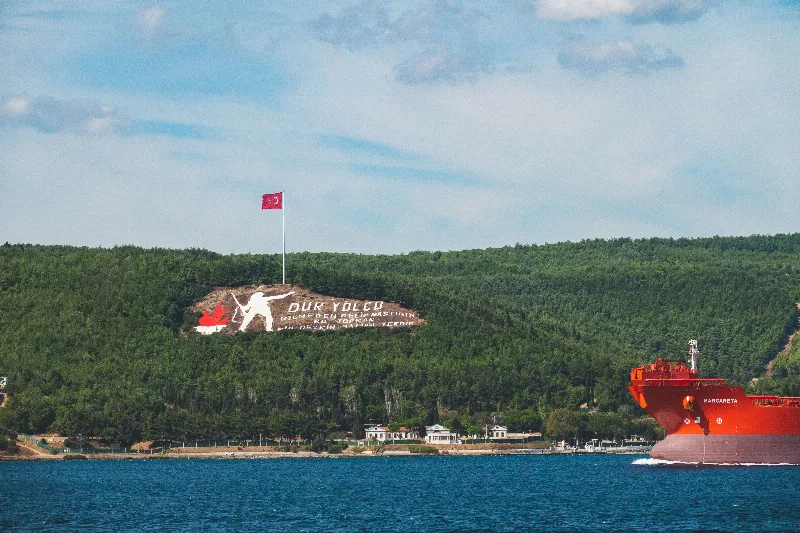
Çanakkale is a northwestern Turkish city on the Asian shore of the Dardanelles, the strait separating Europe from Asia. It is the administrative centre of a province that includes the Gallipoli battlefields and the archaeological site of Troy.
Olive Harvest in Ayvalık, Balıkesir
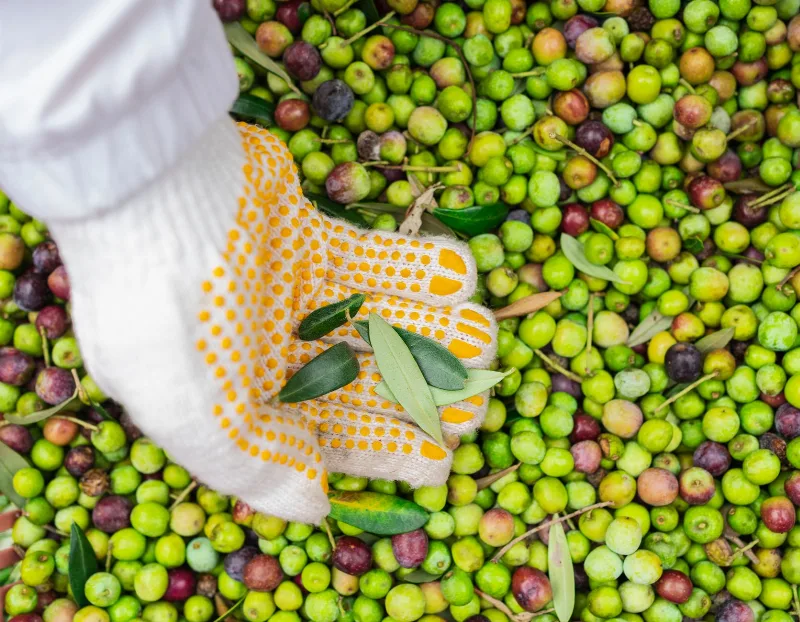
Each autumn, the olive groves around Ayvalık in Balıkesir turn from green to deep purple as the harvest season begins. Between October and November, growers pick the fruit and press it into one of Türkiye's most respected olive oils.
4-Day North Aegean Coast Route
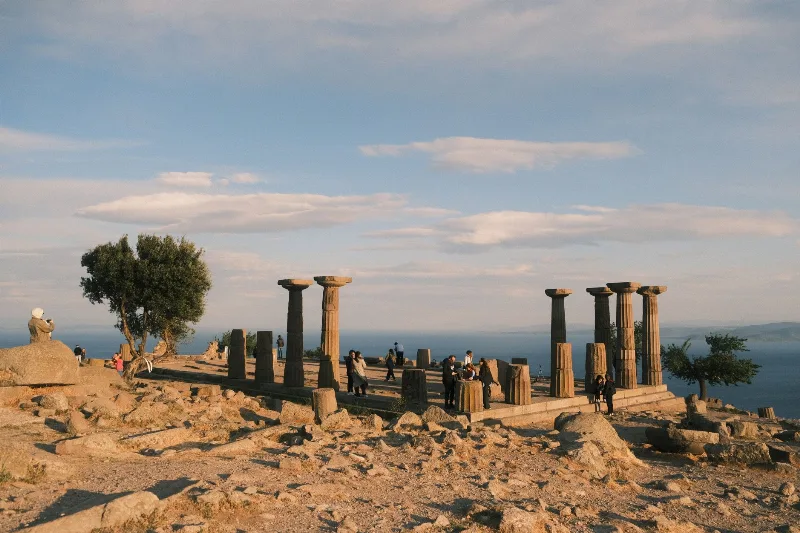
A four-day linear route along the North Aegean coast from Assos to İzmir, with stops at Ayvalık, Cunda, Dikili, Çandarlı, Bergama and Foça. The itinerary is designed for a realistic coastal and inland road trip by car.
The Lush Olive Groves of Aegean Türkiye
Silver-green groves stretch along the Aegean coast of Türkiye, shaping the region's landscape, cuisine and seasonal traditions from Ayvalık to Bodrum.