
Küçükkuyu
Küçükkuyu is a coastal town in Çanakkale Province, Turkey, at the foot of Kazdağı and surrounded by olive groves. Known for its seafood and proximity to ancient Assos, it offers a mix of Aegean coastline and mountain scenery.
Küçükkuyu is a small coastal town in the Çanakkale Province of Turkey, situated in the Ayvacık district on the northern Aegean coast. It lies at the foot of Mount Ida, known locally as Kazdağı, and is surrounded by extensive olive groves. The town is particularly known for its seafood and serves as a convenient base for exploring the nearby ancient city of Assos and the natural landscapes of Kazdağı National Park.
Where Küçükkuyu Is Located
Küçükkuyu sits on the Biga Peninsula, a rugged landmass in northwestern Anatolia that extends into the Aegean Sea. The town is positioned along the D550 highway, which connects the city of Çanakkale to the south with the coastal route toward Izmir. To the north, the landscape rises toward the peaks of Kazdağı, while to the south and west, the Aegean Sea stretches out. The town is part of the historical region known as the Troad, which is rich in ancient ruins and mythological associations. The nearest large towns are Ayvacık to the north and Edremit to the south, though Küçükkuyu itself maintains a distinct, self-contained atmosphere.
The Character of the Town
Küçükkuyu has the feel of a working Aegean town rather than a purely resort destination. Its economy has traditionally been based on olive cultivation and fishing, and these activities still shape daily life. The town center is compact, with a waterfront promenade that runs along the coast. The pace is relaxed, especially outside the peak summer months. Olive oil production is a central part of local identity, and you can see groves of olive trees extending from the town up the lower slopes of Kazdağı. The town is known for its seafood, which reflects its coastal location.
Architecture and Streets
The architecture of Küçükkuyu is a mix of traditional and modern. Older houses, some dating back several decades, feature stone walls and red-tiled roofs, often with wooden balconies. However, many buildings are more recent, constructed to accommodate the growing number of visitors. The streets in the center are relatively flat and easy to walk, with the main waterfront road lined with trees and benches. Narrower lanes lead inland, where you can see glimpses of everyday life—laundry hanging, cats lounging, and the occasional olive press. The town does not have a highly preserved historic quarter, but its built environment reflects a typical Aegean coastal settlement that has evolved over time.
The Waterfront and Surrounding Landscape
The waterfront is the focal point of Küçükkuyu. A long promenade stretches along the coast, offering views of the Aegean Sea and the distant Greek island of Lesbos on clear days. The beach itself is a mix of sand and pebbles, with calm, clean water. Behind the town, the mass of Kazdağı rises dramatically, its slopes covered in pine forests and olive groves. The mountain is part of Kazdağı National Park, which is known for its rich biodiversity and endemic plant species. The combination of sea and mountain creates a striking landscape that defines the town's appeal.
Historical and Cultural Background
The region around Küçükkuyu has a deep history. In ancient times, it was part of the Troad, the area surrounding Troy. Just a few kilometers away lies the ancient city of Assos, where the philosopher Aristotle lived and taught for a period. The modern town of Küçükkuyu, however, developed much later, primarily as a village serving the surrounding agricultural area. Its growth accelerated in the 20th century with the expansion of olive cultivation and, more recently, tourism. The cultural identity of the town is closely tied to olive farming; the annual olive harvest in late autumn is an important local event. Traditional olive oil production methods are still used by some families, and the town takes pride in its high-quality olive oil.
What to See and Do
Visitors to Küçükkuyu can spend time walking along the waterfront, relaxing on the beach, or exploring the backstreets. The town is a convenient base for visiting the ancient ruins of Assos, which include a well-preserved temple of Athena with panoramic views. The nearby village of Behramkale, which sits atop the ancient site, is also worth a visit for its stone houses and narrow streets. Nature lovers can head into Kazdağı National Park for hiking; trails lead through forests to viewpoints. The town itself has a small harbor where fishing boats moor, and watching the daily catch come in can be a simple pleasure. For those interested in local produce, the surrounding olive groves offer a chance to learn about olive oil production.
How to Reach Küçükkuyu
Küçükkuyu is accessible by road. The D550 highway runs through the town, connecting it to Çanakkale to the north and Izmir to the south. Intercity buses traveling between these cities often stop in Küçükkuyu, making it relatively easy to reach without a car. The nearest major airport is in Izmir, about a three-hour drive away, while Çanakkale Airport offers limited domestic flights. From Çanakkale, the drive takes around an hour and a half, passing through scenic coastal and mountain landscapes. If you are driving from Istanbul, the route typically involves crossing the Dardanelles by ferry and then continuing south on the D550. The town is small enough to explore on foot, but a car is useful for visiting nearby attractions like Assos and Kazdağı National Park.
Best Time to Visit
The climate in Küçükkuyu is typical of the northern Aegean: hot, dry summers and mild, wet winters. The best times to visit are spring (April to June) and autumn (September to October), when temperatures are comfortable and the landscape is green. Summer (July and August) can be very hot and crowded, especially in August when domestic tourists flock to the coast. Winter is quiet, with many businesses closing, but the town retains a peaceful charm. The olive harvest takes place in November, which can be an interesting time to visit for those curious about local traditions.
Practical Information
Walking around Küçükkuyu is generally easy, as the town is relatively flat near the coast. However, some streets slope upward toward the mountain. Comfortable shoes are recommended, especially if you plan to explore the surrounding hills. The beach is a mix of sand and pebbles, so water shoes might be useful. Sun protection is essential in summer. The town has basic amenities, but it is not a large resort, so it is wise to plan ahead for specific needs. The sea is generally calm, but be aware of occasional strong currents. The local olive oil is a notable product of the region.
Nearby Places of Interest
Several places of interest lie within easy reach of Küçükkuyu. The ancient city of Assos (Behramkale) is about 20 kilometers to the north, featuring a temple of Athena, a theatre, and city walls. The village of Adatepe, perched on the slopes of Kazdağı, is known for its stone houses and views. The Zeus Altar (Altar of Zeus) is a scenic spot near Adatepe with views over the Edremit Gulf. Kazdağı National Park offers numerous hiking trails, including routes to the summit. The coastal town of Edremit is to the south, and the city of Çanakkale, with its Gallipoli battlefields and archaeological museum, is to the north. These destinations can be combined with a visit to Küçükkuyu.
From the land
Find All →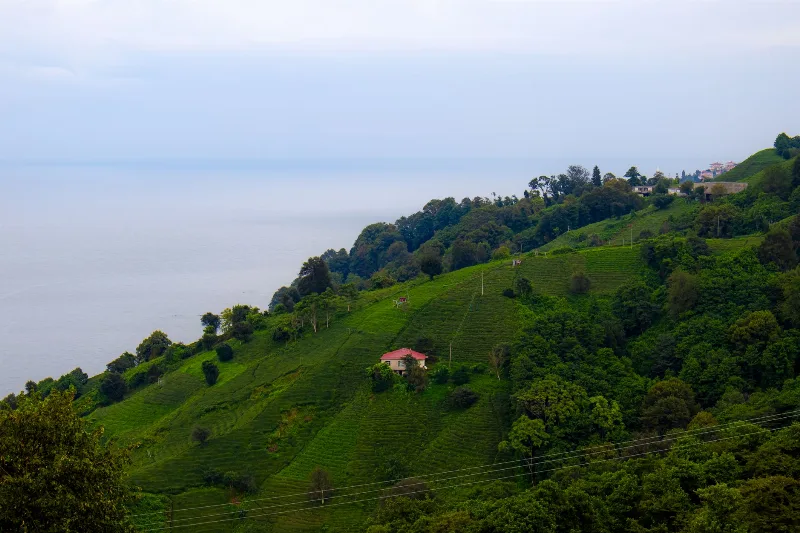
Trabzon Tea
Trabzon tea is the black tea grown on the rain-soaked slopes of Trabzon province on Türkiye's eastern Black Sea coast, where acidic soils and constant humidity create one of the few climates in the country where Camellia sinensis thrives.
Explore →Osmaniye Peanuts
Osmaniye peanuts are groundnuts grown in southern Türkiye, where the warm climate and light, sandy soils of the Çukurova give the province one of the country's best-known peanut crops.
Explore →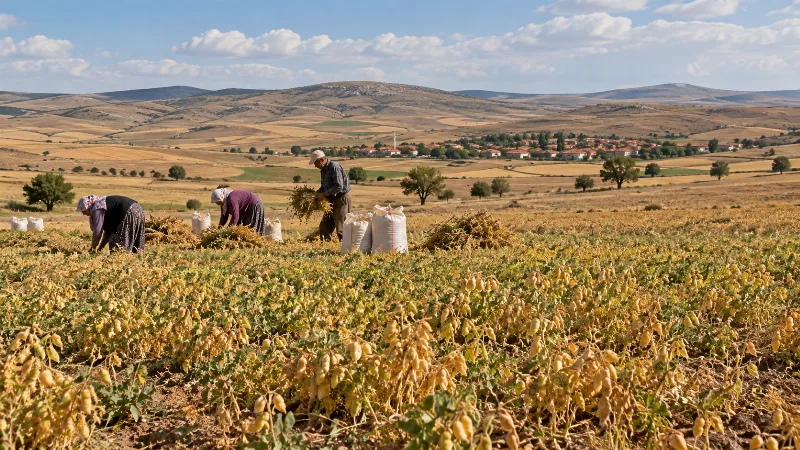
Yozgat Lentils
Yozgat lentils are the green lentils grown on the high interior plateau of Yozgat province in Central Anatolia, where cold winters, dry summers and thin, well-drained soils suit a drought-tolerant legume better than most crops.
Explore →Related content
Çanakkale
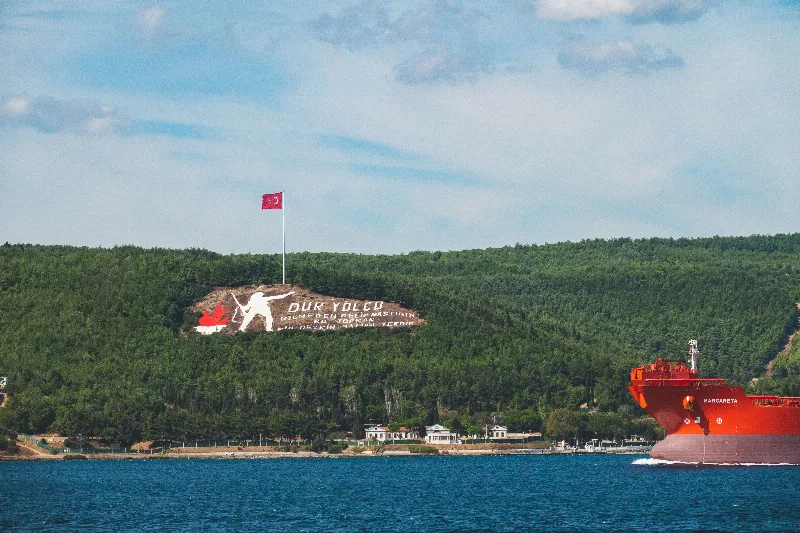
Çanakkale is a northwestern Turkish city on the Asian shore of the Dardanelles, the strait separating Europe from Asia. It is the administrative centre of a province that includes the Gallipoli battlefields and the archaeological site of Troy.
Assos
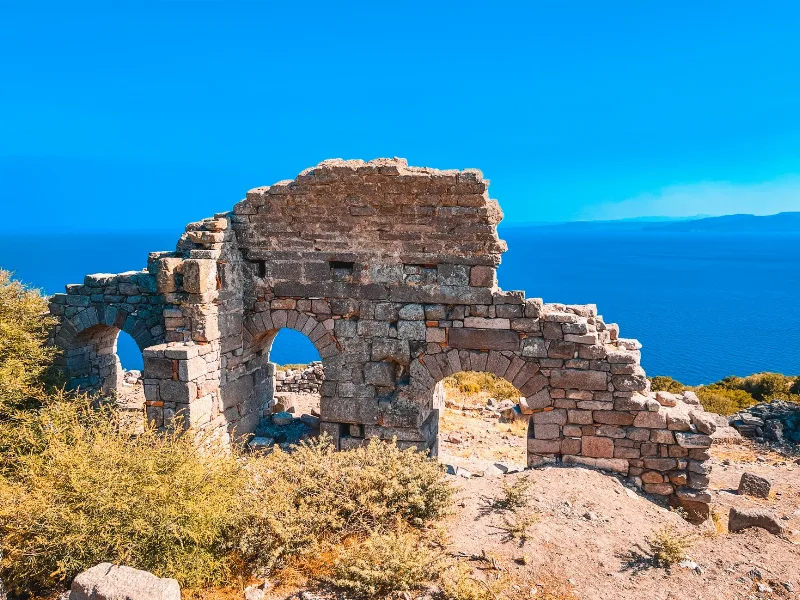
Assos is an ancient city and hilltop village in Çanakkale province, Türkiye, known for its Temple of Athena and for the years the philosopher Aristotle spent here. The modern settlement, Behramkale, sits above the ruins and an old harbour on the Aegean coast facing Lesbos.
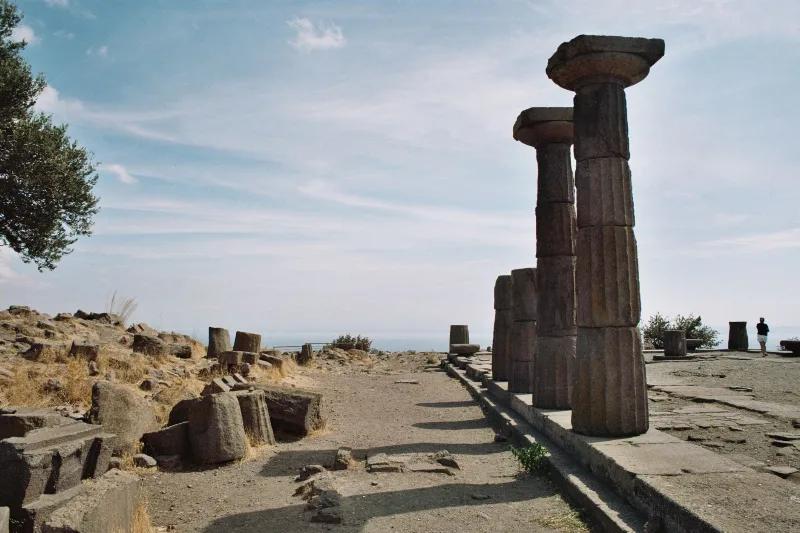
Assos
The ancient Greek city of Assos in Çanakkale, Türkiye, is defined by its sixth-century BC Temple of Athena, kilometres of surviving walls and a small Aegean harbour. Here is how the site is arranged and what a visit involves.
3-Day Assos and Troy Route
A three-day route through Turkey's Troad region, starting in Çanakkale and finishing at the clifftop village and ancient harbour of Assos, with Troy and the lesser-known classical ruins in between.
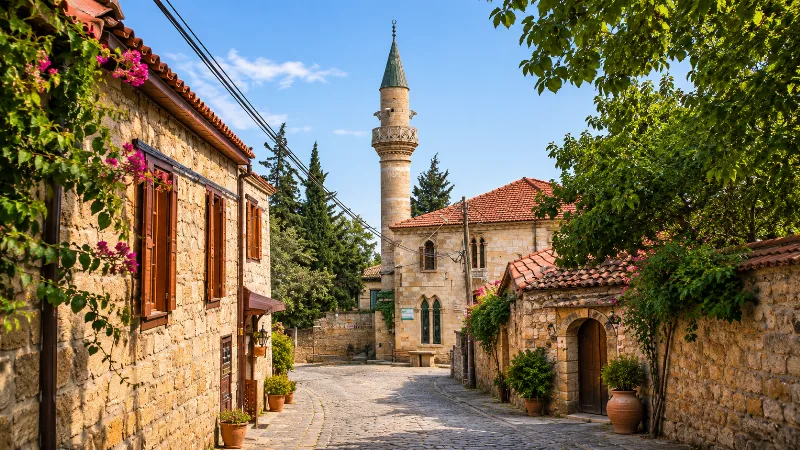
Yeşilyurt: A Stone Village on the Slopes of Kazdağı, Çanakkale
Yeşilyurt is a traditional mountain village in the Ayvacık district of Çanakkale, built on the slopes of Kazdağı and known for its stone houses and olive oil.
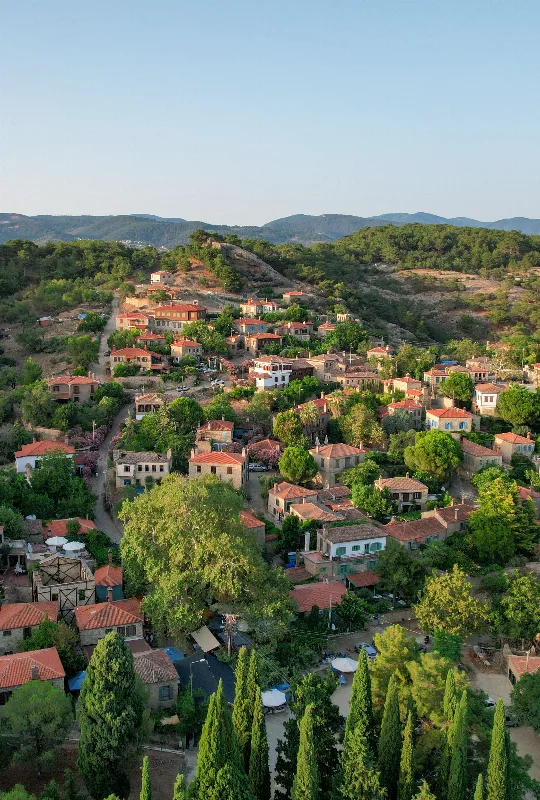
Adatepe
Adatepe is a stone-built mountain village in the Ayvacık district of Çanakkale, set on the Aegean slopes of Kazdağı above Küçükkuyu, known for its preserved stone houses, olive groves and the Zeus Altar viewpoint overlooking the Gulf of Edremit.