
Milas Olive Oil
Milas olive oil is pressed from olives grown in and around the Milas district of Muğla province, where a Mediterranean climate, stony hillsides and the Memecik olive give the oil its fruity, peppery character.
Milas olive oil is the olive oil pressed from olives grown in and around Milas, a district in the north of Muğla province in southwestern Türkiye. The town lies inland from the Bodrum peninsula, set in a landscape of low hills, stony slopes and groves that reach toward the Aegean coast. Oil from this district is known for a fruity aroma and a distinctly peppery finish, and the olive is the crop that more than any other defines the agriculture of Milas and the surrounding Muğla countryside.
The association rests on land and climate rather than on marketing. The olive is a tree of Mediterranean conditions — dry, hot summers, mild winters and poor, well-drained soils — and Milas supplies all three. The result is a district where olive groves are not one crop among many but the fabric of the rural landscape.
Where Milas Olive Oil Is Produced
Milas occupies the northern part of Muğla province, where the province meets the Aegean hinterland. Groves are scattered across the district's villages and open land, from ground that sits close to sea level up onto the surrounding hillsides. Olive cultivation here belongs to a wider Aegean belt that includes the neighbouring Muğla districts of Bodrum and Yatağan and continues north into Aydın province, where the same olive varieties are grown on a large scale.
Within Milas itself, the groves are worked by a mix of small family holdings and larger orchards. Many plots are old, and it is common to find trees that have stood in the same field for generations. Newer plantings tend to be laid out in regular rows, while the older groves follow the contours of the land, which gives the district the terraced, scattered appearance typical of long-established olive country.
Why the Climate and Terrain of Milas Suit the Olive
The district has a Mediterranean climate: summers are hot and largely rainless, winters are mild and wet, and rain is concentrated in the cooler months. Frost is uncommon at the elevations where olives are grown, and the growing season is long. These are exactly the conditions the olive tree is built for. It is a drought-tolerant species with small, waxy leaves that limit water loss, and it copes with summer heat far better than most fruit trees.
Soils matter as much as temperature. The land around Milas is stony and often calcareous, with thin topsoil over limestone and similar parent rock. Such ground drains quickly, which suits a tree that dislikes waterlogged roots. Slopes add a second advantage by shedding excess winter rain and opening the canopy to light and air. The proximity of the Aegean moderates temperatures and keeps humidity within a range that olives tolerate well, even if it also means growers must watch for the pests and diseases that favour damp air in spring.
Memecik: The Olive Behind the Oil
The olive most closely identified with Milas is Memecik, a cultivar widely grown across the Aegean and especially associated with the Milas area and neighbouring Aydın. Memecik trees are vigorous and productive, and the fruit is medium-sized with a relatively high oil content, which makes it valuable both for pressing and, after treatment, for eating as a table olive.
Because Memecik is grown across a broad stretch of the Aegean, the character of the oil is shaped as much by the specific site as by the variety. Groves on shallow, stony hillsides in Milas ripen differently from those on deeper soils, and growers describe the fruit from the district's older groves as giving oils with pronounced green and peppery notes.
The Annual Cycle in the Groves
Olive trees in Milas flower in late spring, producing small, pale blossoms that are wind-pollinated rather than dependent on insects. Fruit set follows, and the young olives grow through the hot, dry summer. Ripening begins in autumn, when the fruit shifts from green to purple and finally to a dark, almost black tone. The harvest normally starts in autumn and continues through the winter months.
Timing the pick is one of the central decisions of the year. Olives taken early, while still largely green, give oils that are more bitter and more pungent, with a strong peppery sensation in the throat. Fruit left on the tree longer yields milder, rounder oils with softer aromas. Because the same grove can be picked at different moments, the district produces a range of oils rather than a single uniform style.
Harvesting and Pressing
Traditionally, olives in Milas were gathered by hand, with pickers working from ladders or from the tree itself, and nets spread beneath the canopy to catch the fruit. Hand-held combing tools, which rake the branches and bring the olives down onto the nets, are also part of the local method and have largely replaced the slowest manual work, at least on larger holdings.
The fruit is then taken to presses in and around the district, ideally within a day or so of picking, since the quality of the oil falls quickly once olives begin to ferment or oxidise. Milling separates the paste into oil, vegetable water and pomace, and the best oils are extracted without heating the paste, a method that protects the volatile compounds responsible for aroma and the phenolic compounds linked to the peppery finish. After pressing, the oil is stored away from light and heat to slow its deterioration.
What Milas Olive Oil Tastes Like
Oils from the district are typically medium to robust in intensity. They tend to show green, herbaceous aromas — freshly cut grass, artichoke, green almond — together with a bitterness on the palate and a pungent, peppery sensation at the back of the throat. Colour ranges from deep green in early-harvest oils to a softer golden-green later in the season, though colour is not an indicator of quality.
That peppery character is generally linked to the phenolic content of the oil, which is higher in oils made from fruit picked early and handled carefully. It also makes the oil well suited to being used raw, where its flavour is most obvious: poured over salads, cooked vegetables, beans and the wild herbs that are a staple of Muğla cooking. It is equally used for frying and for baking in local kitchens, where olive oil rather than butter is the everyday fat.
Olives in the Life and Economy of Milas
Olive growing shapes the working year of the district. Families with small groves often tend them alongside other work and harvest in the winter, while larger holdings employ seasonal pickers. Pressing, bottling, storage and transport support further activity, and olive oil is one of the products most closely associated with Milas beyond its own borders.
Culturally, the olive sits at the centre of the local table. Olive oil is the base of vegetable dishes, herb dishes and mezes across Muğla, and the district's cooking is difficult to imagine without it. The winter harvest is also a social season, when families return to their groves and the tempo of village life is set by the ripening of the fruit.
Regional Identity and Protected Status
Milas olive oil is registered in Türkiye's geographical indication system, a status that ties the name to oil produced from olives grown within a defined area of the district and processed according to specified methods. The registration reflects what growers in the area have long argued: that the combination of Memecik olives, stony Aegean soils and a Mediterranean climate gives the oil a character that is recognisable and specific to this corner of Muğla.
Similar oil is made in neighbouring parts of the province, including Bodrum and Yatağan, and further north in Aydın, where Memecik is also dominant. What distinguishes Milas within this wider Aegean olive map is the particular mix of terrain, traditional groves and pressing practice that has developed around the district, and the fact that olive growing here is not a recent addition but a long-standing agricultural identity.
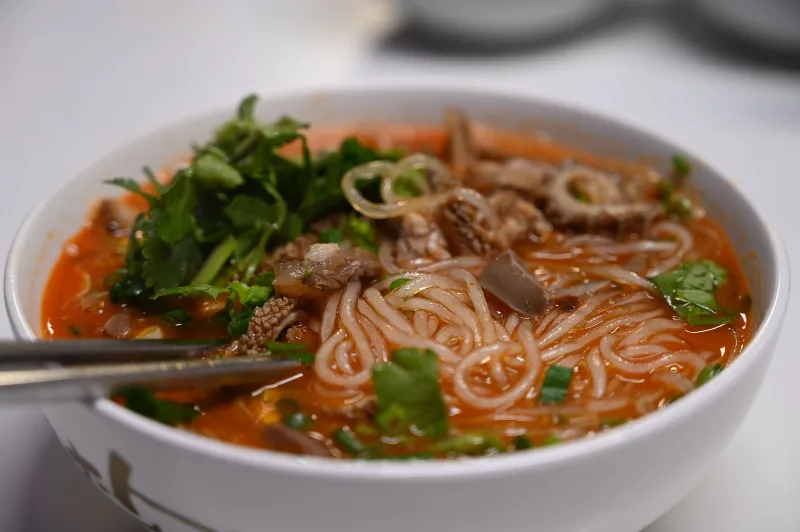
İşkembe Çorbası
İşkembe Çorbası is a traditional Turkish tripe soup flavored with garlic, vinegar, and red pepper. Often consumed late at night as a hangover cure, it is a staple of Turkish street food culture.
Explore →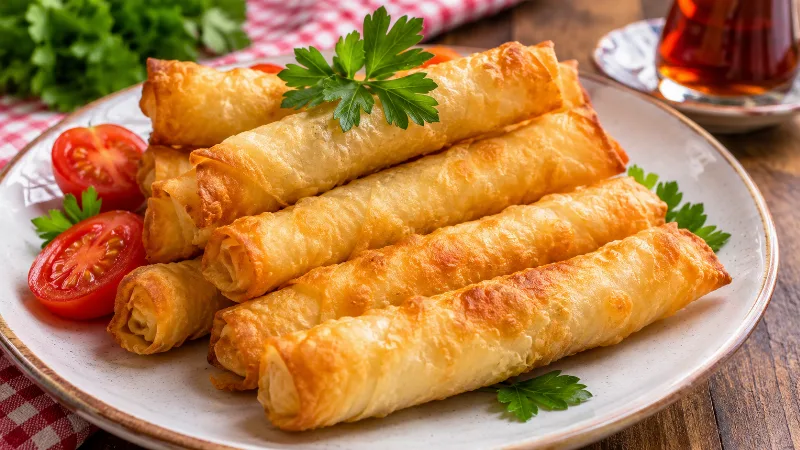
Sigara Böreği
Sigara böreği is a thin Turkish pastry rolled into slim cylinders around a cheese, meat or potato filling and fried until golden. Its name comes from its cigarette-like shape, and it is a familiar sight on breakfast tables, tea-time plates and meze spreads across the country.
Explore →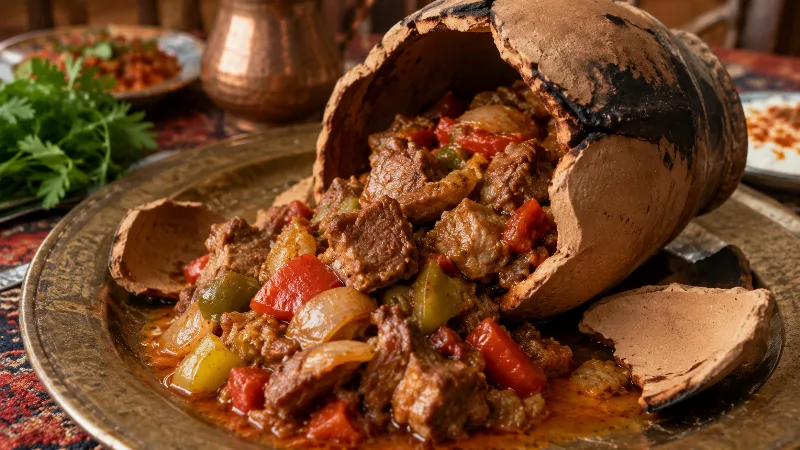
Testi Kebabı
Testi Kebabı is a traditional Turkish dish from Cappadocia where meat and vegetables are slow-cooked in a sealed clay pot that is broken open at the table. The result is tender meat and rich, aromatic vegetables.
Explore →Related content
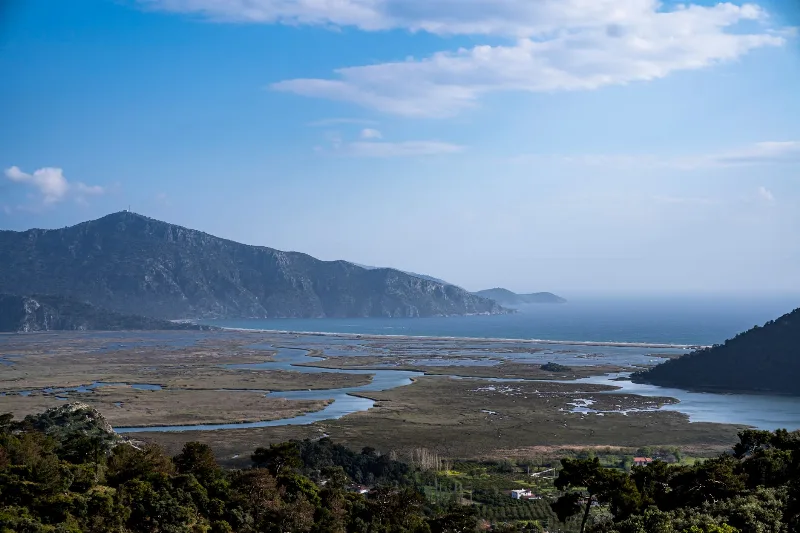
Muğla
Muğla is a captivating province in southwestern Türkiye, renowned for its stunning Aegean coastline and rich cultural heritage.
Bodrum
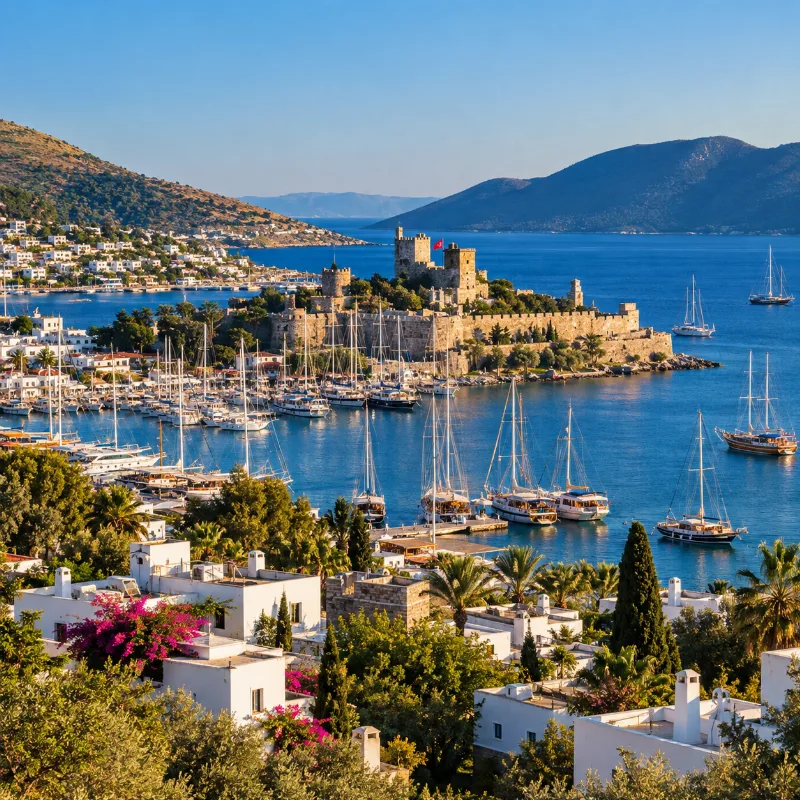
Bodrum is a coastal district of Muğla Province known for its whitewashed architecture, castle, Aegean coastline, bays and ancient Halicarnassus heritage.
Aydın
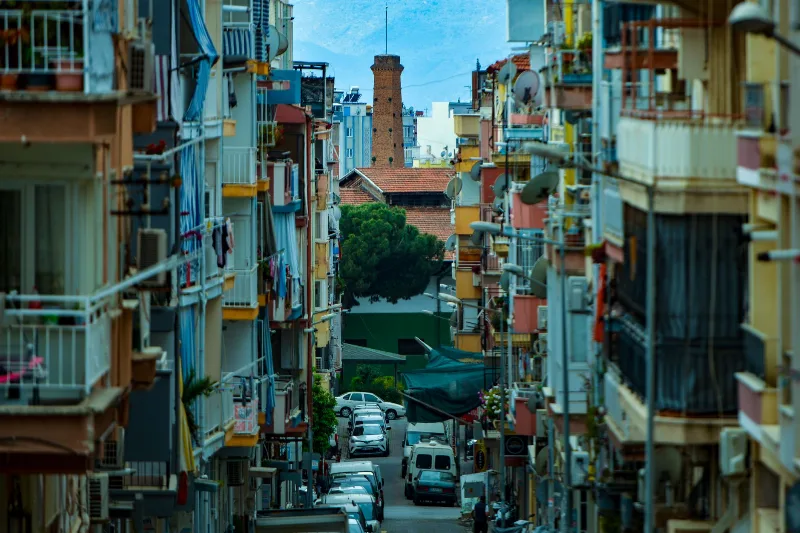
Aydın is the inland capital of Aydın Province in Türkiye's Aegean region, recognised for its fig production and its position between the fertile Büyük Menderes valley, the coastal district of Kuşadası and several major ancient sites.
The Lush Olive Groves of Aegean Türkiye
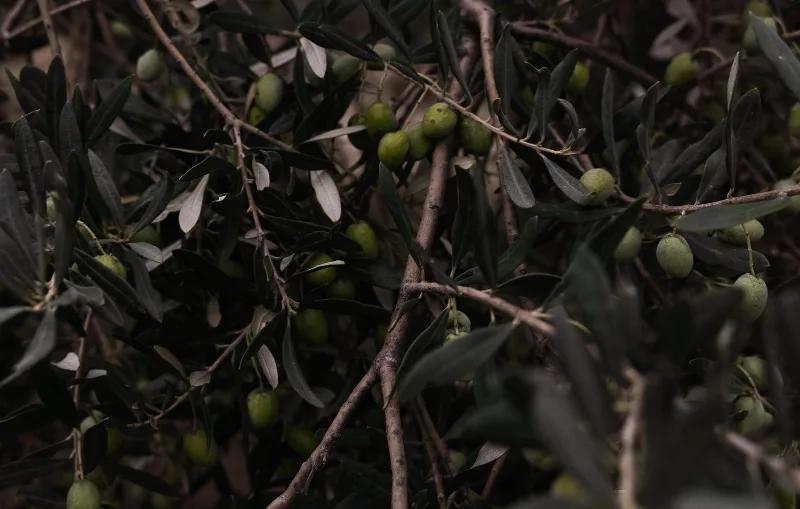
Silver-green groves stretch along the Aegean coast of Türkiye, shaping the region's landscape, cuisine and seasonal traditions from Ayvalık to Bodrum.
Lake Bafa
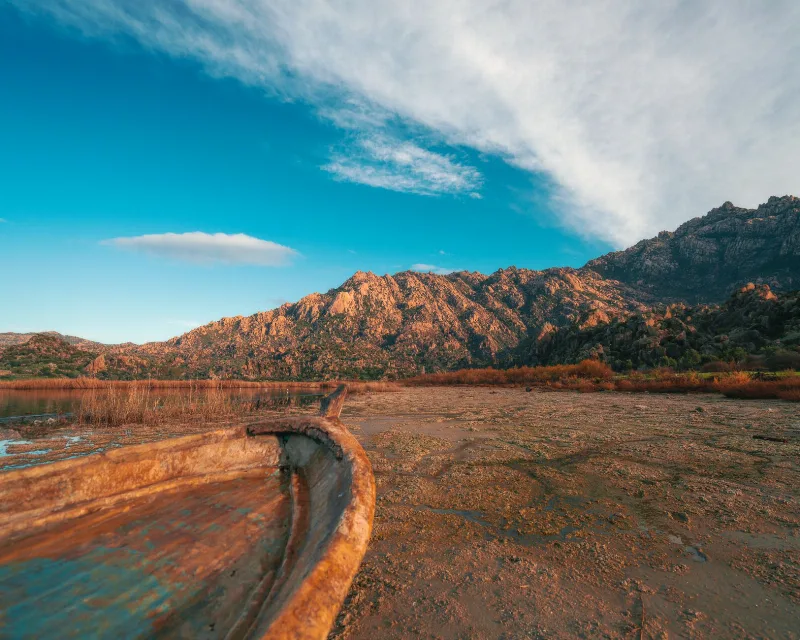
Lake Bafa is a brackish lake in southwestern Türkiye, shared between the provinces of Muğla and Aydın. It is the surviving remnant of an ancient Aegean inlet, now enclosed by farmland, the granite slopes of the Beşparmak Mountains and scattered ruins of harbour towns that once stood on open sea.
Kapıkırı
Kapıkırı is a small lakeside village in Milas, Muğla, built directly over the ancient city of Herakleia ad Latmum on the southern shore of Lake Bafa. Ancient walls, cut stones and shoreline ruins are woven into the settlement, with the Latmus mountains rising immediately behind it.