
Bird Migration at Manyas Lake, Balıkesir
Manyas Lake in Balıkesir, known as Kuş Cenneti, hosts one of Türkiye's largest bird gatherings during the spring and autumn migrations. This guide explains when the movement normally peaks, what drives it and what visitors can realistically expect to see from the reserve's observation points.
Every spring and autumn, the shallow basin of Manyas Lake in Balıkesir province fills with birds that are not permanent residents there. The lake, protected within Kuş Cenneti National Park, sits on a major migration corridor between breeding grounds to the north and wintering areas around the Mediterranean and Africa. During these two movement periods, well over 260 species have been recorded in the area, and large numbers of waterbirds pause to rest and feed before continuing their journey. The timing is not fixed: it follows the rhythm of the seasons rather than a calendar, and it shifts from year to year with the weather.
Why This Particular Lake Stops So Many Birds
Manyas Lake is large, shallow and nutrient rich, with extensive reed beds, muddy shallows and open water sitting alongside farmland and low wooded slopes. This mix of habitats is what makes it attractive to such a wide range of species. Dabbling ducks, grebes and coots use the open water; herons, egrets and spoonbills work the margins; pelicans and cormorants favour the deeper channels and the quieter inlets.
The lake is also positioned where birds travelling along western Türkiye naturally pass, so it functions as a staging area rather than a single-species destination. Some birds arrive and leave within a few days, while others settle for weeks, using the lake to build up reserves before a long flight or to recover after one.
When the Migration Normally Happens
The spring movement generally falls between late February and May, with the busiest period usually in March and April. Autumn passage typically begins in August, peaks somewhere around September and October, and tapers off through November. These windows are approximate and depend heavily on weather systems. A cold snap or a strong northerly wind can hold birds back for days and then release them in a sudden wave, so a quiet week can be followed by a very busy one.
Spring passage is often the more rewarding period for variety, because breeding plumage is at its brightest and birds are moving north in large numbers. Autumn is more drawn out, with a longer window and a different mix of species, including many young birds on their first journey south.
What Drives the Seasonal Change
The migration itself is triggered by daylight length, temperature and food availability along the entire route, not by conditions at Manyas Lake alone. Melting and flooding in northern breeding areas open up nesting habitat in spring; cooling temperatures and shortening days in autumn push birds southwards. Local water levels matter too. Rainfall through winter and spring affects how much shoreline is exposed, which in turn changes where feeding birds can gather. In drier years the muddy margins may be wider; in wetter years water may cover areas that are normally bare.
What Visitors Can Realistically Observe
Kuş Cenneti is set up for observation rather than close approach. Raised towers and a small visitor area allow views over the water and reed beds without disturbing the birds. From these vantage points, typical sightings include flamingos, pelicans and several species of heron, along with cormorants, ducks, grebes and other waterfowl. Flamingos are often visible as pale pink bands standing in shallow water, while pelicans tend to appear as heavy, low-flying shapes or as groups resting on open water.
The breeding season overlaps the spring migration. Herons, cormorants and other colonial nesters use the trees near the water, and the colony becomes active as the weather warms. This means spring visitors may see both travelling birds and birds already settled for the season.
Weather, Water Levels and Year-to-Year Variation
Anyone planning a visit should treat the migration window as a range, not a date. Mild winters can bring early arrivals, while late cold spells delay them. Strong winds influence both the timing and the direction of movement, and heavy rain can make paths muddy and reduce visibility. Spring days are often changeable, cool in the morning and warmer by afternoon. Autumn is generally more stable, though mornings become noticeably colder as the season progresses.
Because the lake is shallow, its appearance changes through the year. In spring the surrounding land is green and the water is high; by late summer and autumn, receding levels expose more mudflats, which can concentrate birds into particular areas and make them easier to see from fixed viewpoints.
Practical Conditions Around the Reserve
The terrain near the observation points is generally flat and easy to walk, but paths can be wet or muddy after rain and insect activity can be noticeable in warm months. Early morning is usually the most productive time, when birds are actively feeding and before heat haze builds up over the water. Binoculars are effectively essential, since much of the activity happens at a distance across open water.
Other Wetlands in the Same Corridor
Manyas Lake does not work in isolation. It is part of a wider network of lakes, marshes and deltas in the Balıkesir and southern Marmara region, and birds moving through the area often use several of these sites in sequence. Understanding that connection explains why the lake's importance rises sharply during migration periods and settles into a quieter, largely resident population outside them.
EXPLORE BY THEME
All themes →
Hidden Places
Less-known villages, coves, valleys, historic sites and natural areas across Türkiye.
Explore →
Food
Regional dishes, desserts, local ingredients and culinary traditions across Türkiye.
Explore →
Routes
Road trips, coastal drives, cultural routes and scenic journeys across Türkiye.
Explore →Related content
Lake Kuş
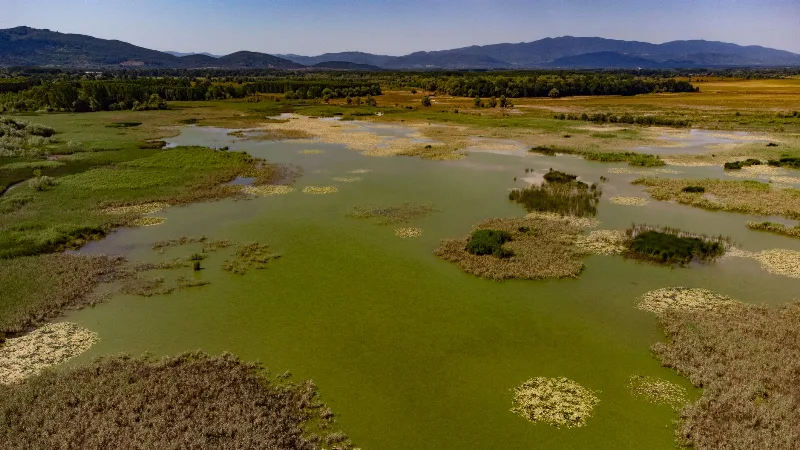
Lake Kuş, also called Lake Manyas, is a shallow freshwater lake in Balıkesir Province, northwestern Türkiye, protected as a national park and recognised as one of the country's key wetland bird areas.
Bandırma
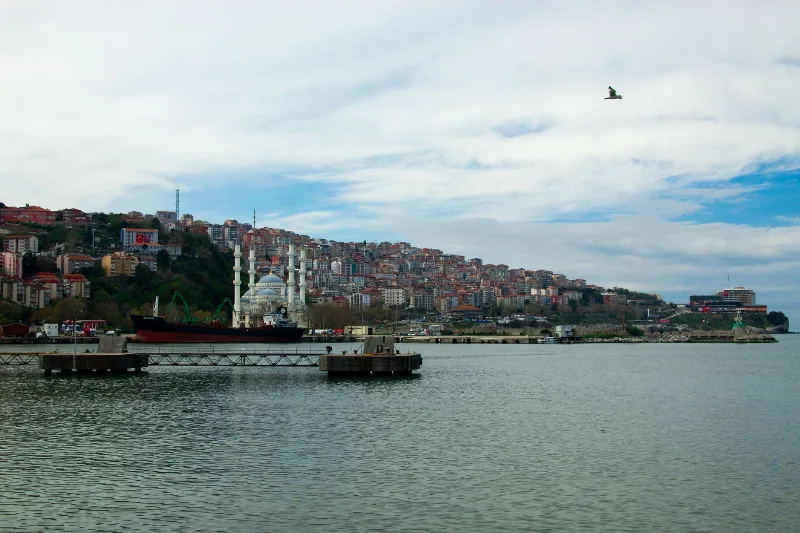
Bandırma is a port and industrial district of Balıkesir Province on the Sea of Marmara, linked to Istanbul by ferry and positioned near Kuşcenneti National Park. Its identity is shaped by maritime trade, transport and the wetlands of the surrounding region.
Bird Migration at Lake Uluabat, Bursa
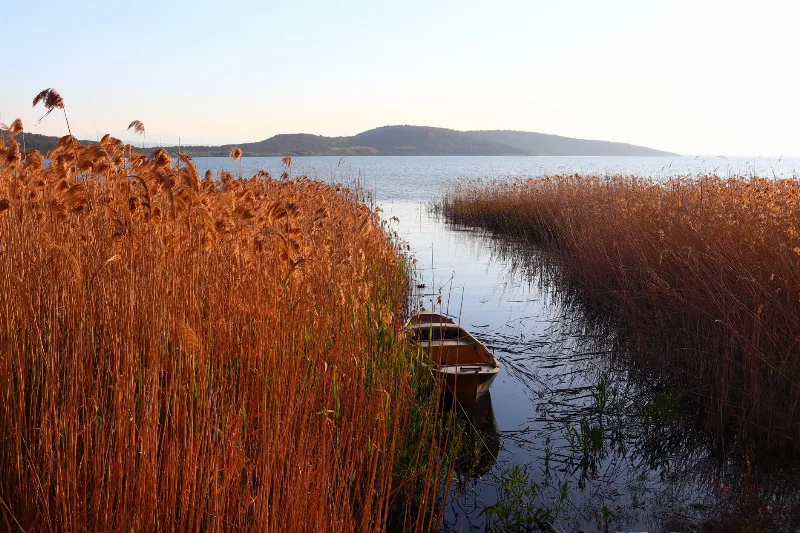
Lake Uluabat in Bursa province functions as a major seasonal stopover for waterbirds, with two distinct passage windows in spring and autumn. The shallow, reed-fringed water and its Ramsar status explain why timing is central to what a visitor sees.
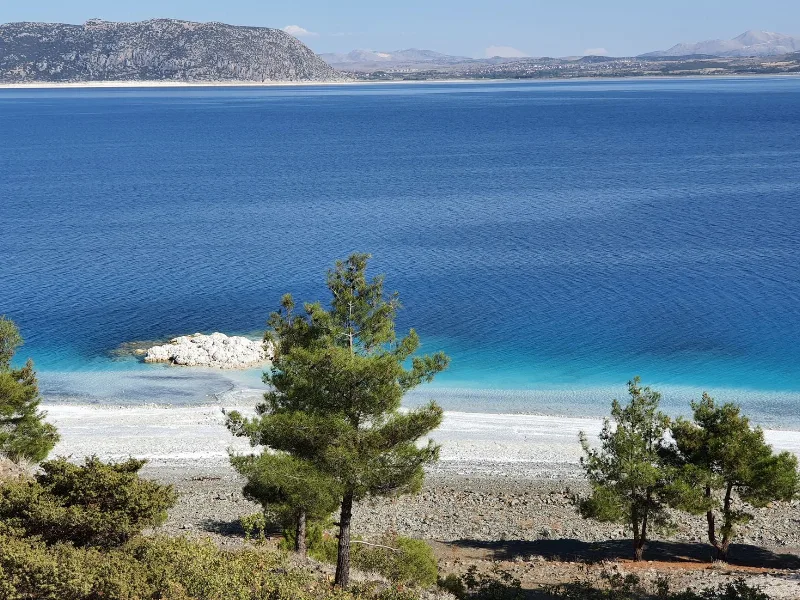
The Serene Lakes of Türkiye
Türkiye’s lakes range from vast soda lakes to salt flats and freshwater basins, each offering calm landscapes and rich wildlife. This page introduces notable lakes across different regions and their seasonal character.
Bird Migration at Lake Burdur, Burdur
Lake Burdur’s alkaline waters draw migratory waterbirds in spring and autumn, when flamingos and white-headed ducks are among the species associated with the lake. Timing shifts with weather, so the season is best understood as a moving window rather than a fixed date.
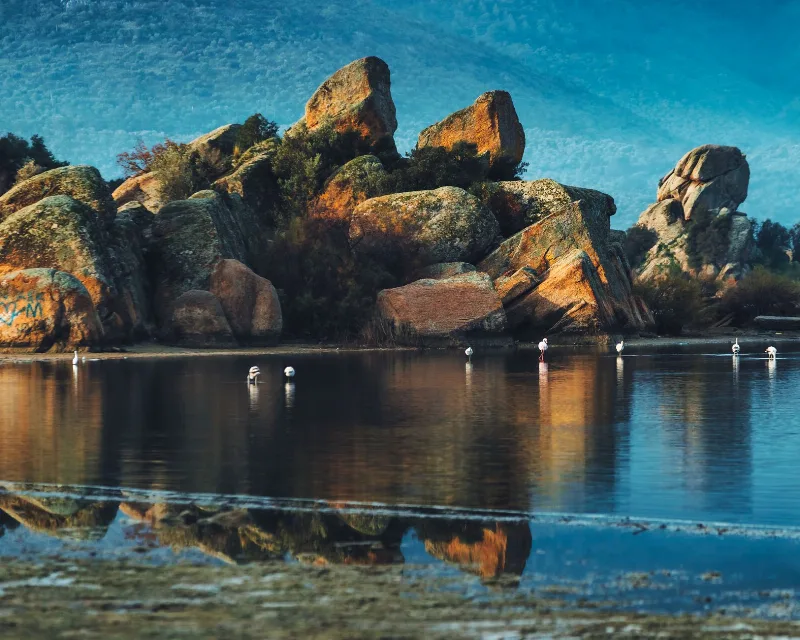
Bird Migration in Lake Bafa, Muğla
Lake Bafa in Muğla sits on a major bird route, and its shallow brackish water fills with migrating and wintering waterbirds during the spring and autumn passages. Timing shifts each year with water levels and weather, which is why the lake is worth visiting across a window rather than on a fixed date.