
Bird Migration in Lake Bafa, Muğla
Lake Bafa in Muğla sits on a major bird route, and its shallow brackish water fills with migrating and wintering waterbirds during the spring and autumn passages. Timing shifts each year with water levels and weather, which is why the lake is worth visiting across a window rather than on a fixed date.
Lake Bafa, a brackish lake in the Milas district of Muğla province, is one of the places in southwestern Türkiye where bird migration is visible as a seasonal event rather than a background detail. The passages normally happen twice a year: a spring movement that typically builds from March and continues into May, and an autumn passage that generally begins in late summer and extends into November. The exact peak is never fixed. What makes the period distinctive is that the lake sits close to the Aegean coast on a route used by waterbirds moving between African wintering grounds and European and Central Asian breeding areas, so a shallow, food-rich lake becomes a temporary stopover and, for some species, a winter home.
Where the Lake Sits and Why Birds Use It
Lake Bafa lies inland from the Aegean, separated from the sea by the alluvial plain built up by the Büyük Menderes River. Its water is slightly saline, its depth is modest, and its shoreline shifts through the year. Those characteristics matter for birds. Shallow edges, mudflats, reed belts and open water occur side by side, which suits species that feed in different ways — dabbling ducks and flamingos in the shallows, cormorants and grebes in open water, herons and egrets along the margins, and waders on exposed mud when levels drop.
The lake and its surroundings are protected as a nature park, and the wider basin includes the Latmos hills, rocky slopes and olive groves that frame the water. The combination of open water, marsh and surrounding dry hills is what makes the site usable by such a mixed group of birds.
The Spring Passage
Spring is the more compressed of the two movements. Waterbirds that spent the winter in Africa or the eastern Mediterranean move north, and Lake Bafa functions as a resting and feeding point before they continue toward breeding areas. In a typical year, the first noticeable increase comes in March, with activity generally continuing through April and often into the first half of May.
Spring is also when the lake is usually at a healthier level, following winter rain. Reeds are green and growing, insects and other invertebrate food are more available, and birds are feeding intensively. Some species remain to breed on the lake, so spring visits can combine passing migrants with birds already settled on nests in the reeds.
The Autumn Passage and the Wintering Flocks
Autumn is longer and less sharply defined. Southbound movement often starts around late August and builds through September and October, with birds still passing into November depending on weather. Because the lake also holds waterbirds through the winter, the autumn passage gradually turns into a wintering season rather than ending at a clear point.
This is the period when the lake's best-known residents become obvious. Flamingos are the species most associated with Bafa, and they are usually present in the colder months, feeding in the shallows in loose groups. Great cormorants, great white pelicans, various herons, egrets and spoonbills, along with ducks and gulls, are also typical of the lake in this season. Numbers vary considerably from year to year and are tied to water conditions.
Why the Timing Shifts Every Year
Migration dates at Lake Bafa are not calendar events. They depend on weather systems along the wider flyway, on wind direction, and on conditions at sites further north or south. A cold snap or a strong northerly wind can hold birds back or push them on within days. At the lake itself, water level is the other decisive factor. After a wet winter the lake can be full and the margins flooded; after a dry winter and a hot summer, drawdown exposes broad mudflats that attract waders but reduce the shallow water flamingos prefer.
Rainfall in the Büyük Menderes basin therefore shapes not only how many birds appear but also where along the shore they can be seen. Anyone planning around a fixed peak is likely to be disappointed; planning around a window of several weeks is more realistic.
What a Visitor Can Realistically Expect to See
A visit in spring or autumn rarely produces a single dramatic spectacle. What it produces is variety: birds moving across open water, feeding groups in the shallows, flights of cormorants crossing the lake, and waders working the exposed edges. On quiet mornings, with still water and good light, it is possible to watch feeding behaviour at close range from the shore, especially where the road and tracks run near the water.
The lake is large, and birds distribute themselves unevenly. Some days the northern and eastern shores are busy; on others the activity is concentrated elsewhere. Patience and slow scanning with binoculars generally produce more than a quick drive around the perimeter.
Practical Conditions Around the Water
Spring mornings can be cool and the shoreline muddy after rain, while midday heat arrives early by late spring. Autumn is generally milder, but wind can be strong on open sections of the lake and the light fades early as the season advances. Summer is hot and dry, water levels fall, and bird activity is lower, which is why the migration windows rather than midsummer are the relevant periods.
There are archaeological remains along the shore, including the ancient city of Heraclea near Kapıkırı, and paths in the surrounding hills. The lake is also within reach of Miletos ruins, Priene and Didyma, all in the same part of the Aegean hinterland, so a birdwatching morning can be paired with historical sites without much extra travel.
Birdwatching Without Disturbing the Lake
Because the lake is a protected area and a working part of the landscape, observation from tracks and shorelines works better than approaching the water through reed beds. Keeping distance from feeding groups, avoiding playback and staying on established paths protects the very conditions that make the passages worth watching. In spring, when birds are nesting in the reeds, that restraint matters most.
EXPLORE BY THEME
All themes →

Related content
Lake Bafa
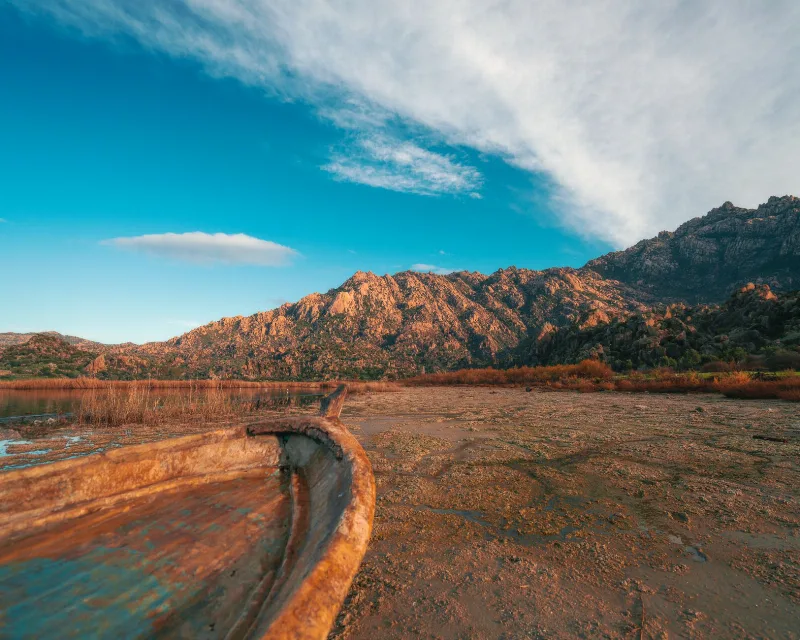
Lake Bafa is a brackish lake in southwestern Türkiye, shared between the provinces of Muğla and Aydın. It is the surviving remnant of an ancient Aegean inlet, now enclosed by farmland, the granite slopes of the Beşparmak Mountains and scattered ruins of harbour towns that once stood on open sea.
Muğla
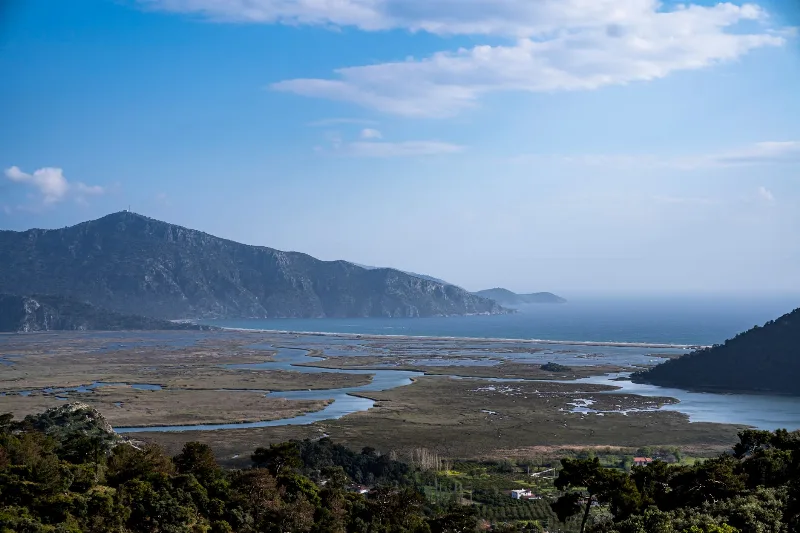
Muğla is a captivating province in southwestern Türkiye, renowned for its stunning Aegean coastline and rich cultural heritage.
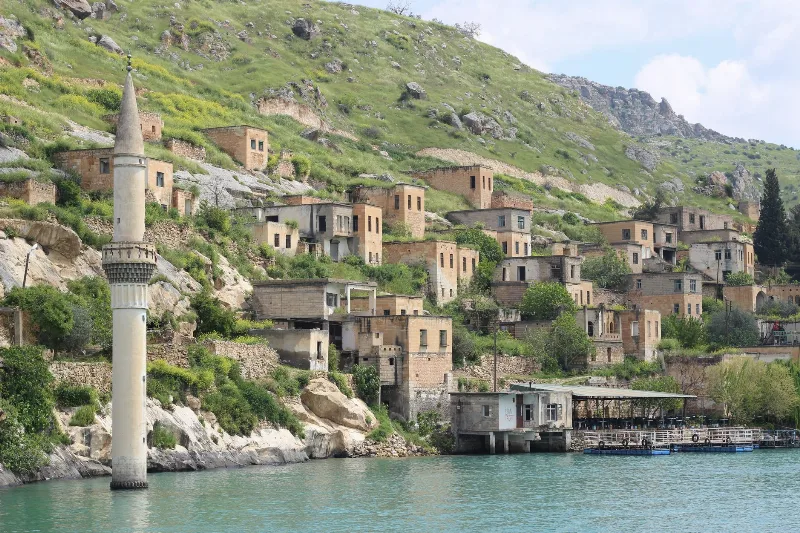
Kapıkırı
Kapıkırı is a small lakeside village in Milas, Muğla, built directly over the ancient city of Herakleia ad Latmum on the southern shore of Lake Bafa. Ancient walls, cut stones and shoreline ruins are woven into the settlement, with the Latmus mountains rising immediately behind it.
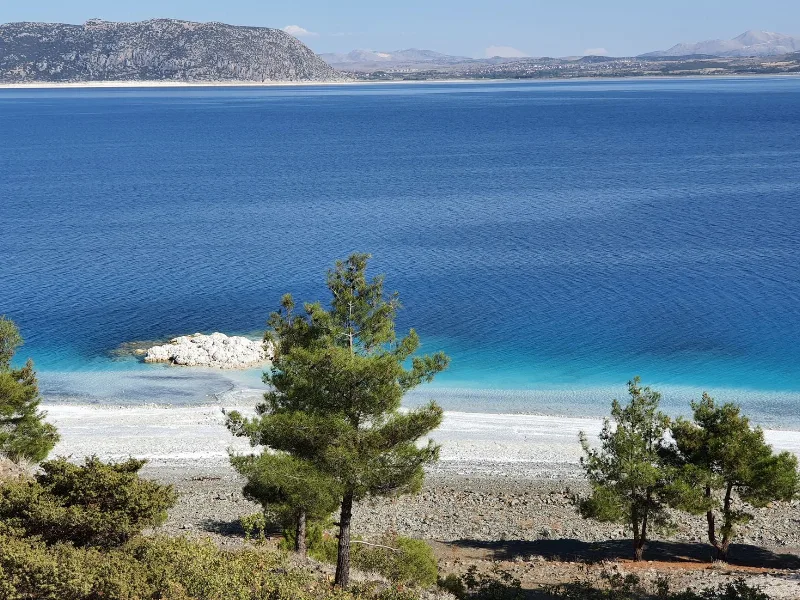
The Serene Lakes of Türkiye
Türkiye’s lakes range from vast soda lakes to salt flats and freshwater basins, each offering calm landscapes and rich wildlife. This page introduces notable lakes across different regions and their seasonal character.
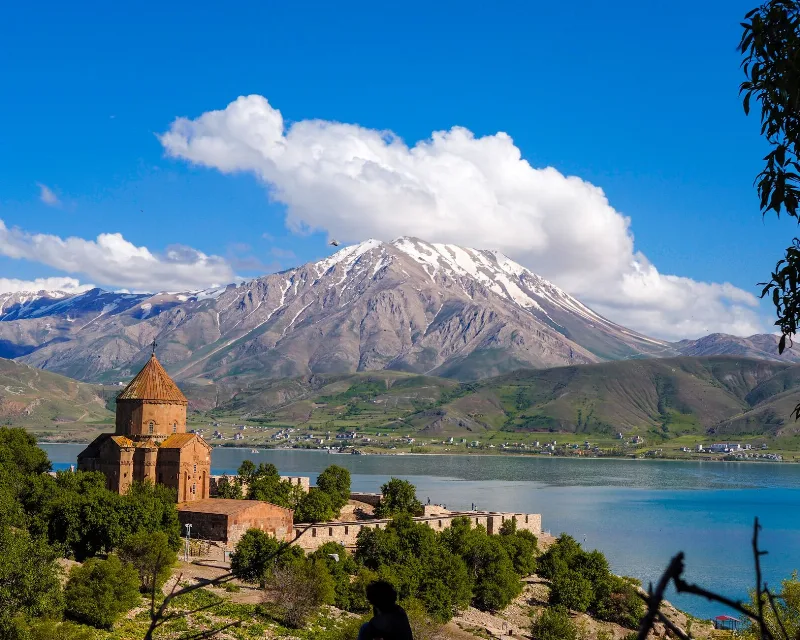
Lakes and Natural Beauty in Türkiye
A journey through the lakes of Türkiye, from the wide soda waters of Lake Van to forest pools in Bolu, salt flats on the Central Anatolian plateau and reed beds full of birds.
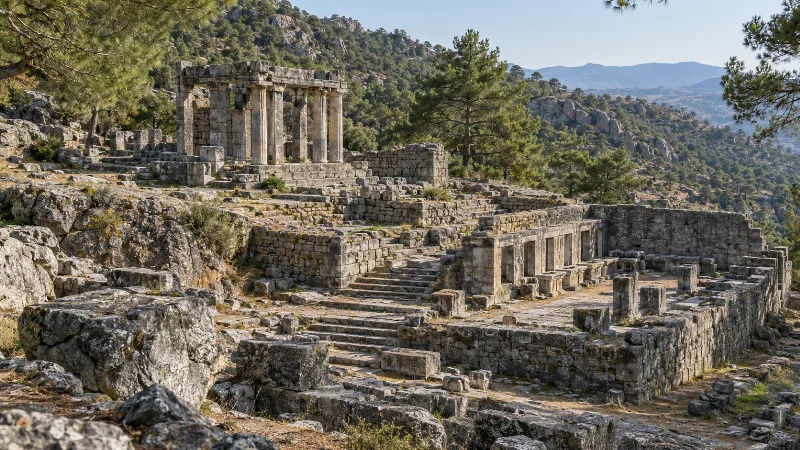
Labranda: The Ancient Carian Sanctuary of Zeus Labraundos
Labranda is an ancient Carian sanctuary of Zeus Labraundos in the hills north-east of Milas, Muğla Province, whose temples, banqueting halls and processional way were largely built in the 4th century BC under the Hekatomnid dynasty.