
Labranda: The Ancient Carian Sanctuary of Zeus Labraundos
Labranda is an ancient Carian sanctuary of Zeus Labraundos in the hills north-east of Milas, Muğla Province, whose temples, banqueting halls and processional way were largely built in the 4th century BC under the Hekatomnid dynasty.
Labranda, frequently spelled Labraunda, is an ancient Carian sanctuary in the mountains north-east of Milas (ancient Mylasa) in Muğla Province, south-western Türkiye. It was the sacred centre of Zeus Labraundos, the local god who was worshipped here for centuries and who is shown on Carian coins holding a double-bladed axe. Most of the monuments that survive today were commissioned in the 4th century BC by the Hekatomnid family, the dynasty that produced Mausolus, the builder of the Mausoleum of Halicarnassus. Because the site preserves a terraced sanctuary with temples, banqueting halls, monumental gateways and a paved processional road in a single archaeological landscape, it is one of the best-documented religious complexes of ancient Caria. Labranda appears on Türkiye's Tentative List for UNESCO World Heritage.
The Cult of Zeus Labraundos
The sanctuary belonged to Mylasa, and its god was a Carian deity whom Greek writers identified with Zeus. He is represented with a spear in one hand and a labrys, the double-bladed axe, in the other, and this weapon became the emblem of his cult. The epithet Labraundos is generally connected with the axe itself, although the exact origin of the word is debated among scholars and should not be treated as settled. The sanctuary was the religious heart of the Mylasan community: sacrifices, processions and festivals, including games, were held here, and inscriptions found on the site record dedications, decrees and the privileges granted to the sanctuary. Zeus Labraundos was not simply a local curiosity; his cult was respected enough that Carian cities and rulers sought to be associated with it.
Setting, Springs and the Sacred Way
Labranda occupies a terraced slope at roughly 600 metres above sea level, in the pine-covered hills that rise above the plain of Mylasa. The choice of location was not arbitrary. A strong spring rises at the site, and spring water was essential to the rituals of a sanctuary that hosted large gatherings; the elaborate Spring House built over it is one of the most distinctive structures on the terrace. The sanctuary was connected to Mylasa by a paved processional road, the Sacred Way, which ran for several kilometres through the hills. In the 4th century BC the road was paved in stone by order of the Hekatomnid rulers, and stretches of it, together with retaining walls and sections of steps cut into the rock, can still be traced in the landscape around the sanctuary. The Sacred Way gave the cult an architectural setting: the approach to the sanctuary was itself a monumental experience rather than a simple track.
The Hekatomnid Building Programme
The Hekatomnids were a Carian dynasty that ruled as satraps under the Achaemenid Persian empire and later as kings. Hekatomnos, Mausolus, Artemisia, Idrieus and Ada all had connections with Labranda, and between roughly 370 and 340 BC they transformed the sanctuary into a planned complex of marble buildings. Mausolus is credited with the East Propylon and the banqueting hall known as the Andron of Maussollos, while Idrieus built the Andron of Idrieus and the Spring House, and probably the South Propylon. The temple of Zeus itself was rebuilt or enlarged in this period over the remains of an earlier sanctuary. This building programme was partly a display of dynastic piety towards an ancestral Carian god, and partly a statement of power in a region where the Hekatomnids were reshaping the cities under their control.
The Main Monuments Surviving Today
The Temple of Zeus Labraundos
The temple stood at the centre of the sanctuary terrace. It was a peripteral building in the Ionic order, generally dated to the 4th century BC, erected above the remains of earlier structures. Its superstructure has largely disappeared, but the platform, parts of the stepped base, column bases and fragments of the entablature survive, and together they allow the plan of the building to be read on the ground. Immediately beside it stood the oikoi, long cult buildings that probably served for the storage of dedications, ritual dining or the accommodation of officials connected with the sanctuary.
The Andrones of Mausolus and Idrieus
The two andrones are the most impressive standing remains at Labranda. These were banqueting halls for ceremonial feasts, each provided with a columned porch and a marble facade, and each capable of holding a restricted number of diners reclining on couches. The Andron of Maussollos is the larger and earlier of the two; the Andron of Idrieus was added a little later. Excavation and careful anastylosis have re-erected columns and parts of the porches, so that the height and proportions of the halls can be appreciated rather than merely imagined from foundations.
The Propylaia
The East Propylon, attributed to Mausolus, was the monumental entrance to the sanctuary, with a broad marble stairway and columns framing the passage. The South Propylon served a similar purpose on another side of the terrace and is usually linked to Idrieus. Both gateways controlled and dramatised movement through the sanctuary, guiding visitors between the different levels of the complex.
The Spring House
The Spring House is a vaulted structure built over the source of the sanctuary's water, with a channel that still carries a flow of water through the building. Its construction is associated with Idrieus. The combination of practical water management with a monumental facade makes it one of the clearest expressions of how the sanctuary combined ritual, engineering and display.
The Stadium and the Festival Grounds
North of the sanctuary terrace lies a stadium, defined by rows of stone benches set into the slope, which accommodated spectators at the games held in honour of the god. Its construction is generally associated with the great period of the sanctuary, although the dating of the structure has been debated. Together with the Sacred Way and the terraces, the stadium shows that Labranda was not only a place of sacrifice but also a gathering place for large numbers of people at festival time.
Hellenistic, Roman and Byzantine Phases
After the end of Hekatomnid rule, the sanctuary continued to function. The cult of Zeus Labraundos remained alive through the Hellenistic period and into Roman times, when the site seems to have been maintained and modestly repaired. In late antiquity the old religion was abandoned, and the sanctuary was gradually transformed. A basilica church was built using the terrace and earlier building material, and the settlement connected with it was small. Eventually the site was deserted, and its ruins were quarried for stone by the villages of the surrounding hills. This long sequence, from Carian sanctuary to Christian church to abandoned ruin, is one of the reasons the site is archaeologically important.
Excavation and Research
Systematic excavation began in 1948 under the Swedish archaeologist Axel W. Persson, and Swedish teams have worked at Labranda for decades since, with Pontus Hellström among the scholars who directed the project for many years. The excavations have recovered temple architecture, inscriptions, sculpture and pottery that document the sanctuary's history from the Archaic period onwards, and the restoration work on the andrones has made the site far more legible for visitors. Because a large part of the sanctuary has been excavated and published, Labranda is a key reference point for the study of Carian religion and Hekatomnid architecture.
Visiting Labranda
The site is reached by a mountain road from the Milas area, and there is no regular public transport to the sanctuary, so most visitors arrive by car. The walk through the site follows uneven stone paths, terraces and slopes, with some steps and loose surfaces; sturdy footwear and water are advisable. The sanctuary lies among pines and olive groves, and the light in the middle of the day in summer is intense, so spring and autumn are the most comfortable seasons for a visit, while winter can bring rain and slippery surfaces. Because the ruins are spread over several levels, a visit takes time if the temple platform, the two andrones, the propylaia, the Spring House and the stadium are all to be seen.
Related Historic Sites in the Region
Labranda is closely linked with Milas, the ancient Mylasa, which was the city that controlled the sanctuary and which preserves its own monuments, including the remains associated with the Hekatomnid family and the nearby fortress of Beçin. Other ancient sites in the same part of Muğla Province include Euromos, with its temple of Zeus, and Iasos on the coast, while the ruins of Herakleia at Latmos and the landscape around Lake Bafa lie further north. Together with Labranda, these places give a picture of Carian and later Greek, Roman and Byzantine settlement in the interior of the Bodrum peninsula and the Milas plain.
Routes
All routes →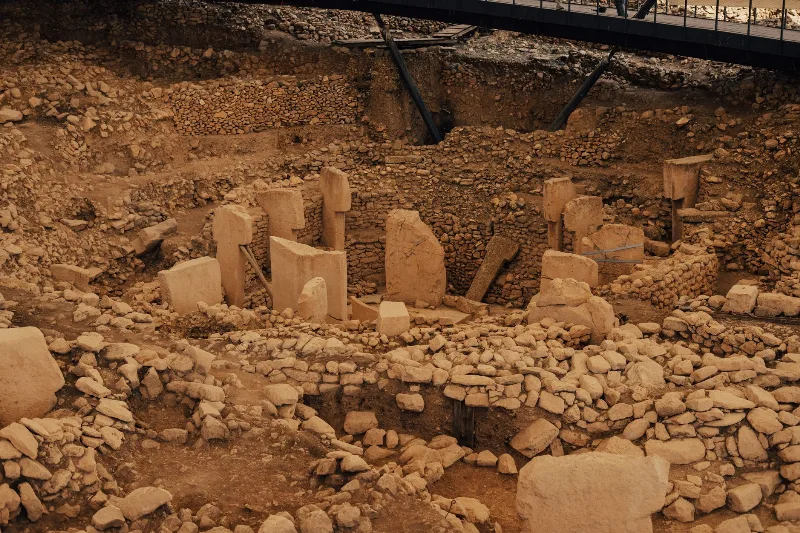
4-Day Southeastern Anatolia Route: Gaziantep to Mardin via Şanlıurfa
A four-day linear route across Southeastern Anatolia, linking the historic cities of Gaziantep, Şanlıurfa and Mardin by road, with the Neolithic site of Göbeklitepe and the ancient settlement of Harran fitted into the middle of the journey.
Explore →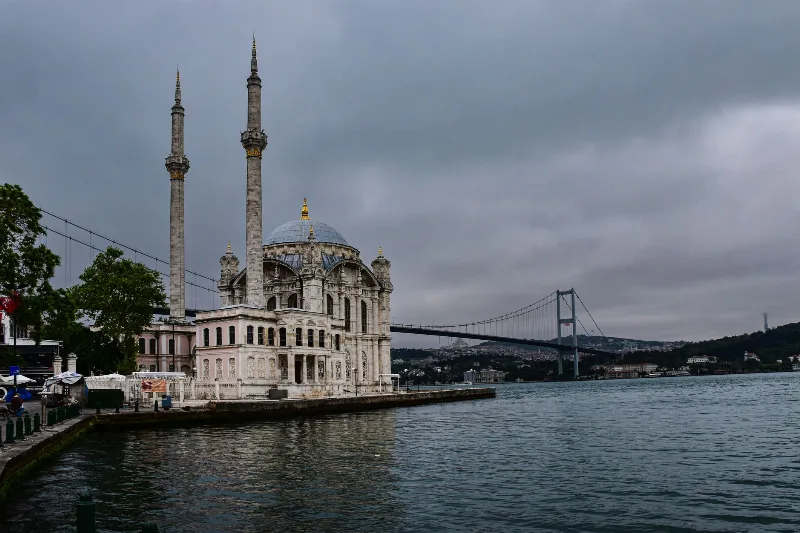
2-Day Istanbul Bosphorus Route
A two-day Bosphorus route that starts on Istanbul's European shore at Ortaköy and Bebek, includes a ferry cruise up the strait, then crosses to the Asian side for Kadıköy and Üsküdar.
Explore →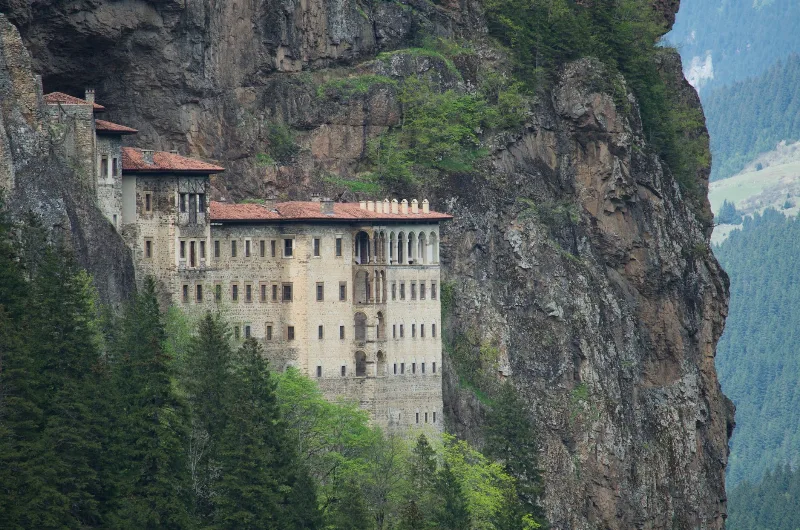
7-Day Eastern Black Sea Highlands Route: Trabzon to Artvin
A seven-day driving route through the Eastern Black Sea highlands, from Trabzon and Sumela to Uzungöl, Ayder, the Kaçkar Mountains and the forests of Şavşat, ending at Artvin.
Explore →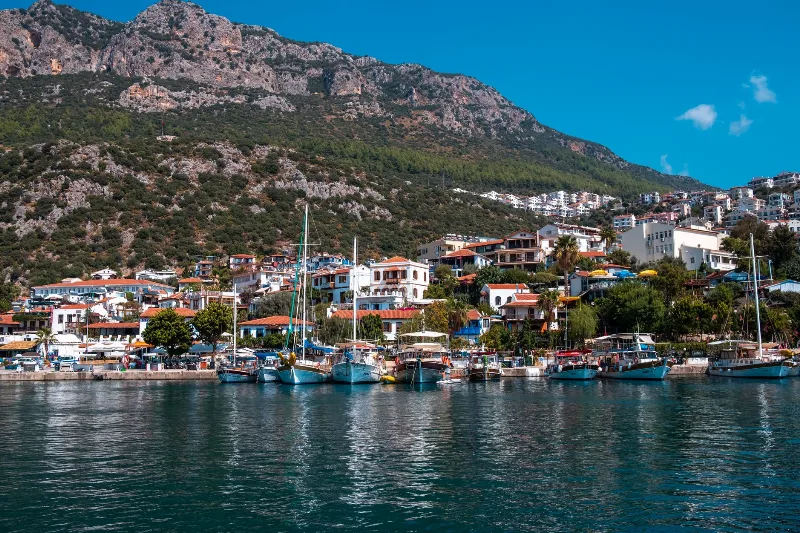
5-Day Antalya to Fethiye Coastal Route
A five-day driving itinerary along Turkey's Mediterranean shore, linking Antalya, Phaselis, Olympos, Demre, Kekova, Kaş, Kalkan, Patara and Fethiye. The route is linear, coastal for most of its length, with short inland detours to Lycian ruins.
Explore →Related content
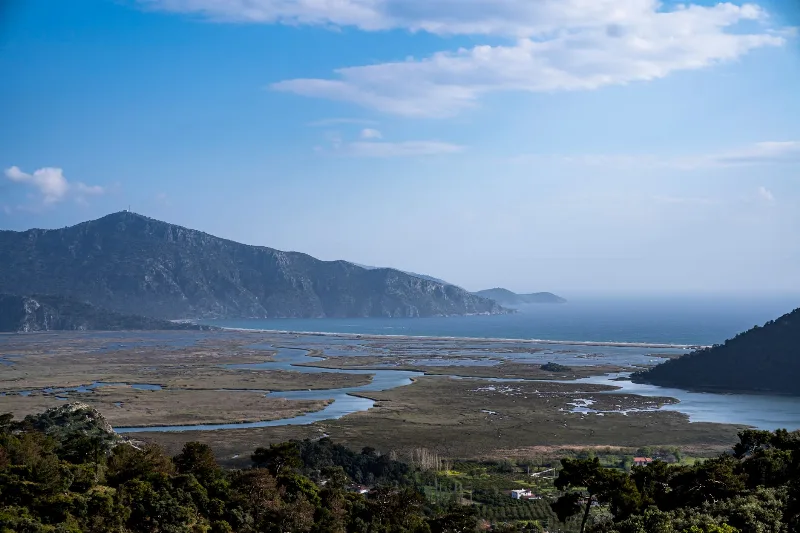
Muğla
Muğla is a captivating province in southwestern Türkiye, renowned for its stunning Aegean coastline and rich cultural heritage.
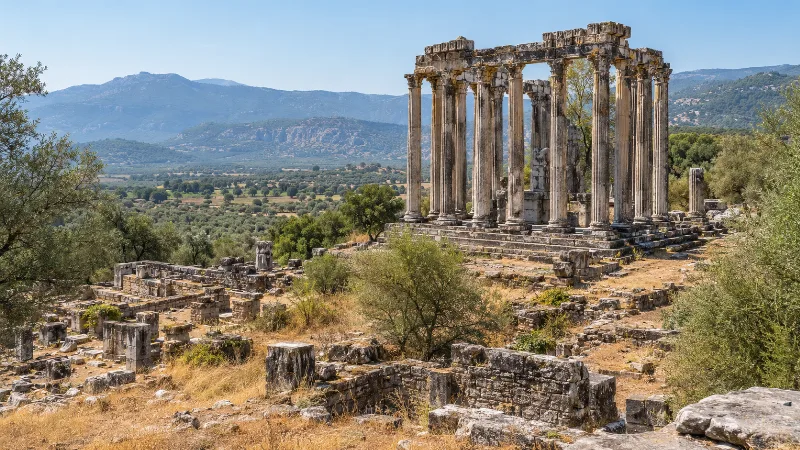
Euromos
Euromos is an ancient Carian city in Muğla Province, Türkiye, whose standing Temple of Zeus Lepsynos is among the best-preserved Roman-period temples in the country. Its theatre, agora, bath and city walls survive on a low hill above the Milas plain.
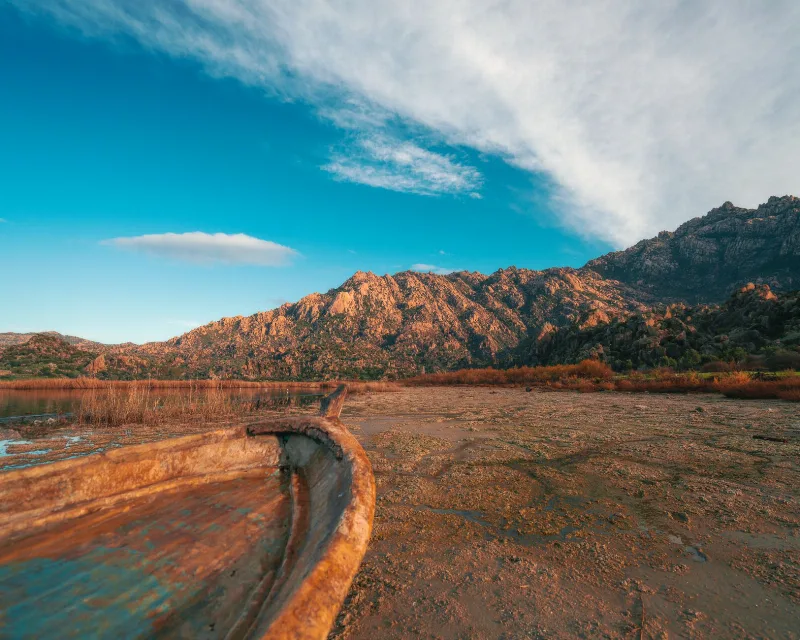
Lake Bafa
Lake Bafa is a brackish lake in southwestern Türkiye, shared between the provinces of Muğla and Aydın. It is the surviving remnant of an ancient Aegean inlet, now enclosed by farmland, the granite slopes of the Beşparmak Mountains and scattered ruins of harbour towns that once stood on open sea.
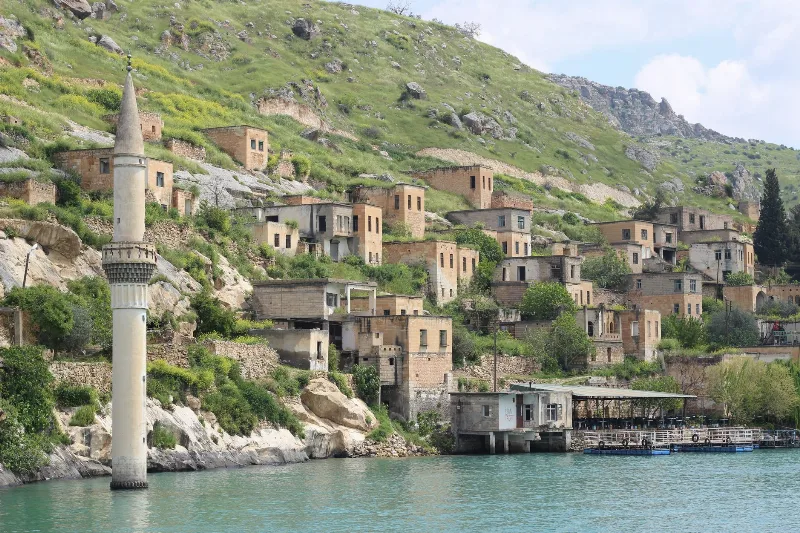
Kapıkırı
Kapıkırı is a small lakeside village in Milas, Muğla, built directly over the ancient city of Herakleia ad Latmum on the southern shore of Lake Bafa. Ancient walls, cut stones and shoreline ruins are woven into the settlement, with the Latmus mountains rising immediately behind it.
Kaunos
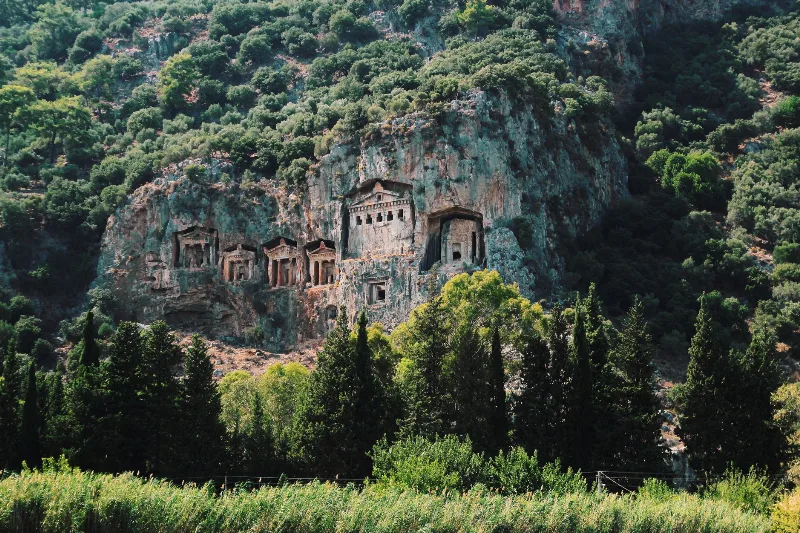
Kaunos is an ancient Carian city on the Dalyan River in Muğla Province, known for its temple-style rock-cut tombs and the extensive ruins of a harbour that silted up centuries ago.
Pergamon
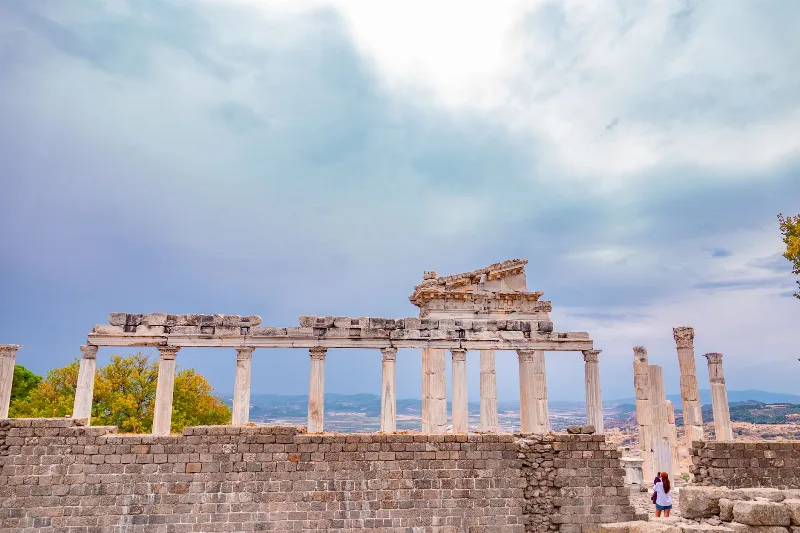
Pergamon is an ancient Greek city in Aeolis, today the modern town of Bergama in İzmir Province, Türkiye. Its acropolis, library and Great Altar of Zeus, together with the Asclepion healing sanctuary, form one of the most important archaeological settings in the eastern Mediterranean.