
Hazelnut Harvest in Ordu
Every August, the hazelnut orchards around Ordu in Turkey's Black Sea region reach maturity, setting off one of the country's most important agricultural seasons. The timing depends heavily on weather, altitude and rainfall that year.
Each year, as summer begins to soften along Turkey's eastern Black Sea coast, the hazelnut orchards around Ordu fill with activity. The hazelnut harvest in Ordu generally takes place in August, when the nuts reach maturity and are ready to be collected from the trees. Ordu is widely recognised as the world's largest hazelnut-producing province, and this short but intense period shapes the local economy, the landscape and the rhythm of daily life across the region. Because the season depends on the weather, the exact start and finish shift a little every year, but the broad window remains remarkably consistent.
Where the Hazelnut Harvest Happens
Ordu sits on the Black Sea coast of northern Turkey, and hazelnut groves spread across the slopes and valleys that rise inland from the sea. The orchards are not confined to a single district. They appear around the provincial centre of Altınordu and continue through coastal and inland districts such as Ünye, Fatsa, Perşembe, Gülyalı, İkizce, Çaybaşı, Kumru and Korgan, as well as higher settlements further from the shore. The growing area also extends eastwards into neighbouring Giresun, so the harvest is a regional phenomenon rather than a single-town event.
Elevation matters here. Groves close to sea level on gentle slopes tend to ripen earlier, while orchards on higher ground inland mature later. This difference means the harvest does not begin everywhere at once, and it can stretch across several weeks as the picking moves from lower to higher ground.
Why the Black Sea Climate Defines the Season
The Black Sea climate is mild, humid and often cloudy, with regular rainfall spread through the year and relatively few days of extreme summer heat. These conditions suit hazelnuts well, but they also influence when the nuts ripen and how easily they can be dried. Warmth without scorching heat allows the kernels to fill and the husks to mature gradually.
Humidity is the other key factor. High moisture in the air can slow the drying process after picking, and wet spells during August may interrupt work in the orchards. Clear, sunny days are valued not only for harvesting but for the drying stage that follows, which is just as important as the picking itself.
When the Season Normally Begins
The main harvest usually starts in August. In warmer years, some early orchards may be picked in late July, while a cool or unusually wet season can push the start later into August. Higher-altitude groves are typically gathered after the lower ones, so activity can continue into September in some areas.
It is important to treat these timings as a normal seasonal window rather than fixed dates. Growers often judge readiness by the condition of the husk and the nut itself, not by the calendar alone, which is why the harvest never starts on exactly the same day two years in a row.
What Happens During the Harvest
Hazelnuts are gathered by hand, either from the branches or from the ground beneath the trees. Once collected, the nuts are separated from their green outer husks, a task usually done close to the orchard. The shelled nuts are then spread out to dry, commonly on nets, tarpaulins or drying floors, where they are turned and left in the sun for days depending on the weather.
This drying stage is central to the season. If rain arrives during the drying period, the nuts may need to be covered or moved, and prolonged damp conditions can affect quality. After drying, the crop moves on to buyers, cooperatives and traders, and the roads and village squares of the region become noticeably busier.
The Landscape During August
Through the harvest, the hillsides around Ordu remain deep green, with hazelnut orchards forming a continuous texture across the slopes. Under the trees, the ground is cleared and worked, and the season leaves a visible mark on the scenery: nets and drying hazelnuts appear along roadsides, in gardens and on flat patches of ground near farms. The coastal atmosphere is often hazy and humid, with mist on some mornings and warm, close conditions on many afternoons.
How Weather Changes the Timing
Every year is slightly different. A warm, dry summer tends to bring the harvest forward and make drying straightforward. A cooler or rainier summer can delay ripening and complicate the drying stage, which may extend the overall season. Because of this, anyone hoping to see the harvest in full swing should think in terms of a window across late July, August and early September, and accept that the exact peak varies with the conditions of that particular year.
What Visitors Can Realistically Observe
The hazelnut season is a working agricultural period, not a staged event. Visitors travelling through Ordu in August can expect to see families and farm workers active in the orchards, nets and drying grounds in use, and a general atmosphere of busy rural activity. The orchards themselves are private working land, so observation is best done from public roads, viewpoints and open areas rather than by entering groves uninvited.
The experience is largely about the landscape and the rhythm of the season rather than any organised attraction. The value of visiting at this time lies in witnessing a genuine agricultural cycle in the place most closely associated with it.
Places Connected to the Same Season
Because the hazelnut belt runs along the eastern Black Sea coast, the season around Ordu is naturally linked with nearby Giresun to the east, where similar orchards and drying practices appear. Travelling between these areas during August offers a broader view of how the harvest shapes the region as a whole, rather than being limited to one town.
EXPLORE BY THEME
All themes →
Food
Regional dishes, desserts, local ingredients and culinary traditions across Türkiye.
Explore →
Routes
Road trips, coastal drives, cultural routes and scenic journeys across Türkiye.
Explore →
Seasonal Experiences
Harvests, festivals, natural seasons and local events throughout the year.
Explore →Related content

Ordu
Ordu is a Black Sea city in northern Türkiye and the centre of Ordu Province, built on a narrow coastal strip between the sea and the Pontic Mountains. It is best known for hazelnut production and for the panoramic views from Boztepe above the city.

Giresun
Giresun is a Black Sea coastal city in northeastern Türkiye, known across the country for its hazelnuts and for Giresun Island, the only inhabited island in the Black Sea.
Boztepe Paragliding and Hazelnut Orchards in Ordu
Boztepe is the green hill above Ordu on Turkey's Black Sea coast, where paragliders launch from a high viewpoint over a landscape of hazelnut orchards and open sea.
Ordu Hazelnuts
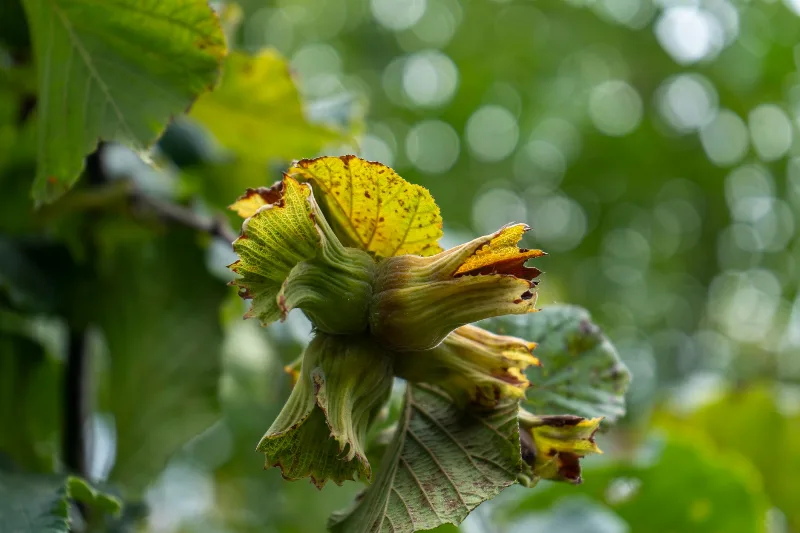
Ordu hazelnuts come from Türkiye's leading hazelnut province on the central Black Sea coast, where humid air, year-round rainfall and steep hillside orchards give the crop its distinctive character.
6-Day Central Black Sea Route
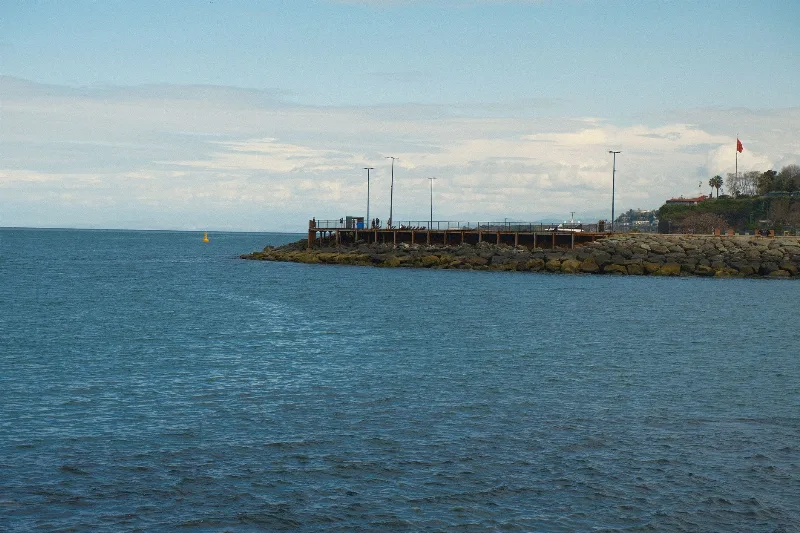
A six-day journey along Turkey's Central Black Sea coast from Samsun to Trabzon, visiting Ordu and Giresun with highland and beach stops.
5-Day Black Sea Coast Route
A five-day linear journey along Türkiye's central and eastern Black Sea coast, from Sinop to Trabzon, with an inland detour to Amasya and stops in Ordu and Giresun along the way.