
Pomegranate Harvest in Antalya
Antalya's pomegranate harvest typically runs from September into October, when orchards across the province fill with ripe, ruby-red fruit. The timing depends on summer heat, autumn rain and the variety being grown.
Between roughly September and October, the pomegranate orchards of Antalya province fill with ripe, deep red fruit. This Mediterranean stretch of southern Türkiye is one of the country's important pomegranate-growing areas, and the harvest window is short but intense: trees that have carried green fruit through the hot summer months are stripped over a period of a few weeks, and the juice pressed from the fresh crop becomes widely available in the towns and villages nearby. The period matters because pomegranates do not ripen after picking in the way some fruits do — flavour, colour and sugar content must be fully developed on the tree, so the harvest has to wait for the fruit itself, not for a calendar date.
Where the Harvest Happens
Pomegranate growing in Antalya is spread across the province rather than concentrated in a single valley. Orchards are found on the coastal plains and in the slightly higher inland basins, where the soils are well drained and the summers are long, hot and reliably dry. The crop sits alongside the region's better-known produce — citrus, bananas under plastic, greenhouse vegetables — but pomegranate trees are hardier and are often planted on marginal slopes and field edges where other crops struggle.
Because orchards are scattered, there is no single "harvest village" to visit. The most reliable way to see the season is to travel through the agricultural districts of the Antalya plain during the harvest weeks, where roadside stalls, small pressing stands and field activity make the season visible.
What Causes the Fruit to Ripen When It Does
The timing is driven by the region's climate. Antalya's summers are hot and almost rainless, and pomegranates respond well to that pattern: the fruit swells through the warm months while the skin stays firm and the interior develops its colour and sweetness. As summer fades, cooler nights and shorter days slow the tree's growth and push the fruit towards full maturity.
The signal growers watch for is not the calendar but the fruit itself. Ripeness is judged by size, by the change in skin colour from pale green-yellow to a deeper red or pink depending on the variety, by the metallic sound the fruit makes when tapped, and by taste. Because different varieties mature at different speeds — some earlier, some later — the harvest is not a single event but a rolling sequence across September and October.
What the Orchards Look Like During the Season
Pomegranate trees are small and bushy, with slender branches that bend under the weight of the crop. During the harvest period the canopy is largely bare of the leaves that will yellow and fall later, so the fruit hangs visibly, sometimes almost touching the ground on low-hanging branches. Rows of trees carry a mix of colours at the same moment: fruit still ripening, fruit at full colour, and empty branches where picking has already finished.
The wider landscape is transitional. The intense light and dry air of high summer give way to softer conditions, with the first autumn rain often arriving during or just after the picking period. Fields that were dusty in August may be damp by late October, and daytime temperatures become more comfortable for working outdoors.
How Weather Changes the Timing From Year to Year
Timing is never fixed. A hot, early summer can push ripening forward by a week or two; a cooler or cloudier season can delay it. Rain is the bigger variable. Heavy rain close to harvest can split the fruit, encourage rot and force growers to pick earlier than they would like, while a long dry autumn allows the crop to stay on the tree and finish ripening gradually. For this reason, the harvest may begin in early September in one year and later in the month in another, and it may finish before the end of October or stretch slightly beyond it. Anyone planning around the season should treat September and October as a window rather than two fixed dates, and should expect the exact peak to shift with the weather.
What Visitors Can Realistically See and Do
During the harvest weeks, visitors travelling through Antalya's agricultural districts can expect to see active picking in the orchards, fruit being sorted and loaded, and fresh pomegranate juice pressed and sold at roadside stands and local markets. Juice made from newly harvested fruit is a genuine part of the season, and the difference between it and juice from stored fruit is noticeable in colour and sharpness.
In some orchards, growers allow visitors to join in picking for a short time, though this depends entirely on the individual farm and on how busy the harvest is — it is not a scheduled attraction, and it should not be assumed. Practical conditions matter: orchard ground is often uneven, the fruit stains clothing, and September can still be hot while October may bring rain and mud. Sturdy shoes and sun protection are useful for most of the period.
Why the Season Carries Cultural Weight
In Turkish culture the pomegranate is a long-standing symbol of abundance and fertility, and it appears in decoration, food and seasonal customs well beyond the orchard. In Antalya the harvest period is one of the moments when that association is most visible: the fruit dominates local markets, appears in sweets, dressings and drinks, and is given as a gift. For a visitor, the season offers a straightforward way to understand how a Mediterranean growing calendar still shapes daily life in the province.
Practical Notes on Timing
- The main window is generally September and October, sometimes starting late August in warm years.
- Peak colour and sweetness usually arrive a few weeks into the window, not at the very start.
- Rain near harvest is the main reason picking is brought forward.
- Variety matters — early and late types overlap, which is why the season appears to last several weeks.
- Coastal areas are warmer and tend to run slightly ahead of higher inland orchards.
The harvest ends when the fruit is off the trees, not on a set date. Late October visitors may still find fruit, juice and market activity, but the visible picking in the orchards is usually over by then.
EXPLORE BY THEME
All themes →
Hidden Places
Less-known villages, coves, valleys, historic sites and natural areas across Türkiye.
Explore →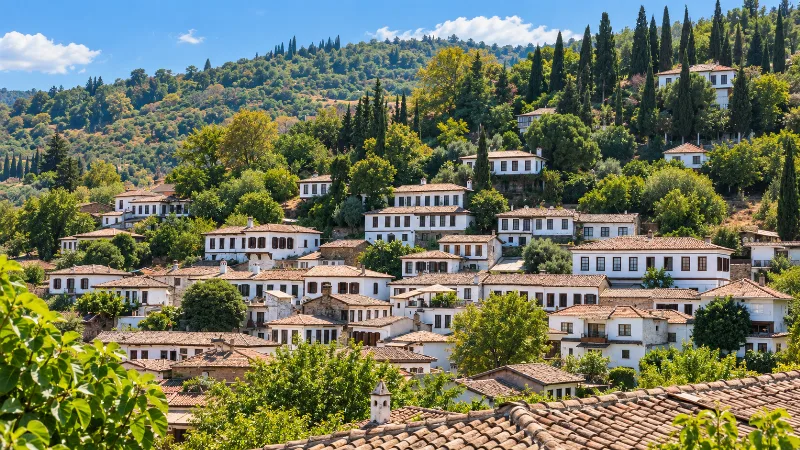
Villages
Small settlements, traditional architecture and rural landscapes across Türkiye.
Explore →
Food
Regional dishes, desserts, local ingredients and culinary traditions across Türkiye.
Explore →Related content

Antalya
Antalya offers a unique blend of vibrant history and stunning natural beauty, making it a must-visit destination in Türkiye.

6-Day Mediterranean Coast Route: Antalya to Marmaris
A six-day linear route along Türkiye's Mediterranean coast, linking Antalya, Olympos, Demre, Kekova, Kaş, Kalkan, Patara, Fethiye and Dalyan before finishing in Marmaris. It mixes ancient cities, long beaches and small harbour towns on a continuous westward drive.

Kale
A working agricultural town on Antalya's Lycian coast, Kale — now usually called Demre — contains the Roman city of Myra, its cliff-cut Lycian rock tombs, a Byzantine church linked to St. Nicholas and the ancient harbour of Andriake.
Mediterranean Region
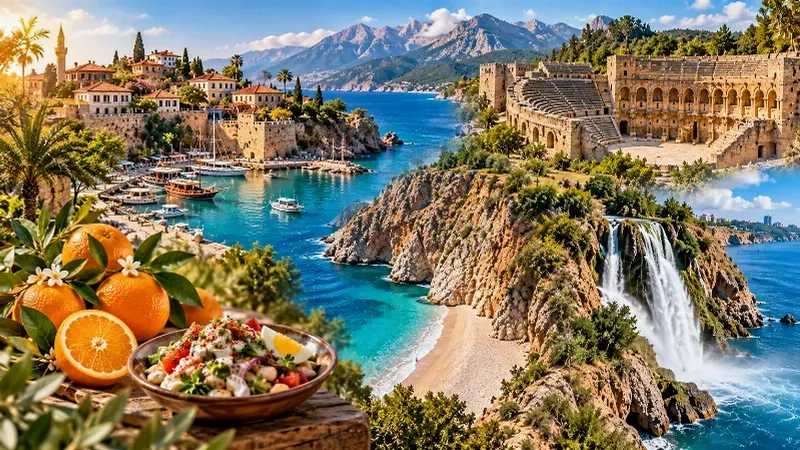
Türkiye's Mediterranean Region combines turquoise coastlines, dramatic mountains, ancient cities and fertile landscapes. From Antalya's beautiful beaches to the historic settlements of the eastern Mediterranean, the region offers a rich blend of natural scenery, cultural heritage and traditional local life.
Antalya Tomatoes
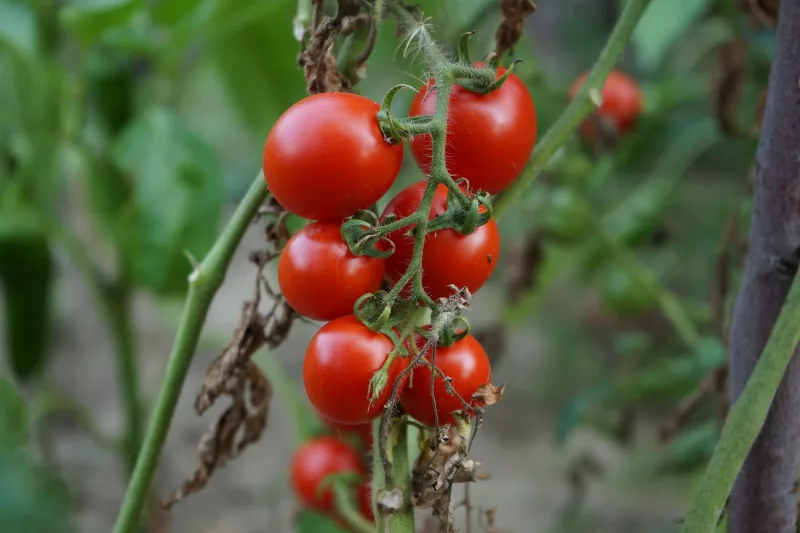
Antalya tomatoes are the greenhouse and field-grown tomatoes of Türkiye's Mediterranean coast, produced in a province whose mild winters and long sunny summers allow harvesting in almost every month of the year.

Çıralı
Çıralı is a small protected coastal settlement in Antalya Province, where a loggerhead turtle nesting beach meets the Lycian and Roman ruins of Olympos.