
Tortum Waterfall and Red Rock Canyon in Erzurum
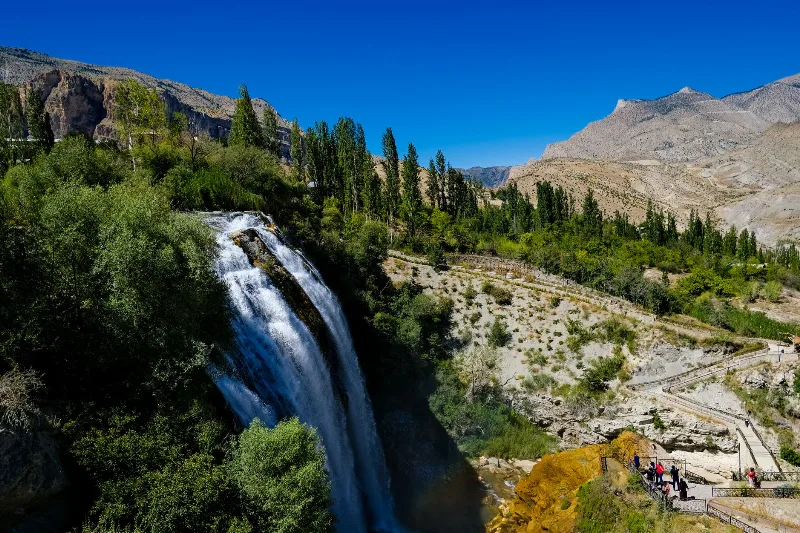
Fed by a landslide-dammed lake in Türkiye's northeastern highlands, Tortum Waterfall drops roughly 48 metres into a narrow canyon of reddish rock near the village of Uzundere in Erzurum province.
Tortum Waterfall lies in the Uzundere district of Erzurum province, in the far northeast of Türkiye, where the highlands begin to fold into the deep valleys that run towards the Çoruh basin. The waterfall is fed by water released from Lake Tortum, a long ribbon of water held back by an ancient landslide, and it plunges roughly 48 metres into a canyon whose walls are coloured in warm shades of rust, ochre and brick red. The combination of the falling water and the red rock canyon gives the site a character quite unlike the greener landscapes usually associated with the Black Sea hinterland.
Where Tortum Waterfall Sits
The falls are found a short distance from the main road that connects Erzurum with Artvin, about a hundred kilometres north of Erzurum city. The surrounding terrain is high — mostly above 1,000 metres — and the valley sides are steep, so the waterfall appears suddenly as the road bends towards the canyon rim. Above the falls, the water travels along the floor of the Tortum valley; below them, it continues through the gorge towards the Çoruh. Because the flow is regulated upstream, the volume of water changes through the year, and the falls look different from one season to the next.
How the Lake and the Waterfall Were Formed
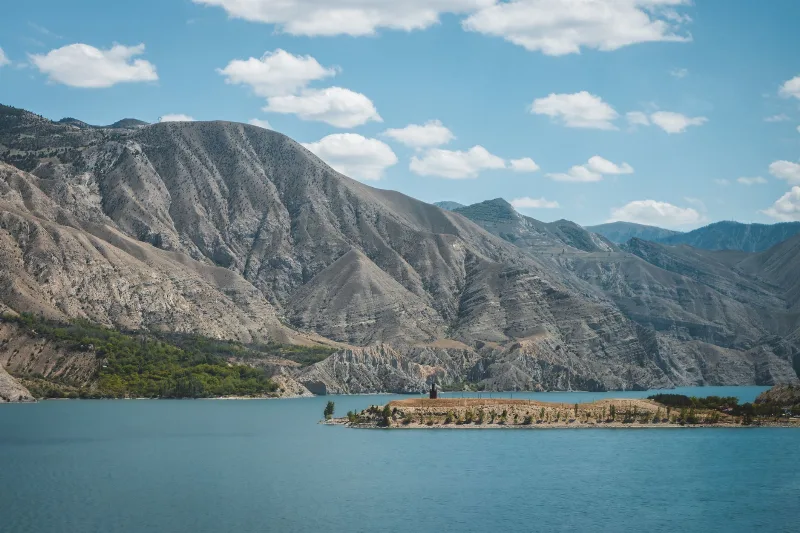
Lake Tortum was created when a massive landslide blocked the Tortum River, damming the valley and allowing water to gather behind the debris. The lake stretches for several kilometres along the valley floor, hemmed in by slopes of oak and pine. The waterfall itself is linked to this natural dam: the water is drawn from the lake and returned to the river bed at the canyon edge, where it drops in a broad curtain of white water. The geology of the site — landslide debris, layered sedimentary rock and the continuing work of the river — tells a story of a landscape that is still adjusting to a relatively recent earth movement.
The Red Rock Canyon beneath Tortum Waterfall
The canyon below the falls is the feature that many visitors remember most vividly. Its walls are built of reddish and brownish rock, weathered into ledges, buttresses and narrow side clefts where light shifts through the day. From the viewing terraces near the car park, the drop looks almost vertical, and spray rises from the pool at the base during periods of high flow. Pathways and steps lead to several vantage points, and a short walk along the rim gives views both of the falling water and of the wider gorge as it bends away downstream.
Vegetation and Wildlife in the Valley
The valley around Tortum is green for much of the year, thanks to moisture held in the gorge and the altitude, which keeps summers milder than on the surrounding plateau. Deciduous trees, poplars and shrubs line the watercourses, while conifers cover the higher slopes. The cliffs and ledges provide nesting places for birds of prey, and the quieter stretches of the lake attract waterfowl and wading birds. Trout have long been associated with the lake and its feeder streams, and fishing remains part of the local economy.
Heritage Nearby: Öşki Monastery and Village Life
A few kilometres from the falls, near the village of Çamlıyamaç, stands the monastery known as Öşki Vank, a Georgian Orthodox foundation dating from the tenth century. Its dome, arched windows and carved stonework survive in part, and the setting among orchards and fields adds context to a visit. Villages in the Uzundere district keep orchards of apple, pear and walnut, and the local kitchen leans on beans, bulgur, dairy produce and river fish. The falls and the monastery together make the valley a place where geology, architecture and rural life sit close together.
Experiencing the Falls Through the Seasons
Spring, when snow melts on the high ground, usually brings the strongest flow and the most dramatic spray. Summer offers easier walking and clearer views into the canyon, while autumn brings colour to the trees on the valley sides. In winter the water often freezes against the rock face, creating columns of ice within the red walls of the gorge. Whatever the season, the site rewards those who take time to walk the paths, look down into the canyon and consider the landslide that shaped the whole valley.
Related content
Tortum Waterfall
Tortum Waterfall in Erzurum Province is the outflow of Lake Tortum, a large landslide-dammed lake, and the drop marks where the lake spills over the natural barrier that formed it.
Erzurum
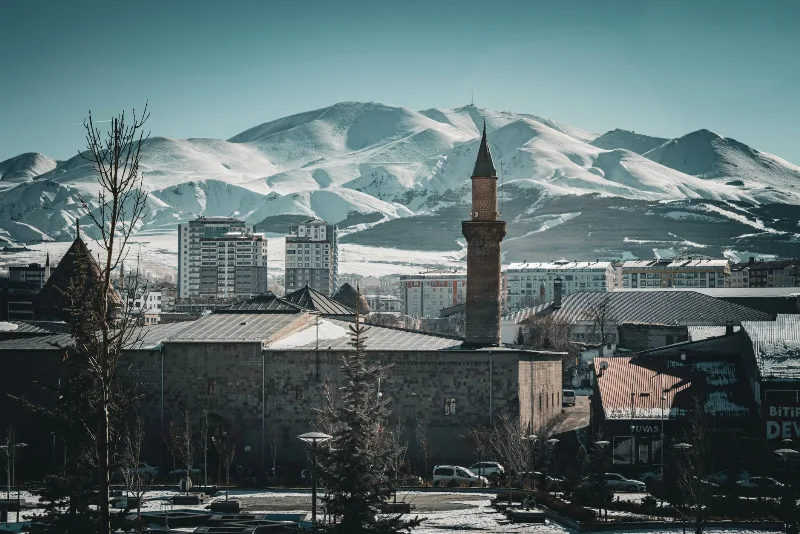
Erzurum is a high-plateau city in eastern Türkiye and the capital of its province, set at roughly 1,900 metres among mountains. It is known for severe winters, the long ski season on Palandöken and a historic centre of Seljuk and Ottoman monuments.
Lake Tortum
Lake Tortum is a landslide-dammed lake in Erzurum Province, northeastern Türkiye, created when a huge rock slide blocked the valley of the Tortum River. Its overflow spills over the Tortum Waterfall, one of the country's best-known cascades.
Nature Reserves of the Black Sea Region
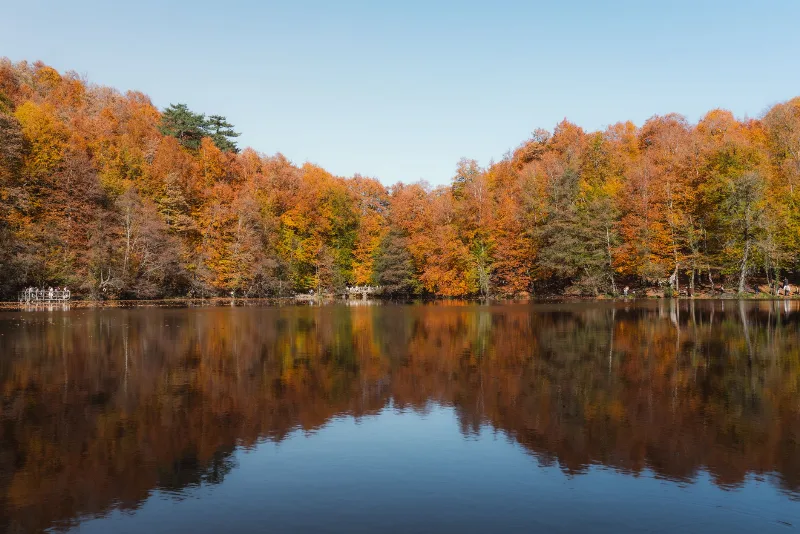
Türkiye's Black Sea coast hides a chain of protected landscapes, from glacial lakes in the Kaçkar Mountains to canyons and old-growth forests in Kastamonu and Bartın.
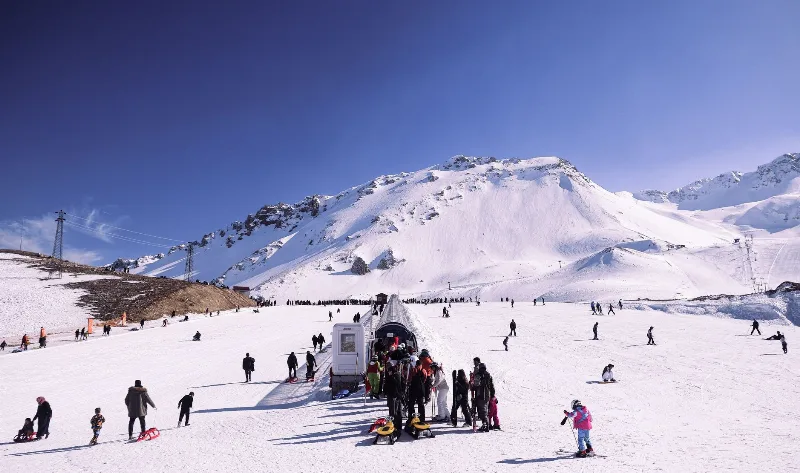
Snow Season in Palandöken, Erzurum
Palandöken, the mountain rising above Erzurum in eastern Türkiye, holds a long snow season that typically runs from December to March. Its dry, cold continental climate produces light powder snow, which is why the area has become one of the country's main winter sports destinations.

Erzurum Potatoes
Erzurum potatoes are highland potatoes from Erzurum province in Eastern Anatolia, shaped by cool summers, volcanic soils and a short growing season. They are known for their starch-rich texture and full flavour.
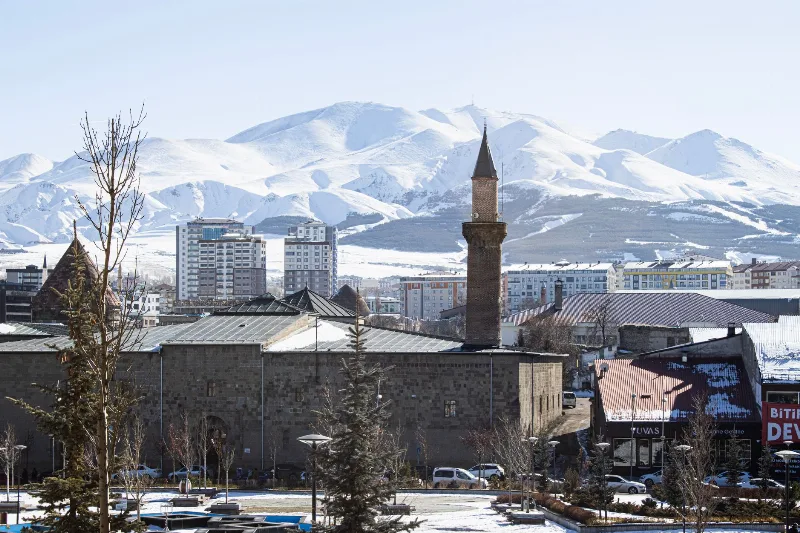
Skiing Escapades in Erzurum
Erzurum is a high-elevation city in eastern Türkiye where long winters and dependable snowfall support skiing and winter sports. Its mountain slopes, historic landmarks and cold-weather cuisine give a snow adventure here a distinct character.
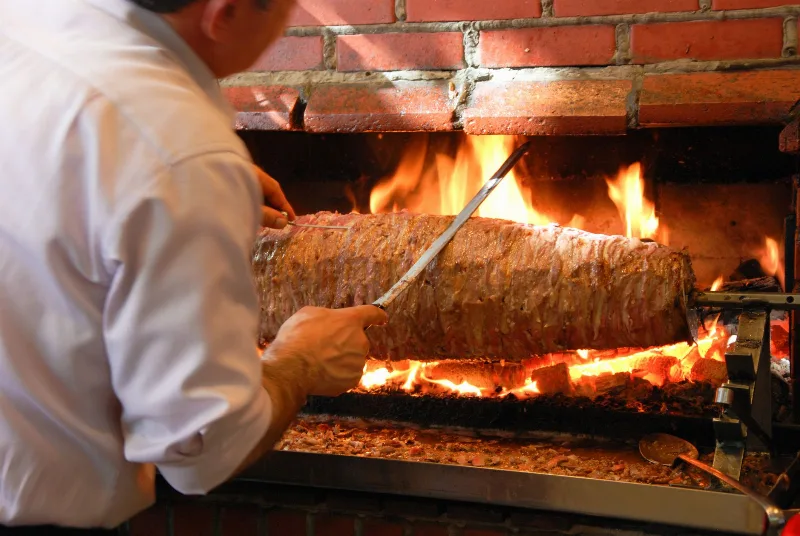
Cağ Kebabı
A regional lamb kebab from Erzurum, Cağ Kebabı is cooked on a horizontal rotisserie and served on skewers. Its tender, juicy meat and simple accompaniments make it a celebrated dish in eastern Turkey.