
Turkish Carpets and Kilims
A look at Turkish carpets and kilims, from knotting and flatweave techniques to natural dyes, motifs and the Anatolian regions where they are made.
Turkish carpets and kilims are among the most recognisable expressions of Anatolian culture, a handwoven tradition that has developed over centuries across the lands of Türkiye. Made on upright and horizontal looms in village homes, small workshops and pastoral communities, they carry the colours, patterns and memories of the regions that produced them. For many international visitors, they are also a first and lasting impression of Turkish craft.
Carpet and Kilim: Two Distinct Woven Forms
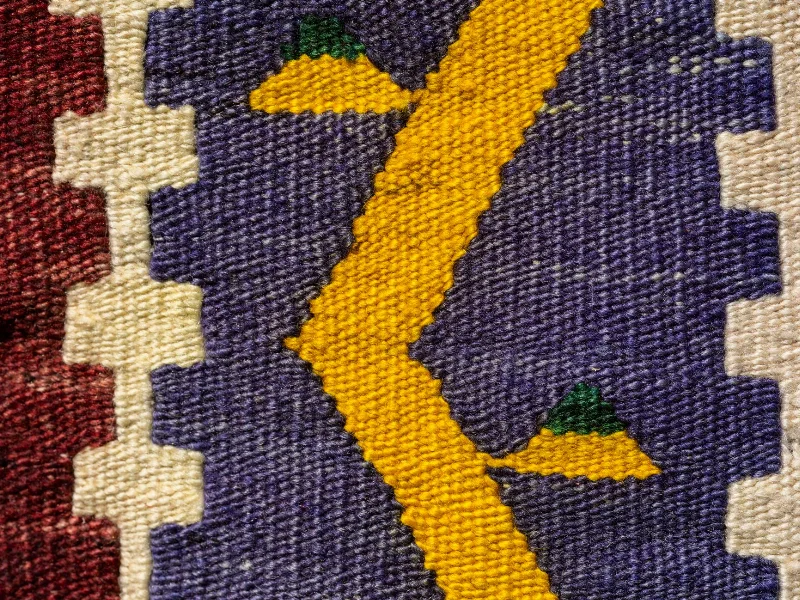
A carpet, known in Turkish as halı, is a knotted pile textile. Rows of knots are tied around the warp threads and then cut, creating a soft, dense surface. A kilim, by contrast, is a flatweave: the weft threads are passed over and under the warp to form a smooth, largely reversible fabric without pile. Both techniques appear throughout Türkiye, and households traditionally used kilims as floor covers, wall hangings, saddlebags, curtains and prayer rugs, while piled carpets were valued for warmth and durability.
Wool, Silk, Cotton and Natural Dyes
The character of a woven piece begins with its fibres. Sheep's wool from high plateaus is the most common material, appreciated for its elasticity and warmth. Silk, produced notably around Bursa, gives a fine sheen to certain carpets, while cotton is often used for the warp and weft of finer pieces. Colour traditionally came from plants and insects: madder root for deep reds, indigo for blues, walnut husks and onion skins for browns and yellows, and cochineal for crimson. Natural dyes age gently, which is one reason older textiles take on the softened tones that collectors admire.
Motifs and Meanings
Anatolian designs are largely geometric, built from repeated shapes whose names have been passed down in weaving families. Common motifs include the elibelinde, a stylised figure associated with fertility; the mihrab, an arch shape echoing prayer niches; the tree of life; and small eye or amulet forms understood to deflect misfortune. Borders of running water, combs and hooks frame many compositions. The meanings are not fixed: the same motif may be read differently from one village to the next, and new patterns continue to be created.
Regional Traditions Across Türkiye
Practically every weaving region developed its own palette and structure. Hereke, near the Marmara coast, is associated with fine silk and wool carpets. Kula and Gördes in the Aegean hinterland, Bergama in the north-west, Milas in Muğla province, Yahyalı in Kayseri, Ladik near Samsun and Kars in the east are all known for distinct carpet styles. Kilim weaving flourishes in Kilis, Aydın, Antalya, Mut, Karapınar, Van and Erzurum, often with bold colour blocking and open geometric fields. Nomadic communities in the Taurus Mountains and on the central plateau contributed portable flatweaves suited to tent life.
Where to See Woven Heritage
Museums across the country hold significant collections. The Museum of Turkish and Islamic Arts in Istanbul, the Mevlana Museum in Konya, the Ethnography Museum in Ankara and regional museums in Kayseri, İzmir and Antalya display historic carpets and kilims in controlled light and climate. Village weaving initiatives and cultural festivals also keep the craft visible, and textiles can be studied at close range to appreciate knot density, dye quality and design. Whether encountered in a museum case, a village courtyard or a restored caravanserai, Turkish carpets and kilims remain a living record of Anatolian life.
Related content
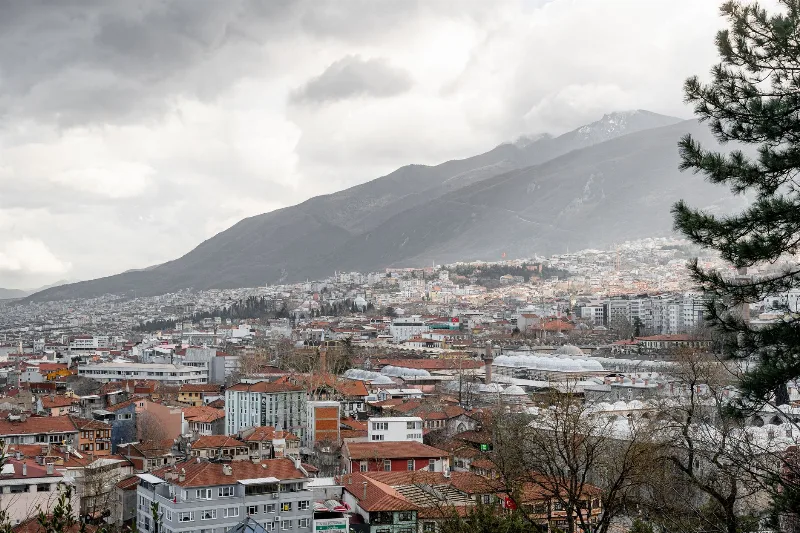
Bursa
Bursa is a major metropolitan city in northwestern Türkiye and the first great capital of the Ottoman Empire, known for its silk heritage, thermal springs and the mountain of Uludağ rising directly behind it.
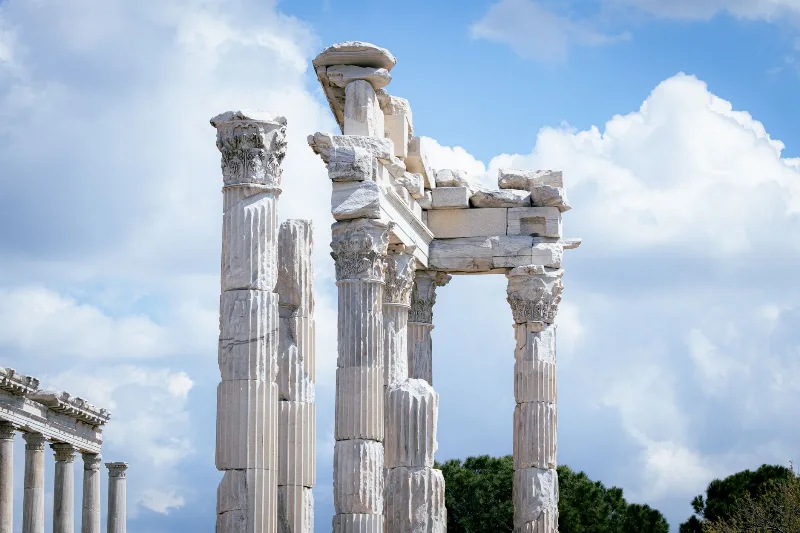
Bergama
Bergama is an inland district of İzmir Province on the Bakırçay plain, built around the ancient city of Pergamon, a UNESCO World Heritage Site reached by a cable car up to its acropolis.
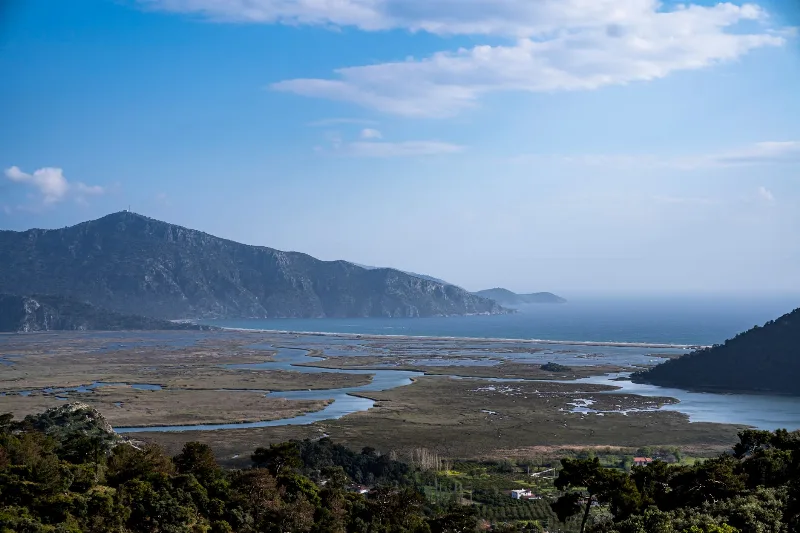
Muğla
Muğla is a captivating province in southwestern Türkiye, renowned for its stunning Aegean coastline and rich cultural heritage.
Traditional Crafts of a Turkish Bazaar
Türkiye's bazaars are living archives of craft, where copper, çini ceramics, kilims and ebru marbling are still shaped by hand. This page explores the trades, materials and traditions behind them.
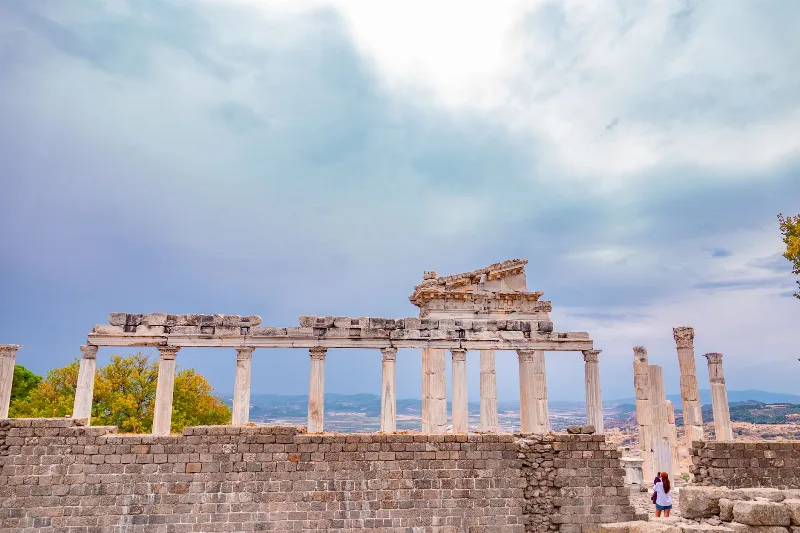
Bergama and the Acropolis of Pergamon
Bergama in İzmir Province is the modern town beneath ancient Pergamon, where a hilltop acropolis, a healing sanctuary and a Roman basilica reveal centuries of Anatolian history.
2-Day Bergama and Ayvalık Route: Pergamon to Cunda Island
A compact two-day route that pairs the terraced ruins of ancient Pergamon in inland Bergama with the olive-growing Aegean coast at Ayvalık and the causeway-linked island of Cunda.
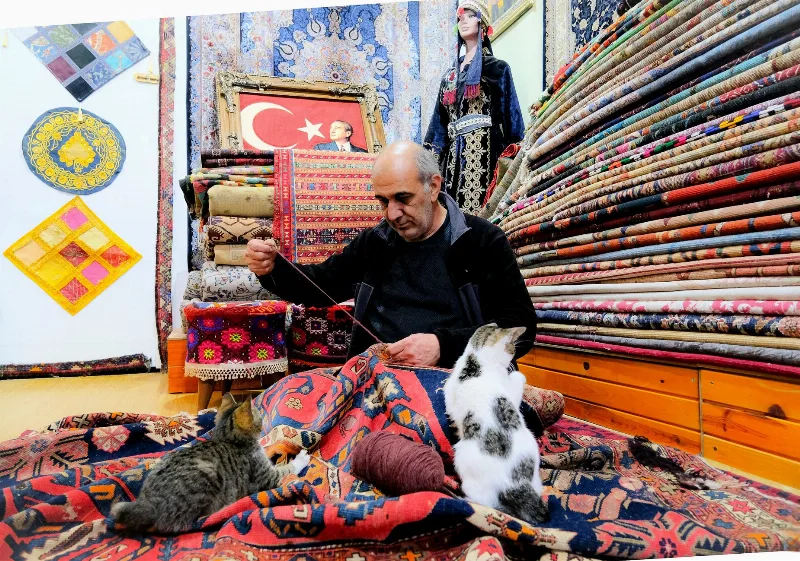
The Traditional Art of Turkish Carpet Weaving
Explore the intricate craftsmanship and cultural significance of Turkish carpet weaving, an art form cherished for generations.

Exploring the Rugged Beauty of the Taurus Mountains
The Taurus Mountains in southern Türkiye offer rugged landscapes, diverse hiking trails, and rich cultural heritage. From ancient ruins to alpine meadows, this range invites exploration across all seasons.