
The Traditional Art of Turkish Carpet Weaving
STORIES FROM TÜRKİYE
Turkish carpet weaving is a time-honored tradition that showcases the rich cultural heritage of Türkiye. Renowned for their intricate designs and exceptional craftsmanship, Turkish carpets are more than just decorative items; they are reflections of history and cultural significance passed down through generations.
The Origins of Turkish Carpet Weaving
The art of carpet weaving in Türkiye dates back to ancient times, with its roots deeply embedded in the nomadic cultures that once roamed the region. The earliest examples of carpets were practical items, providing warmth and comfort to the nomads living in tents. Over time, these practical textiles evolved into elaborate works of art, incorporating complex patterns and vibrant colors.
Regional Variations and Techniques
Each region in Türkiye has its own distinctive style and technique when it comes to carpet weaving. For instance, the carpets from the city of Hereke are known for their fine silk weaving and intricate designs, often incorporating floral motifs. In contrast, the carpets from the town of Konya are famous for their bold geometric patterns and earthy tones, reflecting the influences of ancient Anatolian civilizations.
The Cultural Significance of Carpets
Turkish carpets hold significant cultural value and are often considered family heirlooms. They are integral to many traditional ceremonies and events, symbolizing prosperity and well-being. The motifs and designs often tell stories or convey messages, making each carpet a unique piece of art with its own narrative.
The Process of Weaving a Turkish Carpet
The creation of a Turkish carpet is a meticulous process that requires skill and patience. It begins with the selection of high-quality materials, such as wool, cotton, or silk. The weaver then follows a carefully designed pattern, knotting each thread by hand. This labor-intensive technique results in carpets that can take months, or even years, to complete. The finished product is a testament to the weaver’s dedication and artistry.
Preserving a Timeless Tradition
Despite modern advancements, the tradition of Turkish carpet weaving continues to thrive. Efforts to preserve this cultural heritage include workshops and exhibitions that promote the craft to new generations. By embracing both traditional methods and contemporary designs, Turkish carpet weaving remains a vibrant part of Türkiye’s cultural landscape.
Historic places
Explore history →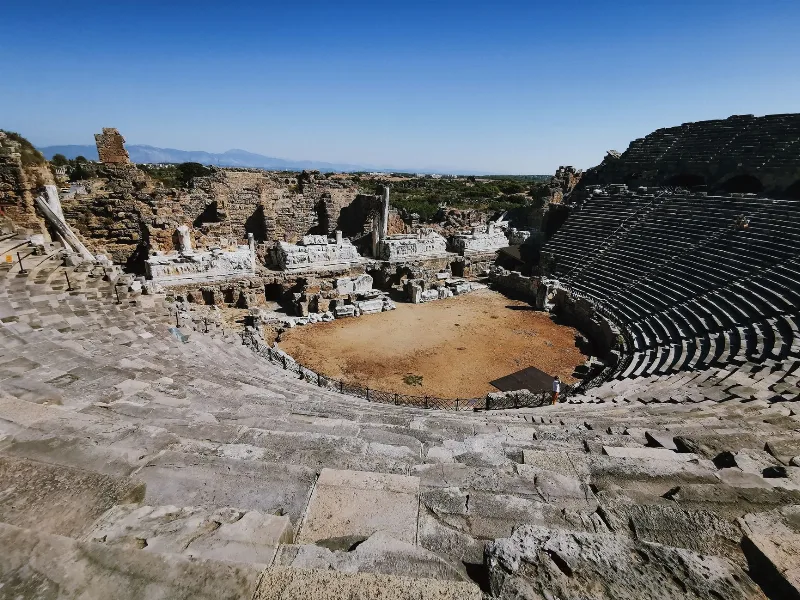
Side
Side is an ancient Pamphylian port city on a peninsula in Antalya Province, Türkiye, known for its well-preserved Roman theatre, the temples of Apollo and Athena, and a museum housed in Roman baths. It flourished under Hellenistic and Roman rule and was abandoned by the 10th century, leaving extensive ruins that visitors can explore today.
Explore →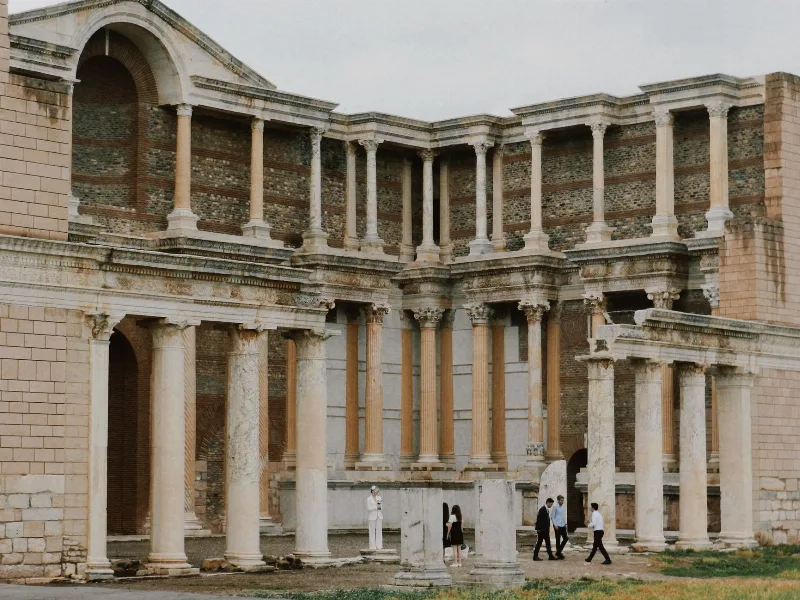
Sardis
Sardis was the Iron Age capital of the Lydian Kingdom in western Anatolia and later a major Roman and Byzantine city. Its surviving monuments include the Temple of Artemis, a vast bath-gymnasium complex and one of the largest ancient synagogues ever found.
Explore →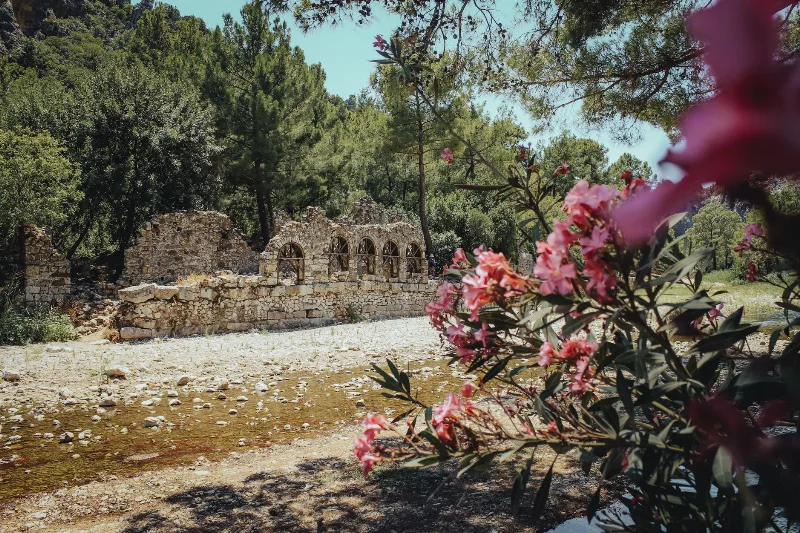
Olympos
Olympos is an ancient Lycian city in Antalya Province, Türkiye, whose ruins stand on both banks of a wooded river valley. Once a member of the Lycian League and later a Roman harbour town, it is best known for its theatre, baths and Lycian sarcophagi, and for the naturally burning Chimaera flames on the mountain above.
Explore →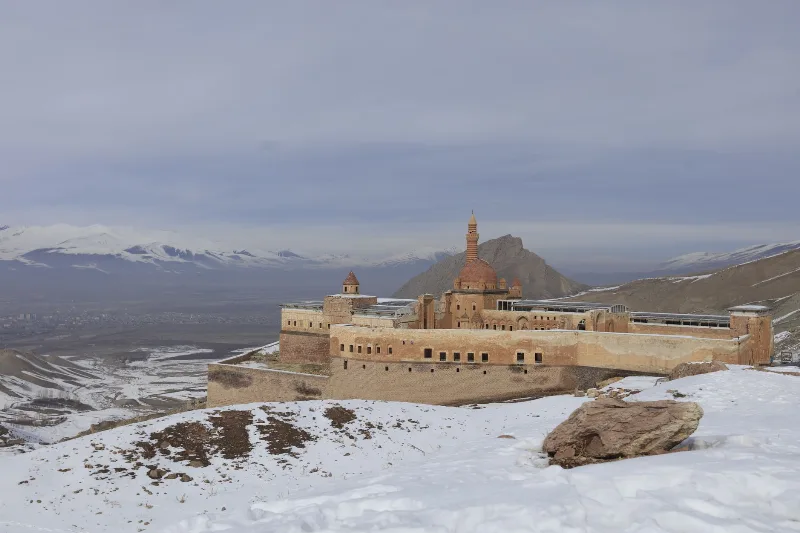
Ishak Pasha Palace
Ishak Pasha Palace is a late Ottoman palace complex in Doğubayazıt, Ağrı Province, eastern Turkey. Built between the late 17th and late 18th centuries, it is known for its stone architecture, which combines Ottoman, Seljuk, and Persian elements.
Explore →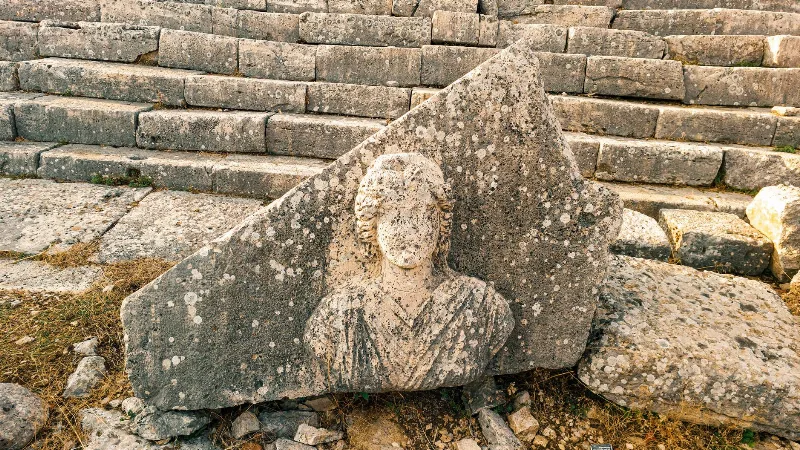
Kibyra
Kibyra is an ancient city on a plateau above Gölhisar in Burdur Province, once the leading city of the Kibyratis. Its theatre, odeon with a Medusa mosaic, and stadium survive in unusual detail.
Explore →Related content
Konya
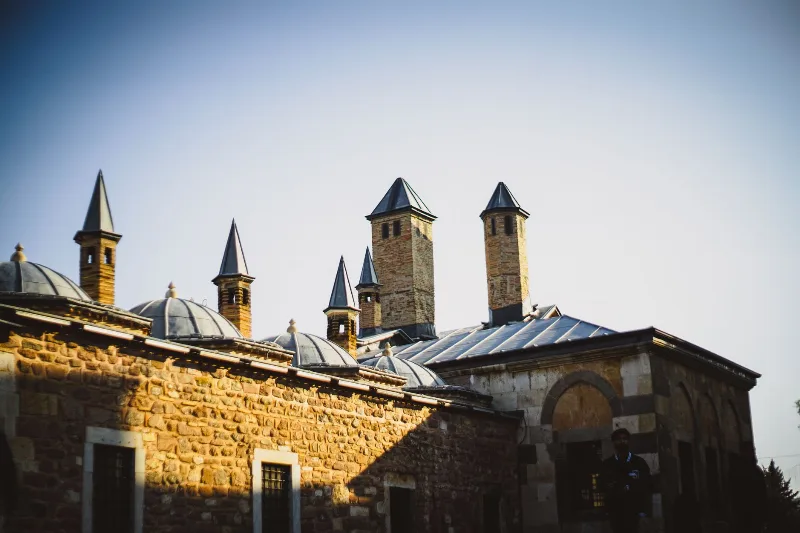
Konya is a city known for its spiritual essence and cultural heritage, home to the Mevlana Museum and the whirling dervishes.
Turkish Carpets and Kilims
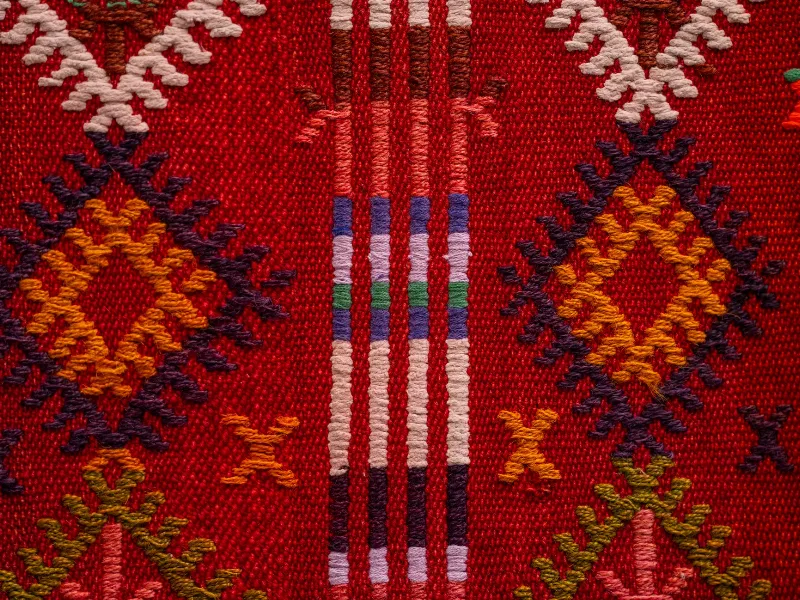
A look at Turkish carpets and kilims, from knotting and flatweave techniques to natural dyes, motifs and the Anatolian regions where they are made.
Traditional Crafts of a Turkish Bazaar
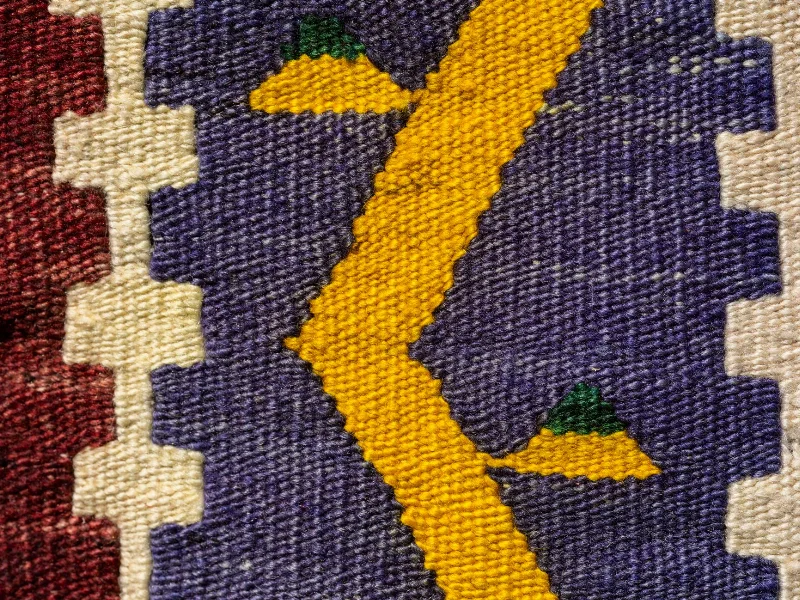
Türkiye's bazaars are living archives of craft, where copper, çini ceramics, kilims and ebru marbling are still shaped by hand. This page explores the trades, materials and traditions behind them.
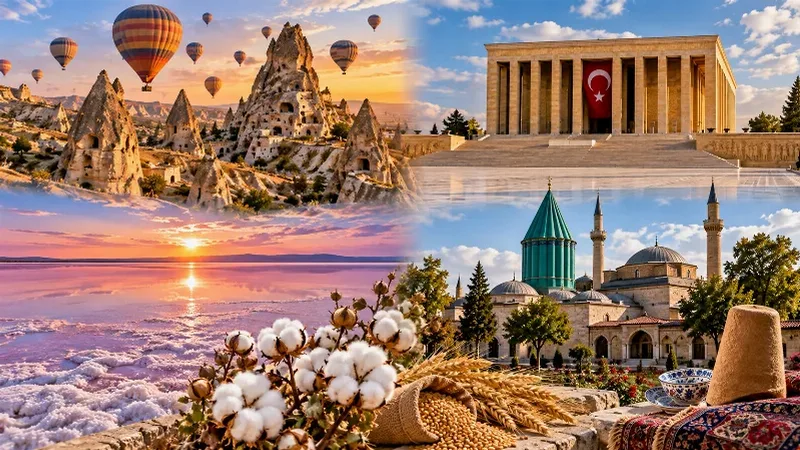
Central Anatolia Region
Central Anatolia is the historic heartland of Türkiye, known for its wide plains, extraordinary rock formations, ancient civilizations and traditional towns. From the fairy chimneys of Cappadocia to the cultural landmarks of Ankara and Konya, the region reveals the rich history and natural beauty of inner Anatolia.
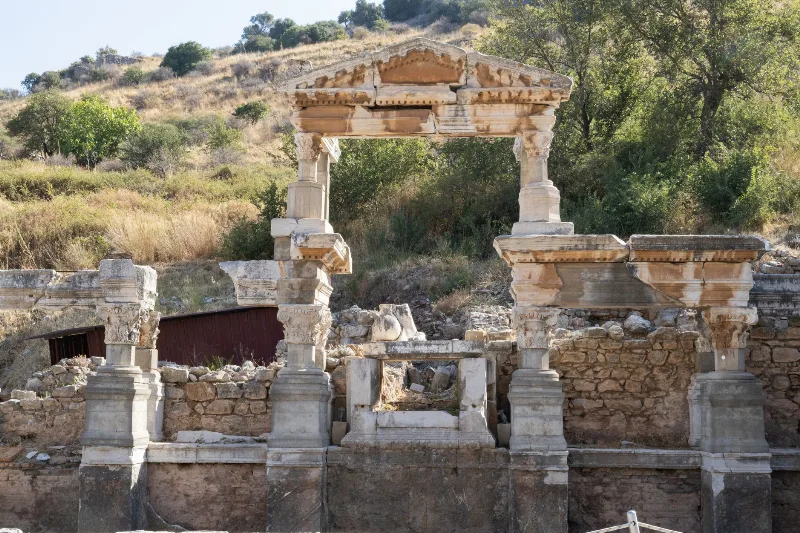
Cultural Heritage of Anatolia
Anatolia's cultural heritage spans millennia, blending ancient civilizations, architectural marvels, and living traditions across Türkiye.

Exploring the Rugged Beauty of the Taurus Mountains
The Taurus Mountains in southern Türkiye offer rugged landscapes, diverse hiking trails, and rich cultural heritage. From ancient ruins to alpine meadows, this range invites exploration across all seasons.