
Central Anatolia Region
Central Anatolia is the historic heartland of Türkiye, known for its wide plains, extraordinary rock formations, ancient civilizations and traditional towns. From the fairy chimneys of Cappadocia to the cultural landmarks of Ankara and Konya, the region reveals the rich history and natural beauty of inner Anatolia.
Discover Central Anatolia
Located in the heart of Türkiye, the Central Anatolia Region is characterized by broad plateaus, open plains, volcanic landscapes and a remarkable historical heritage.
The region has been an important center of settlement, trade and cultural development for thousands of years. Its geographical position connects different parts of Anatolia, while its historic cities and archaeological sites reflect the civilizations that have shaped the peninsula.
Central Anatolia is especially known for Cappadocia, but its cultural and natural landscapes extend far beyond this famous destination.
Cities and Historic Heritage
Ankara, the capital of Türkiye, is one of the region's principal cities. It combines modern urban life with important historical landmarks, including Ankara Castle, the Museum of Anatolian Civilizations and Anıtkabir.
Konya is another major cultural center, known for its Seljuk heritage, historic architecture and association with the poet and thinker Mevlana Jalaluddin Rumi. The Mevlana Museum and the city's monumental buildings reflect its important place in Anatolian history.
Kayseri is recognized for its historic urban center, traditional markets and architectural heritage. Nearby Mount Erciyes forms a striking natural landmark visible across the surrounding plains.
Eskişehir, Sivas, Aksaray, Kırşehir, Nevşehir, Niğde, Yozgat, Çankırı, Kırıkkale and Karaman contribute additional layers of historical and regional diversity.
Cappadocia and Natural Landscapes
Cappadocia is one of Central Anatolia's most extraordinary landscapes. Its fairy chimneys, valleys, rock-cut churches and underground settlements were shaped by both volcanic processes and human history.
Areas around Göreme, Uçhisar, Ürgüp and Ihlara Valley are known for their unusual geological formations and historic cultural sites.
Beyond Cappadocia, Central Anatolia features wide agricultural plains, mountains, lakes and steppe landscapes.
Lake Tuz, one of Türkiye's largest saline lakes, is a distinctive natural feature of the region. Its broad, open surroundings and seasonal changes create a landscape unlike the country's coastal regions.
The volcanic mountains of Erciyes and Hasan Dağı add dramatic forms to the region's geography.
Food and Culinary Traditions
Central Anatolian cuisine reflects a long tradition of agriculture, grain cultivation and regional cooking.
Wheat-based foods, traditional breads, pastries, legumes and meat dishes are central to the area's culinary identity.
Konya is known for etli ekmek, a thin traditional flatbread topped with seasoned meat. Kayseri is especially associated with mantı, small filled dumplings commonly served with yogurt and sauces.
Local soups, bulgur dishes, handmade noodles and regional desserts reflect the importance of home cooking and traditional food preparation.
Traditional Towns and Cultural Life
Central Anatolia preserves a rich variety of traditional crafts and local customs. Carpet weaving, pottery, ceramics and handmade textiles have longstanding histories in different parts of the region.
Historic town centers, traditional houses, caravanserais and marketplaces reveal the influence of Anatolia's major trading routes.
In many rural communities, agricultural traditions and seasonal celebrations remain important parts of local cultural life.
The Heart of Anatolia
Central Anatolia combines extraordinary geological scenery with some of Türkiye's most significant historical and cultural landmarks.
Its ancient settlements, monumental architecture, traditional towns and expansive landscapes offer a distinctive introduction to the geography and heritage of inner Anatolia.
From Cappadocia's volcanic valleys to the historic cities of Ankara and Konya, the region brings together natural beauty and centuries of cultural history.
Related content
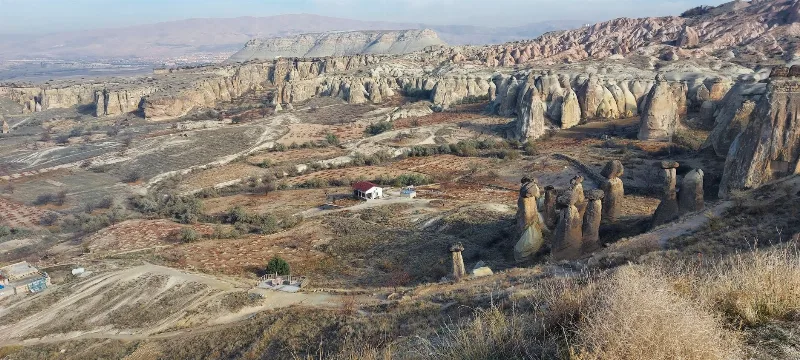
Cappadocia
Cappadocia is a region of Central Anatolia in Turkey defined by eroded volcanic tuff, rock-cut Byzantine churches and multi-level underground cities. This guide explains how the landscape formed, what the main valleys and sites actually contain, and what to know before visiting.
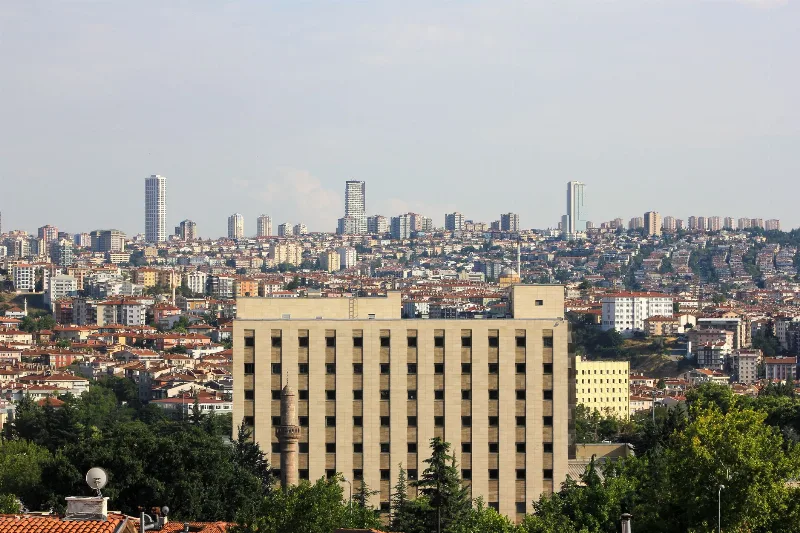
Ankara
Ankara is the capital of Türkiye and the country's second-largest city, set on the high plateau of Central Anatolia and defined by its republican institutions, its long pre-Ottoman history and the mausoleum of Mustafa Kemal Atatürk.
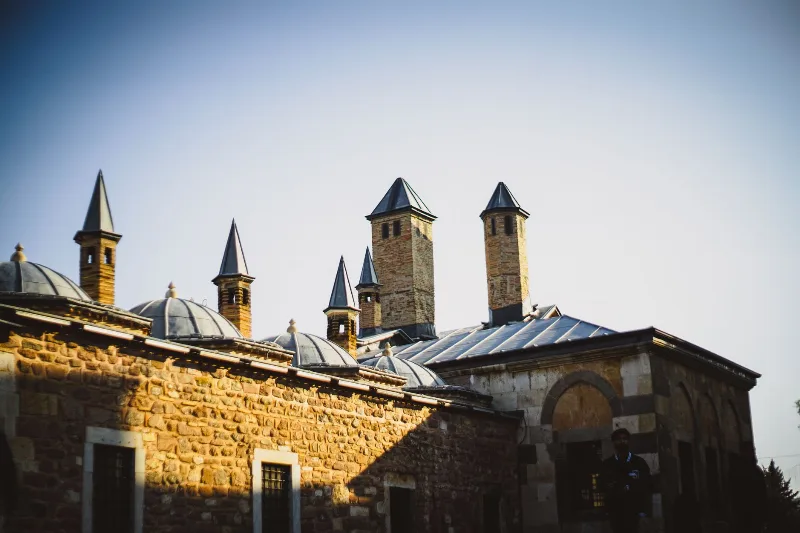
Konya
Konya is a city known for its spiritual essence and cultural heritage, home to the Mevlana Museum and the whirling dervishes.
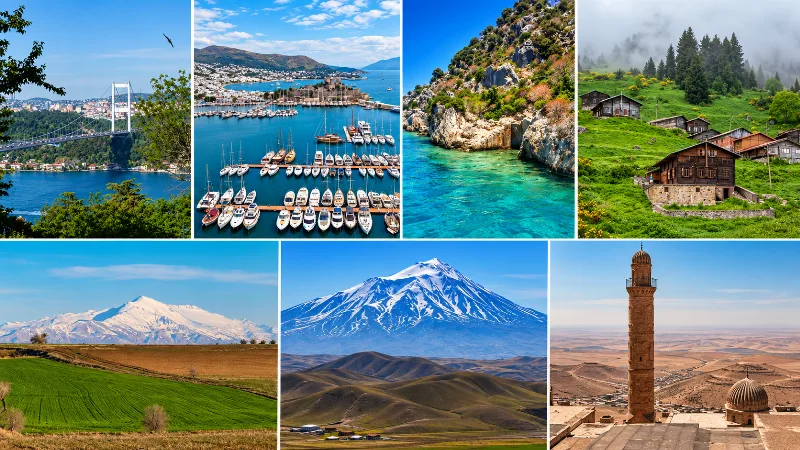
The Seven Geographical Regions of Turkey
An introduction to Turkey’s seven geographical regions and the landscapes, climates and cultural characteristics that distinguish them.
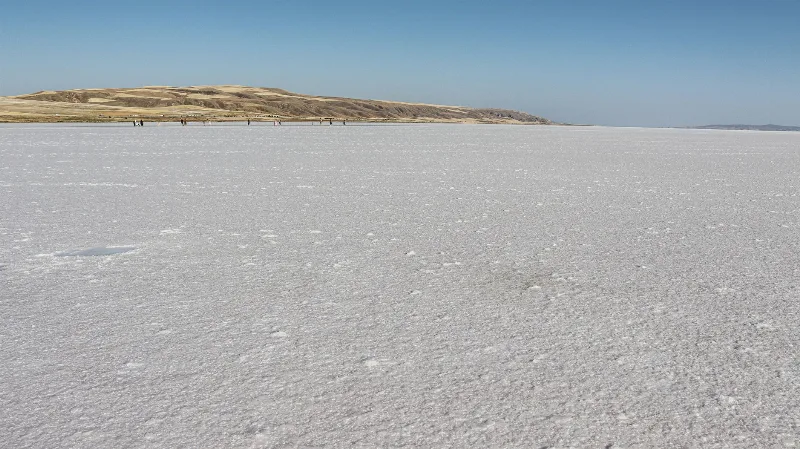
Lake Tuz
Lake Tuz (Tuz Gölü) is a hypersaline salt lake spread across Ankara, Konya and Aksaray in Central Anatolia, and one of the largest salt lakes in the world. Its shallow water, seasonal salt crust and flamingo colonies give it a character unlike any other lake in Türkiye.
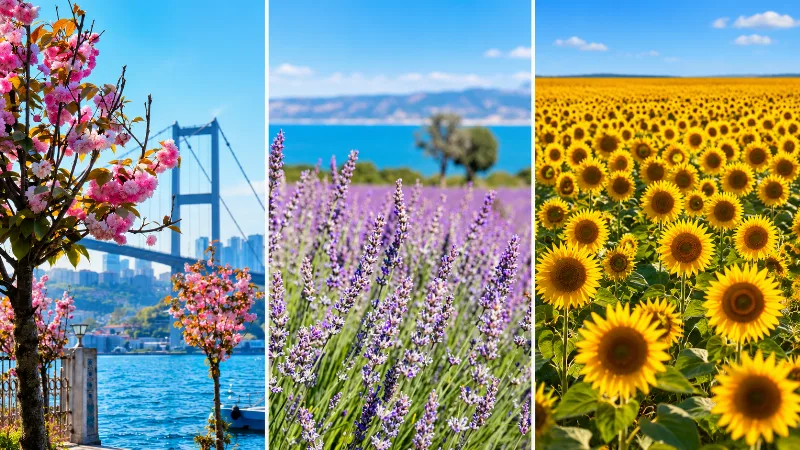
Spring in Turkey
From flowering valleys and green highlands to mild coastal towns, spring changes the landscape across different regions of Turkey.