
Turkish Coffee Culture in Türkiye
Discover the rich history and social significance of Turkish coffee, a cherished tradition in Türkiye. Learn about its preparation, cultural rituals, and enduring appeal.
Turkish coffee is more than just a beverage; it is a deeply rooted cultural tradition that reflects the warmth and hospitality of Türkiye. This finely ground coffee, prepared and served in a unique manner, has been an integral part of daily life and social gatherings for centuries. Its rich aroma, thick texture, and distinctive flavor make it a symbol of Turkish identity and a cherished ritual that continues to thrive in modern times.
A Tradition Steeped in History
The history of Turkish coffee dates back to the 16th century when it was introduced to the Ottoman Empire. It quickly became popular in the imperial court and eventually spread throughout society. By the 17th century, coffeehouses had emerged as important social spaces where people gathered to discuss politics, literature, and daily life. Turkish coffee was so significant that it even influenced the development of coffee culture in Europe. In 2013, UNESCO added Turkish coffee culture to its Representative List of the Intangible Cultural Heritage of Humanity, recognizing its unique preparation and social practices.
The Art of Preparation and Serving
Preparing Turkish coffee is a meticulous process that requires specific equipment and technique. The coffee beans are finely ground, almost to a powder, and then brewed in a small pot called a cezve (or ibrik). Cold water and coffee grounds are combined in the cezve, and sugar is added according to preference. The mixture is heated slowly over low flame until it foams and rises. It is then poured into small cups, ensuring that the foam is distributed evenly. Turkish coffee is always served with a glass of water to cleanse the palate and often accompanied by Turkish delight (lokum) or other sweets. The coffee is sipped slowly, allowing the grounds to settle at the bottom of the cup.
Social and Cultural Significance
In Türkiye, coffee is a catalyst for social interaction. Offering a cup of Turkish coffee is a gesture of hospitality and friendship. It is common to serve coffee to guests as a sign of welcome and respect. The ritual of drinking coffee is often accompanied by conversation and can last for hours. Another intriguing aspect is the tradition of coffee fortune-telling (fal), where the patterns formed by the coffee grounds are interpreted to predict the future. This practice adds a layer of mystique and entertainment to the experience. Additionally, Turkish coffee plays a role in courtship traditions; in some regions, when a young man seeks a woman's hand in marriage, the prospective bride prepares coffee for the family, and her choice of sweetness can convey her feelings.
Regional Variations and Modern Interpretations
While the core method of preparing Turkish coffee remains consistent, there are subtle regional variations. For instance, in southeastern Türkiye, coffee might be brewed with different spices or served with additional flavors. However, the traditional plain or sugar-sweetened versions are the most common. In recent years, Turkish coffee has experienced a revival, with a new generation embracing this ancient tradition. Contemporary adaptations exist, but the classic preparation is still highly valued. Many people continue to brew it at home, using heirloom cezves passed down through generations.
Experiencing Turkish Coffee in Türkiye
For travelers to Türkiye, experiencing Turkish coffee is an essential cultural immersion. It is not just about the drink itself but about the ritual and the time taken to savor it. Whether in a bustling city like Istanbul or a quiet village in Anatolia, the offer of a cup of coffee is an invitation to slow down and connect. The aroma of freshly brewed coffee wafts through streets, and the sound of cezves tapping is a familiar melody. To truly understand Turkish coffee culture, one must appreciate its role in fostering community and preserving heritage. It is a living tradition that continues to unite people across generations and regions.
Related content
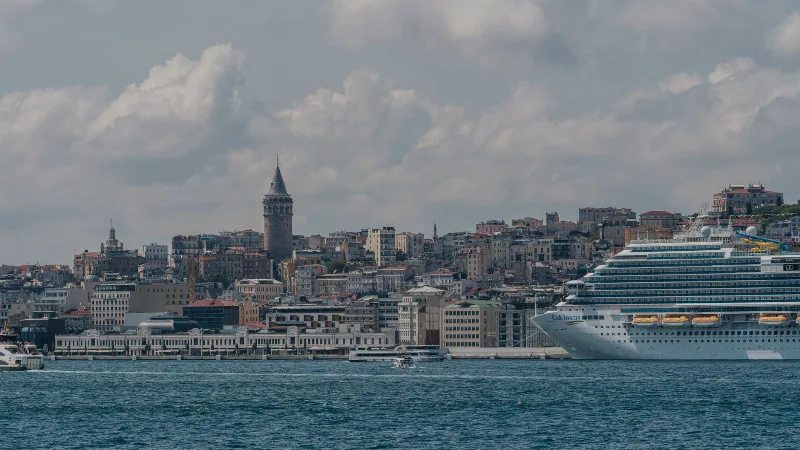
Istanbul
Istanbul is Türkiye's largest city and the country's only metropolis that spans two continents, divided by the Bosphorus strait into a European and an Asian half. Its long run as an imperial capital left a historic core of palaces, mosques and bazaars that still shapes the city's identity.
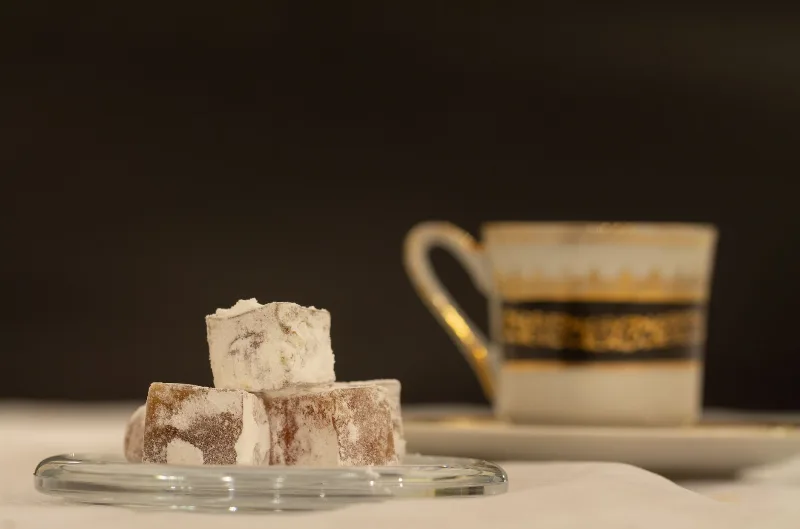
The Traditional Turkish Coffee Culture
Turkish coffee is a cultural ritual as much as a drink, prepared slowly and shared in homes and coffeehouses across Türkiye. This article explores its history, preparation, serving customs and social meaning.
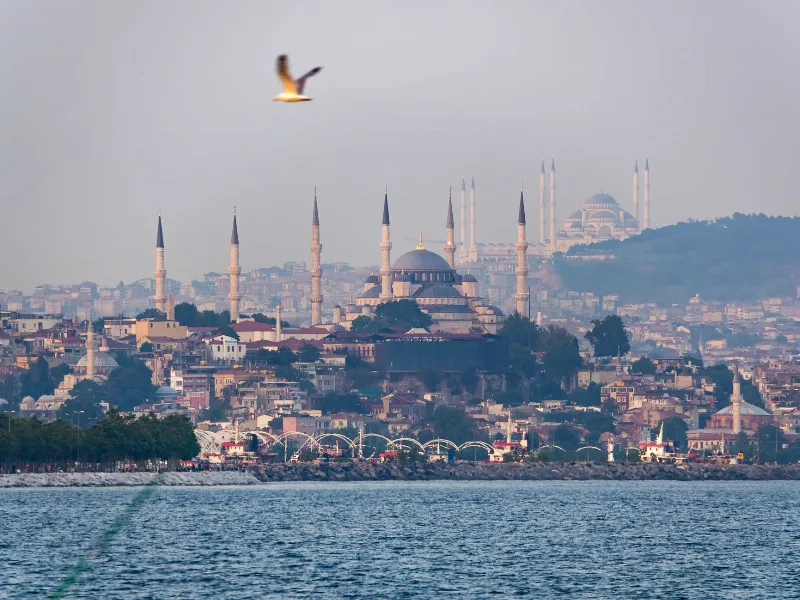
Istanbul's Historic Sultanahmet
Sultanahmet is Istanbul's historic core, a walkable peninsula of Byzantine and Ottoman monuments facing the Bosphorus and the Sea of Marmara.
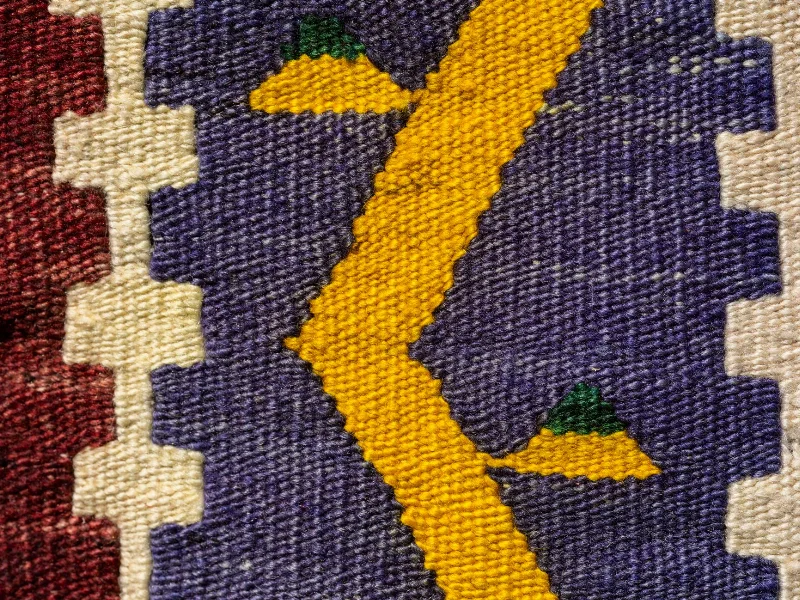
Traditional Crafts of a Turkish Bazaar
Türkiye's bazaars are living archives of craft, where copper, çini ceramics, kilims and ebru marbling are still shaped by hand. This page explores the trades, materials and traditions behind them.
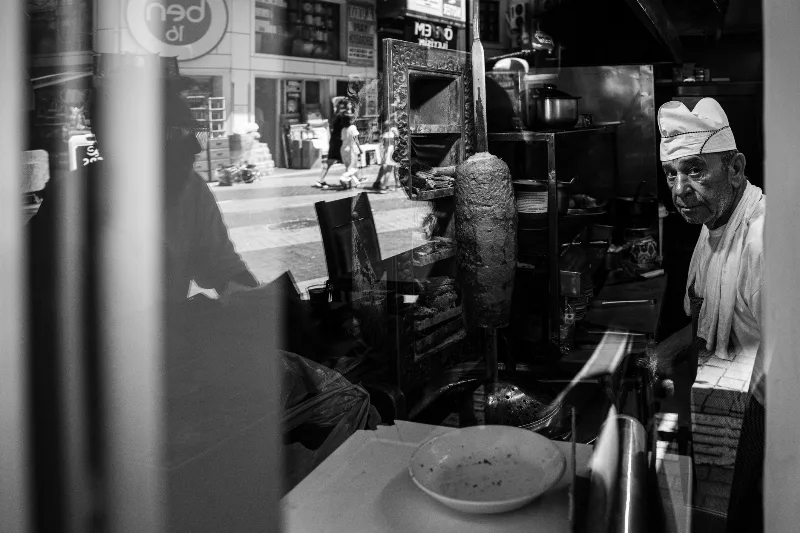
Traditional Food in Türkiye
Explore Türkiye's rich culinary landscape, featuring iconic dishes like kebabs and baklava that reflect its diverse cultural heritage.
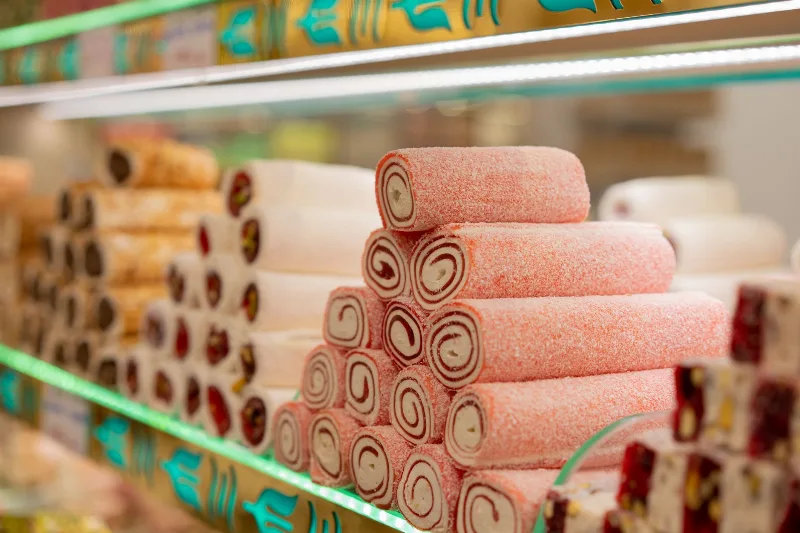
Turkish Delight and Sweets
Turkish delight sits at the heart of a layered confectionery culture that runs from Ottoman court kitchens to family tables across Türkiye. The sweets range from chewy lokum and syrup-soaked pastries to milk puddings and sesame helva.
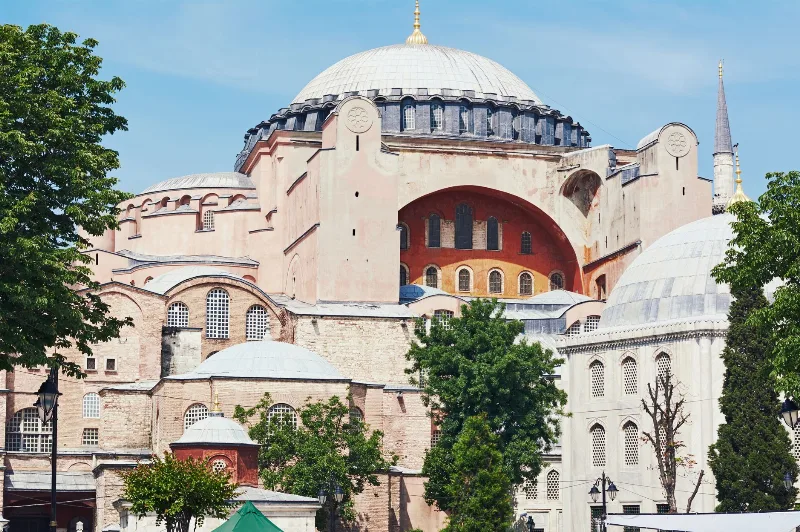
1-Day Istanbul Historic Peninsula Route
Explore Istanbul's Historic Peninsula in one day on foot, visiting Hagia Sophia, the Blue Mosque, Topkapı Palace, and the Grand Bazaar. This compact walking route covers the highlights of Sultanahmet with a logical, easy-to-follow order.
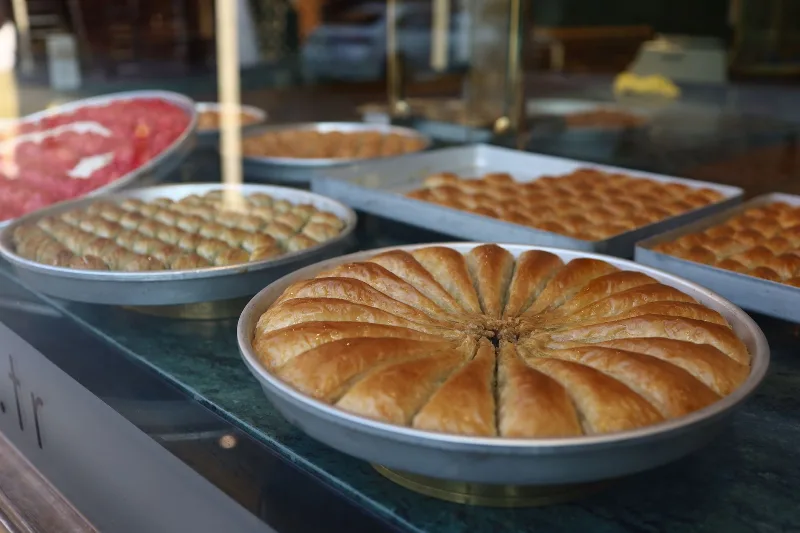
Baklava
Baklava is a traditional Turkish dessert made of layered phyllo dough, filled with nuts and sweetened with syrup. Strongly associated with Gaziantep, it is a staple of celebrations and a symbol of Turkish hospitality.