
Amasra
Amasra is a small district town in Bartın Province, built on a fortified peninsula on Turkey's Black Sea coast, with two sheltered bays, Byzantine and Genoese walls, and a long history reaching back to the ancient city of Amastris.
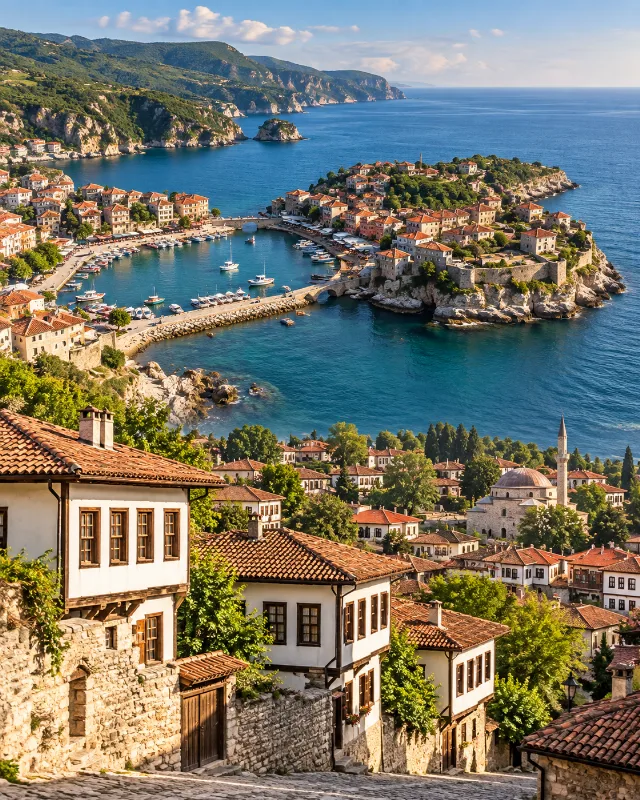
Amasra is a coastal district town in Bartın Province on Turkey's Black Sea coast, built on a rocky peninsula that reaches into the sea between two natural harbours. It is a working town as much as a place people come to see: fishing boats shelter in the smaller eastern bay, coal has been mined in the surrounding hills since the nineteenth century, and the old core still sits largely within Byzantine and Genoese fortifications. What distinguishes Amasra from most settlements along this coast is the tight combination of a walled historic peninsula, calm swimming water on both of its flanks, and a hinterland of forested slopes and mining villages immediately behind it.
Where Amasra Sits in Bartın Province
Amasra is the name of both the town and the district that surrounds it, one of the districts of Bartın Province in the western part of the Turkish Black Sea region. The town stands directly on the coast, at the point where a small peninsula pushes north into the sea. Bartın, the provincial capital, lies inland to the south and is the main market town and transport hub for the area; the road between the two climbs through wooded hills and descends into Amasra through the town's western approach.
Along the coastline to the west lie the small resort of Çakraz and further on Kurucaşile, while the shoreline continues east into Kastamonu Province towards Cide. Inland, the land rises into forested ridges and the rural district villages of Bartın. This positioning matters for anyone planning a visit: Amasra is not an isolated coastal village but a district centre with year-round life, which means it stays inhabited in winter rather than closing after the summer season.
A Peninsula Shaped by Two Harbours
The geography of Amasra is essentially the reason for its existence. A narrow neck of land connects the peninsula to the mainland, and the peninsula itself divides two bays. To the west, Büyük Liman is the larger and more open of the two; to the east, Küçük Liman is smaller, more enclosed and sheltered by the rising ground behind it. Together they gave the town a protected anchorage that has been used by traders, navies and fishing fleets for well over two thousand years.
Off the tip of the peninsula a small island, known locally as Tavşan Adası, is joined to the town by an old stone bridge of Roman origin that was later repaired during the Genoese period. The island and the bridge are among the clearest physical reminders that this harbour was part of a long-distance maritime network long before it became part of the Ottoman Empire.
The Castle and the Layers Beneath It
The castle is not a separate monument standing apart from the town; it is the frame around it. The fortifications run across the neck of the peninsula and along parts of its edges, enclosing streets and houses inside the walls. The inner citadel occupies the highest point of the peninsula, and the climb to it passes through stone gateways and along stretches of wall from which the two harbours can be seen at once.
The structure of the defences reflects successive periods of control: Byzantine work, later Genoese reinforcement, and Ottoman repair after the town passed into Ottoman hands in the second half of the fifteenth century. Inside the inner citadel stands the Fatih Mosque, a building that began as a Byzantine church before being converted. Its presence inside the walls, close to fragments of older masonry, is a compact demonstration of how the town's buildings changed function while staying in continuous use.
Amastris: The Ancient City Beneath the Streets
The town's ancient name, Amastris, comes from a Persian princess of the same name who, in the Hellenistic period, brought together several smaller settlements of the Paphlagonian coast into a single city on this site. The name survived through Roman and Byzantine rule and was only gradually replaced by the Turkish form of Amasra after the Ottoman conquest.
Because the modern town sits directly on top of the ancient one, much of the archaeology is buried under streets and gardens rather than laid out as open ruins. The local museum holds the pieces that have come to light: amphorae and anchors that point to the maritime trade, Roman and Byzantine sculpture, coins, and material from the Genoese period. For a visitor, the museum is the most efficient way to understand what lies beneath the peninsula before walking over it.
Walking Through the Old Streets
The historic core is small enough to cross on foot in a short time, though not flat. Streets climb, bend and narrow, often becoming stepped alleys between houses. Traditional houses are typically two storeys, with stone or rendered walls, timber details and small projecting upper floors; many are whitewashed, and gardens and fig trees appear in gaps between them. Along the harbour edges, older stone buildings stand close to the water.
What a visitor can realistically see in a walk of a few hours includes the outer walls and gateways, the inner citadel and its mosque, the old bridge out to the small island, the two harbour fronts and their fishing boats, and a handful of small stone structures and fountains scattered through the streets. There is no need for a fixed route: the peninsula is compact and the water is always visible from one side or the other.
The Two Bays and Swimming
Amasra's beaches are not long ocean strands but small bays. On the eastern side, the beach at Küçük Liman is the more sheltered of the two, with relatively calm water and a setting that mixes swimmers with working boats. On the western side, Büyük Liman opens more broadly to the Black Sea and can be rougher when there is weather from the north. Both are town beaches in the literal sense, backed by streets rather than by dunes.
The water is salt and generally clear close to the shore, though the Black Sea is cooler than the Aegean or Mediterranean and the swimming season is correspondingly shorter. Anyone expecting warm, still water throughout the summer should adjust expectations: this is a northern coast, and the sea here behaves accordingly.
Getting to Amasra
Almost all arrivals are by road. The usual approach is via Bartın, from which the town is reached by a single road that carries both local traffic and intercity coaches. Bus services connect Bartın with larger Turkish cities, and from Bartın there are regular connections onward to Amasra. Visitors travelling independently by car have the most flexibility, since the surrounding coast and countryside are best explored with a vehicle.
The nearest airport is in Zonguldak Province, served by a limited number of scheduled flights; many travellers instead fly to Ankara or Istanbul and complete the journey overland. Once in Amasra, the town centre is walkable, but parking near the peninsula is constrained by the narrow streets and the number of visitors in high season.
When to Visit and What the Weather Does
The Black Sea climate here means humidity and rain at almost any time of year, with the wettest conditions generally in autumn and winter. Summers are warm and humid rather than dry and scorching, and evenings on the peninsula stay mild. Late spring and early autumn are the most comfortable periods for walking, when the stone streets are not reflecting full summer heat and the surrounding hills are still green.
Swimming is realistic roughly from June into September. Winter visits are quiet and often wet, but they show a different town: the harbour still in use, the castle walls dark against grey water, and none of the summer foot traffic.
Terrain, Steps and Accessibility
The peninsula is steep in places, and many routes between the harbours involve stairs or cobbled slopes. Comfortable shoes matter more than any other preparation. The climb to the inner citadel is short but genuinely uphill, and the wall paths are uneven in sections. Visitors with limited mobility will find the harbour fronts easier than the upper streets, and should expect that a full circuit of the castle area involves some climbing and rough surfaces.
Practical Points Before You Arrive
Amasra is a district centre, so basic services exist year-round, but the town is small and the historic core is residential. It is worth remembering that people live inside the walls: doorways, courtyards and garden gates are private, and the stepped alleys double as everyday routes for residents. The museum is the main indoor sight and is worth checking before a visit, since opening arrangements can vary outside the main season.
Allow at least a full day to see the town properly and two if you want to combine the peninsula with the coast and the countryside inland. Cash is useful in a town of this size, and the steep streets mean that carrying luggage from a car park to the place where you are staying on the peninsula takes longer than the distance suggests.
The Coast and Countryside Around Amasra
The surrounding area adds considerably to a visit. Inland, the road back to Bartın passes through forested hills and small villages, and the Bartın River, part of which is navigable by small boats, runs through the provincial lowlands. Near Bartın, the sandy beach at İnkum offers a very different shoreline from Amasra's enclosed bays. Along the coast, Çakraz and Kurucaşile are small settlements with their own harbours and, at Kurucaşile, a long association with wooden boat building.
The mining landscape around Amasra is part of the town's identity rather than a visitor attraction, but it explains the working character of the place and the presence of families who have lived here for generations. Taken together, the peninsula, the two harbours, the castle and the wooded coast behind it form a compact and coherent place, one that is easy to understand on foot and difficult to mistake for anywhere else on this stretch of the Black Sea.
From the land
Find All →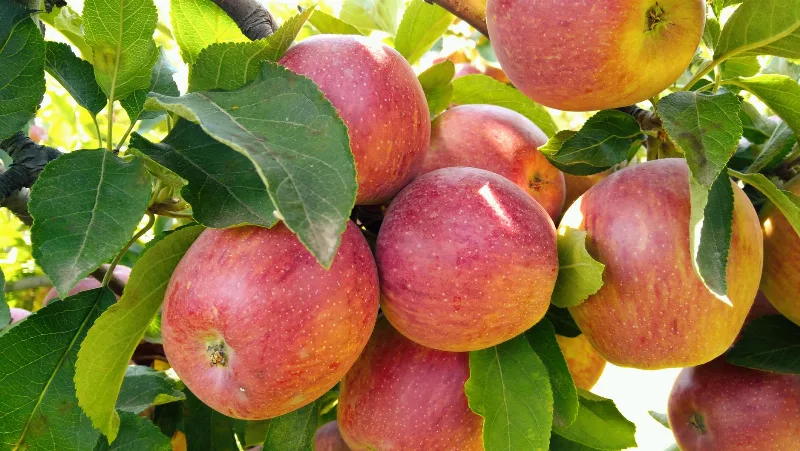
Amasya Apples
Amasya apples are apples grown in the sheltered river valleys of Amasya province in northern Türkiye, where cold winters and warm summers shape fruit known for its firm, crisp bite and balanced sweet-tart flavour.
Explore →
Gaziantep Garlic
Gaziantep garlic is the pungent, sharply aromatic garlic grown in the irrigated garden plots and fields of Gaziantep province in southeastern Türkiye. Its character comes from a hot, dry ripening season, cold winters and the fertile, well-drained soils of the province.
Explore →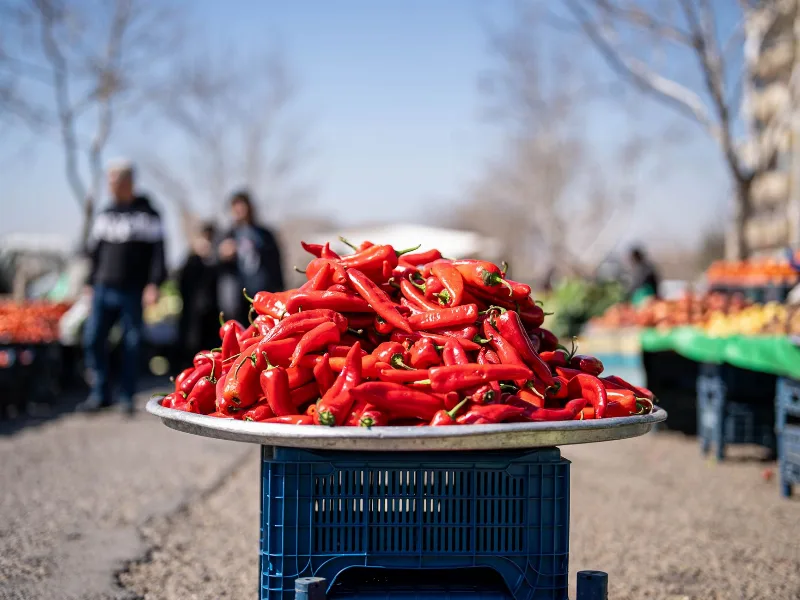
Kahramanmaraş Peppers
Kahramanmaraş peppers are the red peppers grown on the inland plains of southern Türkiye, where hot, dry summers and fertile soils give the crop its deep colour, moderate heat and smoky aroma.
Explore →Related content
Bartın
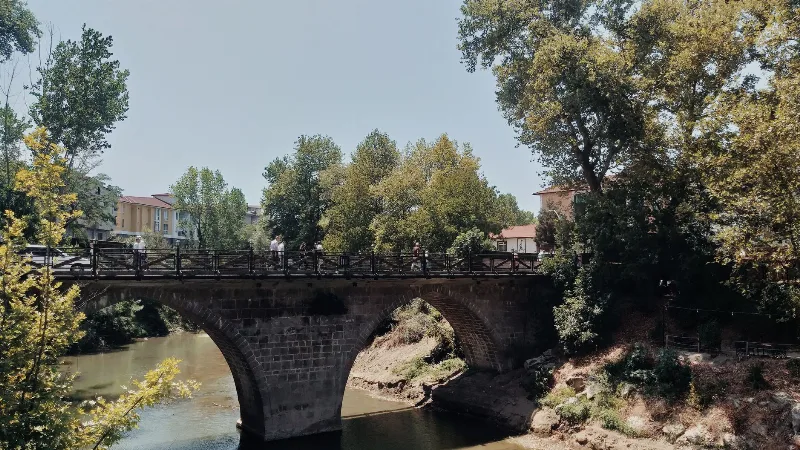
Bartın is a city in Türkiye's Western Black Sea region, built along the navigable Bartın River and known for its traditional wooden houses and the coastal town of Amasra within the same province.
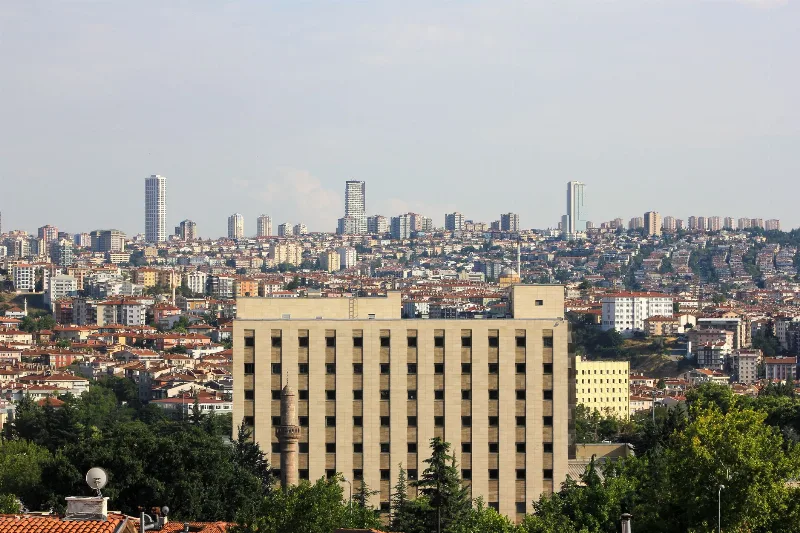
Ankara
Ankara is the capital of Türkiye and the country's second-largest city, set on the high plateau of Central Anatolia and defined by its republican institutions, its long pre-Ottoman history and the mausoleum of Mustafa Kemal Atatürk.
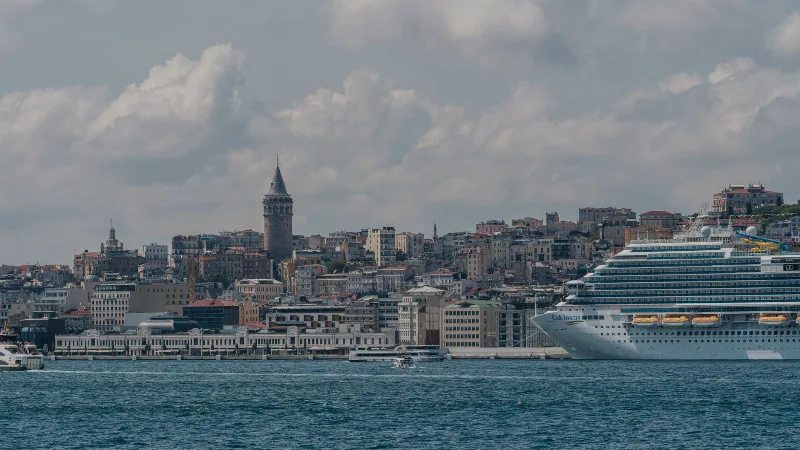
Istanbul
Istanbul is Türkiye's largest city and the country's only metropolis that spans two continents, divided by the Bosphorus strait into a European and an Asian half. Its long run as an imperial capital left a historic core of palaces, mosques and bazaars that still shapes the city's identity.
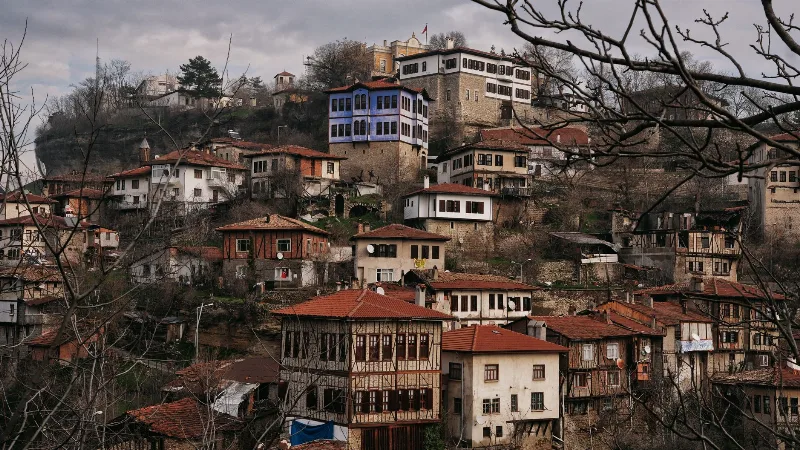
2-Day Safranbolu and Amasra Route
A two-day driving route that starts among the timber-framed houses of Safranbolu, crosses the uplands of Kastamonu and the Küre Mountains, and finishes at the small Black Sea harbour of Amasra.
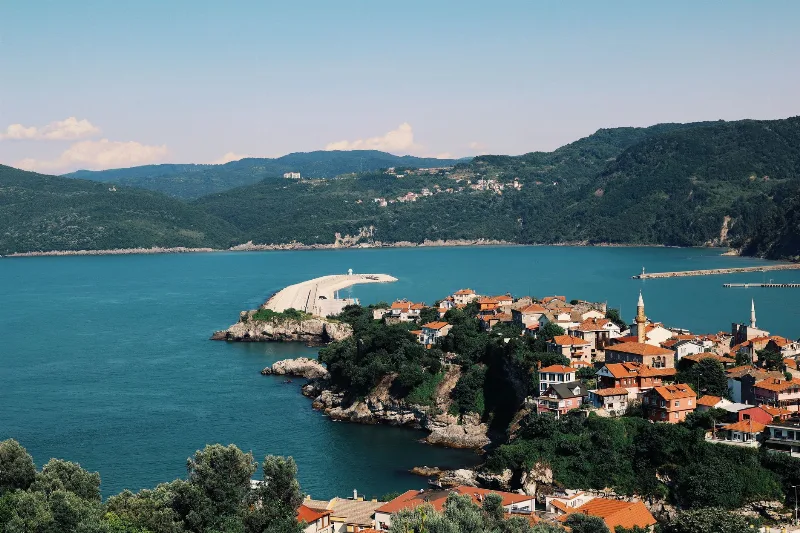
The Coastal Town of Amasra on the Black Sea
Amasra is a small Black Sea town in Bartın province, built on a rocky peninsula where two sheltered bays meet green hills. Its old walls, castle and maritime life give it a character shaped by centuries of trade and settlement.
2-Day Safranbolu and Amasra Route
A two-day route combining Safranbolu’s Ottoman streets and traditional houses with the Black Sea scenery and historic harbour town of Amasra.