
Kaputaş Beach
A small Mediterranean beach between Kaş and Kalkan, known for its turquoise water and steep limestone surroundings.
Kaputaş Beach
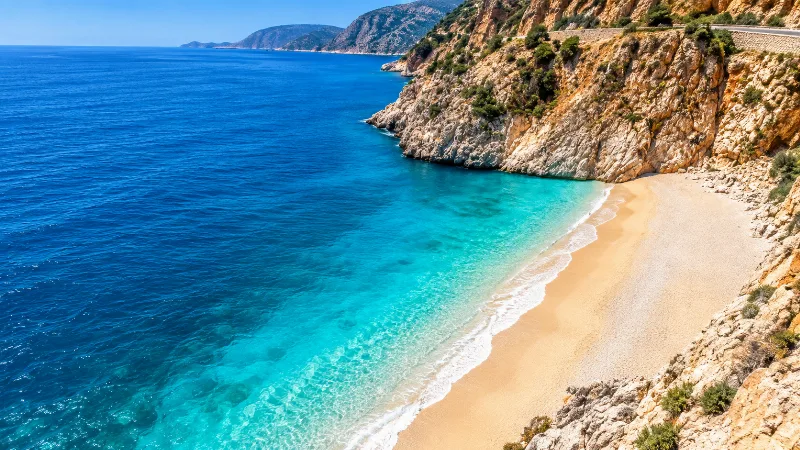
Kaputaş Beach is located between Kaş and Kalkan in Antalya Province, on Turkey’s Mediterranean coast. The beach sits at the mouth of a narrow canyon where steep limestone slopes descend directly toward the sea.
Its setting is one of its most distinctive features. The beach is relatively small and enclosed by high rocky sides, creating a compact coastal landscape that is clearly visible from the road above.
The water is known for its bright turquoise and blue tones. These colours can change according to sunlight, sea conditions and depth, with lighter shades appearing close to the shore and deeper blue further out.
Kaputaş has a mixture of sand and small pebbles. The shoreline slopes into the Mediterranean, and waves can vary depending on weather and wind conditions.
The surrounding cliffs create a strong contrast with the colour of the sea. From higher points, the beach appears as a narrow strip between the canyon and open water.
A staircase connects the road above with the beach below. Because of the steep terrain, there is little flat development immediately around the shoreline, allowing the natural shape of the cove to remain the main visual feature.
Swimming is one of the main activities at Kaputaş, particularly when the sea is calm. The clear water and relatively small bay also make the beach visually distinctive from longer sandy beaches found elsewhere along the Mediterranean coast.
The route between Kaş and Kalkan contains several coastal viewpoints, and Kaputaş is one of the most recognisable landscapes along this section of road.
The beach is especially associated with the combination of turquoise water, pale rock and a narrow canyon setting. Rather than a large resort beach, Kaputaş has the character of a naturally enclosed Mediterranean cove.
Remarkable places
All places →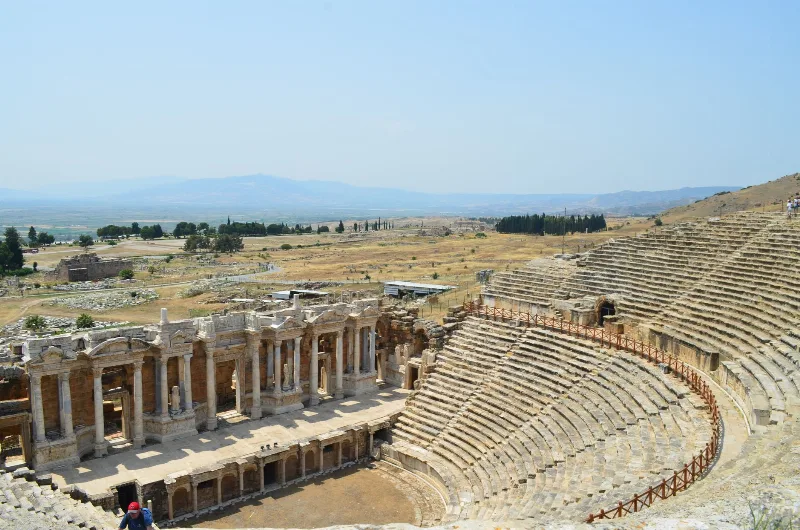
Letoon
Letoon is a Lycian sanctuary near Xanthos in Muğla Province, dedicated to Leto, Artemis and Apollo. Its three temples, theatre and trilingual inscription make it one of southwestern Turkey’s most significant archaeological sites.
Explore →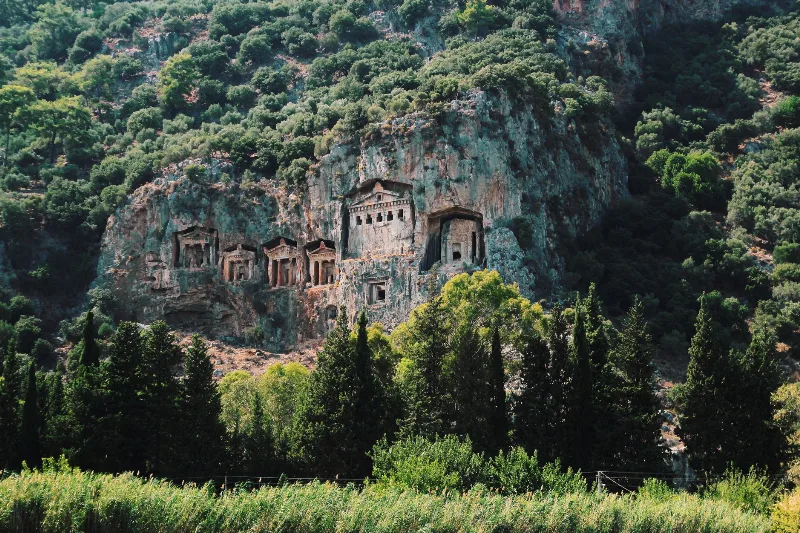
Kaunos
Kaunos is an ancient Carian city on the Dalyan River in Muğla Province, known for its temple-style rock-cut tombs and the extensive ruins of a harbour that silted up centuries ago.
Explore →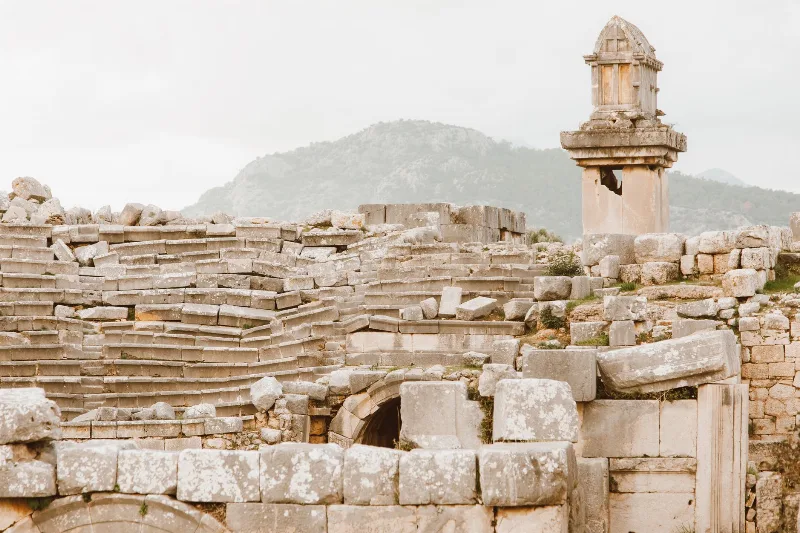
Xanthos
Xanthos is an ancient Lycian city in Antalya Province and a UNESCO World Heritage Site, known for its Lycian tombs, Roman theatre and role as a leading city of Lycia.
Explore →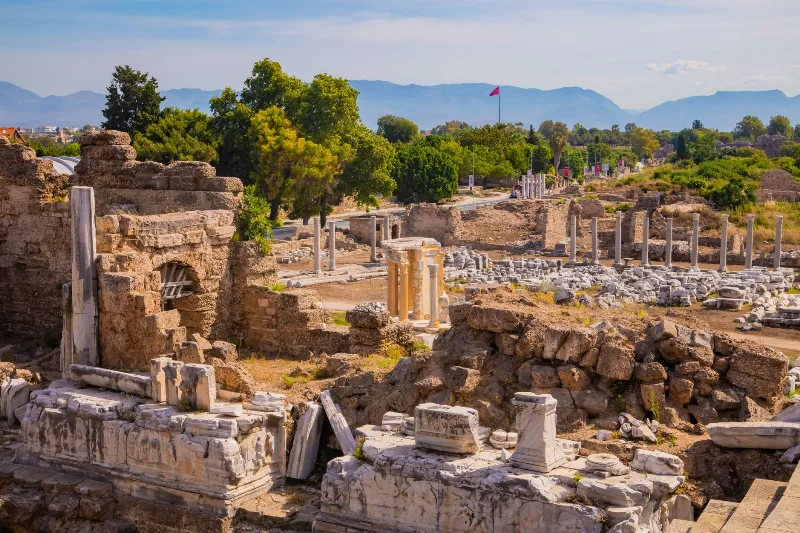
Phaselis
Phaselis is a Rhodian-founded port city on the eastern Lycian coast, where paved streets, agoras, baths and a small theatre stand among pines between three sheltered bays.
Explore →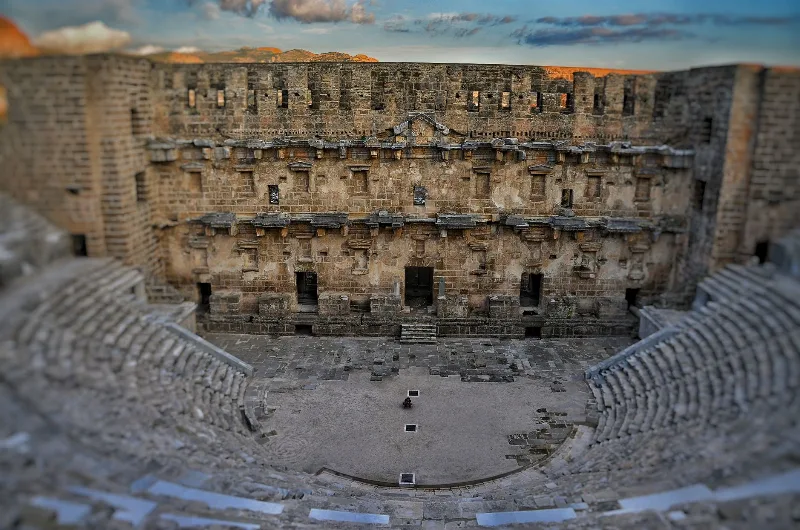
Aspendos
Aspendos is a Pamphylian ancient city near Serik in Antalya Province, dominated by a second-century Roman theatre that survives almost intact. Its aqueduct, acropolis and lower-city ruins sit in the flat farmland of the Köprüçay plain.
Explore →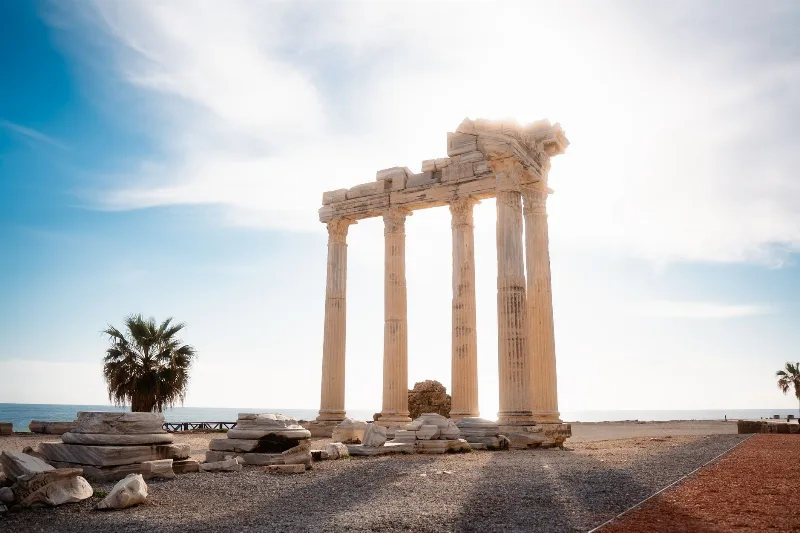
Side
Side is an ancient Greek harbour city on Türkiye's Mediterranean coast, known for the Temple of Apollo, a large Roman theatre and streets of ruins that visitors can still walk through. Its remains sit inside a modern town in the Manavgat district of Antalya Province.
Explore →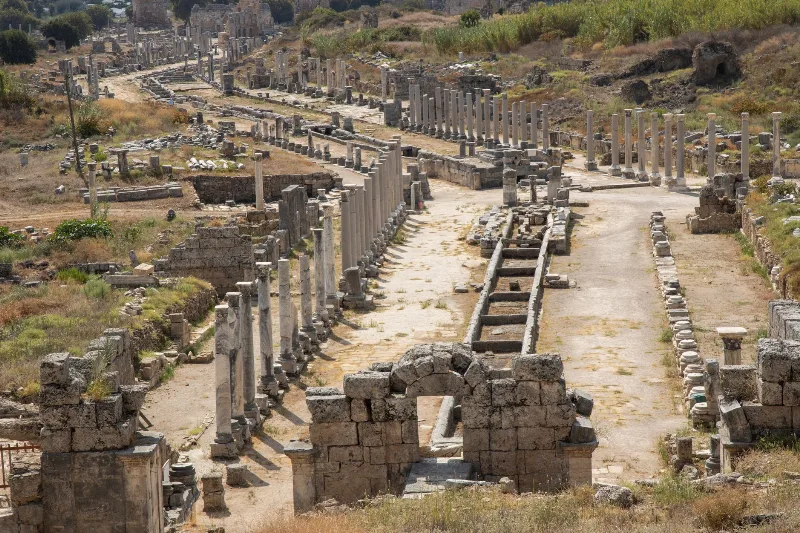
Perge
Perge is an ancient Pamphylian city east of Antalya, whose Hellenistic gates, colonnaded streets, theatre and exceptionally well-preserved stadium make it one of the most legible Roman-era sites in southern Turkey.
Explore →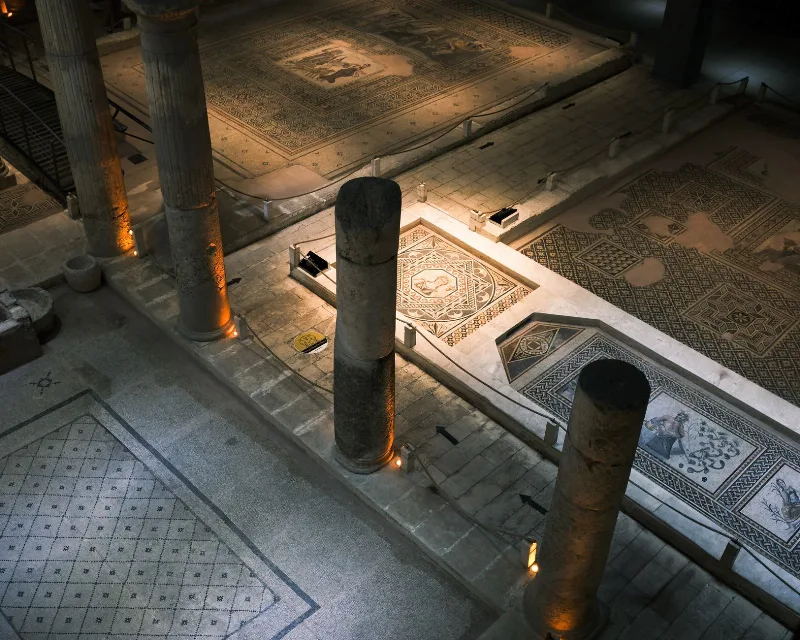
Zeugma
Zeugma was a twin Roman city on the Euphrates in Gaziantep Province, famous for the mosaics recovered from its riverside villas. Here is what the site is, what survives, and what to know before visiting.
Explore →Related content
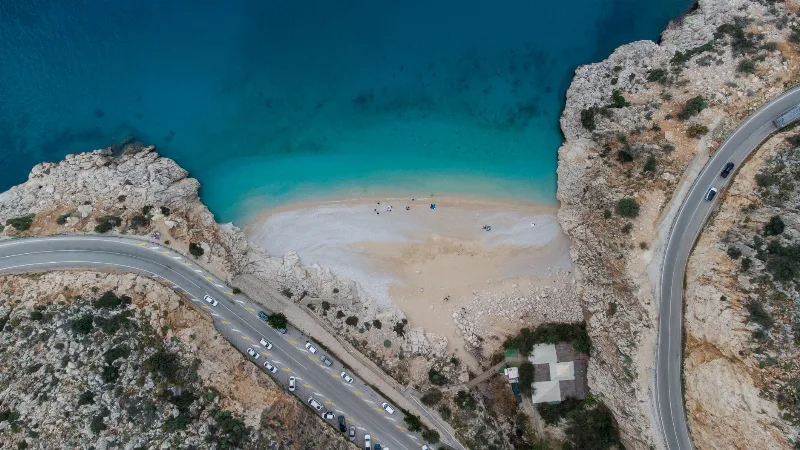
Kaputaş
Kaputaş is a small but stunning beach located between Kalkan and Kas, renowned for its crystal-clear turquoise waters and unique roadside access.
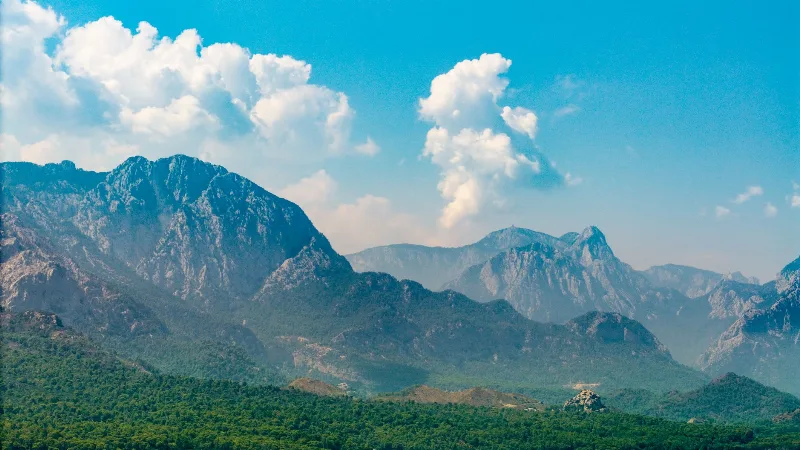
Antalya
Antalya offers a unique blend of vibrant history and stunning natural beauty, making it a must-visit destination in Türkiye.
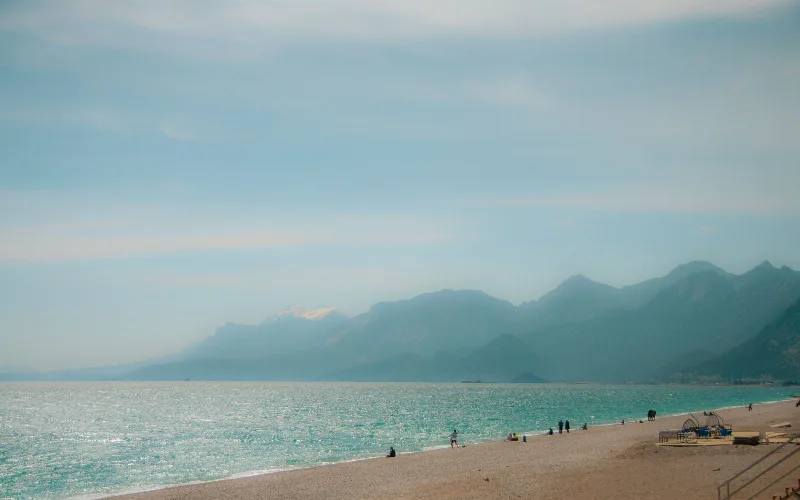
Exploring the Pristine Beaches of Antalya
Antalya's beaches offer a serene Mediterranean escape with their clear waters and golden sands. Discover the unique charm of these coastal treasures.
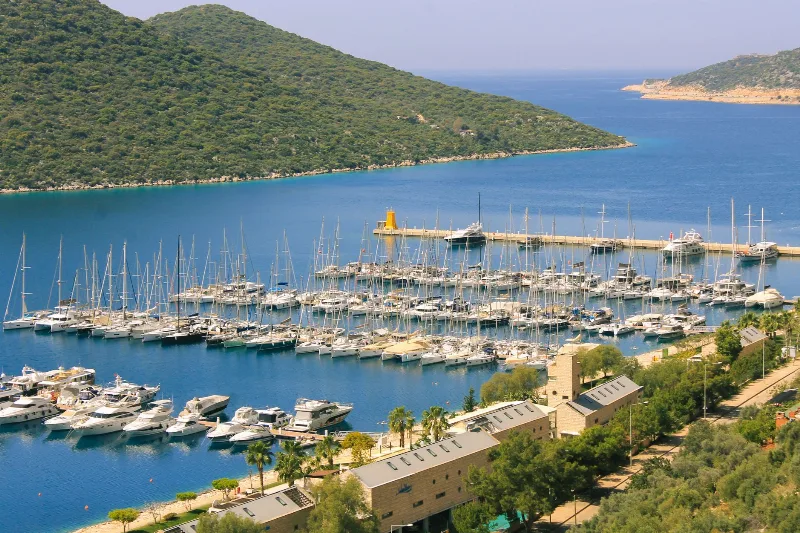
2-Day Kaş and Kalkan Route
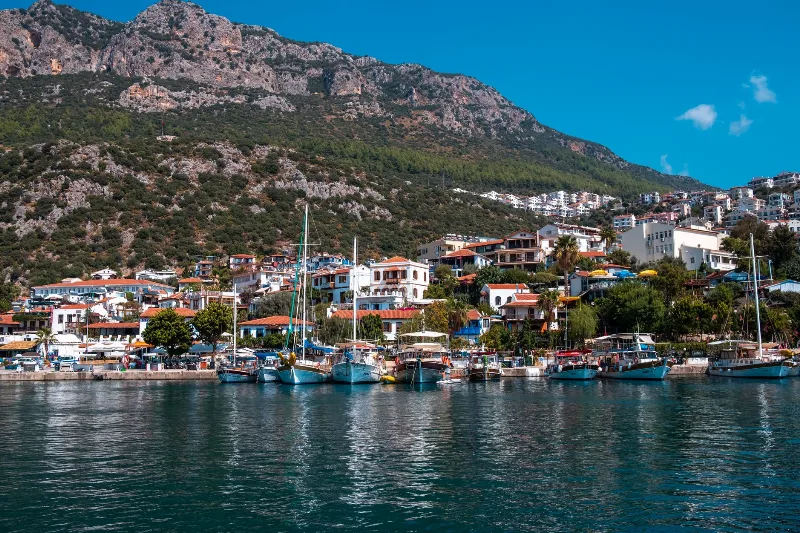
Two unhurried days on Türkiye's Turquoise Coast, linking the harbour town of Kaş and its Lycian tombs with a boat trip toward Kekova, the beach at Kaputaş and the old quarter of Kalkan.
5-Day Antalya to Fethiye Coastal Route
A five-day driving itinerary along Turkey's Mediterranean shore, linking Antalya, Phaselis, Olympos, Demre, Kekova, Kaş, Kalkan, Patara and Fethiye. The route is linear, coastal for most of its length, with short inland detours to Lycian ruins.
Beaches & Bays
Coasts, coves, islands and seaside places across Türkiye.