
The Serene Beauty of the Princes' Islands
STORIES FROM TÜRKİYE
The Princes' Islands sit in the Sea of Marmara just off the shores of Istanbul, close enough to be reached by ferry in under an hour and far enough to feel like a separate world. Known in Turkish as Adalar, they make up a district of Istanbul that consists of nine islands, where pine forests, rocky coves and timber houses take the place of traffic and tower blocks. For centuries the archipelago has offered both residents and visitors a calm interval by the sea.
Nine Islands in the Sea of Marmara
Four of the islands are inhabited and regularly served by ferries: Büyükada, Heybeliada, Burgazada and Kınalıada. Each has its own character, shaped by its size, its hills and the neighbourhoods that grew along its shoreline.
The remaining five are much smaller and largely untouched. Sedef Adası is known for its quiet gardens, while Yassıada, Sivriada, Kaşık Adası and Tavşan Adası remain mostly wild, with little or no public access.
The name Princes' Islands goes back to Byzantine times, when members of the imperial family and other prominent figures were sent into exile here. Monasteries rose on the hills, and the archipelago became a place of retreat, prayer and, for the exiled, quiet confinement.
Car-Free Streets and Wooden Mansions
Motor traffic is heavily restricted across the islands, so everyday life moves at the pace of walking, cycling and small electric shuttles. The horse-drawn carriages that once carried passengers along the main routes were retired in 2020, and the quiet roads now belong mostly to pedestrians.
Büyükada and Heybeliada hold the finest examples of island architecture: Ottoman-era timber konaks with wide bay windows, alongside Greek Orthodox and Levantine houses painted in soft pastel tones. Many stand behind garden walls shaded by mimosas, fig trees and climbing bougainvillea.
Street names, church courtyards and old school buildings still reflect the mixed communities that shaped island life, giving even a short walk a sense of layered history.
Monasteries and Layered History
Heybeliada is home to the Halki seminary, founded on Ümit Tepesi in 1844 and for generations a centre of Greek Orthodox education. Its buildings look out over the water and remain one of the most recognisable landmarks in the archipelago.
On Büyükada, a path climbs Yücetepe to the church of Aya Yorgi, a site of pilgrimage that draws visitors especially in spring. Burgazada has the monastery of Aya Yani, while the summit of Kınalıada is crowned by the remains associated with the Monastery of Christ.
These religious sites are not isolated monuments but part of a landscape where chapels, cemeteries and old stone walls appear unexpectedly among the pines.
Pine Forests and Coastlines
Turkish pines and stone pines cover much of the higher ground, mixed with maquis shrubs, rock roses and, in early spring, carpets of wildflowers. The scent of resin travels far on warm afternoons.
The coast alternates between small sandy beaches, pebbly coves and rocky ledges where islanders swim from late spring into early autumn. Water clarity changes with the season, and currents can be strong along some stretches, so care is always sensible.
From Kınalıada, the closest island to the city, the Istanbul skyline is visible across the Marmara, especially at sunset when the sea turns silver and the silhouettes of minarets and towers sharpen on the horizon.
Island Food and Local Produce
Island kitchens lean on what grows nearby and what comes from the sea. Seasonal wild greens such as deniz börülcesi are gathered along the shore, while gardens produce figs, mulberries, grapes and olives.
Typical dishes include stuffed vine leaves, fried mussels, fresh fish grilled simply with olive oil and lemon, and vegetable stews cooked slowly in the old island manner. Mulberry jam and pine honey are familiar pantry staples, often prepared at home and shared with neighbours.
The islands also have a long tradition of small bakeries turning out simit rings and sweet pastries, which travellers often carry with them on walks to the hilltops.
Seasons and Quiet Rhythms
Spring is the season of mimosa blossom and mild air, when the hillsides are at their greenest and the ferries are comfortable rather than crowded. Summer brings swimming, longer evenings and a livelier waterfront.
Autumn settles the islands into a gentler mood, with warm seas, softer light and fewer visitors on the paths. Winter is the quietest time of all, when storms sweep across the Marmara, the streets empty and the pines hold their colour through the rain.
Whatever the season, the Princes' Islands keep their essential character: a place where the sea sets the rhythm and the forest is never far away.
Historic places
Explore history →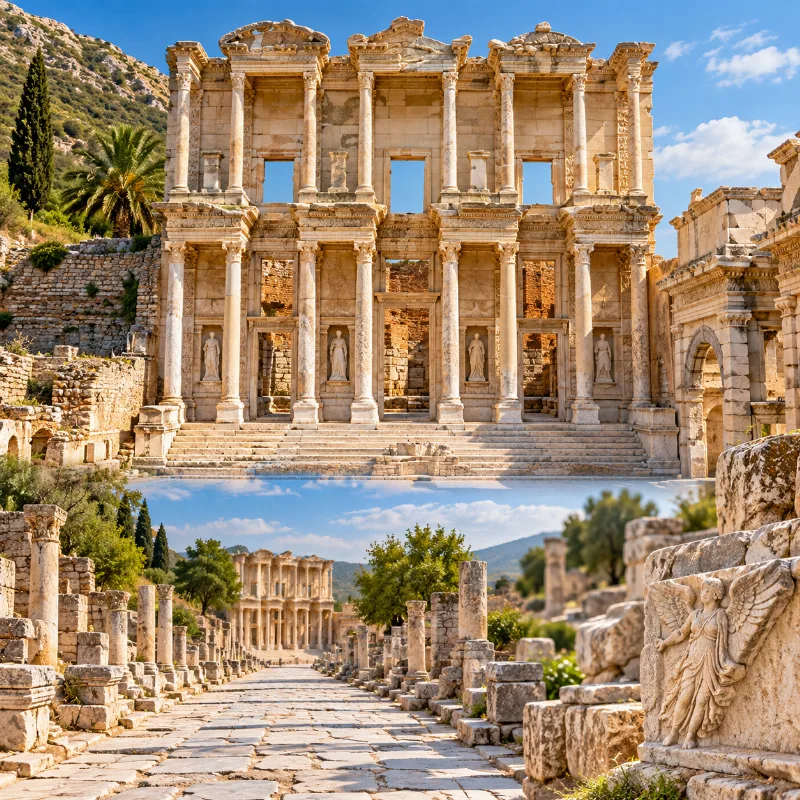
Ephesus
One of the best-preserved ancient cities in the Aegean, known for its monumental streets, library, theatre and Roman-era remains.
Explore →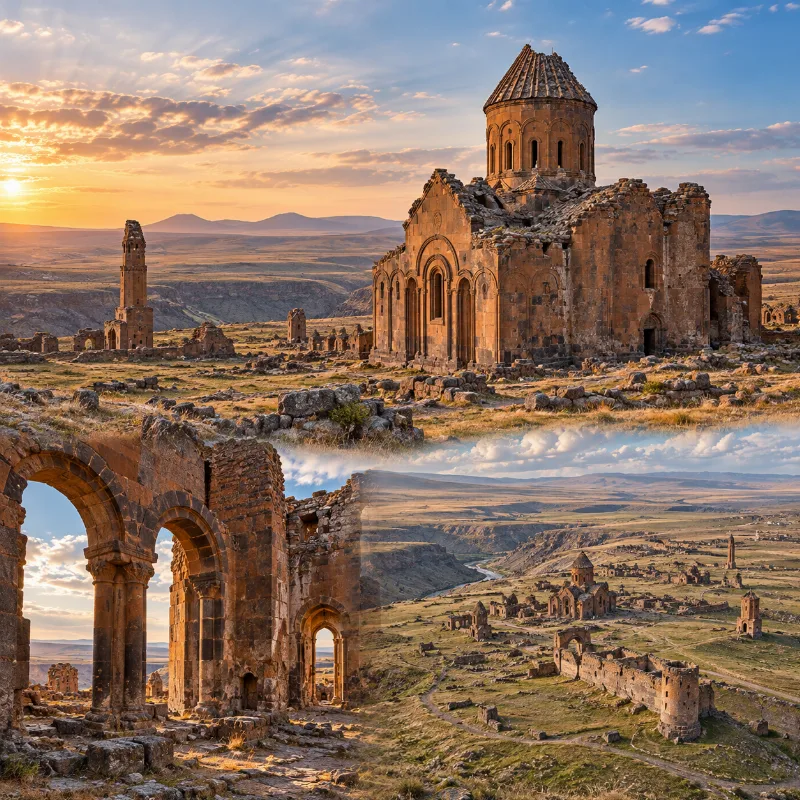
Ancient City of Ani
A medieval archaeological city near the Turkish-Armenian border, with churches, fortifications and monumental stone buildings.
Explore →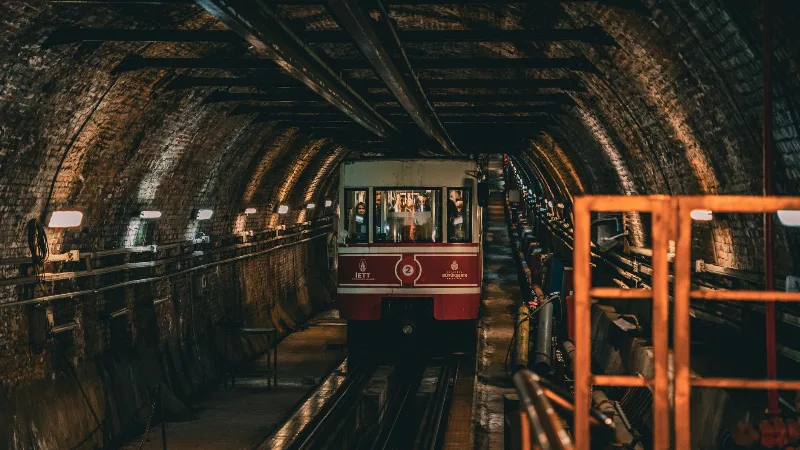
Kaymaklı Underground City
Kaymaklı Underground City is a multi-level subterranean complex in Nevşehir Province, Cappadocia, used as a refuge by early Christian communities. It features tunnels, stone doors, storage rooms, and churches carved into volcanic tuff.
Explore →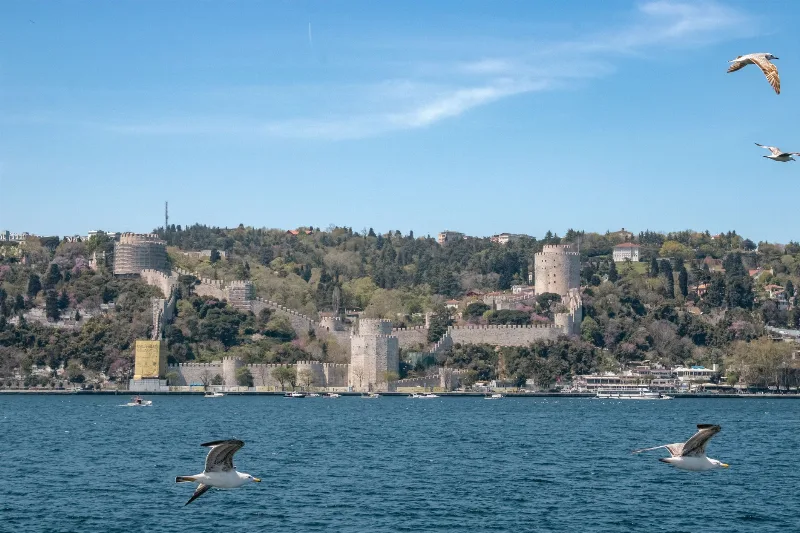
Anadolu Hisarı
Anadolu Hisarı is an Ottoman fortress built by Sultan Bayezid I in 1393–1394 on the Asian shore of the Bosphorus in Istanbul, commanding the narrowest stretch of the strait. Long described as the oldest surviving Ottoman building in the city, it was later reinforced by Mehmed II in preparation for the conquest of Constantinople.
Explore →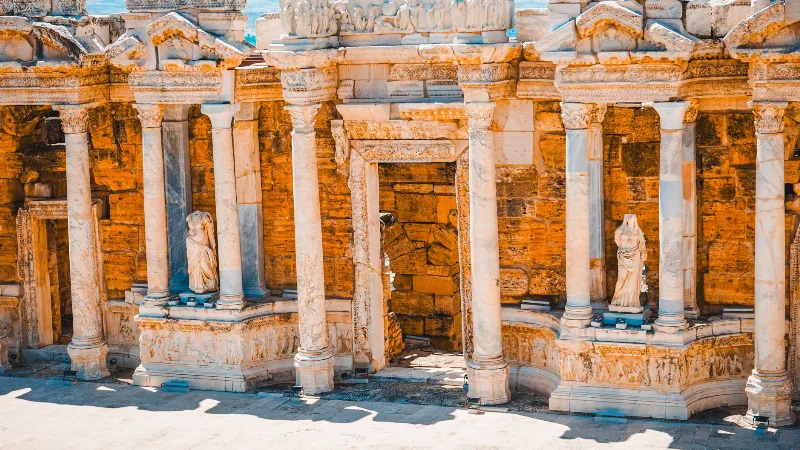
Hierapolis
Hierapolis is an ancient city in Denizli Province, Türkiye, built beside the hot springs and travertine terraces of Pamukkale. Its Roman theatre, vast necropolis, baths and the sanctuary of Apollo make it one of the most extensively preserved Greco-Roman cities in Anatolia and a UNESCO World Heritage Site.
Explore →Related content
Istanbul
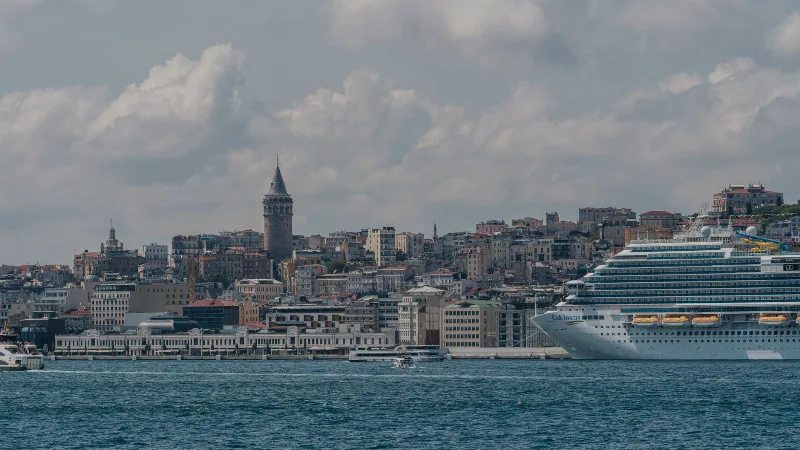
Istanbul is Türkiye's largest city and the country's only metropolis that spans two continents, divided by the Bosphorus strait into a European and an Asian half. Its long run as an imperial capital left a historic core of palaces, mosques and bazaars that still shapes the city's identity.
Marmara Region
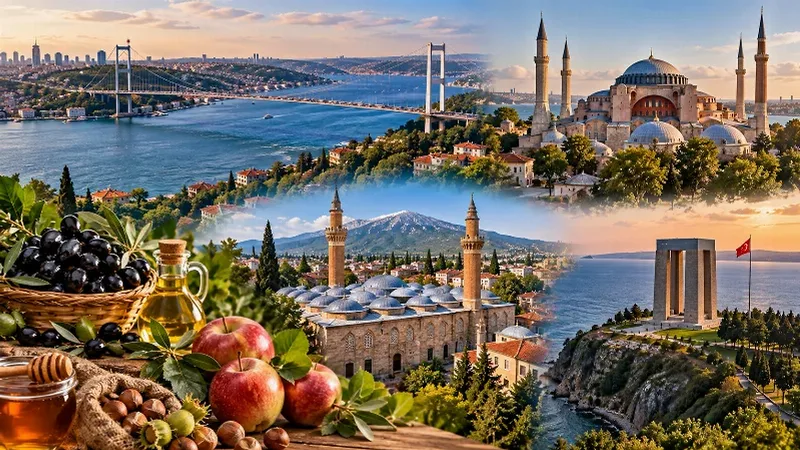
The Marmara Region connects Europe and Asia, bringing together historic cities, beautiful coastlines, green landscapes and a rich cultural heritage. From Istanbul's iconic skyline to the peaceful shores of the Marmara Sea, the region offers a remarkable variety of places to discover.
The Serene Lakes of Türkiye
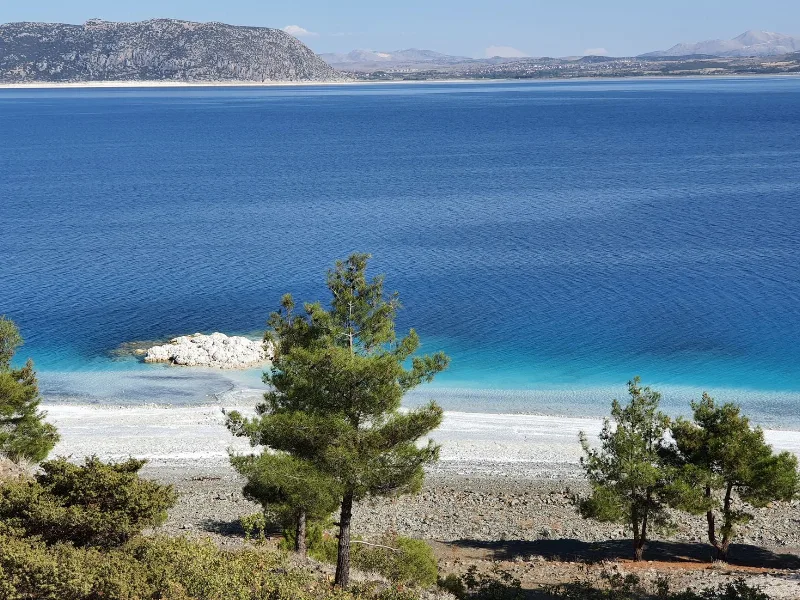
Türkiye’s lakes range from vast soda lakes to salt flats and freshwater basins, each offering calm landscapes and rich wildlife. This page introduces notable lakes across different regions and their seasonal character.
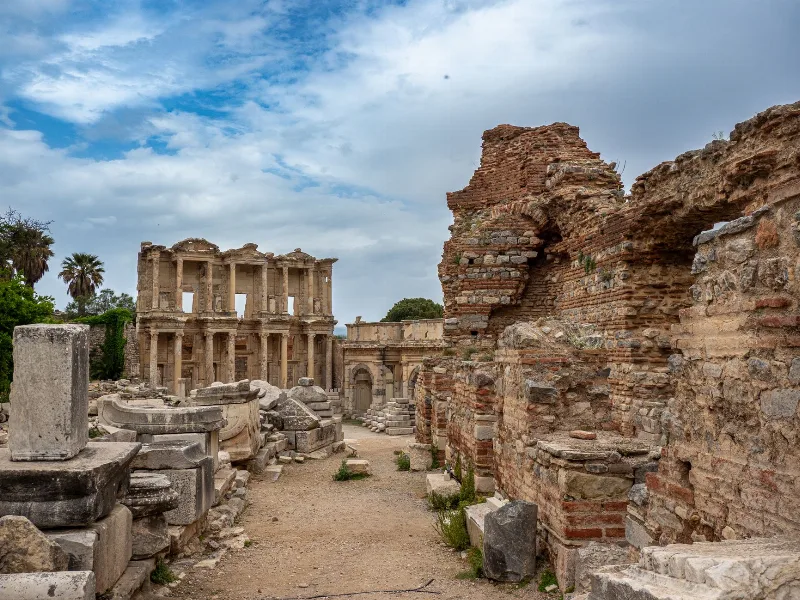
Historic Places in Türkiye
Discover Türkiye's rich history through its ancient cities and iconic landmarks.
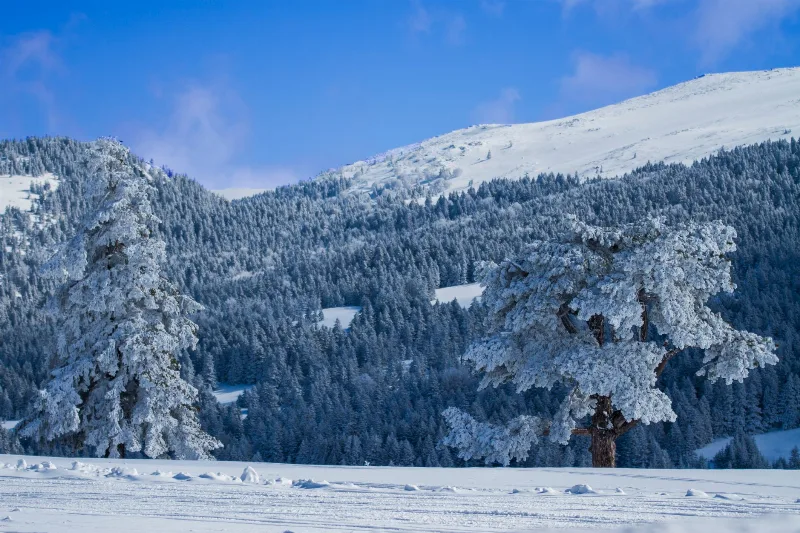
Skiing in Uludağ
Discover skiing in Uludağ, a top winter sports destination in Türkiye, offering stunning landscapes and excellent slopes.
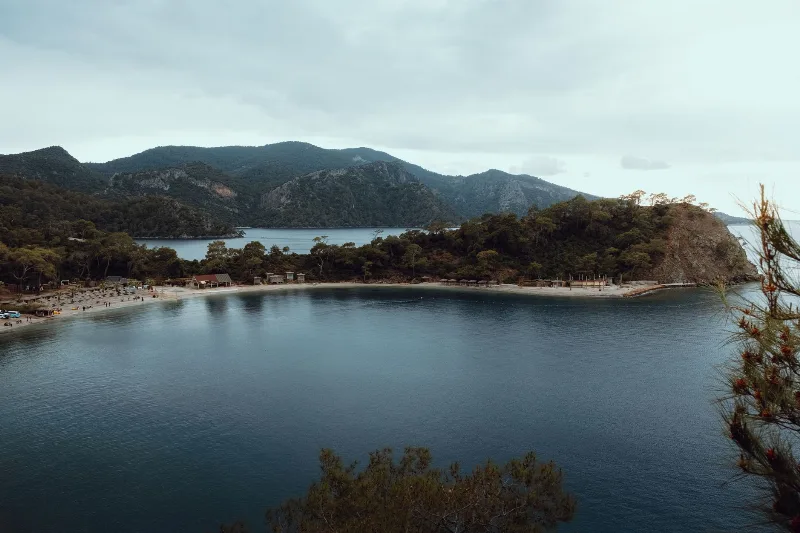
Fethiye's Scenic Beauty
Fethiye blends turquoise Mediterranean bays with pine-covered mountains and Lycian history. Its lagoons, coves and gorges make the southwestern coast of Türkiye a rewarding place to explore.