
Mudanya
Mudanya is a coastal district of Bursa Province on the southern shore of the Sea of Marmara, known for the house where the 1922 Armistice of Mudanya was signed, its working harbour, and its long shoreline of olive groves and former Greek villages.
Mudanya is a district of Bursa Province in north-western Türkiye, laid out along the southern shore of the Sea of Marmara where the Gulf of Mudanya reaches inland towards the city of Bursa. It is a genuine district centre rather than a resort strip: a compact town with a ferry pier, a historic waterfront, a market street and a hinterland of olive groves and small coastal villages. What distinguishes it most clearly is its role in modern Turkish history — the Armistice of Mudanya was signed here in October 1922 — and its long-standing function as the sea outlet of Bursa, a city lying roughly 25 kilometres to the south-east.
Where Mudanya sits between Bursa and the Marmara
The district occupies the southern rim of the gulf, with the sea to the north and rising ground to the south. Behind the town the land climbs into low wooded hills that eventually merge with the northern approaches of the Uludağ massif, the mountain that dominates the skyline of Bursa. Inland, Mudanya borders Nilüfer district, the fast-growing western edge of the Bursa conurbation, so the district is simultaneously a seaside settlement and part of a large metropolitan area's outer ring.
The coastline is the defining feature of the district's geography. It runs east from the town centre towards Güzelyalı and Burgaz, and west towards Tirilye and Eşkel, alternating between pebbly beaches, low cliffs, small harbours and stretches where olive trees come almost down to the water. Because the district stretches for many kilometres along this shore, Mudanya should be understood as a town plus a coastal hinterland, not simply as a single seafront.
A town built around its pier and promenade
Central Mudanya is small enough to cross on foot. Life is oriented towards the water: the ferry pier, the wide promenade behind it, and the parallel streets of the old core where nineteenth-century Ottoman houses with wide eaves and bay windows survive in reasonable numbers alongside newer apartment blocks. The waterfront is where the town is busiest in the evenings, with seafood central to local identity and small fish restaurants occupying the shoreline.
The urban character is that of a harbour town that grew rich on movement — passengers, freight and, later, summer visitors — rather than on industry. Streets immediately behind the promenade hold the everyday commercial centre: banks, bakeries, greengrocers, cafes and the weekly market, where produce from the surrounding countryside arrives from the villages of the district.
The Armistice House and the town's historical weight
Mudanya's place in history comes from the armistice signed here on 11 October 1922, which ended hostilities between the Turkish forces and the Allied powers in the region in the run-up to the Lausanne negotiations. The building where the agreement was concluded, a waterfront house near the pier, is preserved as a museum and is the reason many Turkish visitors first know the town's name. It anchors the centre and gives Mudanya a symbolic role in the story of the modern republic that far exceeds its size.
The town is much older than that episode, however. It was known in antiquity as Myrlea, later as Apamea, and served for centuries as the port through which Bursa's trade reached the sea. Silk, agricultural goods and travellers moved between the two settlements long before the modern road existed, and the relationship between inland Bursa and its coastal gateway still shapes how the district functions today.
The shoreline beyond the centre
East of the town, Güzelyalı and Burgaz form the district's main summer settlement belt, with low-rise housing, beach clubs and a shoreline that fills with second-home owners from Bursa in July and August. West of the centre the character changes: the coast becomes quieter, the olive groves denser, and the settlements smaller.
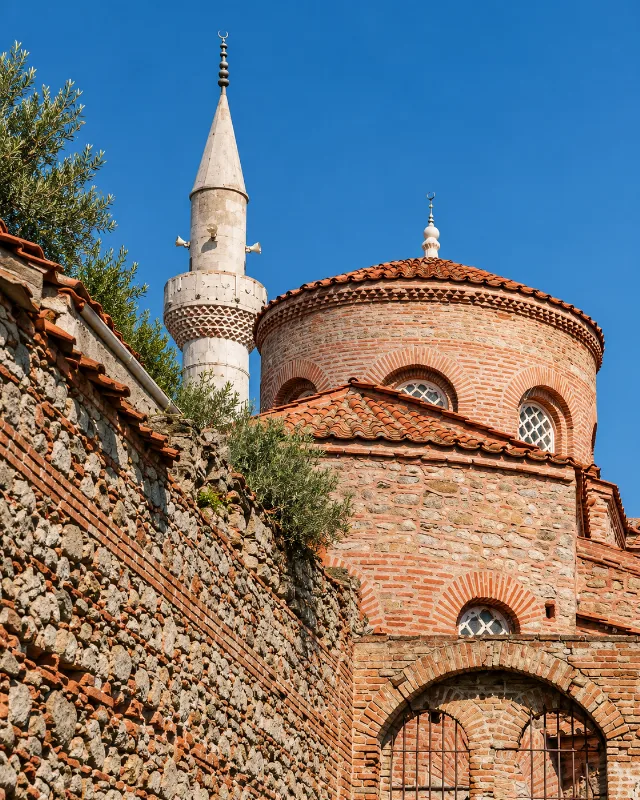
Tirilye, also known as Zeytinbağı, is the most distinctive of these. A former Greek Orthodox village, it retains stone houses, churches and a small harbour, and is administratively part of Mudanya district. Further west along the same shore lies Eşkel, another old coastal settlement with a sheltered bay. These villages are best understood as part of the Mudanya coastline rather than as separate destinations, and they are where the district's architectural and cultural identity is most visible.
Olives, fishing and the rural economy
The hills behind the coast are olive country. Table olives and olive oil from Mudanya and the surrounding villages are a recognised part of the district's identity, and the harvest in late autumn is the point in the year when the rural side of the district is most active. Fishing continues alongside it, though on a smaller scale than in the past, and the daily catch still determines what appears on the waterfront in the evening. Agriculture here is not a backdrop for visitors; it is the working landscape that keeps the coastline open rather than built over.
Climate and when the district is liveliest
Mudanya has a transitional Marmara climate: summers are hot and humid with long stretches of clear weather, winters are mild and wet with occasional cold spells, and snow on the coast is rare although the hills behind can turn white. Spring, from April to June, and early autumn, in September and October, are the most comfortable periods for walking the coast and exploring the villages. The sea warms slowly and stays pleasant into September. The waterfront is at its busiest during July and August, when Bursa families move down to the coast, and quietest in winter, when the town reverts to its harbour-town routine.
Getting there and moving around
The district is connected to Istanbul by fast passenger ferries that cross the Sea of Marmara to the pier at Mudanya, making the town a practical alternative arrival point for travellers heading to Bursa. By road, it is a short drive from central Bursa along a dual carriageway that passes through the Nilüfer district, and minibuses run frequently between the two. The town centre is walkable, but the beaches and villages along the coast are spread out and are generally reached by local transport or by car.
How Mudanya relates to the wider region
Mudanya sits at the hinge between Bursa and the Marmara. To the east, the Gulf of Gemlik continues towards Gemlik itself and the İznik road; to the south-east lies Bursa with its Ottoman monuments, thermal springs and the slopes of Uludağ; to the north, across the water, is the Istanbul side of the sea. Within a short radius are historic villages, mountain scenery and the wetlands around the Nilüfer plain. Mudanya is therefore best treated as the coastal face of Bursa — a district where the city meets the sea, with a museum, a harbour and an olive-growing shoreline that together explain why the place has mattered for so long.
Discover Food in Türkiye
All food →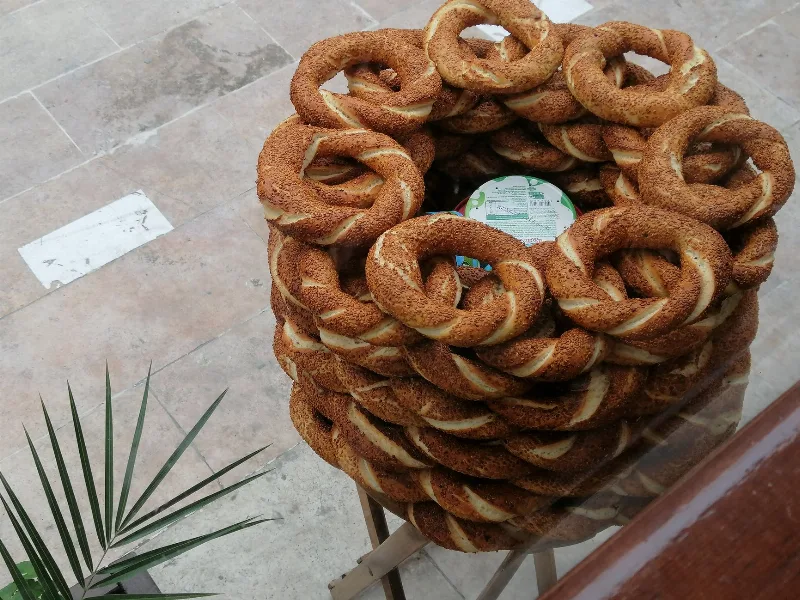
Simit
Simit is a ring-shaped Turkish bread covered in sesame seeds, strongly associated with Istanbul and sold as everyday street food. It is eaten fresh, most often with tea, and has a crisp crust around a chewy crumb.
Explore →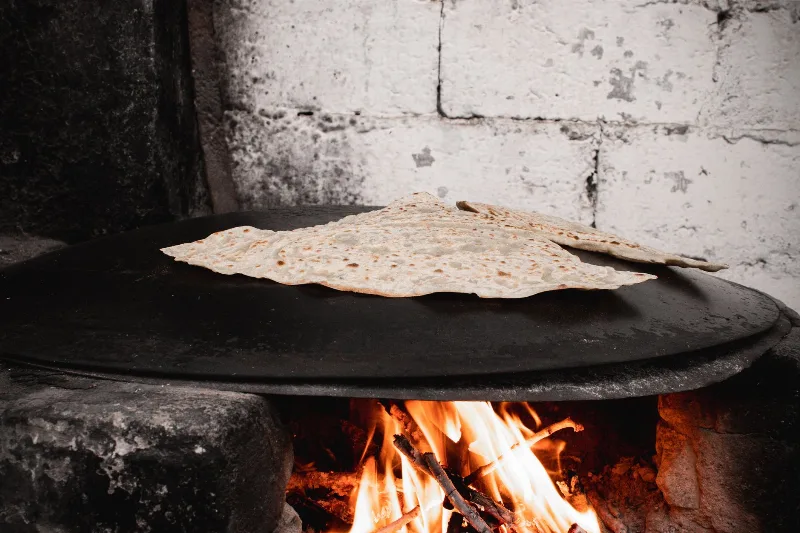
Bazlama
Bazlama is a soft, thick Turkish flatbread made from a leavened dough and cooked on a hot griddle. It is a staple of village baking across Anatolia, eaten warm with butter or used to wrap other foods.
Explore →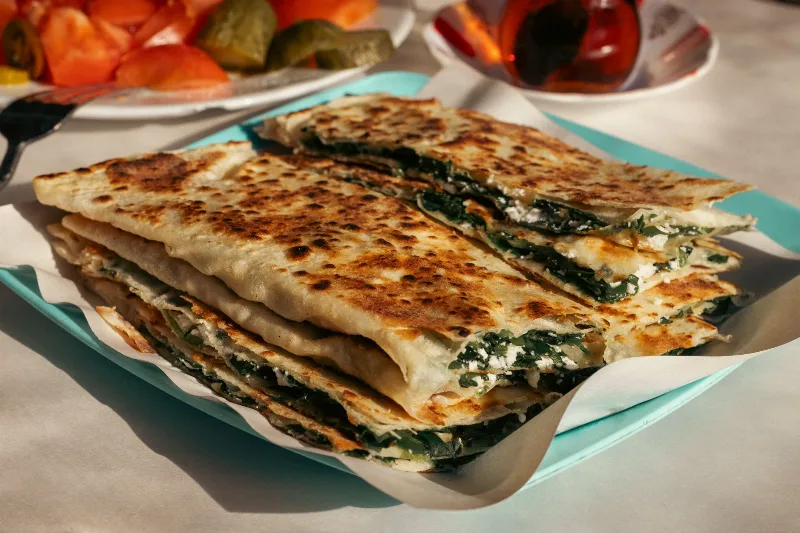
Gözleme
Gözleme is a thin, hand-rolled Anatolian flatbread folded around savory fillings such as cheese, spinach, or minced meat and cooked on a sac griddle. The article covers its regional variations, cooking method, texture, and traditional serving style.
Explore →Related content
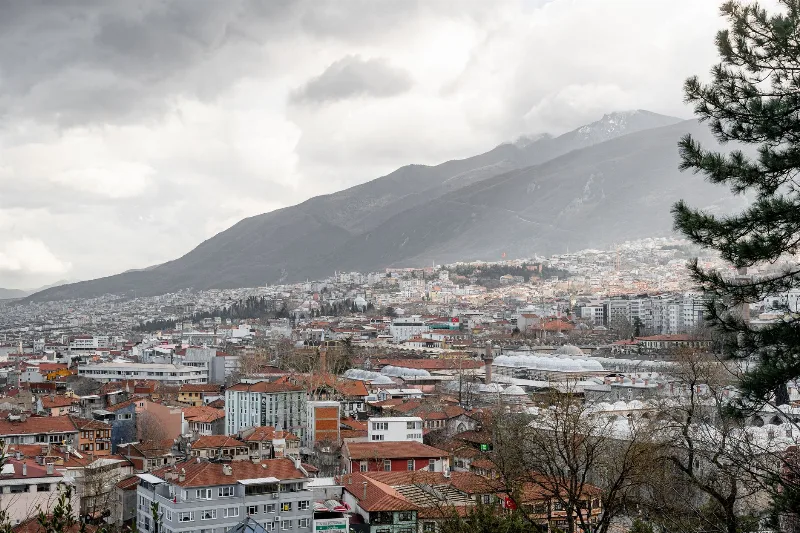
Bursa
Bursa is a major metropolitan city in northwestern Türkiye and the first great capital of the Ottoman Empire, known for its silk heritage, thermal springs and the mountain of Uludağ rising directly behind it.
Istanbul
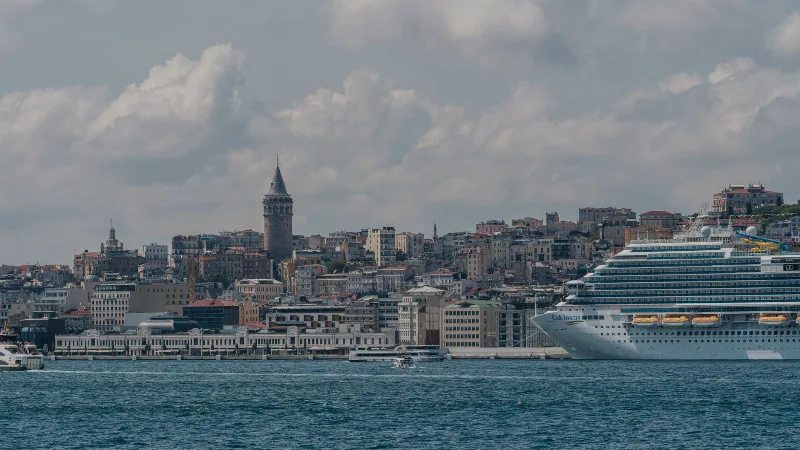
Istanbul is Türkiye's largest city and the country's only metropolis that spans two continents, divided by the Bosphorus strait into a European and an Asian half. Its long run as an imperial capital left a historic core of palaces, mosques and bazaars that still shapes the city's identity.
Gemlik
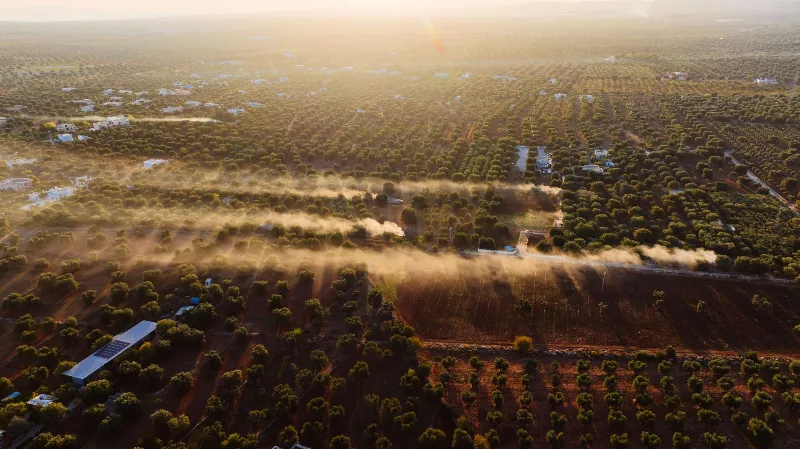
Gemlik is a coastal district of Bursa Province on the Gulf of Gemlik, an inlet of the Sea of Marmara, known for its olive groves, its working port and its position between Bursa and Istanbul.
Olive Harvest in Gemlik, Bursa
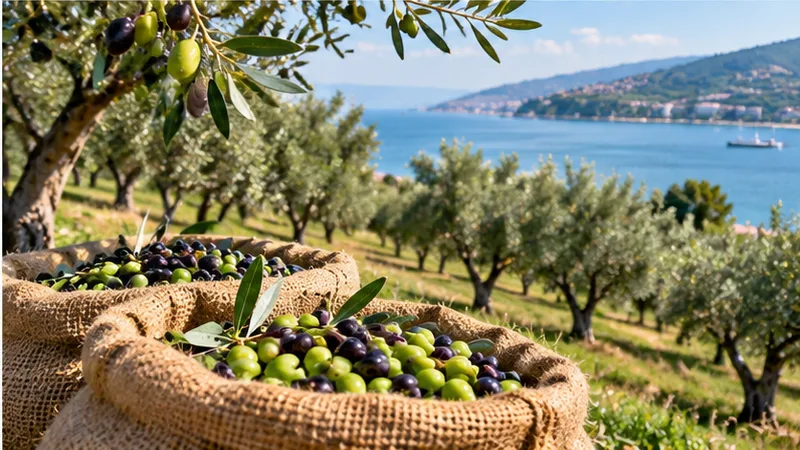
Each winter, the groves around Gemlik on the Sea of Marmara are stripped of their small dark olives, and the fruit is turned into table olives and oil within days of picking. The harvest normally runs from November into January, and its exact timing depends heavily on how the autumn weather unfolds.
Gemlik Olives
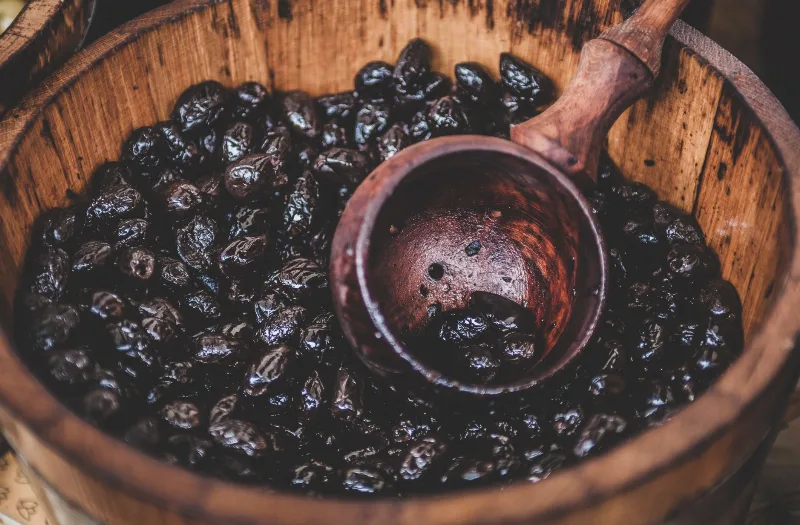
Gemlik olives are the small, dark table olives grown around the Gulf of Gemlik in Bursa province, where the mild climate of the Marmara coast shapes their firm texture and rich, faintly bitter flavour.
Trilye
Trilye, also known as Tirilye or Zeytinbağı, is a coastal town in Mudanya, Bursa, with a rich Greek heritage, traditional stone houses, and extensive olive groves.