
Isparta Cherries
Isparta cherries are the sweet cherries of Türkiye's Lakes Region, grown on high ground where cold winters and dry, sunlit summers give the fruit its size and sweetness.
Isparta cherries are sweet cherries (Prunus avium) grown in and around the province of Isparta in south-western Türkiye, a landscape of freshwater lakes, limestone slopes and high plateaus usually called the Lakes Region. The provincial capital stands at roughly a thousand metres above sea level, and much of the cherry land lies on similar or higher ground. That altitude is the reason the province is associated so strongly with the crop: it gives the trees the cold they need in winter, then delivers a long, bright, largely rainless ripening period in early summer. Isparta is also a major apple and rose-growing province, but cherries hold a distinct place in its agricultural identity because they ripen early, travel well when handled properly, and fetch strong prices at the start of the season.
A Lakes Region Setting at Altitude
Isparta sits inland from the Mediterranean coast, but its climate is not a coastal one. The sea's influence arrives in a modified form: enough warmth and sunshine to ripen fruit thoroughly, yet tempered by elevation, so that nights stay cool even in midsummer. Cold air settles over the basins in winter, and snow is a normal part of the year. Around the province, lakes such as Lake Eğirdir moderate local conditions slightly and support irrigation, while the surrounding hills provide the free-draining slopes that cherry trees prefer.
The best cherry ground in the province tends to be on sloping land rather than in the damp floor of a valley. Slopes shed cold air and excess water, warm early in spring, and keep orchards well ventilated, which matters greatly for a fruit that can split or rot when moisture lingers.
Why the Local Climate Suits Sweet Cherries
Sweet cherries are demanding about winter. The trees must experience a sustained period of low temperatures before they will break dormancy reliably and flower evenly, and the cold Anatolian winters of the Isparta plateau supply that chill without the severe, damaging frosts of higher and harsher zones.
The summer side of the equation matters just as much. Ripening cherries need heat and light, but rain arriving in the final weeks before harvest is a serious problem: it swells the fruit, cracks the skin and encourages fungal disease. Isparta's long, dry, sunny summers reduce that risk considerably, and the wide swing between warm days and cool nights helps the fruit build sugar while keeping its texture firm. Deep, well-drained soils over limestone, common in the province, suit a tree that dislikes waterlogged roots.
The Tree, the Orchard and the Pollination Question
Cherry is a deciduous tree of the rose family, grown in Türkiye both on its own roots and, very commonly, grafted onto rootstocks that control vigour and allow planting on poorer or shallower ground. Trees are trained into open centres so that light and air reach the interior of the canopy.
Most sweet cherry varieties cannot set a good crop with their own pollen. Growers therefore plant pollinizer varieties among the main trees and rely on bees at flowering time, which makes the arrangement of an orchard almost as important as its soil. A block of cherries is a planned community of varieties, not a single uniform planting, and the choice of which varieties to combine is one of the most consequential decisions a grower makes.
Flowering, Ripening and the Harvest Window
Cherry trees flower in spring, and in Isparta that bloom is a late one compared with the warm coastal belts, which reduces the chance of blossom being caught by a hard frost. Fruit then develops through late spring, with harvest generally falling in the early summer months and shifting according to elevation and variety. Lower and earlier plots are picked first; higher plots follow.
Cherries are picked by hand, with the stalk left attached because the stem keeps the fruit in better condition and extends its shelf life. Harvest crews move through the orchard repeatedly rather than stripping a tree in one pass, since cherries on the same tree do not all ripen together. Picking usually takes place in the cooler hours so that the fruit goes into the crate without field heat.
What an Isparta Cherry Looks and Tastes Like
The fruit is large and heart-shaped to round, with glossy skin that ranges from bright crimson to a deep, near-black red depending on variety and ripeness. The flesh is firm and juicy, coloured from pale cream to dark red, and the flavour is sweet with a mild acidity that keeps it from cloying. That balance of sugar and freshness, together with a firm bite that survives packing and transport, is what makes the province's cherries marketable well beyond its own borders.
From Orchard to Market
Cherries are highly perishable and are handled as a fresh fruit above all. Speed from tree to cool store is the defining discipline of the local harvest. Fruit that is not sold fresh may be frozen, juiced or turned into preserves and fruit products in the region. In domestic kitchens, cherries are eaten out of hand, folded into compotes and fruit salads, and used in cakes and desserts; a portion of each season's crop is also traditionally preserved as jam or stored by freezing for the winter months.
Cherries in the Local Agricultural Landscape
Cherry orchards have become a familiar feature of the villages and hillsides around Isparta, mingling with apple plantings and the rose fields for which the province is separately known. Because the crop is labour-intensive at harvest, it supports seasonal work and a network of packers and transporters, and it gives small and medium-sized holdings a high-value product that can be grown on land too steep or too dry for field crops. The sight of white blossom across the slopes in spring and of picking crews in the orchards at the start of summer marks the rhythm of the year in the cherry districts.
Other Cherry Areas and How Isparta Differs
Cherries are grown in several parts of Türkiye, including the well-known orchards around Kemalpaşa in İzmir province and various districts of the interior. Isparta's position is distinctive because of its combination of genuine winter cold, high elevation and a dry early-summer ripening period — conditions that favour firm, sweet fruit and a harvest that arrives later than in the warmest coastal zones, extending the season for Turkish cherries as a whole.
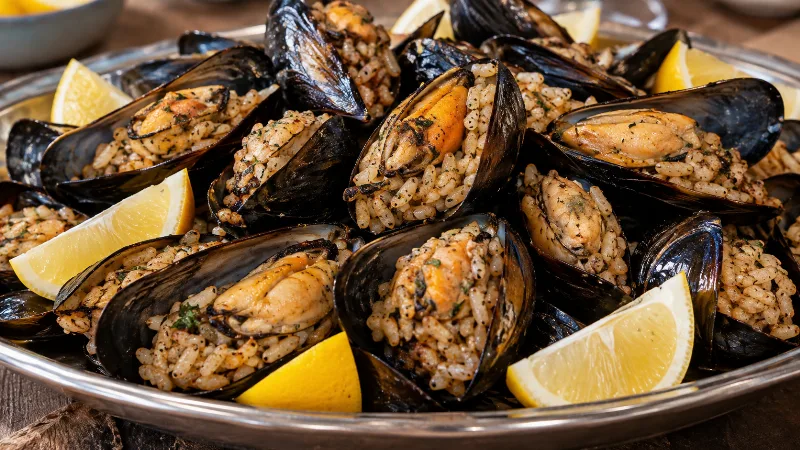
Midye Dolma
Midye dolma are mussels filled with a spiced rice mixture of pine nuts, currants and herbs, sold from trays on street corners and prepared at home along Türkiye's Aegean and Marmara coasts.
Explore →
Kokoreç
Kokoreç is a Turkish street food of lamb intestines wound around a skewer, grilled over charcoal and chopped with hot pepper and oregano. It is most often eaten stuffed into half a loaf of bread, and its two best-known styles come from Istanbul and İzmir.
Explore →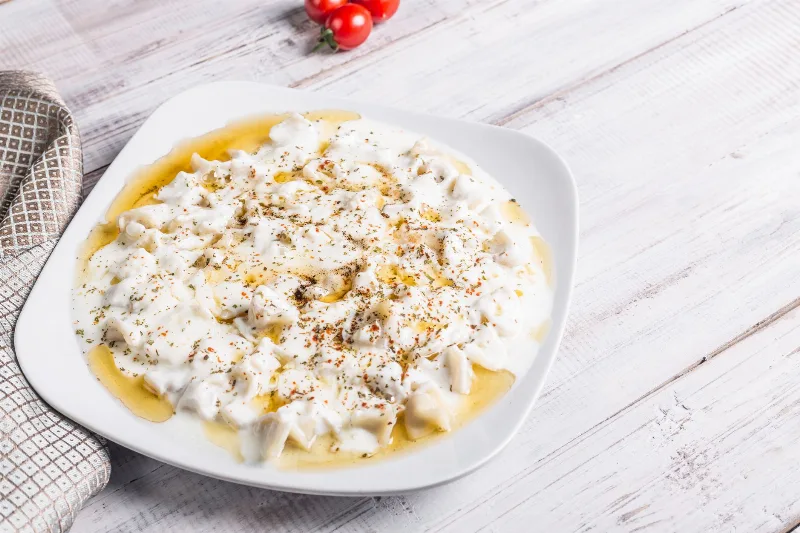
Mantı
Mantı are small boiled Turkish dumplings filled with minced meat and onion, traditionally served with garlic yogurt and melted butter. The dish is most closely associated with Kayseri, where the dumplings are folded exceptionally small.
Explore →Related content
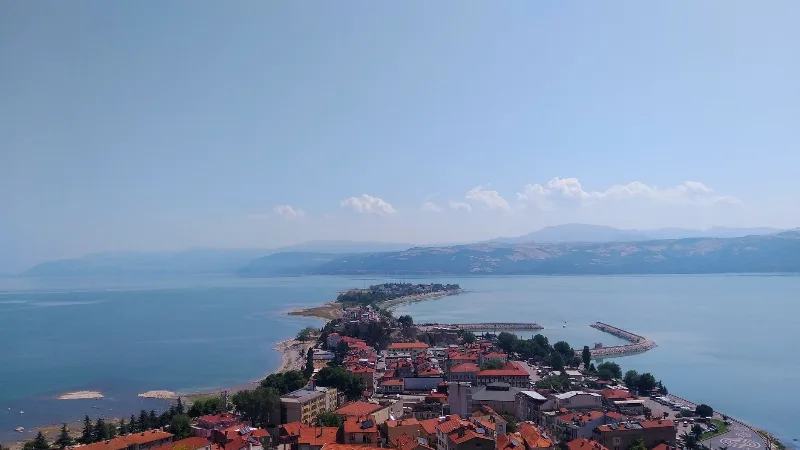
Isparta
Isparta is a city in southwestern Türkiye, renowned for its rose oil production and apple orchards. It serves as a hub for the Lakes Region, with Lake Eğirdir and several natural parks nearby.

Lake Eğirdir
A large freshwater lake in the Lakes District of Isparta Province, south-western Türkiye, Eğirdir is divided into two connected basins by a narrow strait and ringed by mountains.
Isparta Rose Gardens and Rose Oil Distillation
The rose gardens around Isparta supply the Damask petals from which one of the world's most precious essential oils is drawn, using copper stills and methods passed down through generations of local families.
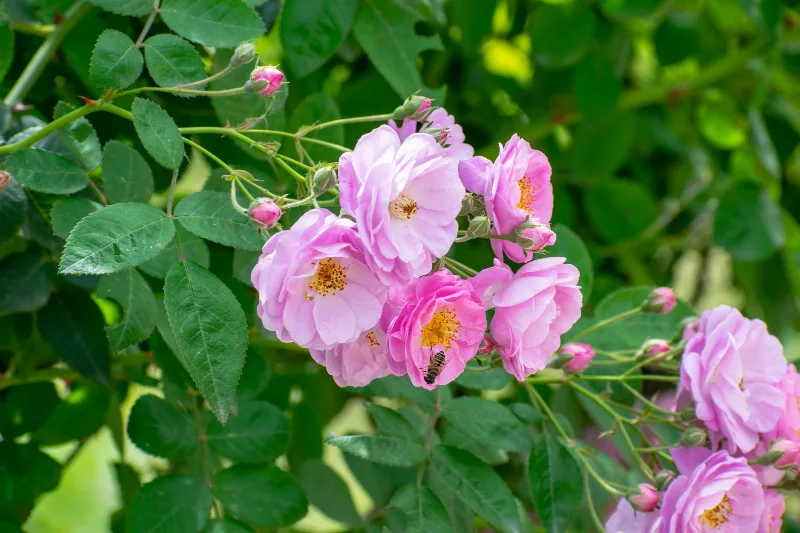
İsparta Roses
İsparta roses are the Damask rose grown around Isparta in southwestern Türkiye, where a dry, high-altitude climate and snow-fed soils give the flowers enough essential oil to support a long-standing rose oil and rose water industry.

The Rose Harvest in Isparta
Every spring the gardens around Isparta in Türkiye blush with Damask roses, and the picking begins long before dawn. It is a season of pink fields, copper stills and a fragrance that follows you through the streets.
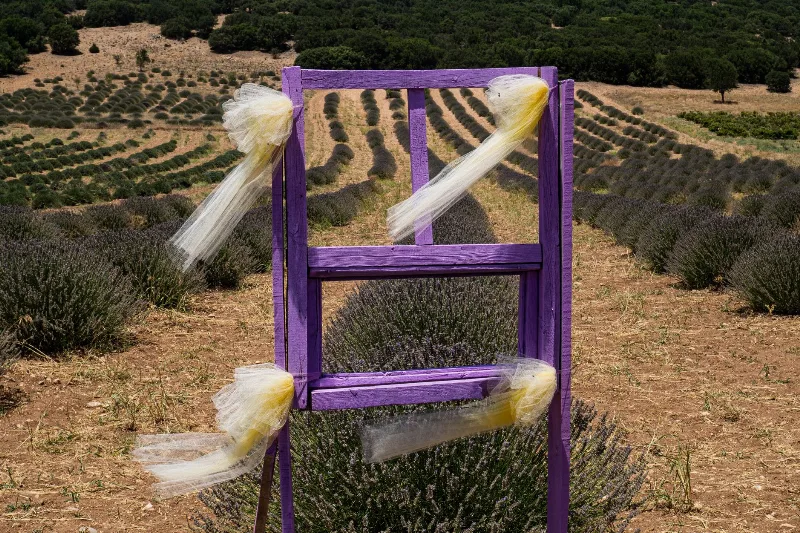
Lavender Bloom in Kuyucak, Isparta
Each summer the village of Kuyucak in Isparta province turns purple as its lavender fields come into full flower, usually from July into August. The bloom is short, weather-dependent, and tied directly to the harvest that follows it.