
Konya Carrots
Konya carrots are grown on the irrigated plains of central Türkiye, where deep alluvial soils and a continental climate produce firm, sweet and crunchy roots.
Konya carrots are the carrots cultivated on the broad plains around the city of Konya, in the Central Anatolia region of Türkiye. Konya is among the provinces most strongly associated with carrot growing in the country, and the roots harvested here are generally described as firm, crunchy and sweet. The connection between the crop and the place rests on two things: land and water. The flat, deep soils of the Konya Plain, combined with irrigation drawn from regional rivers, canals and wells, allow carrots to be grown across large fields and lifted cleanly from the ground.
The Konya Plain and the Water That Makes Carrot Growing Possible
Konya lies in the middle of the Central Anatolian plateau, on a wide and almost level plain ringed by mountain ranges. In its natural state much of the province is dry steppe, and farming depends heavily on managed irrigation. Water is moved onto cultivated land through a network of canals, reservoirs and wells, fed by the region's rivers and lakes. One of the largest freshwater lakes in the country, Lake Beyşehir, lies within the province, and the streams and channels that cross the plain form the backbone of local agriculture. Without this controlled water supply, large-scale vegetable production on the plain would not be possible. With it, fields of carrots, sugar beet, maize and wheat sit alongside one another, sharing the same irrigated ground.
Why the Local Climate and Soil Suit Carrots
Konya has a continental climate, with hot, dry summers, cold winters and relatively low annual rainfall. Carrots handle this pattern well because they are a cool-season root crop that is sown and harvested around the hottest part of the year. Long, bright days during the growing period support strong leaf growth, which in turn feeds the root, while cooler conditions at the end of the season favour the build-up of sugars in the carrot itself. The soils of the plain are another advantage. Deep alluvial deposits left by old rivers and lakes have produced loose, light-textured ground that drains freely and offers little resistance to a growing root. Carrots need exactly this kind of open soil, free of stones and heavy clay, because obstacles and compaction cause roots to fork, twist or split. On the Konya Plain, roots can extend straight downward and be pulled or lifted without breaking.
The Carrot Plant and Its Growing Cycle
The carrot is Daucus carota, a biennial plant that is grown as an annual crop for its taproot. Carrot seed is sown directly into prepared ground; the crop is not transplanted, because disturbance damages the developing root. The seed is small and slow to germinate, so the soil must be kept moist in the first weeks after sowing, which is one reason reliable irrigation matters so much here. Once established, the plants develop a rosette of finely divided leaves while the edible root thickens below ground. The root is usually ready to lift roughly three to four months after sowing, depending on the sowing date and the weather. Growers on the plain typically sow across spring and early summer and lift from late summer into the autumn, with some fields left later so that roots mature in cooler conditions. Because the crop is grown from seed each season, field preparation, sowing dates and water management are decided afresh every year.
Harvest, Washing and Storage
On the larger fields of the Konya Plain, carrots are usually lifted mechanically, with machines that loosen the soil and pull the roots in a single pass. On smaller plots, harvesting may still be done by hand. After lifting, the leafy tops are removed, since they continue to draw moisture from the root and shorten its storage life. The carrots are then washed, graded by size and quality, and either sent to fresh markets or placed in cool storage. The region's cool autumn nights and low humidity help here, and controlled cold storage allows roots harvested in one season to reach buyers over a much longer period. Grading also separates roots destined for the fresh market from those intended for processing.
What a Konya Carrot Looks and Tastes Like
Konya carrots are generally long, well-shaped roots with a deep orange colour and a smooth surface, the result of growing in stone-free, uniform soil. Their most remarked-upon quality is texture: the roots are crisp and snap cleanly when broken. In flavour they are sweet and mild rather than sharp or earthy, which makes them pleasant to eat raw as well as cooked. Sweetness in carrots comes from sugars stored in the root, and it is influenced by the balance of warm growing days, cooler ripening conditions and steady but not excessive irrigation. Roots that mature too quickly in dry heat can turn woody, while roots that sit in waterlogged ground lose quality and keep poorly. The managed water regime of the Konya Plain is therefore as important to flavour and texture as the soil itself.
Carrots in the Agricultural Landscape of Konya
Carrots are one of the irrigated field crops that shape the farming pattern of the province, particularly in the agricultural districts south and east of the city, such as Çumra and Ereğli, where irrigation infrastructure supports intensive cultivation. Carrot fields rarely stand alone. They are usually grown in rotation with other crops, including sugar beet, wheat, maize and legumes, a practice that helps manage soil fertility, pests and weeds. This rotation is part of what makes the plain recognisable as a working agricultural landscape rather than a single-crop zone: at different times of year the same ground may hold beet, cereal or vegetables. Carrot growing also supports local employment in sowing, weeding, irrigation, harvesting, washing and packing, and it feeds a supply chain that reaches markets well beyond the province.
How Konya Carrots Are Used
Because of their firm texture and sweet taste, Konya carrots work well both raw and cooked. They are eaten fresh, grated into salads and used as a snack. In Turkish home cooking, carrots appear in soups, stews and vegetable dishes, and they are often cooked alongside rice, potatoes or meat. They are also a common ingredient in mixed pickles, where their natural sweetness balances the vinegar and salt. Grated carrot preparations are served as part of a meze spread, and carrot juice is widely consumed. In industrial food processing, carrots from large growing areas are used in frozen and canned products and in prepared foods.
Other Places in Türkiye Where Carrots Are Grown
Konya is not the only carrot-growing area in Türkiye, but it is one of the most significant in terms of cultivated area and volume. Carrots are also grown in the Beypazarı district of Ankara, in parts of Hatay in the south, and in several other irrigated districts across the country. What sets regions apart is the combination of soil, water and climate: light, deep soils and dependable irrigation favour straight, well-coloured roots, while the specific balance of heat and cool nights in each area influences sweetness and keeping quality. For a buyer or a cook, the practical difference is that carrots from the Konya Plain are consistently available through much of the year, thanks to the province's scale of production and its storage capacity.

Lahmacun
Lahmacun is a thin, round flatbread spread with finely minced meat, tomato, pepper and spices, baked quickly at high heat and served with lemon and fresh parsley. It is one of Türkiye's most recognisable street and oven foods, with strong regional traditions across the southeast and beyond.
Explore →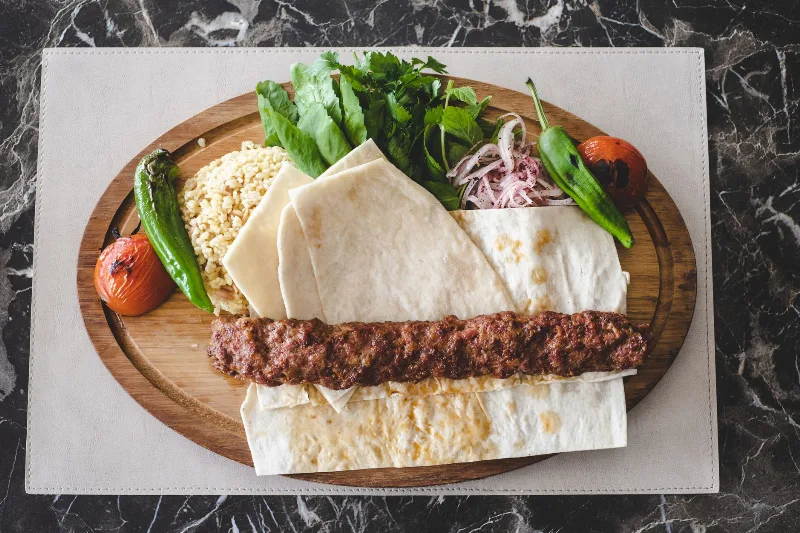
Adana Kebap: Spicy Hand-Minced Lamb Kebab from Adana
Adana kebap is a charcoal-grilled minced lamb kebab from the Çukurova plain, defined by hand-chopped meat, tail fat and generous chilli heat. This article explains its ingredients, preparation, flavour and how it differs from Urfa kebap.
Explore →
İşkembe Çorbası
İşkembe Çorbası is a traditional Turkish tripe soup flavored with garlic, vinegar, and red pepper. Often consumed late at night as a hangover cure, it is a staple of Turkish street food culture.
Explore →Related content

Konya
Konya is a city known for its spiritual essence and cultural heritage, home to the Mevlana Museum and the whirling dervishes.

Lake Beyşehir
Lake Beyşehir is the largest freshwater lake in Turkey, set in a tectonic basin between Konya and Isparta and framed by the Sultan Mountains. Its scale, fresh water and protected status make it one of the defining landscapes of the Lake District.

Beypazarı
Beypazarı is a district town in Ankara Province where a large stock of Ottoman-era houses still lines the old streets, and where mineral water springs, silver filigree work and carrot growing shape daily life. It is an easy inland counterpart to the better-known historic towns of Anatolia.
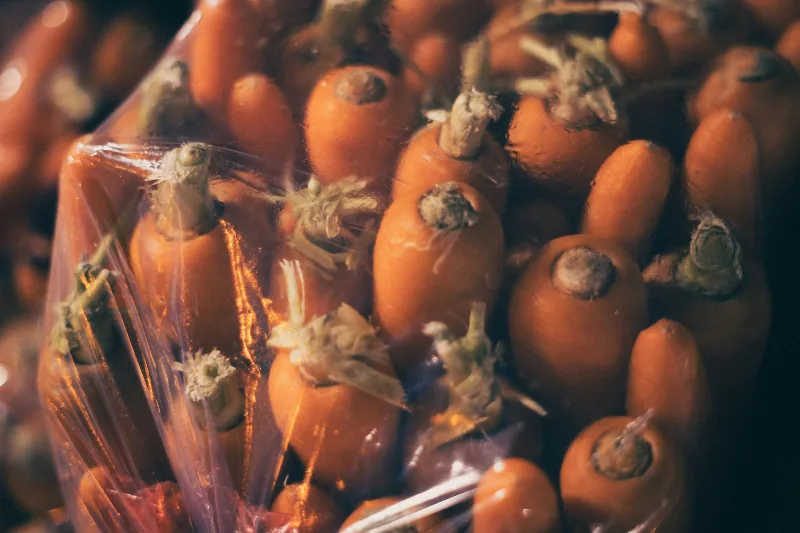
Beypazarı Carrots
Beypazarı carrots are the sweet, crisp orange carrots grown in the stream-fed valley of Beypazarı, a district of Ankara Province in Central Anatolia. Deep alluvial soils, irrigation water and a long vegetable-growing tradition have tied the district's name to this single root crop.

Lakes and Natural Beauty in Türkiye
A journey through the lakes of Türkiye, from the wide soda waters of Lake Van to forest pools in Bolu, salt flats on the Central Anatolian plateau and reed beds full of birds.

The Cultural Riches of Konya and the Whirling Dervishes
Discover the cultural heritage of Konya, home to the Whirling Dervishes, a city rich in history and spirituality.