
Grape Harvest in Nevşehir
Each autumn the volcanic slopes around Nevşehir turn to grape picking, when families gather fruit for wine and molasses across the Cappadocia vineyards.
The grape harvest in Nevşehir takes place across the vineyards of the Cappadocia region in central Türkiye, normally from early September into October. Vineyards here grow on soft volcanic tuff and ash-based soils around towns such as Ürgüp, Avanos and Üçhisar. The harvest is a working agricultural season rather than a single fixed day: local families pick grapes that will become wine or be boiled down into pekmez, a traditional grape molasses. The period matters because the grapes must be gathered at the right level of ripeness, before autumn rains and cooler nights begin to affect the fruit, and because the molasses-making that follows is a short, weather-dependent window in itself.
Where the Vineyards Grow Around Nevşehir
Cappadocia is one of the older wine-growing corners of Anatolia, and the landscape shows it. Vines are planted on terraces and gentle slopes where the ground is made of weathered volcanic rock, and rows of low bush vines sit between the eroded valleys and the famous rock formations. The main clusters of vineyards lie around Ürgüp, Ortahisar, Avanos and the valleys near Üçhisar, with smaller plots scattered among villages. The soil is poor and free-draining, which suits grapes, and the altitude of roughly 1,000 to 1,200 metres gives warm days and noticeably cooler nights as summer fades.
When the Grape Harvest Usually Happens
Picking generally starts in September and continues through October, though the exact beginning shifts from year to year. A hot, dry summer can bring some varieties to ripeness earlier, while a cool or wet late summer can push the start back by a week or two. Growers often pick white and early-ripening varieties first and leave later reds on the vine a little longer. Because it is an agricultural cycle tied to ripening, no single date can be treated as fixed; the reliable guide is the normal September-to-October window, watched closely by the people doing the picking.
Wine Grapes and Molasses Grapes
Not all the fruit ends up in a winery. Part of the harvest is destined for wine, including the local Emir grape, a white variety associated with Cappadocia, and red varieties grown for regional wines. A separate share is kept for eating fresh, for drying, and above all for pekmez. Making molasses is a slow process: grapes are pressed, the juice is boiled down with a whitening agent such as a type of clay or lime, and the result is a thick, dark syrup stored for the colder months. This is why the harvest has a social, household character as well as a commercial one, with families working together over several days.
What the Vineyards Look Like During Harvest
Through late summer the vines are heavy with clusters, and the surrounding valleys still hold the pale, dry tones of the season. As picking advances, the rows thin out, baskets and crates appear at the field edges, and the stripped vines show their leaves beginning to turn. The light softens, the mornings grow cooler, and the poplar trees along the valley floors start to yellow. The change is gradual rather than dramatic, but the shift from full canopy to bare, pruned vines marks the move from harvest into the dormant season.
What Visitors Can Realistically Observe
A visitor in the region in September or October may see active picking in the vineyards, particularly in the mornings, and can watch the stages of the process in the villages where molasses is being boiled. Because these are working plots on private land, access depends on the owners, and much of the activity is simply part of daily rural life rather than a staged attraction. The most dependable experience is the atmosphere of the season: busy vineyards, roadside sales of fresh and dried grapes, and the smell of boiling juice in village yards.
How Weather Affects Timing
Autumn conditions shape the harvest more than anything else. Rain late in the season can damage ripe fruit or interrupt drying, so growers often try to finish before the wettest weeks arrive. Cool nights slow ripening, while lingering heat speeds it up. This is why the season can feel early in some years and late in others, and why the molasses-making days tend to be squeezed into a clear, dry stretch. Anyone planning around the harvest should treat the timing as a range rather than a guarantee.
Nearby Places Tied to the Same Season
The harvest extends well beyond a single town. Vineyards around Ürgüp, Ortahisar and Avanos all take part, and the wider Cappadocia valleys share the same soils and the same autumn rhythm. For anyone already exploring the region's rock-cut valleys and underground settlements, the grape season adds a working, seasonal layer to the landscape, showing how the volcanic ground has supported farming here for a very long time.
EXPLORE BY THEME
All themes →
Historic Places
Ancient cities, monuments, castles and archaeological sites across Türkiye.
Explore →
Routes
Road trips, coastal drives, cultural routes and scenic journeys across Türkiye.
Explore →
Seasonal Experiences
Harvests, festivals, natural seasons and local events throughout the year.
Explore →Related content
Nevşehir
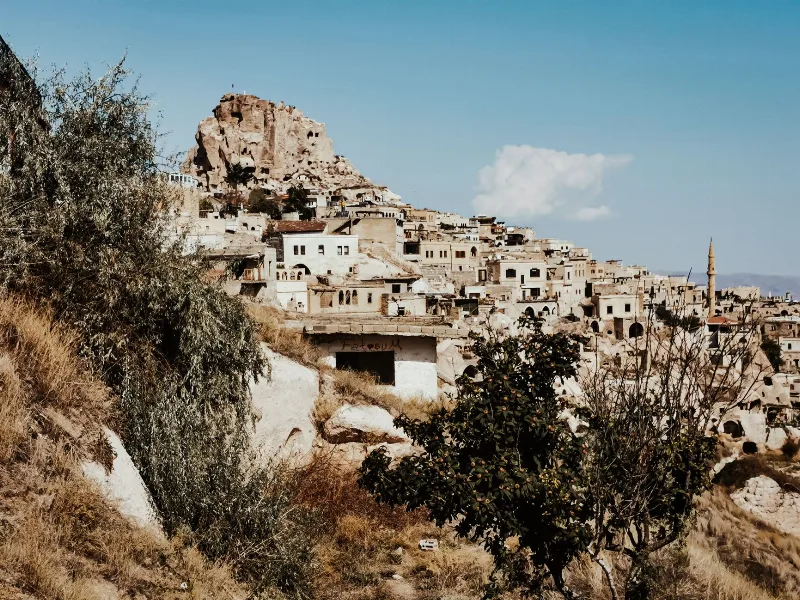
Nevşehir is a provincial capital in Central Anatolia and the main urban base for the rock landscapes, underground settlements and balloon flights of the Cappadocia region.
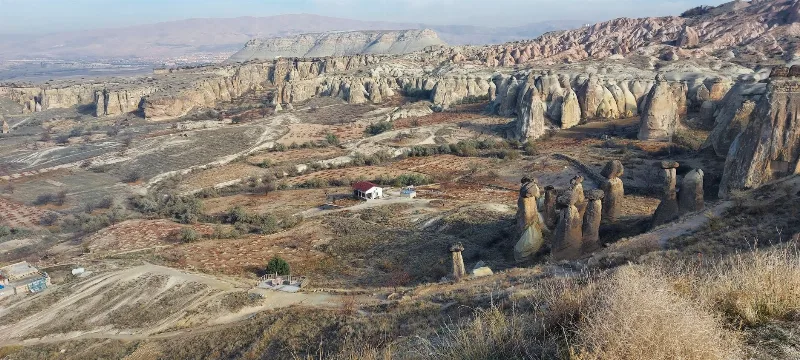
Cappadocia
Cappadocia is a region of Central Anatolia in Turkey defined by eroded volcanic tuff, rock-cut Byzantine churches and multi-level underground cities. This guide explains how the landscape formed, what the main valleys and sites actually contain, and what to know before visiting.
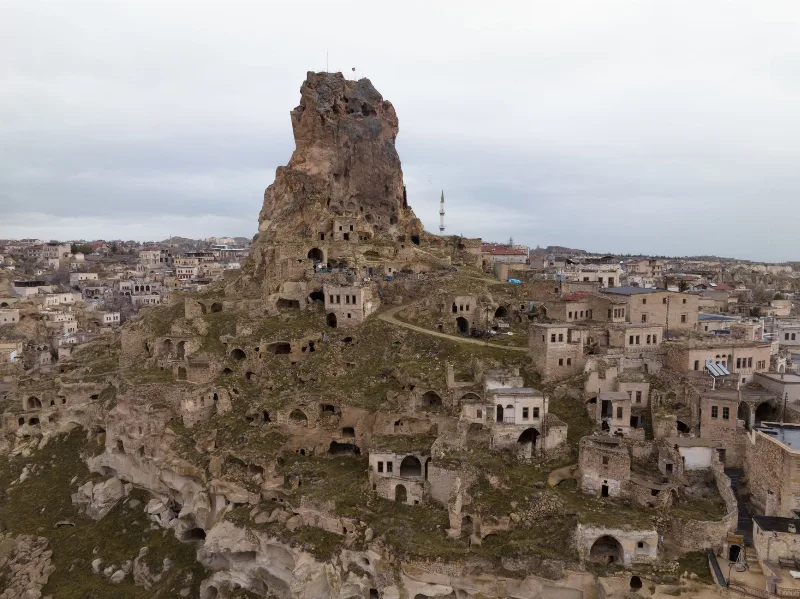
Ortahisar
Ortahisar is a small Cappadocian town in Nevşehir Province, built around a massive rock castle and shaped by carved cave houses, stone streets and old storage tunnels.
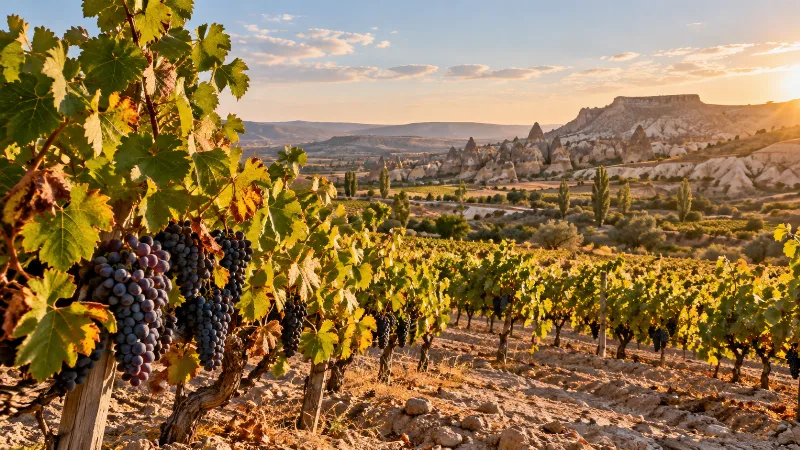
Nevşehir Grapes
Nevşehir grapes come from the volcanic plateau of Cappadocia in central Türkiye, where thin tuff soils, high elevation and dry summers support vineyards grown for wine, grape molasses and drying.
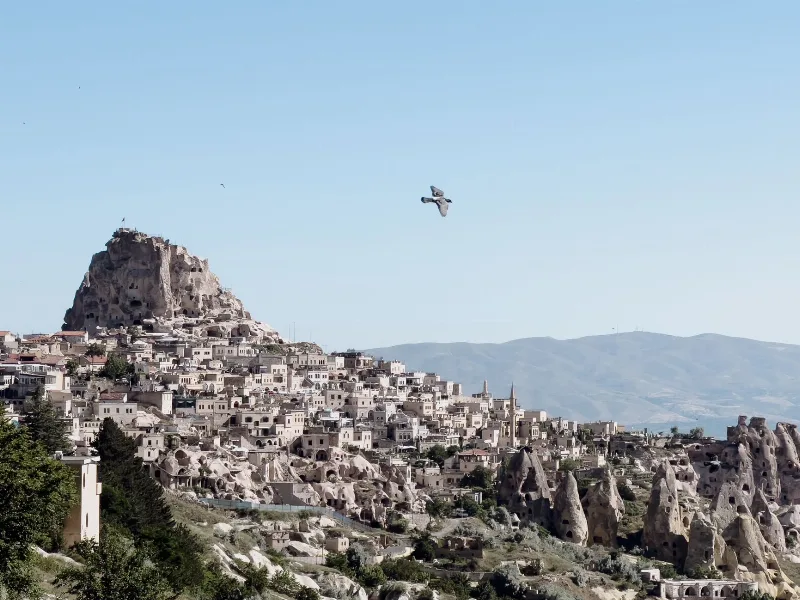
Uçhisar
Uçhisar is a small town in the Nevşehir province of Cappadocia, built around a huge volcanic rock fortress that rises above the surrounding valleys and fairy chimneys.
Mustafapaşa Village Greek Architecture in Nevşehir
Mustafapaşa, once known as Sinasos, is a Cappadocian village near Ürgüp where carved stone mansions and old Greek churches record a layered and unusually cosmopolitan past.