
Grape Harvest in Şarköy, Tekirdağ
Şarköy’s grape harvest is a weather-dependent late-summer to early-autumn window in Tekirdağ, when vineyards move from ripening to picking and winemaking. The event is tied to Thrace’s wine-growing landscape rather than a fixed public date.
In Şarköy, a district of Tekirdağ on the Marmara coast of Thrace, the grape harvest is a late-summer to early-autumn event that usually falls between August and September. This is when vineyards across the district move from ripening to picking, and when small-scale winemaking activity becomes part of the working landscape. The period is distinctive because Şarköy is one of Thrace’s established wine-producing areas, and the harvest is not a single fixed date but a short, weather-dependent window that changes from year to year.
The Ripening Window in Şarköy’s Vineyards
Grape harvest follows the final stage of the growing season. After spring flowering and summer growth, grapes usually reach full size by late summer and begin to accumulate sugar while their acidity changes. In Şarköy, this ripening phase is visible in the vineyards before picking starts: bunches hang under the vine canopy, leaves may begin to look less fresh, and the rows take on the denser, heavier appearance of late-season fruit. The exact stage depends on the grape variety, the aspect of the plot, the age of the vines and the weather across the summer. A warm, dry late summer can push ripening forward, while a cooler or wetter season can slow it down. For that reason, the harvest is best understood as a window rather than a calendar appointment.
Why the Harvest Usually Happens in August and September
Şarköy’s normal harvest window runs from August into September. The district lies in Thrace, with vineyards set in a coastal and inland landscape influenced by the Sea of Marmara and the surrounding terrain. Late summer warmth is the main driver of ripening, but conditions near the coast and on different slopes can create local differences. Early-ripening plots may be picked sooner, while later plots or varieties may remain on the vine longer. The wine-producing focus of the district matters here: growers time picking around the balance needed for winemaking, not simply around when the grapes look ripe. The result is that the most active days often sit somewhere in late August or early September, but they should not be treated as guaranteed dates.
What Happens During the Grape Harvest
During harvest, the vineyards become places of active agricultural work. Picking usually happens in stages, with crews or families moving through rows and collecting grapes into crates or bins. The fruit is then taken for pressing or crushing, and fermentation begins in the wineries. Visitors may see vineyard rows being picked, loaded trailers, bins of grapes, and equipment moving between plots. They may also notice the difference between vineyards that have already been harvested and those still holding fruit. This is a working season, not a staged attraction. Activity can be concentrated in short bursts, and some plots may be picked quickly once the fruit reaches the desired condition. The harvest is therefore most visible when picking is underway, while the surrounding weeks show the slower transition from ripening to cellar work.
Weather, Terrain and the Timing of the Season
Weather is the main reason the harvest shifts from year to year. Heat during late summer generally speeds ripening, while cool spells can delay it. Rain near harvest can be a concern because it may affect grape condition and force growers to adjust their picking plans. Humidity, wind and nighttime temperatures can also influence how quickly the fruit develops. Şarköy’s terrain adds another layer of variation: vineyards on slopes, low hills and different exposures do not all ripen at the same moment. Coastal proximity can moderate conditions, but it does not make the harvest uniform. The practical effect for a visitor is that the season may begin earlier after a warm summer or later after a cool one, and the busiest picking days can move by days or even a few weeks.
What Visitors Can Realistically See
A visitor to Şarköy during the harvest period can expect an agricultural landscape rather than a formal visitor attraction. Vine rows dominate the scene, with bunches still hanging on unharvested plots and trimmed or picked rows nearby. Leaves may show the first signs of late-season change, and the light in late summer often makes the vineyards and surrounding hills easy to read. Tractors, crates and vineyard equipment may be present. Workers may be visible in the rows, but access to private vineyards varies and should be respected. The most reliable experience is to observe the wider vineyard landscape from public roads and open areas, understanding that picking activity depends on the day, the plot and the producer. The harvest is real seasonal work, so it does not run continuously for visitors.
How Long the Seasonal Experience Lasts
The visible seasonal period is longer than the actual picking. Ripening can be watched over several weeks, while the main harvest for a given plot may last only a short time. Across the district, picking is usually spread out because different vineyards and grape varieties reach readiness at different moments. After picking, winemaking continues in cellars, but the vineyard landscape begins to move toward autumn. By late September, the focus often shifts from rows of fruit to post-harvest vineyard work and the first signs of seasonal change. The best general period to see harvest activity is therefore the August to September window, with late August and early September often central, depending on the year.
Reading the Season Without Relying on Fixed Dates
Because the grape harvest is driven by weather and fruit condition, it should not be planned around a single guaranteed date. A hot, dry summer can bring picking forward; a cooler season can push it back; rain can compress or reorganize the schedule. The normal seasonal window is the useful guide, not an exact day. Travellers who want to understand the event should think in terms of late summer to early autumn and expect variation. The harvest also depends on the specific vineyard: one plot may be finished while another is still waiting. This is why local conditions and recent weather matter more than a general calendar when judging whether picking is likely to be active.
Places Around Şarköy in the Same Harvest Landscape
Within the Şarköy district, places such as Mürefte and Hoşköy belong to the same coastal wine-growing landscape, and Tekirdağ city lies farther east along the Marmara shore. These are useful geographical reference points for understanding the district’s vineyard setting, not separate seasonal events. The harvest is connected to the broader Tekirdağ wine area, but the experience described here is specific to Şarköy and its vineyards. The combination of coastal position, vineyard terrain and wine production gives the district its particular late-summer character. A visitor who follows the general August to September window, accepts that timing shifts with the weather, and looks at the vineyards as working land will gain a realistic view of the grape harvest in Şarköy.
EXPLORE BY THEME
All themes →
Hidden Places
Less-known villages, coves, valleys, historic sites and natural areas across Türkiye.
Explore →
Villages
Small settlements, traditional architecture and rural landscapes across Türkiye.
Explore →
Nature
Lakes, forests, rivers, canyons, mountains, wetlands and national parks across Türkiye.
Explore →Related content
3-Day Thrace Route: Edirne, Kırklareli and Tekirdağ
A practical three-day west-to-east, then south, driving route across Turkish Thrace, linking Edirne's Ottoman monuments with Kırklareli's inland towns and Tekirdağ's Marmara vineyards and coast.
Cultural Festivals in Türkiye
Türkiye's year is marked by festivals that celebrate spring, faith, harvest and history, from Hıdırellez bonfires to the whirling ceremonies of Konya.
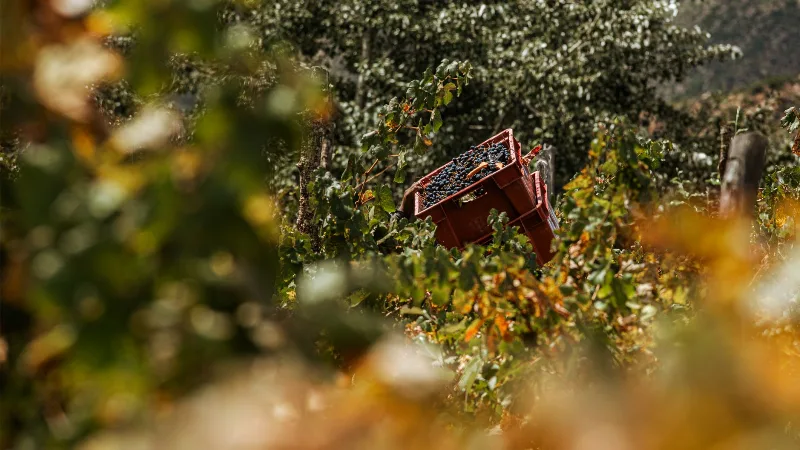
Grape Harvest in Çal, Denizli
Each year the vineyards around Çal in Denizli province ripen and are picked, usually between late August and October, with September as the busiest month. The harvest is tied to the local Çalkarası grape and to the district's long-standing wine-making tradition.
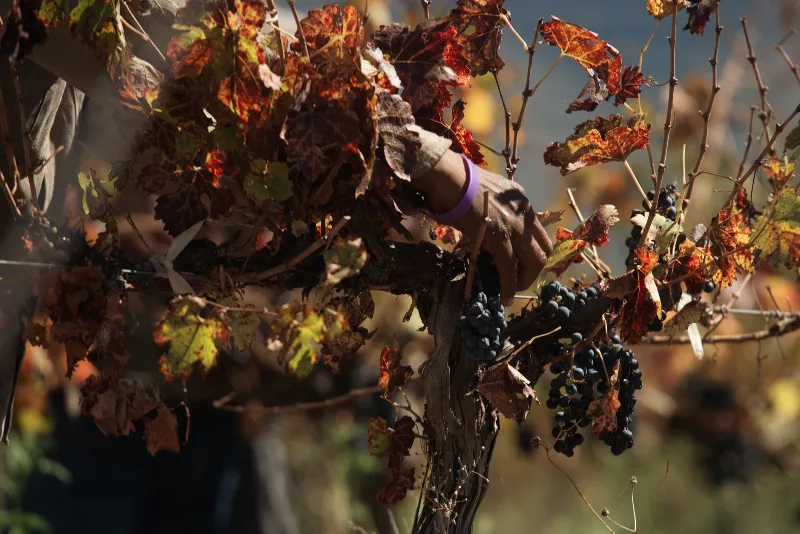
Grape Harvest in Nevşehir
Each autumn the volcanic slopes around Nevşehir turn to grape picking, when families gather fruit for wine and molasses across the Cappadocia vineyards.
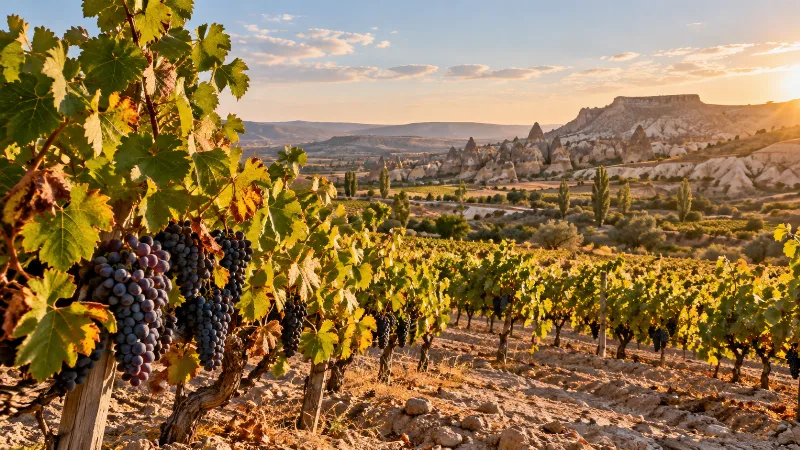
Nevşehir Grapes
Nevşehir grapes come from the volcanic plateau of Cappadocia in central Türkiye, where thin tuff soils, high elevation and dry summers support vineyards grown for wine, grape molasses and drying.
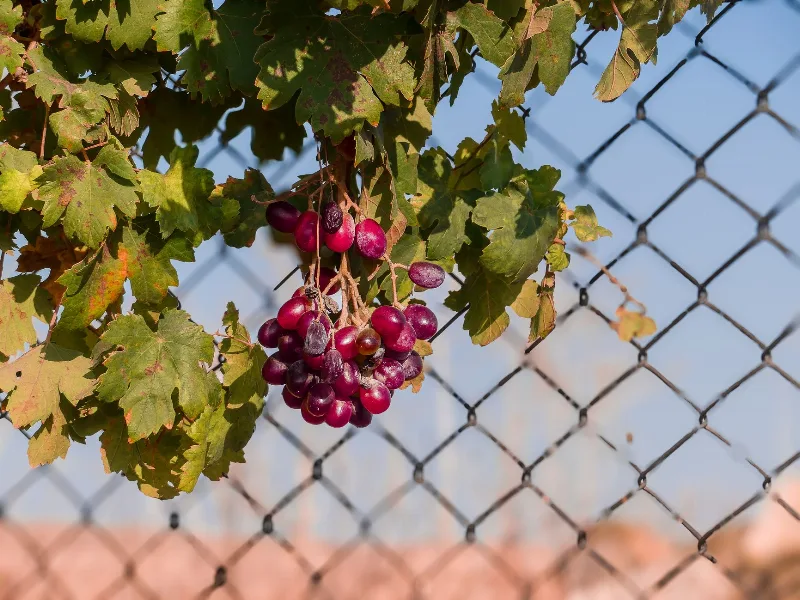
Çal Grapes
Çal grapes come from an elevated plateau in Denizli Province, where stony soils, wide day–night temperature swings and a long vineyard tradition shape both table fruit and wine grapes.