
Traditions of Whirling Dervishes
The Whirling Dervishes of the Mevlevi order turn in a meditative ritual known as the sema, a living cultural tradition centred on Konya and recognised by UNESCO.
The Whirling Dervishes, known in Turkish as semazen, belong to the Mevlevi order, whose turning ritual, the sema, has become one of the most widely recognised expressions of Turkish spiritual and cultural life. Rooted in the teachings of the thirteenth-century poet and mystic Mevlânâ Celâleddîn-i Rûmî, who spent much of his life in Konya, the ceremony brings together music, poetry and movement in a single meditative practice. It is inscribed on UNESCO's Representative List of the Intangible Cultural Heritage of Humanity and continues to be performed in several parts of Türkiye.
The Mevlevi Tradition and Its Origins
The Mevlevi order grew out of the circle of followers who gathered around Mevlânâ in Konya during the thirteenth century. After his death in 1273, his son Sultan Veled and later leaders shaped the community into a structured Sufi tradition with its own rules of conduct, music and poetry. Mevlevi lodges, called mevlevihane, spread from Konya to other towns of Anatolia and eventually to Istanbul, where the Galata Mevlevi Lodge became a noted centre of music and calligraphy. Members trained over long periods in patience, humility and service before taking part in the sema.
The Sema: Music, Movement and Symbolism
The sema is a carefully ordered ritual rather than a performance. It opens with a chant in praise of the Prophet, followed by a solo improvisation on the ney, the reed flute whose sound is closely associated with Mevlevi music. A steady rhythm from the kudüm, a pair of small kettledrums, then carries the ceremony forward.
The dervishes wear a tall felt hat known as the sikke and a long white skirt, the tennure. They remove a black cloak before turning, and each holds one arm raised towards the sky and the other turned towards the earth. Turning on the left foot and pivoting around the heart, they move counter-clockwise in a circle around the room. The four sections, or selams, of the ritual are understood as stages of a journey: awareness of the self, admiration of creation, transformation through love, and a return to a state of inner peace. Verses by Mevlânâ are recited between the sections, and the ceremony closes with a final prayer.
Konya and the Mevlevi Heritage
Konya remains the spiritual heart of the tradition. The Mevlâna Museum, which includes the tomb of Mevlânâ together with manuscripts and musical instruments, stands at the centre of the city, and its turquoise-tiled dome is a landmark on the Anatolian plain. Nearby, the Selimiye Mosque and traces of Seljuk architecture recall the centuries in which the Mevlevi order took shape. Beyond Konya, Mevlevi heritage appears in Istanbul, Manisa, Bursa and other towns where lodges, prayer halls and historic cemeteries survive. The sema was added to UNESCO's Representative List of the Intangible Cultural Heritage of Humanity in 2008, a recognition of its value as a living tradition.
Şeb-i Arus and Seasonal Gatherings
Each December, Konya hosts Şeb-i Arus, the "wedding night," a commemoration of Mevlânâ's death on 17 December 1273. The programme includes sema ceremonies held in large halls and cultural venues across the city, alongside concerts of Mevlevi music, poetry readings and exhibitions. The event draws visitors from many countries and has become one of the widely known cultural occasions of the Turkish winter season.
The enduring appeal of the Whirling Dervishes lies in their combination of restraint and movement. The ritual asks for attention rather than applause, and viewers who approach it as a form of prayer rather than spectacle often come away with a sense of calm and curiosity about the wider Sufi heritage of Türkiye.
Flavours of the Region
A stay in the region around Konya often includes its plain, generous cooking. Etli ekmek, a long flatbread baked with minced meat and peppers, is a local speciality, as is fırın kebabı, lamb slow-cooked in a sealed clay pot. Okra soup, bamya çorbası, appears on many tables, and sweets such as höşmerim reflect the dairy farming of the surrounding countryside. These everyday dishes offer a gentle counterpoint to the solemnity of the sema and show another side of a city that has hosted travellers, scholars and traders for centuries.
Related content
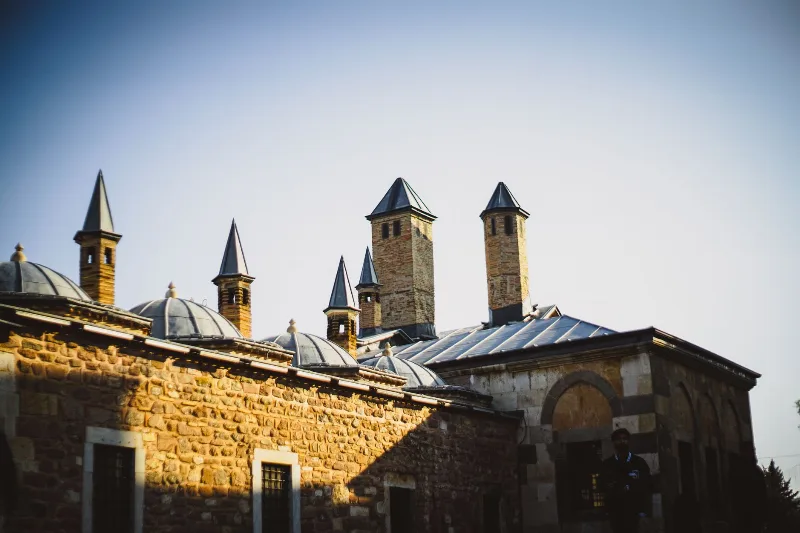
Konya
Konya is a city known for its spiritual essence and cultural heritage, home to the Mevlana Museum and the whirling dervishes.
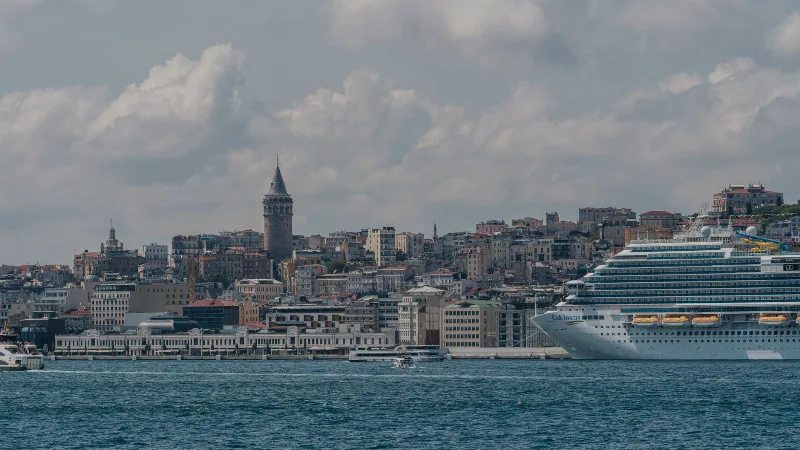
Istanbul
Istanbul is Türkiye's largest city and the country's only metropolis that spans two continents, divided by the Bosphorus strait into a European and an Asian half. Its long run as an imperial capital left a historic core of palaces, mosques and bazaars that still shapes the city's identity.
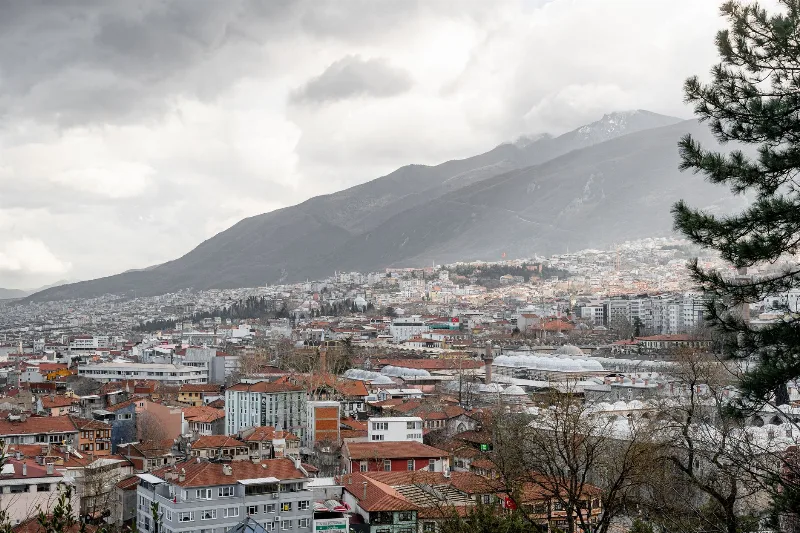
Bursa
Bursa is a major metropolitan city in northwestern Türkiye and the first great capital of the Ottoman Empire, known for its silk heritage, thermal springs and the mountain of Uludağ rising directly behind it.
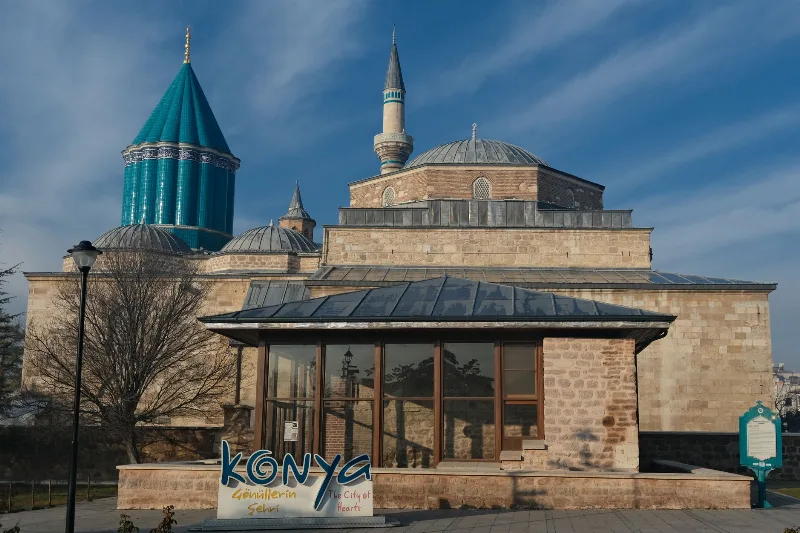
Whirling Dervishes Tradition
The Whirling Dervishes tradition of Türkiye blends music, movement and contemplation. Discover the Mevlevi heritage, the Sema ceremony's symbolism and the places where it endures.
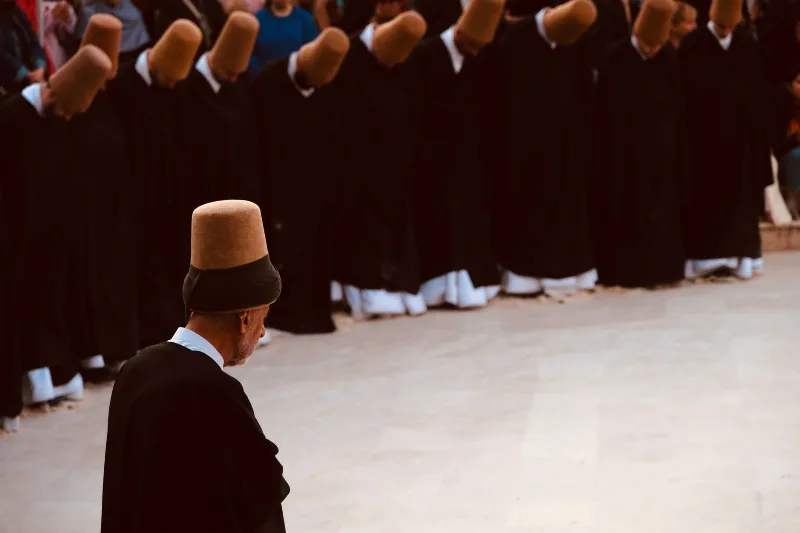
The Cultural Riches of Konya and the Whirling Dervishes
Discover the cultural heritage of Konya, home to the Whirling Dervishes, a city rich in history and spirituality.
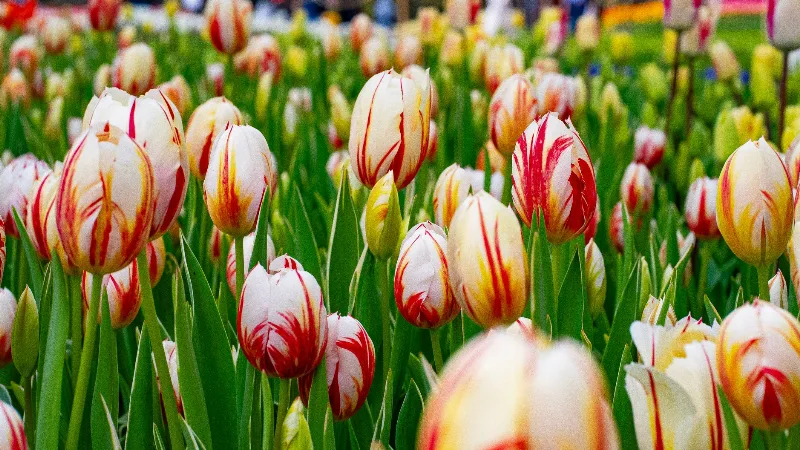
Cultural Festivals in Türkiye
Türkiye's year is marked by festivals that celebrate spring, faith, harvest and history, from Hıdırellez bonfires to the whirling ceremonies of Konya.
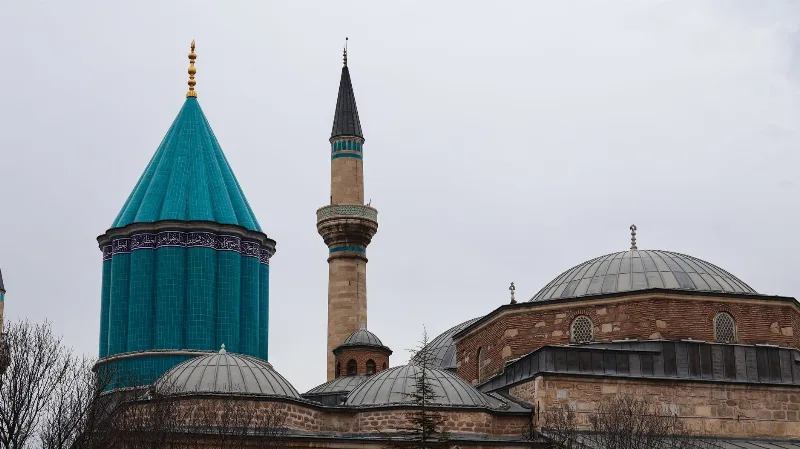
Konya and the Legacy of Rumi
Konya, a high-plateau city in central Türkiye, is closely tied to the life and writings of Rumi, the thirteenth-century poet and mystic. Its Seljuk architecture, Mevlevi traditions and local cuisine give the city a distinct cultural character.
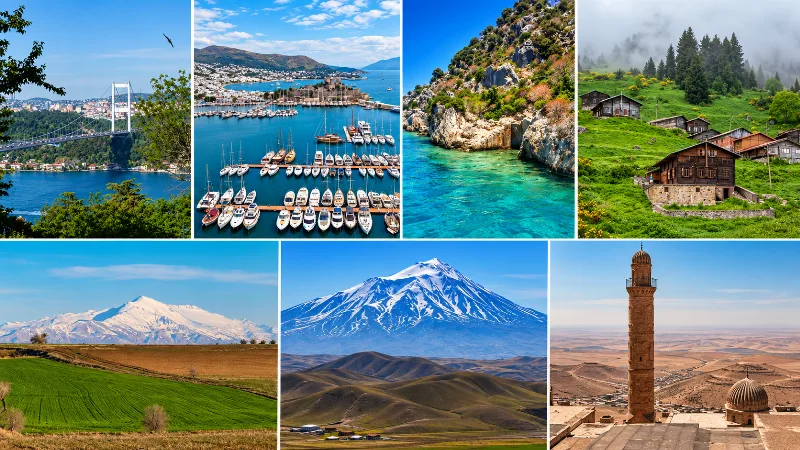
The Seven Geographical Regions of Turkey
An introduction to Turkey’s seven geographical regions and the landscapes, climates and cultural characteristics that distinguish them.