
Whirling Dervishes Tradition
The Whirling Dervishes tradition of Türkiye blends music, movement and contemplation. Discover the Mevlevi heritage, the Sema ceremony's symbolism and the places where it endures.
The Whirling Dervishes are among the most recognisable cultural images of Türkiye. Rooted in the Mevlevi Order, a Sufi tradition shaped in the city of Konya, the practice centres on the Sema ceremony: a structured ritual of music, chanting and slow, repeated turning. For visitors, the tradition offers a quiet way into centuries of Anatolian spiritual and artistic life, and a ritual that UNESCO has recognised as part of the world's intangible cultural heritage.
Rumi, Konya and the Origins of the Mevlevi Path
The tradition traces its inspiration to Mevlana Celaleddin Rumi, the 13th-century poet and mystic who spent much of his life in Konya. His writings, especially the Masnavi, spread far beyond Anatolia and continue to be read in many languages. After his death, his followers and his son Sultan Veled organised a structured order that took his name and developed the rituals that survive today.
Konya remains the spiritual heart of the tradition. The Mevlana Museum, housed in a complex that includes Rumi's tomb, holds manuscripts, musical instruments and ceremonial objects, and its green-tiled dome is one of the city's landmarks. Each December, Konya hosts commemorations marking the anniversary of Rumi's death, a period known as Şeb-i Arus, when Sema ceremonies draw visitors from many countries.
How a Sema Ceremony Unfolds
A Sema is carefully ordered rather than spontaneous. It opens with a chant praising the Prophet, followed by a solo improvisation on the ney, the reed flute whose sound is closely associated with Mevlevi music. A composed instrumental section follows before the turning begins.
The turning itself is divided into four stages, called selam. The semazen wear tall camel-hair hats and wide white skirts, and they rotate on their right foot while holding the right arm upward and the left arm downward, creating a slow, continuous movement around the hall. A senior figure guides the ritual, while a small ensemble of musicians and chanters provides the sound. The ceremony closes with a reading from the Quran and a period of stillness.
Symbolism in Motion and Music
Each element of the ceremony carries meaning. The wide skirt is often described as a shroud, the hat as a tombstone, and the act of removing a dark cloak at the start as a release from worldly attachment. The turning is a movement toward inner clarity, with the open arms understood as receiving from above and offering to the world. The ney's breathy tone, the steady rhythm of the drum and the human voice together create an atmosphere that is contemplative rather than theatrical.
Where the Tradition Continues
Beyond Konya, historic Mevlevi lodges survive in several cities. The Galata Mevlevihanesi in Istanbul, with its wooden hall and garden cemetery, is a fine example of lodge architecture and now functions as a museum. In Bursa, Manisa and other Anatolian towns, older tekke buildings and tombs recall the order's wide presence across the region. Mevlevi music is also performed in concert halls, and the repertoire of ney and kudüm players has been passed down through teaching lineages.
Watching with Sensitivity
When the ceremony is presented for visitors, it is worth remembering that it began as a form of worship rather than entertainment. Quiet attention, modest dress and refraining from flash photography are appreciated, and latecomers are usually asked to wait. Understanding a little of the sequence beforehand makes the experience far richer: the opening chant, the ney's improvisation, the four salutes and the final stillness all form a single arc. Approached with that patience, the Whirling Dervishes tradition of Türkiye becomes more than a performance, offering a glimpse of a living cultural heritage that has shaped Anatolian city life for centuries.
Related content
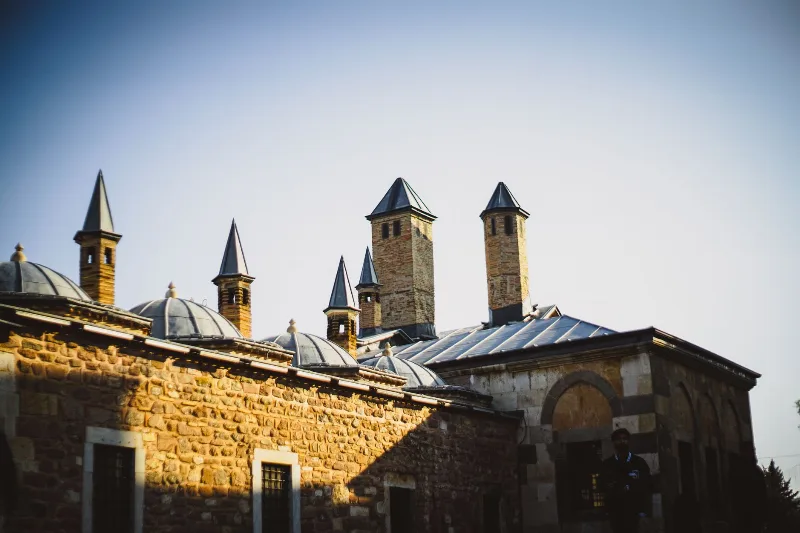
Konya
Konya is a city known for its spiritual essence and cultural heritage, home to the Mevlana Museum and the whirling dervishes.
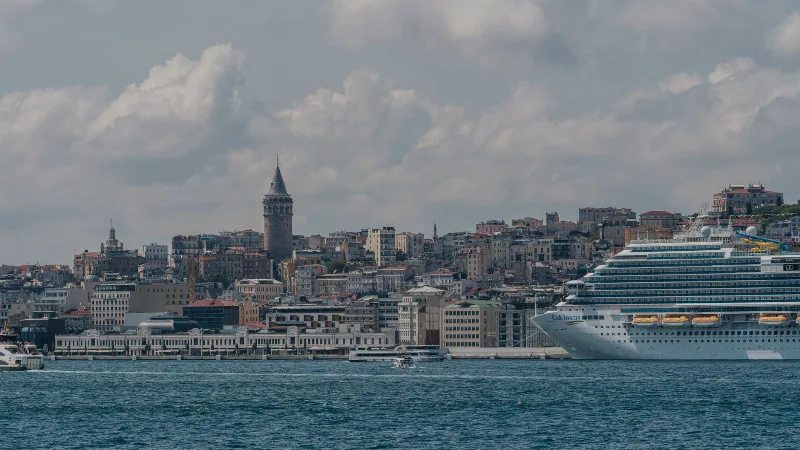
Istanbul
Istanbul is Türkiye's largest city and the country's only metropolis that spans two continents, divided by the Bosphorus strait into a European and an Asian half. Its long run as an imperial capital left a historic core of palaces, mosques and bazaars that still shapes the city's identity.
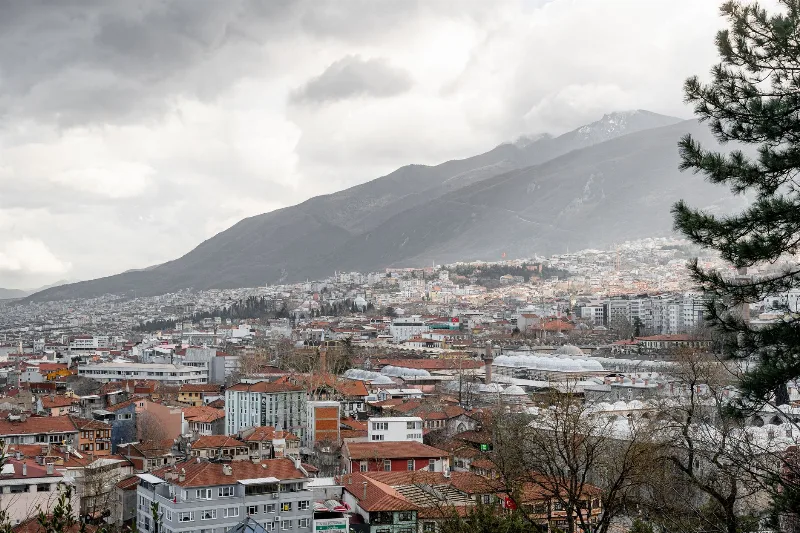
Bursa
Bursa is a major metropolitan city in northwestern Türkiye and the first great capital of the Ottoman Empire, known for its silk heritage, thermal springs and the mountain of Uludağ rising directly behind it.
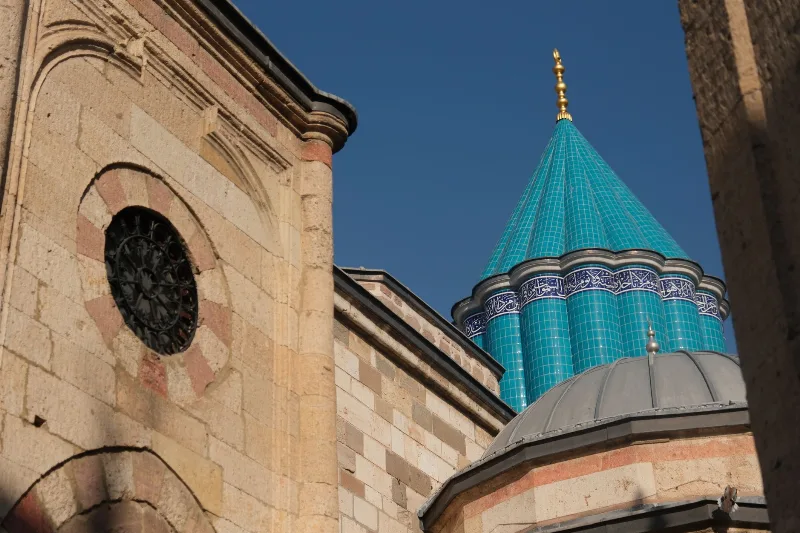
Traditions of Whirling Dervishes
The Whirling Dervishes of the Mevlevi order turn in a meditative ritual known as the sema, a living cultural tradition centred on Konya and recognised by UNESCO.
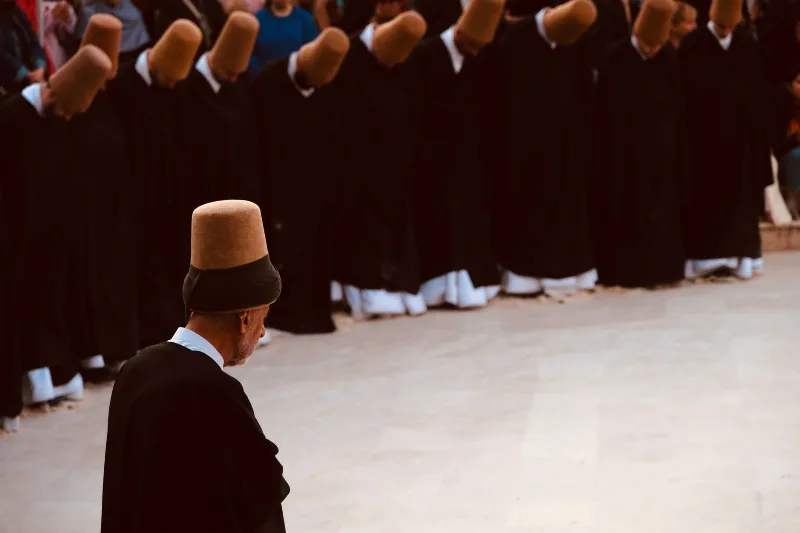
The Cultural Riches of Konya and the Whirling Dervishes
Discover the cultural heritage of Konya, home to the Whirling Dervishes, a city rich in history and spirituality.
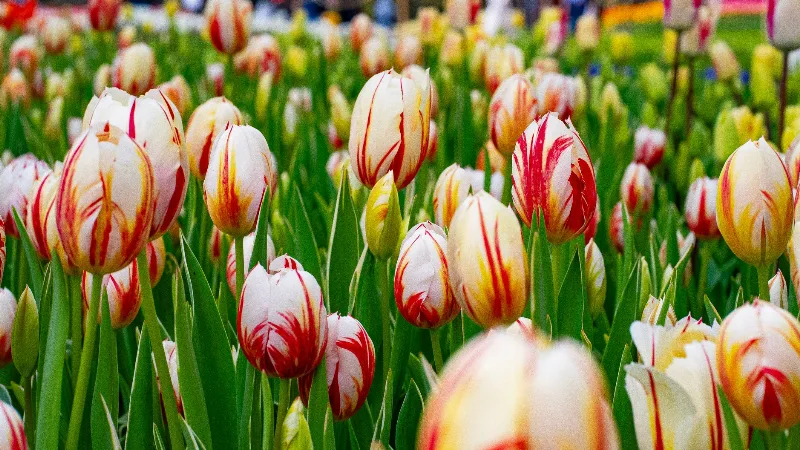
Cultural Festivals in Türkiye
Türkiye's year is marked by festivals that celebrate spring, faith, harvest and history, from Hıdırellez bonfires to the whirling ceremonies of Konya.
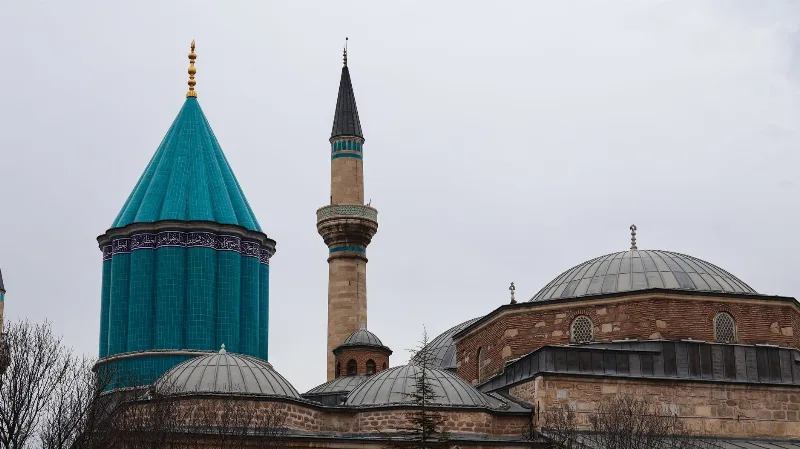
Konya and the Legacy of Rumi
Konya, a high-plateau city in central Türkiye, is closely tied to the life and writings of Rumi, the thirteenth-century poet and mystic. Its Seljuk architecture, Mevlevi traditions and local cuisine give the city a distinct cultural character.
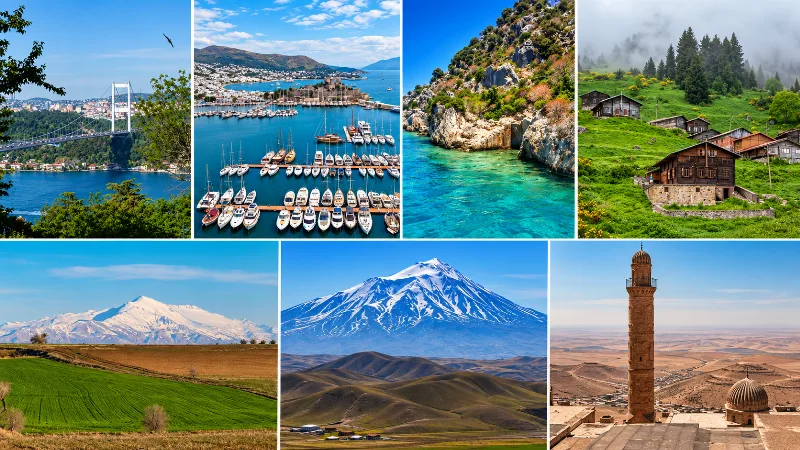
The Seven Geographical Regions of Turkey
An introduction to Turkey’s seven geographical regions and the landscapes, climates and cultural characteristics that distinguish them.