
Soğanlı
Soğanlı is a small village in Kayseri Province, Türkiye, set in a secluded Cappadocian valley known for its rock-cut churches with Byzantine frescoes. It offers a quiet, rural alternative to the more visited Cappadocia sites.
Soğanlı is a small village in the Yeşilhisar district of Kayseri Province, in the Central Anatolia region of Türkiye. It lies within the Soğanlı Valley, a secluded part of the Cappadocia region that is administratively separate from Nevşehir but shares the same geological and historical heritage. The village is best known for its numerous rock-cut churches, many of which contain well-preserved Byzantine frescoes dating from the 9th to the 13th centuries. Unlike the more frequented Cappadocian sites, Soğanlı retains a quiet, rural atmosphere, with traditional houses and cave dwellings still in use.
Where Soğanlı Is Located
Soğanlı is situated in the eastern part of the Cappadocia region, south of Kayseri and near the town of Yeşilhisar. The village lies at the entrance of the Soğanlı Valley, which is carved into soft volcanic tuff, a rock formed from compacted volcanic ash. The valley is divided into two main sections: the larger Soğanlı Valley and a smaller side valley known as Küçük Soğanlı (Little Soğanlı). The landscape is characterised by cone-shaped rock formations, often called fairy chimneys, and steep cliffs riddled with carved openings. The area is geologically similar to the famous valleys around Göreme, but it receives far fewer visitors.
The Rock-Cut Churches and Byzantine Art
The valley contains a remarkable concentration of rock-cut churches and monastic buildings. The most famous is the Karabaş Kilise (Black Head Church), a large complex with a cruciform plan and a dome supported by columns. Its walls are decorated with frescoes depicting scenes from the life of Christ and various saints. Other notable churches include the Saklı Kilise (Hidden Church), which is concealed behind a rock face, the Yılanlı Kilise (Snake Church), named after a fresco of a snake, and the Kubbeli Kilise (Domed Church), which has a distinctive dome carved from the rock. The Gök Kilise (Sky Church) and Tahtalı Kilise (Wooden Church) are also worth seeking out. The frescoes, painted in a Byzantine style, offer insight into the religious art of the period, with colours that have survived centuries in the dry climate. Some churches are open to visitors, while others may be locked; it is advisable to check locally.
The Village and Its Traditional Architecture
Soğanlı village itself is small and unassuming, with a population that has dwindled over the years. Many of the houses are built in the traditional Cappadocian style, using stone and tuff blocks. Some older dwellings are carved directly into the rock, and a few are still used as storerooms or animal shelters. The village has a mosque and a few basic amenities, but it remains largely untouched by mass tourism. Walking through the narrow streets, visitors can see examples of local architecture, including flat-roofed houses and courtyards. The pace of life is slow, and agriculture, particularly fruit growing, remains important.
Exploring the Valley on Foot
The Soğanlı Valley is best explored on foot. A network of paths winds through the valley, leading to the various churches and rock formations. The terrain is uneven and sometimes steep, so sturdy footwear is recommended. The main valley walk takes around two to three hours, depending on how many churches you visit. Along the way, you will pass dovecotes, rock-cut dwellings, and natural rock arches. The side valley of Küçük Soğanlı is quieter and requires a bit more effort to reach, but it contains additional churches and a peaceful atmosphere. There are no facilities inside the valley, so bring water and snacks. Avoid touching the frescoes, as they are fragile.
How to Reach Soğanlı
Soğanlı is accessible by road. From Kayseri, take the D815 highway south towards Yeşilhisar, then follow the signs to Soğanlı. The drive takes about an hour. From Nevşehir or Ürgüp, head south towards Yeşilhisar and then to Soğanlı. Public transport is limited; there are buses to Yeşilhisar, from where you can take a taxi or arrange a minibus to the village. Having your own vehicle is the most convenient option. The roads are paved and in good condition.
When to Visit
The best time to visit Soğanlı is during spring (April to June) and autumn (September to October). During these months, the weather is mild, and the valley is green. Summer can be very hot, with temperatures often exceeding 30°C, making walking uncomfortable. Winter is cold and snowy, and some paths may be impassable. If you visit in summer, go early in the morning. After rain, the paths can be muddy, so check the weather forecast.
Practical Information
There is no entrance fee to the valley, but some churches may be locked. In such cases, you might need to ask locally for a key; a small tip may be expected. The village has limited services, so it is advisable to bring your own supplies. There are no hotels in Soğanlı itself; most visitors stay in nearby towns like Yeşilhisar, Ürgüp or Nevşehir. Respect the religious sites; dress modestly and keep noise to a minimum. Photography is allowed, but avoid using flash inside the churches, as it can damage the frescoes.
Nearby Places of Interest
Soğanlı is part of the wider Cappadocia region, so many other attractions are within driving distance. Yeşilhisar, the district centre, is a short drive away and offers basic services. Further afield, the underground cities of Derinkuyu and Kaymaklı, the open-air museum of Göreme, and the towns of Ürgüp and Nevşehir are all accessible within an hour or two by car. The area around Soğanlı is also known for its vineyards and orchards, which add to the rural character of the region.
From the land
Find All →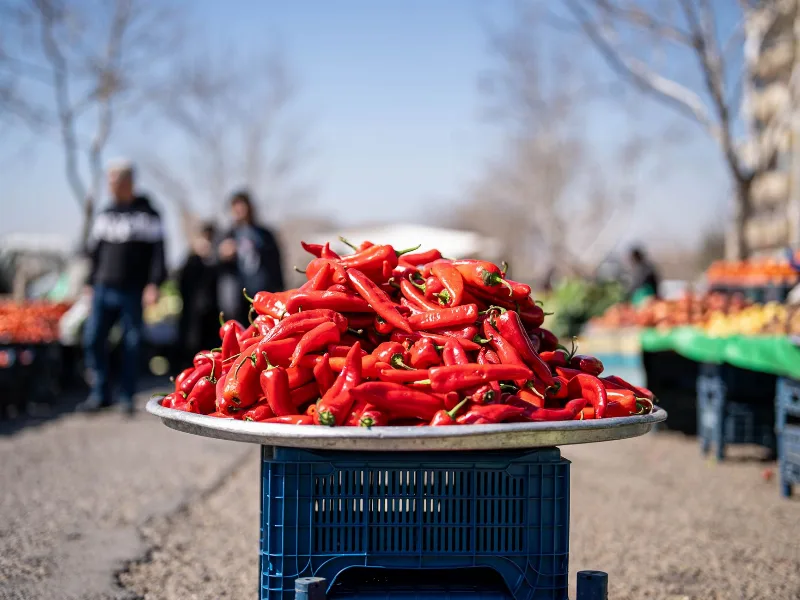
Kahramanmaraş Peppers
Kahramanmaraş peppers are the red peppers grown on the inland plains of southern Türkiye, where hot, dry summers and fertile soils give the crop its deep colour, moderate heat and smoky aroma.
Explore →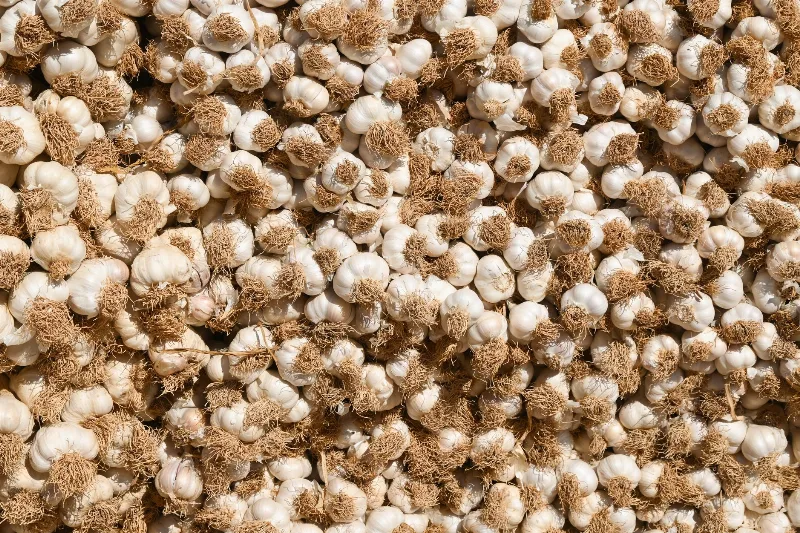
Çanakkale Garlic
Çanakkale garlic comes from the peninsulas of Türkiye's far northwest, where maritime weather and fertile valley soils give the bulbs a firm texture and a sharp, persistent aroma.
Explore →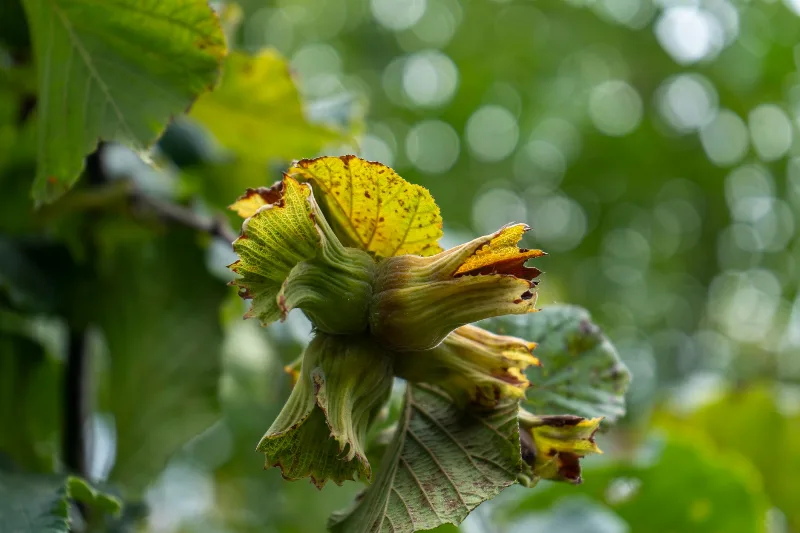
Ordu Hazelnuts
Ordu hazelnuts come from Türkiye's leading hazelnut province on the central Black Sea coast, where humid air, year-round rainfall and steep hillside orchards give the crop its distinctive character.
Explore →Related content
Kayseri
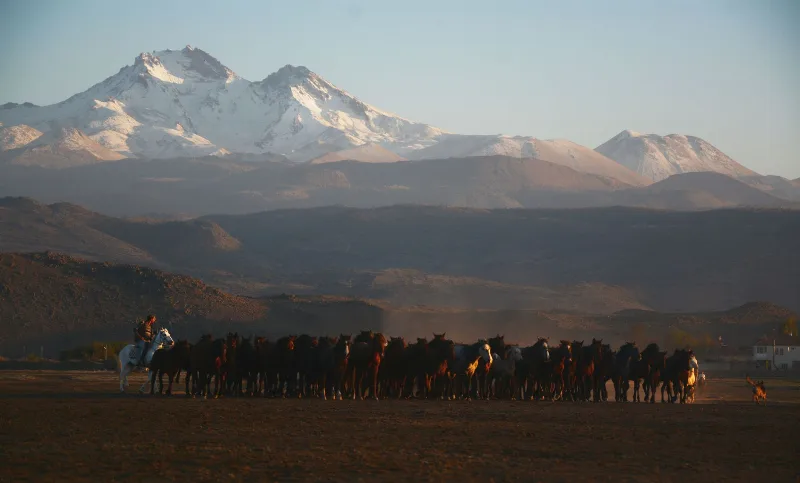
Kayseri is a major inland city in Central Anatolia, set on a plain at the foot of Mount Erciyes, and known for its Seljuk architecture, its manufacturing economy and a food culture built on pastırma and mantı.
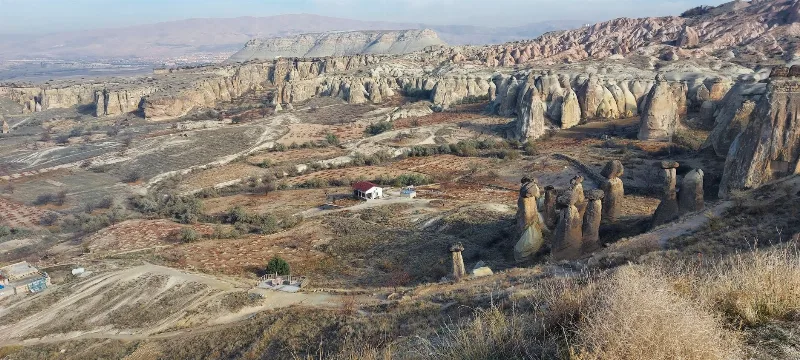
Cappadocia
Cappadocia is a region of Central Anatolia in Turkey defined by eroded volcanic tuff, rock-cut Byzantine churches and multi-level underground cities. This guide explains how the landscape formed, what the main valleys and sites actually contain, and what to know before visiting.
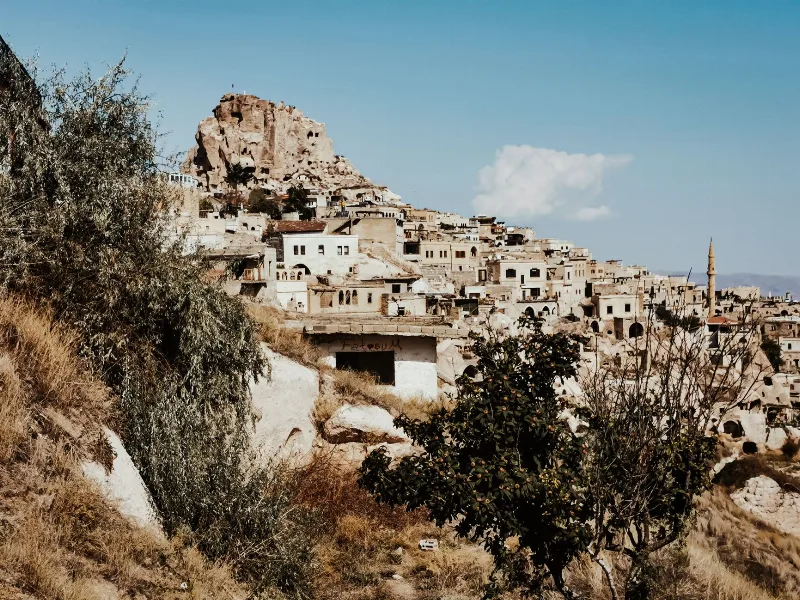
Nevşehir
Nevşehir is a provincial capital in Central Anatolia and the main urban base for the rock landscapes, underground settlements and balloon flights of the Cappadocia region.
Soğanlı Valley Rock Churches and Fairy Chimneys in Kayseri
Soğanlı Valley in Kayseri Province hides a quiet landscape of cone-shaped rock formations, cave dwellings and painted Byzantine churches carved directly into the soft volcanic stone.
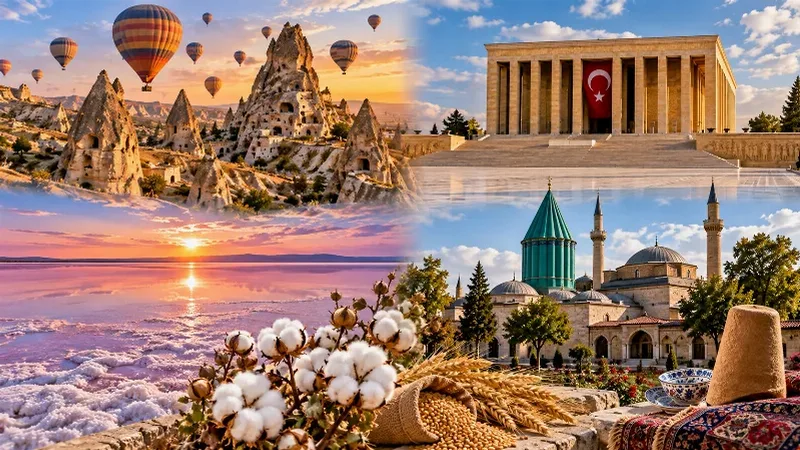
Central Anatolia Region
Central Anatolia is the historic heartland of Türkiye, known for its wide plains, extraordinary rock formations, ancient civilizations and traditional towns. From the fairy chimneys of Cappadocia to the cultural landmarks of Ankara and Konya, the region reveals the rich history and natural beauty of inner Anatolia.
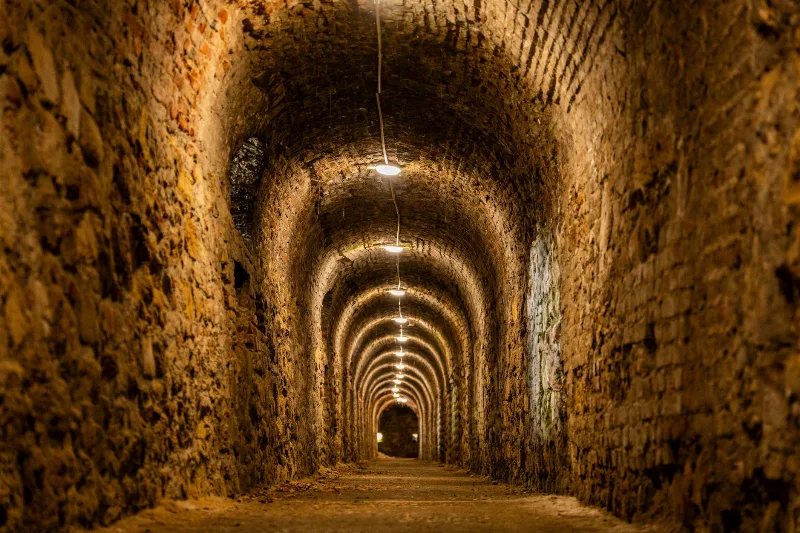
Derinkuyu Underground City
Derinkuyu is a multi-level city carved into the volcanic rock of Cappadocia, deep enough and large enough to have sheltered thousands of people and their animals underground. This guide explains its structure, history and what a visit actually involves.