
Ballıkayalar Canyon: A Limestone Gorge in Kocaeli
Tucked into the hills above Gebze, Ballıkayalar Canyon is a short, dramatic limestone gorge where shaded footpaths, sheer rock walls and quiet woodland meet. It is one of Kocaeli's most rewarding small-scale natural escapes.
Ballıkayalar Canyon lies in the Gebze district of Kocaeli province, in the rolling country that rises south of the Gulf of İzmit and east of Istanbul. The gorge is short by the standards of Anatolia's great canyons — it can be walked in an afternoon — but its proportions are striking. Near-vertical limestone walls close in on both sides, a small stream threads the floor, and the whole site is protected as a nature park, which keeps the surroundings green and largely free of development.
The canyon takes its name from the honey-producing tradition of the area, and the landscape around it remains rural: scattered villages, orchards, olive groves and patches of scrubby Mediterranean hillside. For travellers based in Kocaeli or on the eastern edge of Istanbul, it offers a compact introduction to the geology and vegetation of the region.
How the Gorge Was Formed
The rock here is limestone, laid down long ago as marine sediment and later lifted and fractured by earth movements. Water has done the rest. A stream cutting along faults and joints has gradually widened and deepened its channel, leaving smooth, rounded flutes and hollows on the walls where the flow has scoured the stone. The result is a narrow corridor with high, pale faces, shaded ledges and a handful of small caves and overhangs.
Because limestone dissolves in slightly acidic water, the canyon shows the beginnings of karst features: grooves, pitted surfaces and shallow solution pockets. The walls are not uniform — some sections are broad and blocky, others are cleaved into buttresses and chimneys — which is part of why the site has become well known among Turkish rock climbers.
Walking Paths Through the Canyon
Marked trails run along the canyon floor and on the slopes above it, allowing visitors to follow the stream or to look down into the gorge from the rim. The lower route is generally easy and shaded, crossing gravel beds and stepping stones, and it links up with gentler paths through the surrounding woodland. Because the canyon is compact, several short loops can be combined into a half-day walk rather than a long expedition.
Above the gorge, the ground opens out into terraces and meadow edges with broad views over the Gulf of İzmit and the hills of the Kocaeli peninsula. Entry points are usually approached from the villages on the plateau, and the terrain immediately around the main car park is flat and suited to families.
Climbing and Rock Walls
The compact limestone faces of Ballıkayalar have made it a recognised crag for sport climbing, with routes of varying difficulty spread across the main walls. The rock is generally sound, though it rewards careful reading, and the climbing areas are separated enough that walkers and climbers rarely get in each other's way. Bolted lines and fixed anchors are maintained by the climbing community rather than by any commercial operator.
Vegetation and Wildlife
The canyon sits in a Mediterranean-to-sub-Mediterranean transition zone. Holm oak, Turkish oak, juniper and dense maquis scrub cover the slopes, while plane trees, ivy and moisture-loving plants cluster in the cooler, damper floor of the gorge. In spring the rock ledges carry small flowering plants that root in cracks and thin soil.
Birdlife is a particular feature of the site: raptors use the updraughts along the rims, and woodpeckers, tits and warblers are common in the wooded sections. Small mammals, lizards and frogs inhabit the stream corridor. The area's protection as a nature park has helped keep the water clean and the woodland intact.
Visiting the Nature Park
Ballıkayalar is managed as a day-use nature park, with picnic tables, shaded clearings and simple facilities near the main entrance. The site is busiest at weekends in spring and autumn, when local families arrive for walks and open-air meals. Spring and early summer are the most comfortable seasons; midsummer afternoons can be hot on the exposed upper slopes, while the canyon floor stays noticeably cooler.
Visitors are asked to stay on marked paths, carry out all litter and avoid lighting fires outside designated areas. Sturdy shoes are useful on the polished stream bed, and a torch is handy for anyone exploring the shallower caves. The surrounding villages still keep orchards, beekeeping and small-scale farming alive, and a walk out of the gorge into the lanes around them gives a sense of the quiet rural life of this part of Kocaeli.
Related content
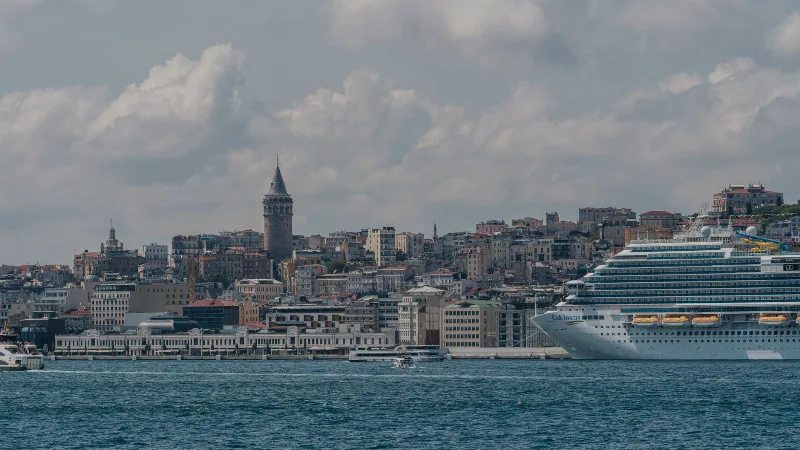
Istanbul
Istanbul is Türkiye's largest city and the country's only metropolis that spans two continents, divided by the Bosphorus strait into a European and an Asian half. Its long run as an imperial capital left a historic core of palaces, mosques and bazaars that still shapes the city's identity.
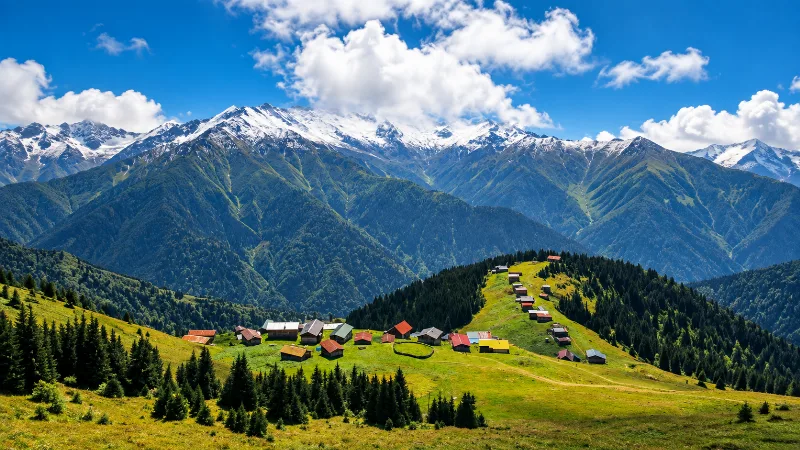
Nature
Lakes, forests, rivers, canyons, mountains, wetlands and national parks across Türkiye.
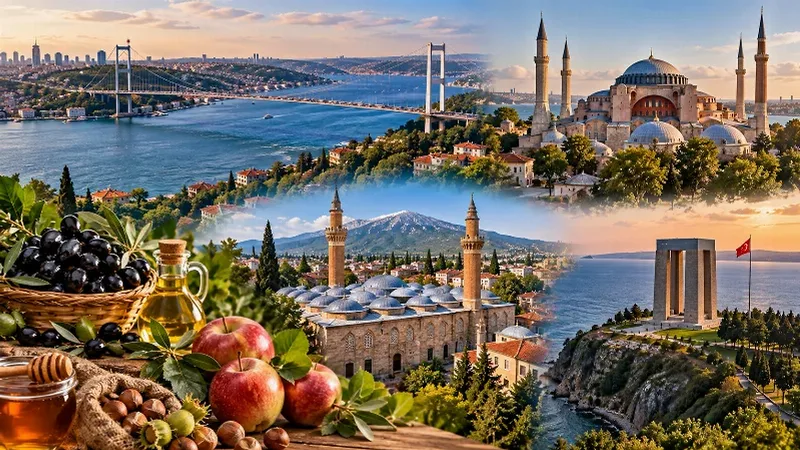
Marmara Region
The Marmara Region connects Europe and Asia, bringing together historic cities, beautiful coastlines, green landscapes and a rich cultural heritage. From Istanbul's iconic skyline to the peaceful shores of the Marmara Sea, the region offers a remarkable variety of places to discover.
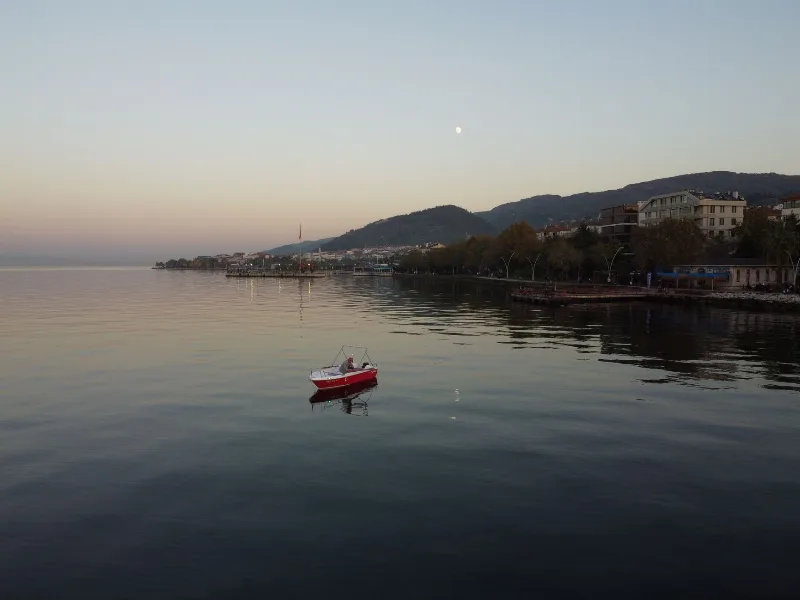
Lake Sapanca
Lake Sapanca is a long, narrow freshwater lake in the Sakarya–Kocaeli border zone of north-western Türkiye, formed in a tectonic basin close to the North Anatolian Fault and bordered by forested hills, orchards and reed-lined stream mouths.
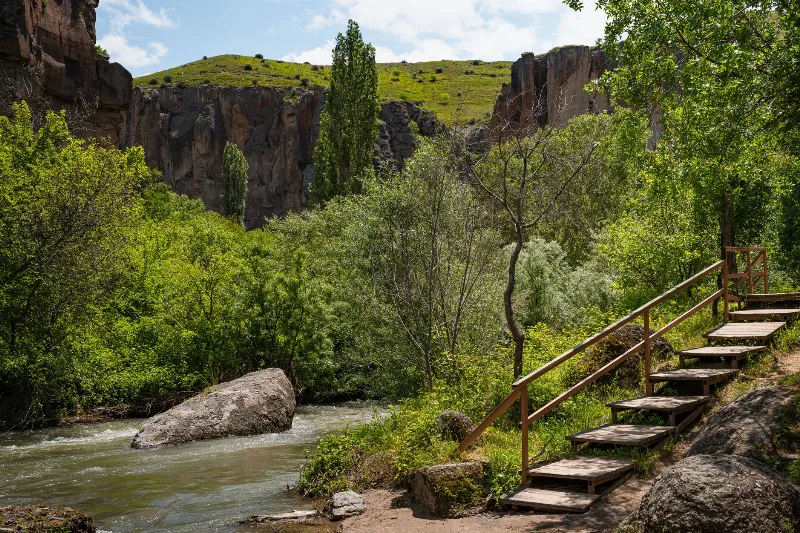
The Ihlara Valley and Its Rock-Cut Churches in Cappadocia
The Ihlara Valley in Cappadocia, Türkiye, is a green canyon carved by the Melendiz River, known for its rock-cut churches, Byzantine frescoes and peaceful walking paths.
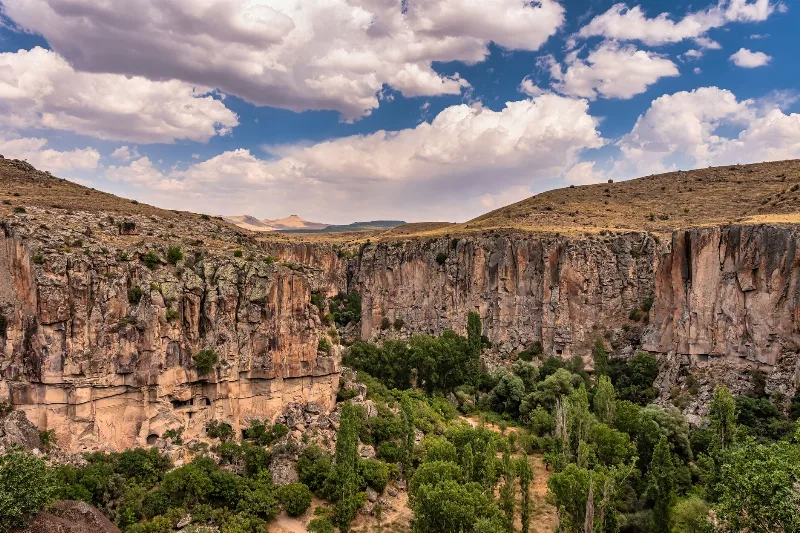
Ihlara Valley
Ihlara Valley is a green canyon in Aksaray Province, cut by the Melendiz River through soft volcanic rock. Its steep walls, riverside vegetation and rock-cut churches make it one of the most distinctive landforms of the wider Cappadocia region.
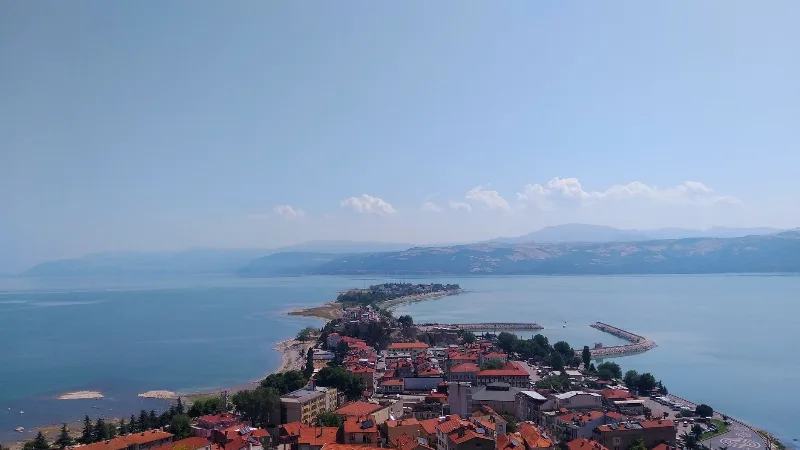
Isparta
Isparta is a city in southwestern Türkiye, renowned for its rose oil production and apple orchards. It serves as a hub for the Lakes Region, with Lake Eğirdir and several natural parks nearby.
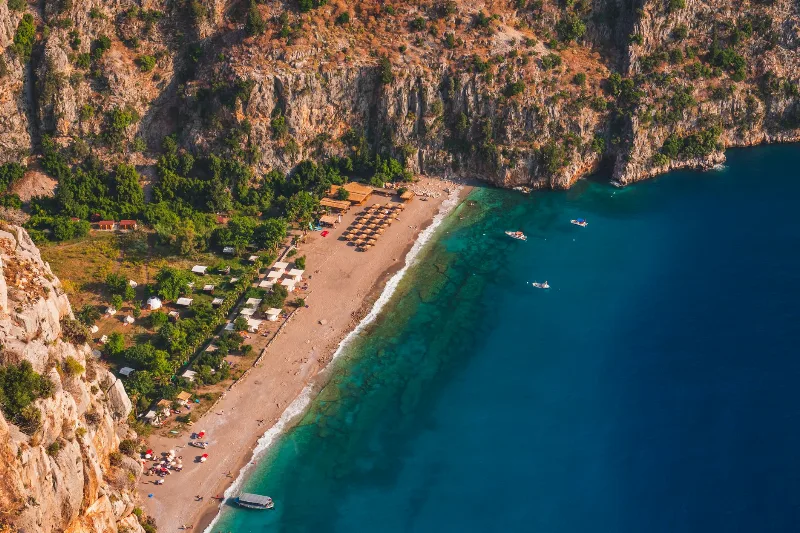
Kabak
Kabak is a secluded village and beach in Muğla, Turkey, known for its unspoiled beauty and relaxed atmosphere. It is a popular stop on the Lycian Way, offering a pebble beach, steep cliffs, and simple accommodations.