
The Historical Significance of the Troy Ruins
STORIES FROM TÜRKİYE
Troy, known in Turkish as Truva, is one of the most celebrated archaeological sites in the world. Located in the Çanakkale Province of Türkiye, near the village of Tevfikiye, the ruins of this ancient city have captured imaginations for millennia. Designated a UNESCO World Heritage Site in 1998, Troy offers a fascinating glimpse into layers of history that span thousands of years, from the Bronze Age to the Roman era. Its connection to Homer's epic poems, the Iliad and the Odyssey, has cemented its place in global cultural heritage.
Layers of a Legend
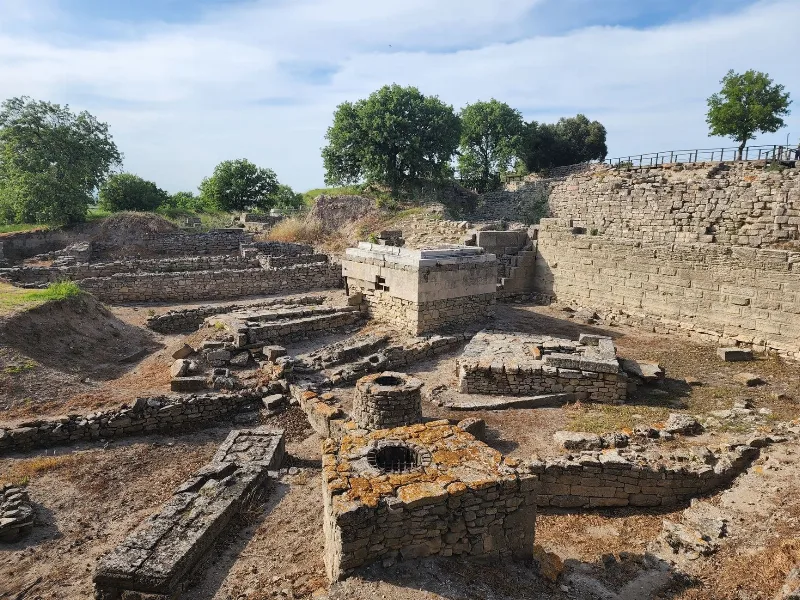
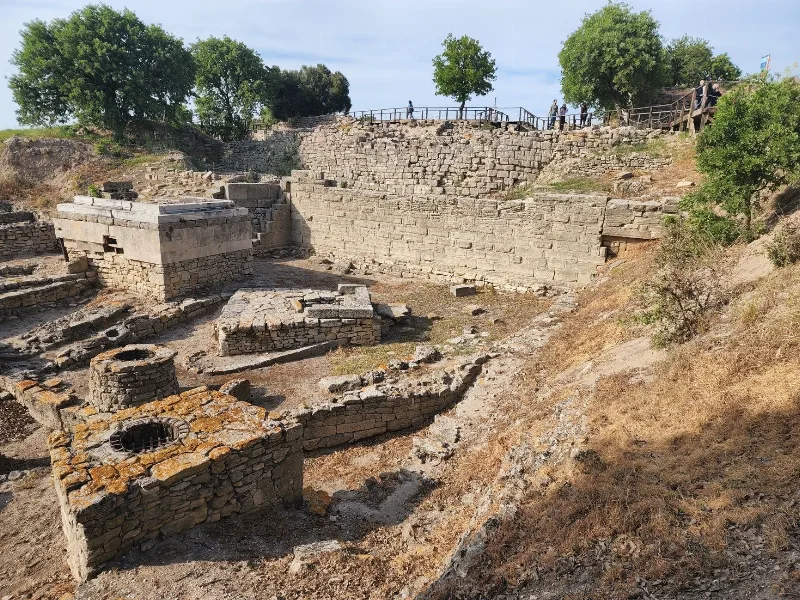
The archaeological site of Troy is remarkable for its stratigraphy, revealing at least nine distinct settlement layers built one atop another. These layers, labeled Troy I through Troy IX, date from around 3000 BCE to 500 CE. Each layer represents a different phase of occupation, with evidence of destruction by fire, earthquake, and warfare. The earliest layers show a small fortified settlement, while later ones include impressive walls, gates, and a palace complex. This continuous habitation makes Troy a key site for understanding the development of ancient civilizations in the region.
The Homeric Connection
The legend of the Trojan War, as told in Homer's Iliad, has been a powerful narrative for over two and a half millennia. According to the epic, the war was fought between the Greeks and the Trojans after Paris, a Trojan prince, abducted Helen, the wife of the Spartan king Menelaus. The ten-year siege ended with the cunning use of the Trojan Horse, a giant wooden structure that concealed Greek soldiers. While historians debate the extent to which the Iliad reflects actual events, the archaeological evidence at Troy suggests that a prosperous city did exist and was destroyed around 1180 BCE, aligning with the traditional date of the war. This convergence of myth and archaeology continues to intrigue scholars and visitors alike.
Excavations and Discoveries
Modern exploration of Troy began in the late 19th century with the work of Heinrich Schliemann, a German businessman and amateur archaeologist. In 1870, Schliemann began excavating at Hisarlık, a mound that he believed was the site of ancient Troy. His discoveries included a cache of gold and silver objects, which he named the "Treasure of Priam." Although his methods were controversial and caused damage to the site, his findings brought worldwide attention to Troy. Subsequent excavations by Wilhelm Dörpfeld, Carl Blegen, and Manfred Korfmann have provided a more nuanced understanding of the city's history. Today, the site continues to yield artifacts that illuminate the lives of its ancient inhabitants.
The Trojan Horse and Modern Memory
The Trojan Horse is perhaps the most enduring symbol of Troy. Though there is no archaeological evidence that such a horse existed, its story has been retold in literature, art, and film. At the archaeological site, a modern wooden replica of the horse stands as a nod to the legend, offering a tangible connection to the myth. The horse has also become a metaphor for deception and strategic cunning in various contexts. In Türkiye, the legacy of Troy is celebrated through cultural events and educational programs, ensuring that the story remains alive for future generations.
The Archaeological Site Today
The ruins of Troy are open to the public, with a designated walking path that guides visitors through the various layers and structures. Interpretive signs provide context, and the nearby Troy Museum, opened in 2018, houses many of the artifacts recovered from the site. The museum's collection includes pottery, tools, jewelry, and sculptures that span the city's long history. The surrounding landscape, with views of the Dardanelles Strait, adds to the atmospheric experience. The site is also part of the larger Troya Historical National Park, which protects the natural and cultural heritage of the area.
Historic places
Explore history →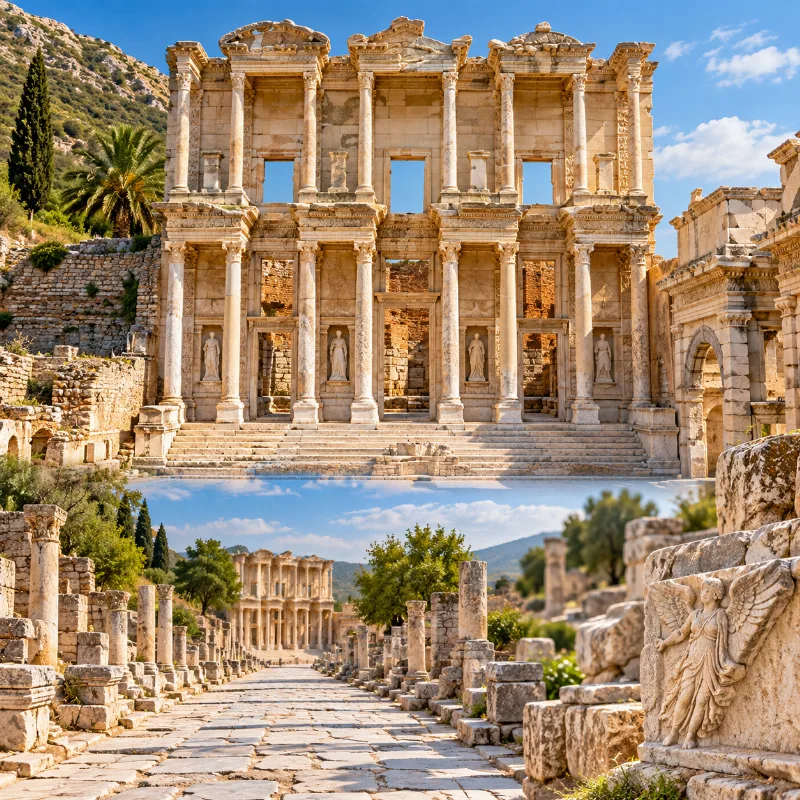
Ephesus
One of the best-preserved ancient cities in the Aegean, known for its monumental streets, library, theatre and Roman-era remains.
Explore →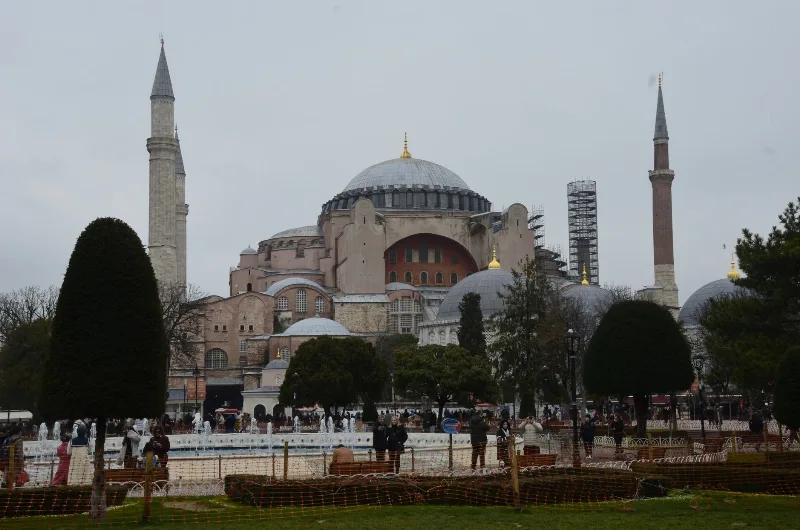
Hagia Sophia
Hagia Sophia in Istanbul is a monumental religious building begun under the Byzantine emperor Justinian I in 537 CE, later converted into an Ottoman mosque and today serving again as a mosque and UNESCO-listed monument.
Explore →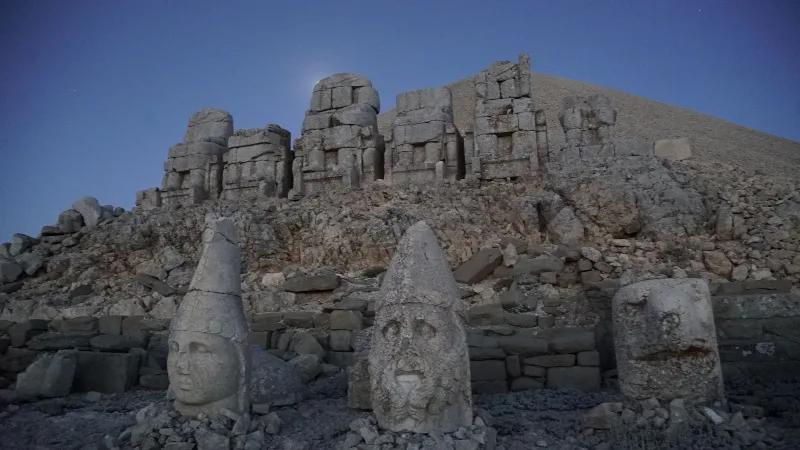
Mount Nemrut
Mount Nemrut in Adıyaman Province is the summit hierothesion of King Antiochus I of Commagene, where colossal statues of gods and a royal ruler stand on terraces above an artificial stone tumulus. The site is a UNESCO World Heritage property whose Greek inscriptions and reliefs record a Hellenistic kingdom of the first century BC.
Explore →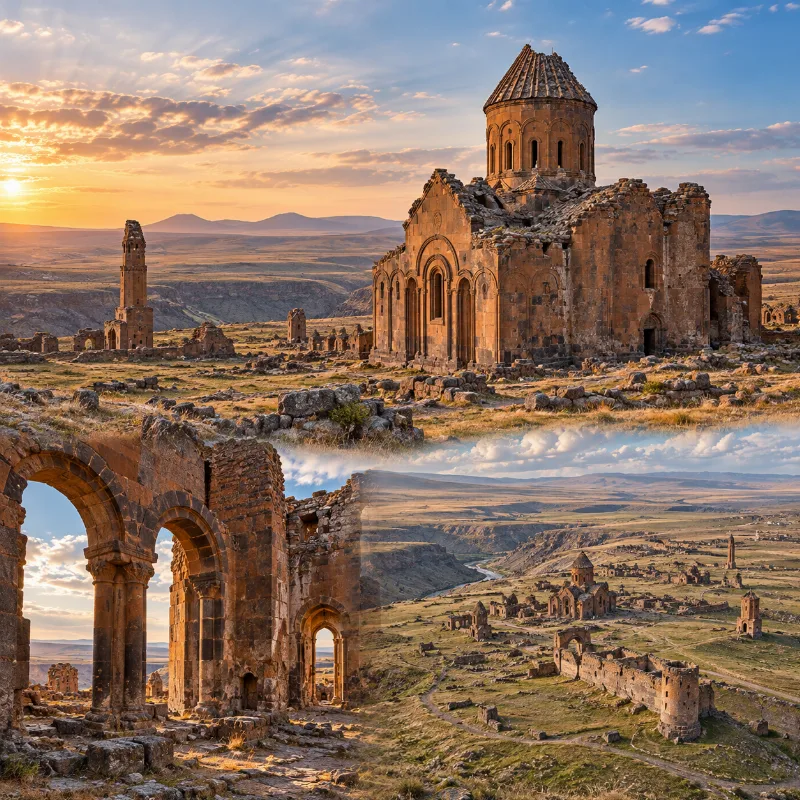
Ancient City of Ani
A medieval archaeological city near the Turkish-Armenian border, with churches, fortifications and monumental stone buildings.
Explore →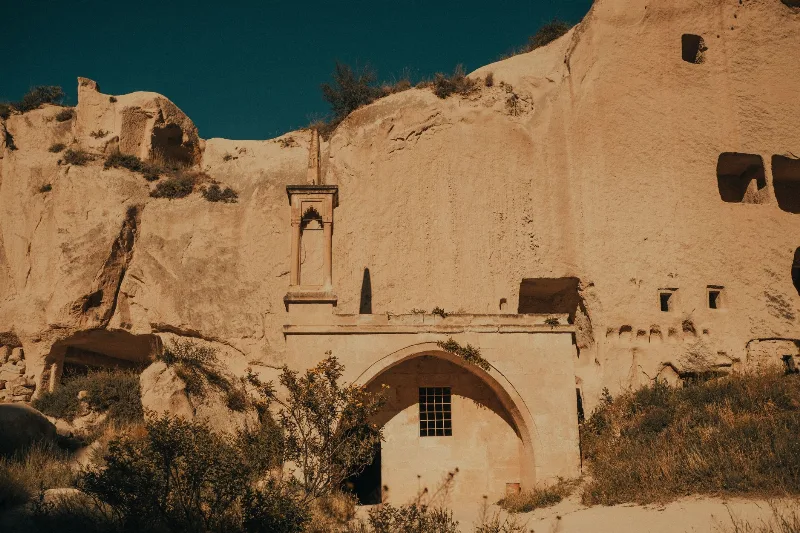
Göreme Open Air Museum
Göreme Open Air Museum is a rock-cut Byzantine monastic complex in the Göreme valley of Cappadocia, Nevşehir Province, whose churches preserve fresco cycles painted between the 10th and 13th centuries. It forms part of the UNESCO World Heritage Site of Göreme National Park and the Rock Sites of Cappadocia.
Explore →Related content
Troy
Troy is the excavated mound of Hisarlık in Çanakkale Province, Türkiye, inhabited from the Early Bronze Age to the Roman era and linked with the Ilion of Homer's Iliad. Its nine settlement layers and surviving Bronze Age fortifications make it one of the most important stratified sites in the eastern Mediterranean.
Troy
Troy is an ancient city on the Hisarlık mound in Çanakkale province, northwestern Turkey, known from Homer's Iliad and excavated into nine settlement layers. It is a UNESCO World Heritage Site with a large modern wooden horse near its entrance.
Çanakkale
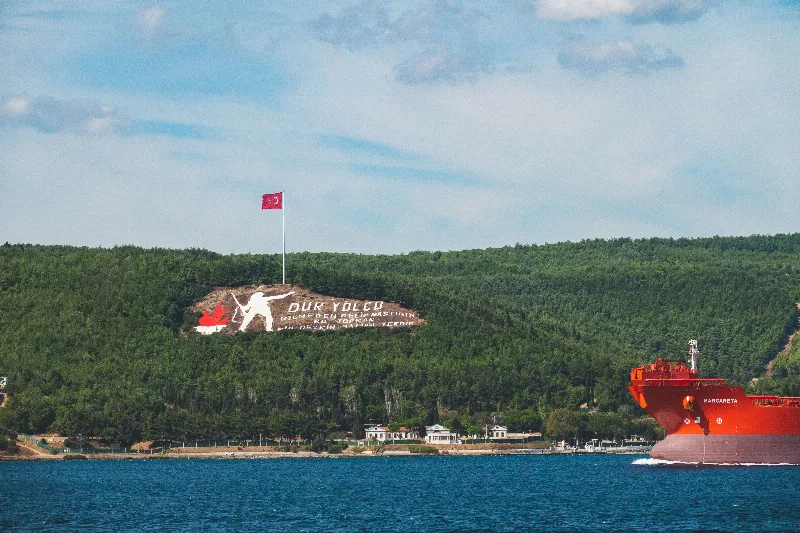
Çanakkale is a northwestern Turkish city on the Asian shore of the Dardanelles, the strait separating Europe from Asia. It is the administrative centre of a province that includes the Gallipoli battlefields and the archaeological site of Troy.
Ancient Archaeological Sites of Troy
The archaeological site of Troy near Çanakkale reveals nine settlement layers, Bronze Age defences and a story that links Anatolia's real past with Homeric legend.
3-Day Assos and Troy Route
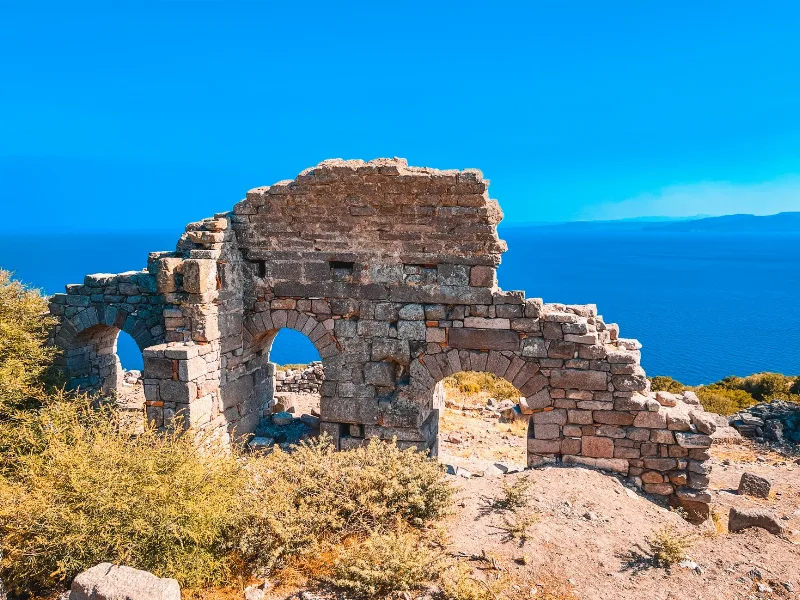
A three-day route through Turkey's Troad region, starting in Çanakkale and finishing at the clifftop village and ancient harbour of Assos, with Troy and the lesser-known classical ruins in between.
Çanakkale and the Dardanelles Strait
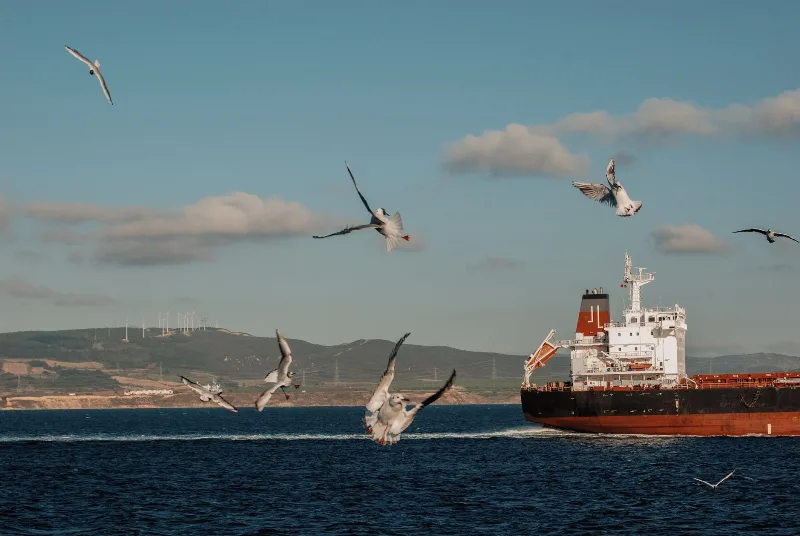
A short guide to Çanakkale and the Dardanelles Strait, covering the geography, ancient sites, island villages and local food of northwestern Türkiye.